How Long Do Potatoes Go In The Oven For Crispy Perfection
Baking potatoes in the oven is simple once you know the right temperature and timing. Most whole potatoes take about 45 to 60 minutes at 400°F, while smaller cuts like wedges cook faster in 25 to 35 minutes. This guide covers every method so you get crispy, golden potatoes every single time.
There is something deeply satisfying about pulling a tray of crispy oven-baked potatoes out of the oven. The golden edges, the fluffy interior, and the aroma that fills your kitchen — it is hard to beat. Whether you are meal prepping for the week or cooking a simple side dish for dinner, oven-baked potatoes are a staple in so many kitchens.
But here is the thing that trips up a lot of home cooks: how long do potatoes go in the oven really depends on a few key factors. The type of potato you choose, the size of the pieces, the oven temperature, and even whether you use foil or not — all of these things change the cooking time. Getting it right means the difference between perfectly crispy golden potatoes and a disappointing, undercooked or burnt result.
This guide answers that question completely. We will walk through the ideal oven temperature, compare cooking times for different methods, break down the best potato varieties, and share pro tips that take your baked potatoes from good to restaurant-quality. By the end, you will feel confident every time you turn on that oven.
Key Takeaways
- 400°F is the sweet spot: Most oven-baked potatoes reach perfect crispiness and fluffy interiors at this temperature.
- Whole potatoes need 45–60 minutes: Larger russets may take up to 75 minutes depending on size.
- Cut potatoes cook faster: Wedges and cubes take only 25–35 minutes at the same heat.
- Skip the foil for crispier skin: Baking without foil lets moisture escape and creates a crunchy exterior.
- Soaking removes excess starch: This simple step leads to dramatically crispier potato wedges and fries.
- Check internal temperature: A fully baked potato reaches 210°F internally for the perfect fluffy texture.
- Season at the right time: Salt before baking for crispy skins, add herbs after for fresh flavor.
📑 Table of Contents
The Ideal Oven Temperature for Potatoes
Why Temperature Matters So Much
The oven temperature you choose directly affects how your potatoes cook on the inside and outside. Too low, and you end up with dry, pale potatoes that take forever. Too high, and the outside burns before the inside becomes fluffy. Getting the temperature right is the single most important step in oven-roasted potatoes.
Most baked potato recipes call for 400°F. This temperature strikes the perfect balance. It is hot enough to create a crispy, caramelized exterior through the Maillard reaction, but not so hot that it scorches the outside before the center cooks through. At 400°F, heat circulates evenly around the potato, cooking it thoroughly from edge to center.
If you are using a convection oven, you may want to drop the temperature by about 25 degrees. Convection fans move hot air more efficiently, so roasted potatoes at 375°F in a convection oven will cook just as well as at 400°F in a standard oven. Always keep an eye on your potato oven time when adjusting temperatures.
Temperature Guide for Different Potato Styles
- Whole baked potatoes: 400°F for 45 to 60 minutes
- Potato wedges: 400°F for 25 to 35 minutes
- Cubed roasted potatoes: 400°F for 30 to 40 minutes
- Crispy smashed potatoes: 425°F for 20 to 25 minutes
- Baby potatoes: 400°F for 35 to 45 minutes
These are general guidelines, but your actual potato cooking time may vary. Altitude, oven accuracy, and potato size all play a role. Using an oven thermometer can help you verify that your oven is running at the right oven temperature.
How Long Do Potatoes Go In The Oven — By Method
Whole Baked Potatoes
Whole potatoes are the classic approach. You take a raw potato, poke some holes in it, rub it with oil and salt, and let the oven do the work. How long do potatoes go in the oven when they are whole? For standard russet potatoes, expect about 45 to 60 minutes at 400°F.
Larger potatoes, especially those over 8 ounces, may need closer to 70 or even 75 minutes. The key is patience. A whole baked potato is done when a fork slides in smoothly with no resistance. If you feel any grittiness or hardness in the center, it needs more time.
Many people wrap their potatoes in foil to speed things up. However, foil traps steam and creates a steamed potato rather than a baked one. The skin stays soft and pale instead of becoming crispy and golden. For the best results, skip the foil and place potatoes directly on the oven rack or on a parchment-lined baking sheet.
Potato Wedges and Fries
Potato wedges are a crowd favorite, and they cook much faster than whole potatoes. Cut potatoes into wedge shapes, toss them in oil and seasoning, and spread them in a single layer on a baking sheet. At 400°F, crispy potato wedges take about 25 to 35 minutes.
The secret to crispy potato skins on wedges is a light coating of oil and enough space between each piece. Overcrowding the pan traps steam and leads to soggy, pale results. If you want extra crispy oven-baked potatoes in wedge form, try soaking the cut potatoes in cold water for 30 minutes before baking. This removes surface starch and helps them crisp up beautifully.
Halved and Quartered Potatoes
Cutting potatoes into halves or quarters reduces the potato oven time significantly. Halved russet potatoes take about 30 to 40 minutes at 400°F, while quartered pieces cook in 25 to 30 minutes. This method works wonderfully for seasoned potatoes because the increased surface area absorbs more flavor from your seasoning.
Halved potatoes also make a great base for loaded baked potato halves. Simply bake them cut-side up, and once they are tender, load them with cheese, bacon, sour cream, and chives. They make an incredible potato side for any meal.
Cubed or Diced Roasted Potatoes
For oven-roasted potatoes in bite-sized pieces, aim for 1-inch cubes. These cook in about 30 to 40 minutes at 400°F. Toss them halfway through for even browning on all sides. Cubed potatoes are perfect for grain bowls, salads, and side dishes. They also reheat well, making them ideal for meal prep.
Types of Potatoes and Their Oven Times
Russet Potatoes
Russet potatoes are the go-to choice for whole baked potatoes. Their thick, rough skin becomes beautifully crispy when baked, and the high starch content creates that fluffy, cloud-like interior we all love. Russets are large and dense, so they take the full 45 to 60 minutes at 400°F.
If you are making crispy potato skins, russets are unbeatable. The thick skin puffs up and crisps when baked without foil. They also work well for wedges and cubes, though their high starch content means they can turn mushy if overcooked.
Red Potatoes
Red potatoes have thinner skin and a waxy, moist texture that holds its shape well during cooking. They are excellent for roasting in chunks or wedges. Because they are smaller than russets, red potato oven time is typically shorter — about 30 to 40 minutes at 400°F for wedges or quarters.
Red potatoes are also great for baby potato dishes. Their natural sweetness and creamy texture make them a hit in salads and as a simple potato side for roasted meats.
Yukon Gold Potatoes
Yukon Gold potatoes sit somewhere between russets and reds. They have a buttery flavor, medium starch content, and a thin, edible skin. They roast beautifully and hold their shape well. Expect about 35 to 45 minutes at 400°F for wedges or quartered Yukon Golds.
These potatoes are incredibly versatile. They work for mashed potatoes, roasting, and even gratins. Their natural creaminess makes them a favorite among home cooks who want flavorful, oven-baked potatoes without a lot of fuss.
Baby Potatoes and Fingerling Potatoes
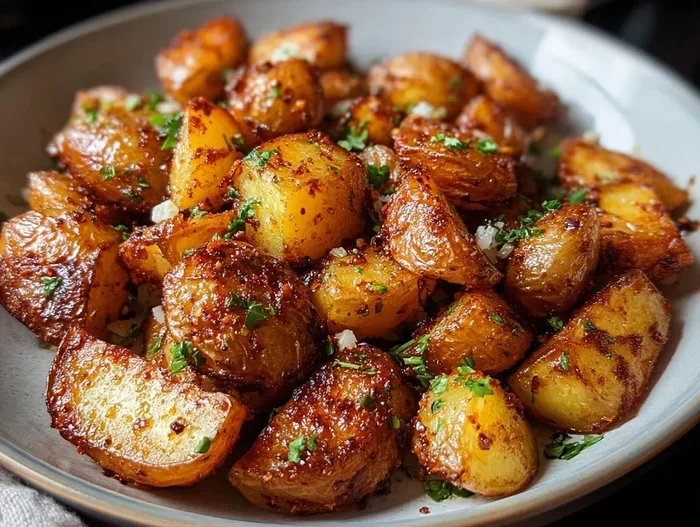
Baby potatoes and fingerling potatoes are small, bite-sized varieties that roast quickly and evenly. Their thin skins become delightfully crispy when roasted at 400°F for 30 to 40 minutes. Because of their small size, they cook through much faster than larger potatoes.
These are perfect for seasoned potatoes with herbs like rosemary, thyme, and garlic. Toss them in olive oil, sprinkle with salt and pepper, and roast until they are golden and crispy on the outside. They make an easy, impressive potato side for any dinner.
Comparison Table: Potato Types and Oven Times
| Potato Type | Best For | Oven Temp | Approximate Time |
|---|---|---|---|
| Russet | Whole baked potatoes | 400°F | 45–60 minutes |
| Red | Wedges, chunks, roasting | 400°F | 30–40 minutes |
| Yukon Gold | Roasting, wedges, versatile | 400°F | 35–45 minutes |
| Baby Potatoes | Roasting whole, sides | 400°F | 30–40 minutes |
| Fingerling Potatoes | Roasting, crispy skins | 400°F | 25–35 minutes |
Step-by-Step Guide to Perfect Oven Potatoes
Preparation: Start With the Right Potato
The first step to perfect oven-baked potatoes is choosing the right potato for your recipe. For whole baked potatoes, select firm, medium-to-large russets with no green spots or sprouts. Wash them thoroughly under cold water and pat them completely dry. Moisture on the surface creates steam, which prevents crispy skin.
For wedges, cubes, or roasted chunks, cut the potatoes into even-sized pieces. Uniform size ensures even cooking so some pieces are not burnt while others are still raw. A sharp knife and a sturdy cutting board make this step much easier and safer.
Seasoning for Maximum Flavor
Seasoned potatoes are a game-changer. Start with a light coating of olive oil or avocado oil — just enough to coat each piece without pooling. Then add salt generously. Salt draws out moisture during baking, which contributes to crispiness.
For whole baked potatoes, rub the oil and salt directly onto the skin. For wedges and cubes, toss everything together in a bowl before spreading on the baking sheet. Add garlic powder, paprika, black pepper, and dried herbs like rosemary or thyme for extra flavor. Fresh herbs should be added after baking for the best taste.
The Baking Process
Preheat your oven to 400°F and let it reach the target temperature before adding the potatoes. A fully preheated oven ensures even cooking from the start. Place potatoes in a single layer on a parchment-lined baking sheet. Use a wire rack if you want even crispier results, as air circulates underneath.
Now, how long do potatoes go in the oven depends on what you are making. Whole potatoes need the full 45 to 60 minutes. Wedges need about 25 to 35 minutes. Flip or shake the pan halfway through to promote even browning. Check for doneness by piercing the thickest piece with a fork.
For crispy potato skins on whole potatoes, let them rest for 5 minutes after removing them from the oven. This allows the steam inside to redistribute, giving you a fluffier interior and a crunchier exterior.
Pro Tips for Crispy Perfection
Get Crispy Skin Every Time
The secret to crispy potato skins starts before the potatoes even go in the oven. Soak cut potatoes in cold water for at least 30 minutes. This removes excess surface starch that causes sticking and sogginess. After soaking, dry the potatoes thoroughly with a clean towel — any remaining moisture will create steam and prevent crisping.
For whole baked potatoes, poke several holes in the skin with a fork before baking. This allows steam to escape during cooking and prevents the potato from bursting. It also creates tiny channels for the oil and salt to penetrate, adding flavor all the way to the skin.
The Foil vs. No Foil Debate
This is one of the most debated topics in baked potato recipes. The truth is, foil steams the potato rather than baking it. The result is soft, pale skin and a slightly wetter texture. Without foil, the hot air circulates freely around the potato, creating crispy, golden brown skin and a drier, fluffier interior.
If you are in a rush, foil can reduce cooking time by about 10 to 15 minutes. But for crispy perfection, skip the foil. Place potatoes directly on the oven rack or on a wire rack set over a baking sheet for the best results.
Checking for Doneness
The most reliable way to know if your baked potatoes are done is to check the internal potato internal temperature. A fully baked potato reaches 210°F at its center. You can use a meat thermometer inserted into the thickest part of the potato to verify this.
If you do not have a thermometer, use the fork test. Press a fork into the center of the potato. It should slide in smoothly with no resistance. If the fork meets any hard spots, the potato needs more time. Also, the potato should feel soft when you gently squeeze it with an oven mitt.
Common Mistakes That Ruin Your Potatoes
Wrong Temperature or Timing
The biggest mistake people make is setting the oven too low or not baking long enough. A potato that comes out hard in the center was either undercooked or the oven temperature was too low. Always preheat your oven fully and trust the timing guidelines. If you are unsure, check a few minutes before the expected potato oven time is up.
Another common error is opening the oven door too frequently. Every time you open the door, heat escapes and the temperature drops. This extends cooking time and can lead to uneven results. Trust the process and only open the door when you need to flip or check the potatoes.
Skipping the Prep
Skipping the drying step after washing is a small mistake with big consequences. Wet potatoes steam instead of roast, leading to soggy, pale results. Always pat your potatoes completely dry before seasoning and placing them in the oven.
Overcrowding the baking sheet is another frequent error. When potatoes are piled on top of each other, steam gets trapped between them. This prevents the edges from crisping and creates uneven cooking. Give each piece enough space — about half an inch of room between each wedge or cube.
Underseasoning
Plain baked potatoes are fine, but seasoned oven-baked potatoes are something special. Many people under-season their potatoes, especially with salt. For whole baked potatoes, use about a teaspoon of kosher salt per potato. For wedges and cubes, be generous — the seasoning should be visible on every piece.
Add seasoning in stages for the best flavor. Salt the potatoes before baking for deep, even seasoning. Add a sprinkle of fresh herbs or a drizzle of finishing oil right after they come out of the oven for a burst of fresh flavor.
Conclusion
Now you know exactly how long do potatoes go in the oven for every style and every potato type. Whether you are baking a whole russet for a loaded baked potato or roasting crispy potato wedges for a side dish, the principles are the same: use 400°F, give enough time, and don’t skip the prep steps.
The beauty of oven-baked potatoes is their simplicity. With just a few ingredients and some basic timing knowledge, you can create restaurant-quality crispy potatoes at home. Start with the guidelines in this article, adjust based on your oven and preferences, and soon you will be making perfect baked potatoes without even thinking about it.
Remember, great roasted potatoes come from quality ingredients, proper temperature, and a little patience. Next time you are planning dinner, put a tray of potatoes in the oven and enjoy the process. Your kitchen will smell incredible, and your family will thank you for it.
Frequently Asked Questions
Can you bake potatoes at a lower temperature?
Yes, you can bake potatoes at 350°F, but the cooking time increases to about 60 to 80 minutes for whole potatoes. Lower temperatures take longer and may not produce the same level of crispy skin. For the best balance of crispy exterior and fluffy interior, 400°F is the recommended oven temperature for most potato recipes.
Should you wrap potatoes in foil when baking?
Foil is not necessary and actually works against crispy potato skins. Wrapping traps steam and creates a steamed texture rather than a baked one. For the best results, bake potatoes unwrapped on a wire rack or directly on a baking sheet. The skin will turn golden and crispy, and the interior will be fluffier.
How do you know when a potato is fully done?
A fully baked potato reaches an internal temperature of 210°F. If you do not have a meat thermometer, use the fork test. A fork should slide into the potato with zero resistance. The potato should also feel soft when gently squeezed with an oven mitt. If there is any hardness in the center, it needs more time.
Can you reheat leftover baked potatoes?
Yes, leftover baked potatoes reheat well in the oven at 350°F for about 10 to 15 minutes. Reheating in the oven preserves the crispy skin better than using a microwave. You can also reheat them in an air fryer for even crispier results. Always add a small drizzle of oil to refresh the skin.
What is the best way to season oven potatoes?
The best seasoning starts with olive oil, salt, and pepper as a base. From there, you can add garlic powder, paprika, onion powder, dried rosemary, or thyme. For extra flavor, toss the potatoes with a little fresh minced garlic before baking. Add any delicate fresh herbs like parsley or chives after baking to keep their flavor bright.
Can you bake different potato types together?
Yes, you can mix different potato types on the same baking sheet. Just keep in mind that smaller potatoes like baby potatoes and fingerlings will cook faster than larger russets. Cut all potatoes into similar-sized pieces and check the smaller ones a few minutes early to prevent overcooking. This is a great way to enjoy a variety of crispy, oven-roasted potatoes in one dish.