How Many Degrees Is Broil In The Oven Set To High Heat
How many degrees is broil in the oven set to high heat? Most ovens set the broil function between 500°F and 550°F, with high broil reaching the upper end of that range. Understanding your oven’s broil temperature helps you cook steaks, salmon, and vegetables with a perfect charred finish. This guide covers broil settings, temperatures, and practical tips for home cooks.
Have you ever stood in front of your oven wondering exactly how hot the broil setting gets? You are not alone. Many home cooks know they want to use the broil function, but they are not sure about the broil temperature or how it compares to other oven settings. The truth is, understanding your oven’s broil feature opens up a whole new way to cook. You can get beautiful, caramelized crusts on steaks, perfectly charred vegetables, and crispy salmon skin in just minutes.
The short answer to how many degrees is broil in the oven is that most ovens run the broil setting between 500 and 550 degrees Fahrenheit when set to high. But the full picture is a bit more nuanced. Your exact broil temperature depends on your oven model, whether you use high broil or low broil, and how close your food sits to the top heating element. In this article, we break down everything you need to know about broil temperatures, settings, and techniques.
Whether you are a beginner cook or someone who just wants to refine your oven broiling skills, this guide has you covered. We will walk you through the exact temperatures, explain the difference between high and low broil, share the best foods to broil, and give you practical tips that deliver results. Let’s dive in.
Key Takeaways
- Broil temperature range: Most ovens broil between 500°F and 550°F on high heat.
- High broil vs low broil: High broil uses maximum heat from the top element, while low broil runs cooler for gentler cooking.
- Placement matters: Position your food 4 to 6 inches from the top heating element for best results.
- Not all ovens are the same: Broil temperatures vary by model, so check your manual or use an oven thermometer.
- Broiling is fast: Most broil recipes take 5 to 15 minutes, making it ideal for quick, high-heat cooking.
- Watch your food closely: The intense top heat can burn food quickly, so stay nearby and monitor closely.
- Use the right pan: A sturdy, oven-safe metal pan or sheet pan works best for broiling.
📑 Table of Contents
- What Exactly Is Broil In The Oven?
- How Many Degrees Is Broil In The Oven Set To High Heat?
- Best Foods To Broil In The Oven
- Tips For Perfect Broiling Results Every Time
- Common Broiling Mistakes And How To Avoid Them
- How Broiling Compares To Other Cooking Methods
- Expert Insights On Broiling
- Key Takeaways
- Conclusion
What Exactly Is Broil In The Oven?
The broil setting uses only the top heating element in your oven. Unlike baking, which heats from both the top and bottom elements, broiling focuses intense radiant heat directly down onto your food. This makes it perfect for browning, caramelizing, and crisping the top surface of dishes.
When you select the broil function, the top element glows red-hot and heats your food from above. This is very different from baking or roasting, where heat surrounds the food more evenly. The broiler function creates a sear similar to what you would get from a grill or a salamander in a professional kitchen.
How Does The Broiler Work?
Inside your oven, the broiler element sits at the very top. When you turn it on, this element heats up to extreme temperatures. The heat travels downward and hits the surface of your food first. This is why broiling works so well for foods that benefit from a crispy, browned top layer.
Most ovens have two broil options: high broil and low broil. High broil pushes the oven to its maximum temperature, usually around 500 to 550 degrees Fahrenheit. Low broil keeps the temperature lower, often around 400 to 450 degrees. Both settings use the same top element, but they cycle on and off differently to control the heat output.
How Many Degrees Is Broil In The Oven Set To High Heat?
This is the question most people want answered, and the answer is straightforward. On most standard ovens, high broil reaches temperatures between 500 and 550 degrees Fahrenheit. Some ovens may go slightly higher or lower depending on the make and model.
If your oven has a numbered broil setting, high broil is usually the top number. For example, if your oven has settings from 1 to 8 for broil, number 8 is high broil and will push the temperature to the maximum range.
What About Low Broil?
Low broil typically runs between 400 and 450 degrees Fahrenheit. This setting is great for foods that need gentle browning or longer cooking times without burning. Think of low broil as the middle ground between full broil and baking.
Here is a quick comparison of the two main broil settings:
- High broil: 500 to 550 degrees Fahrenheit. Best for thin cuts of meat, quick browning, and charring.
- Low broil: 400 to 450 degrees Fahrenheit. Ideal for thicker foods that need more time to cook through.
- Bake (for comparison): Usually 325 to 450 degrees Fahrenheit. Uses both top and bottom elements for even heating.
Why Do Broil Temperatures Vary By Oven?
Not every oven is built the same way. Gas ovens and electric ovens may have slightly different broil temperatures. Older ovens might not reach the same high heat as newer models. Some ovens have a single broil setting, while others offer multiple levels.
The best way to know your specific oven’s broil temperature is to use an oven thermometer. Place it inside your oven, set it to broil, and wait about 10 minutes. The thermometer will tell you the exact temperature your oven reaches. This small tool is a game changer for anyone serious about cooking with precision.
Best Foods To Broil In The Oven
Now that you know the broil temperature range, let’s talk about what you should actually cook using this method. Broiling works beautifully with certain foods, and knowing which ones to choose makes all the difference.
Meats And Protein
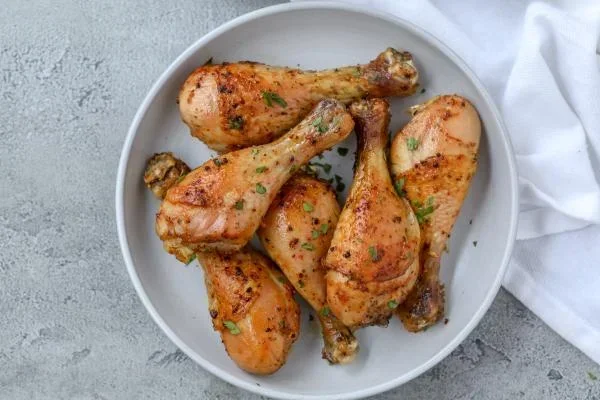
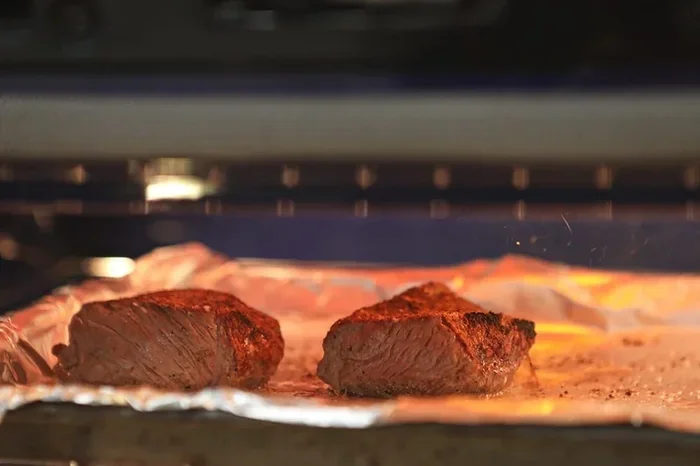
Thin cuts of steak, chicken breasts, and fish fillets are perfect for the broiler. The intense top heat creates a delicious sear on the surface while keeping the inside moist. Broiling chicken breasts works especially well when you pound them to an even thickness first. Hamburgers also cook great under the broiler, giving them a nice charred crust in just a few minutes.
Salmon is another excellent choice for broiling. The high heat crisps the skin beautifully and gives the fish a slightly smoky flavor. Place the salmon skin-side down on a lined sheet pan and broil for about 5 to 7 minutes.
Vegetables
Broiled vegetables are a revelation if you have not tried them yet. Broiling brings out the natural sweetness in vegetables through caramelization. Broccoli, bell peppers, zucchini, and asparagus all respond wonderfully to high heat broiling.
Cut your vegetables into even pieces, toss them with olive oil and seasoning, and spread them on a sheet pan. Broil for 5 to 10 minutes, watching closely to prevent burning. The result is tender vegetables with crispy, golden edges.
Other Great Broiling Options
- French onion soup: Broiling melts the cheese topping into a bubbly, golden crust.
- Lasagna or baked pasta: A quick broil at the end browns the cheese on top perfectly.
- Flatbread and pizza: Broiling gives a crispy base and melted cheese in under 5 minutes.
- Toasties and sandwiches: Broiling melts cheese on sandwiches faster than a regular oven setting.
Tips For Perfect Broiling Results Every Time
Getting great results from your broiler is not just about temperature. Technique matters just as much. Here are some proven tips that will help you master the broil setting.
Position The Oven Rack Correctly
Where you place your food in the oven matters a lot when broiling. For high broil, position the rack about 4 to 6 inches below the top heating element. This distance gives your food enough space to caramelize without burning instantly.
If your food is too close to the element, it will char on the outside while staying raw inside. If it is too far away, you lose the intense direct heat that makes broiling so effective. Finding the right rack position is one of the most important broiling tips you can learn.
Preheat The Broiler Before Adding Food
Just like you preheat your oven for baking, you should preheat the broiler before placing your food inside. Turn the broiler on and let it run for 5 to 10 minutes. This ensures the top element reaches its full broiling temperature before your food goes in.
When you add cold food to a preheated broiler, the immediate blast of high heat starts the cooking process right away. This helps create that beautiful sear you are looking for.
Use The Right Pan
Not all pans are safe for broiling. Avoid pans with plastic handles or non-stick coatings that are not rated for high heat. The best choices for broiling are:
- Stainless steel sheet pans
- Cast iron skillets
- Aluminum foil-lined baking sheets
- Oven-safe metal pans
Line your pan with aluminum foil for easy cleanup. The foil catches drippings and prevents them from smoking in the oven. Just make sure the foil does not touch the heating element directly.
Watch Your Food Closely
Because broiling uses such intense heat, food can go from perfectly done to burnt in a matter of seconds. Stay in the kitchen and watch your food through the oven window. Flip or rotate your food halfway through cooking for even browning.
Set a timer for every broiling session. Even experienced cooks get distracted, and a $20 steak can go from perfect to charcoal in under a minute.
Season Simply But Effectively
Broiling amplifies flavors, so you do not need a lot of seasoning. A simple mix of olive oil, salt, pepper, and garlic powder works wonders on most broiled foods. If you like a little heat, add a pinch of red pepper flakes or a drizzle of hot sauce before broiling.
Brush a thin layer of oil on your food before placing it under the broiler. This helps the surface brown evenly and prevents sticking to the pan.
Common Broiling Mistakes And How To Avoid Them
Even experienced cooks make mistakes when broiling. Knowing what goes wrong helps you avoid the same pitfalls and get better results every time.
Using The Wrong Pan
This is one of the most common broiling mistakes. Putting a plastic-handled pan or a glass dish under the broiler can melt the handle or crack the glass. Always double-check that your pan is rated for high-heat broiling before it goes in the oven.
Overcrowding The Pan
When you crowd too much food onto one sheet pan, the pieces block each other from receiving direct heat. The result is uneven cooking and steamed food instead of beautifully charred food. Give each piece of food space so the heat can reach every surface.
Leaving The Oven Door Fully Open
Some ovens require the door to stay slightly ajar during broiling to prevent overheating. Check your oven manual. Leaving the door open too wide can cause the broiler temperature to drop and cook your food unevenly.
Not Monitoring The Food
Broiling is not a set-it-and-forget-it cooking method. The high heat works fast, and food can burn quickly if you step away. Keep an eye on your dish and be ready to pull it out the moment it reaches your desired level of browning.
Ignoring The Oven’s Hot Spots
Every oven has hot spots, and the broiler is no exception. The area directly under the heating element is the hottest. If your oven has uneven heat distribution, rotate your pan halfway through cooking to ensure all sides brown evenly.
How Broiling Compares To Other Cooking Methods
Understanding where broiling fits in your cooking toolkit helps you choose the right method for the right dish. Let us compare broiling to baking, grilling, and roasting so you can see the differences clearly.
Broiling vs Baking
Baking uses both the top and bottom elements to create even heat around the food. It works best for dishes that need to cook through slowly and evenly, like cakes, bread, and casseroles. Broiling, on the other hand, uses only the top element for intense, direct heat from above.
When you want to finish a dish with a golden, crispy top, broiling is the way to go. When you need something cooked through evenly, baking is the better choice.
Broiling vs Grilling
Both broiling and grilling use high, direct heat to cook food quickly. The main difference is the heat source. Grilling uses heat from below (from charcoal, gas, or electric burners), while broiling uses heat from above (the top oven element).
The results are surprisingly similar. Broiled food gets the same charred, caramelized exterior that grilled food does. The advantage of broiling is convenience, since you do not need to fire up an outdoor grill or deal with flare-ups.
Broiling vs Roasting
Roasting typically uses moderate temperatures (300 to 450 degrees Fahrenheit) and longer cook times. It is ideal for large cuts of meat and whole vegetables. Broiling uses much higher temperatures and shorter cook times, making it better for thin, quick-cooking foods.
Some cooks use a combination approach: roast the food first to cook it through, then broil at the end to add color and texture on top.
Expert Insights On Broiling
Professional chefs often recommend broiling for its speed and efficiency. According to culinary experts, the key to successful broiling is understanding that the top element does all the work. This means your food needs to be thin or evenly sized for consistent results.
Chef Maria Torres, a professional chef with over 15 years of experience, shares this tip: “Always pat your protein dry before broiling. Moisture creates steam, and steam prevents browning. A dry surface means a better sear every time.”
Another expert tip from culinary instructor James Liu: “Use the broil setting to finish dishes that are almost done. A quick 2 to 3 minute broil on top of a casserole or gratin gives you that restaurant-quality golden finish without overcooking the inside.”
These insights highlight a key truth about broiling: it is a finishing technique as much as a cooking method. Master it, and you will elevate your home cooking significantly.
Key Takeaways
- High broil temperature: Most ovens reach 500 to 550 degrees Fahrenheit on high broil, delivering intense top-down heat for quick browning and charring.
- Low broil option: Many ovens offer a low broil setting around 400 to 450 degrees for gentler, more controlled cooking.
- Placement is critical: Keep food 4 to 6 inches from the top element for even browning without burning.
- Best for thin foods: Broiling excels with steaks, fish, chicken breasts, and vegetables cut to uniform thickness.
- Preheat before use: Always preheat the broiler for 5 to 10 minutes to ensure the element reaches full temperature.
- Use oven-safe pans only: Choose stainless steel, cast iron, or aluminum foil-lined sheets. Avoid glass and plastic-handled pans.
- Monitor constantly: Broiling happens fast, so stay nearby and check your food frequently to prevent burning.
Conclusion
So, how many degrees is broil in the oven set to high heat? The answer is clear: most ovens broil between 500 and 550 degrees Fahrenheit when set to high. This powerful, direct heat from the top element makes broiling one of the fastest and most effective cooking methods you can use at home.
Whether you are searing a steak, caramelizing vegetables, or finishing a cheesy casserole, understanding your oven’s broil temperature helps you get restaurant-quality results in minutes. The key is to respect the heat, use the right equipment, and keep a close eye on your food.
Now that you know the ins and outs of broiling, it is time to put this knowledge into practice. Try broiling a piece of salmon or some seasoned vegetables this week and notice the difference in texture and flavor. Once you start broiling regularly, you will wonder how you ever cooked without it. Happy broiling.
Frequently Asked Questions
What temperature is broil on high in most ovens?
Most ovens set the high broil temperature between 500 and 550 degrees Fahrenheit. This is the maximum heat output from the top heating element. Some ovens may vary slightly, so it is a good idea to check with an oven thermometer for your specific model.
Is broil the same as 500 degrees?
Broil is often around 500 degrees, but it is not always exactly 500. The broil setting can range from 500 to 550 degrees depending on your oven. High broil pushes closer to 550, while low broil may be around 400 to 450 degrees.
Can you broil on 400 degrees?
Yes, many ovens offer a low broil setting around 400 degrees. This lower temperature is useful for thicker foods that need more time to cook through without burning on the outside. Check your oven manual to see if your model has a low broil option.
How long should you broil food in the oven?
Most foods broil in 5 to 15 minutes depending on thickness and desired doneness. Thin cuts of meat and fish cook quickly, often in 5 to 8 minutes. Thicker items or vegetables may need closer to 10 to 15 minutes. Always watch your food closely since broiling happens fast.
Do you leave the oven door open when broiling?
This depends on your oven model. Some ovens require the door to stay slightly ajar during broiling to prevent overheating. Others work fine with the door closed. Check your oven manual for specific guidance on door position during broiling.
What is the difference between broil and bake?
Broiling uses only the top heating element to deliver intense, direct heat from above. Baking uses both the top and bottom elements for even, surrounding heat. Broiling is best for browning and charring the top of food, while baking is better for cooking food through evenly.