What Temp To Keep Stuff Warm In Oven And How To Do It
Knowing what temp to keep stuff warm in oven is essential for serving delicious, safe meals. The ideal warming temperature ranges between 170°F and 200°F, keeping food hot without drying it out. This guide covers everything from oven warming settings to safe holding times and the best containers to use.
Have you ever finished cooking a meal only to realize you need a little extra time before everyone sits down at the table? Maybe the kids are running late, or your side dishes need a few more minutes to finish. Whatever the reason, knowing what temp to keep stuff warm in oven saves the day every single time.
Keeping food warm in the oven sounds simple, but there is a right way and a wrong way to do it. Set the temperature too high, and your meal dries out or overcooks. Set it too low, and bacteria can start growing on your dinner. The good news is that this guide covers everything you need to know. You will learn the ideal warming temperature, the best containers to use, and practical tips that make serving a breeze.
Whether you are a beginner in the kitchen or a seasoned home cook, these oven warming tips will help you serve hot, delicious meals without any stress. Let us dive in and explore how to keep your food perfectly warm using your oven.
Key Takeaways
- Safe Warming Temperature: Keep your oven set between 170°F and 200°F to hold food at a safe warm holding temperature.
- Avoid Drying Out: Use aluminum foil, oven-safe lids, or moisture-rich methods to retain moisture while warming.
- Food Safety Matters: Never leave food in the warm holding zone for more than 2 to 4 hours to prevent bacterial growth.
- Right Container Makes a Difference: Use oven-safe dishes, ceramic, glass, or metal pans for even heat distribution.
- Crack the Door Slightly: This simple trick helps release excess steam and keeps food from getting soggy.
- Use a Thermometer: Always check internal food temperature with a meat thermometer to ensure it stays above 140°F.
📑 Table of Contents
- The Ideal Temperature To Keep Food Warm In The Oven
- How To Keep Stuff Warm In Oven The Right Way
- Best Containers And Wrapping For Warming Food
- Common Mistakes People Make When Warming Food In The Oven
- How Long Can You Keep Food Warm In The Oven Safely
- Expert Tips For Perfectly Warmed Dishes Every Time
- Key Takeaways
- Conclusion
The Ideal Temperature To Keep Food Warm In The Oven
The most important thing to understand about warming food in the oven is the temperature range. You do not want to cook food further. You simply want to maintain its heat. The sweet spot for keeping stuff warm in oven falls between 170°F and 200°F. This range is low enough to prevent overcooking but high enough to keep food out of the danger zone.
The food safety warm hold temperature is 140°F. Anything below that and bacteria can start multiplying quickly. So when you set your oven to 170°F to 200°F, you create a safe buffer above that threshold. This is the warm holding zone that professional kitchens use every day.
Why 170°F to 200°F Works Best
Here is why this low temperature oven range is so effective:
- Prevents overcooking: Food stays warm without continuing to cook or becoming tough.
- Retains moisture: Lower heat keeps dishes from drying out, especially meats and casseroles.
- Safe from bacteria: The temperature stays well above the 40°F to 140°F danger zone.
- Energy efficient: Your oven does not work as hard, which saves electricity or gas.
- Even warming: A moderate temperature allows heat to distribute more evenly throughout the dish.
If your oven has a dedicated warm setting, it likely falls in this range. Most ovens label their warm setting somewhere between 170°F and 200°F. If yours does not have a labeled warm setting, simply set the dial to 175°F or 200°F and you are good to go.
What Temp To Keep Stuff Warm In Oven For Different Foods
Different foods respond differently to warming oven temperature. Here is a quick breakdown:
- Meats (chicken, beef, pork): 170°F to 190°F. Wrap in foil to retain juices.
- Casseroles and baked dishes: 175°F to 200°F. These handle a slightly higher temp well.
- Bread and rolls: 170°F to 180°F. Just enough to warm through without crisping further.
- Vegetables: 175°F to 200°F. They warm quickly, so check them often.
- Pizza and fried foods: 170°F to 180°F. Lower heat keeps the crust from getting soggy.
- Sauces and gravies: 160°F to 180°F. Use a heat-safe bowl to prevent scorching.
These oven warming temperatures give you a solid starting point. Adjust slightly based on your specific oven and the type of dish you are reheating.
How To Keep Stuff Warm In Oven The Right Way
Setting the right oven temp for warming is only half the battle. How you place and prepare your food matters just as much. Follow these steps to get the best results every time.
Step 1: Preheat Your Oven to the Warming Setting
Before placing any food inside, preheat the oven to your chosen warming temperature. This ensures the oven is already at the right heat when your food goes in. A slow warm oven approach works better than a quick blast of high heat. Give your oven about 10 to 15 minutes to reach the target temperature.
Step 2: Choose the Right Oven-Safe Container
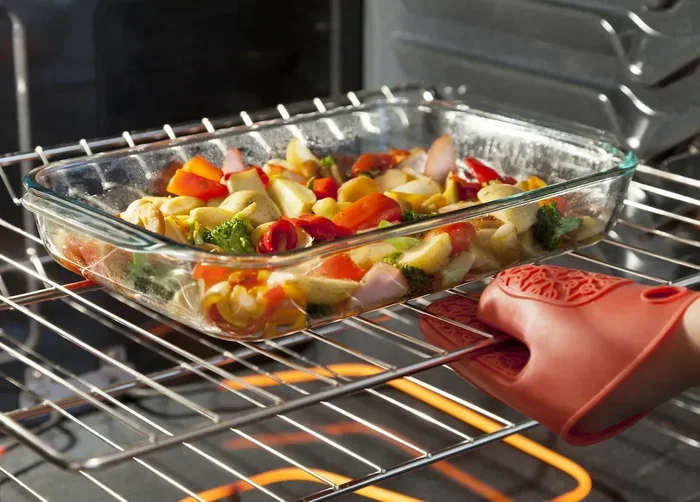
Not every dish can go in the oven. Make sure your container is oven-safe. Glass, ceramic, and metal pans all work well. Avoid plastic containers, melamine dishes, or anything with plastic handles. These can melt or release harmful chemicals when exposed to heat.
For best results, use a container that fits your food snugly. A tight fit reduces air circulation, which helps keep moisture locked in.
Step 3: Wrap or Cover Your Food
Covering your food is one of the simplest ways to keep dinner warm without drying it out. Here are your best options:
- Aluminum foil: Wrap dishes tightly in foil to trap moisture and heat. Foil reflects heat back onto the food.
- Oven-safe lid: Many ceramic and glass dishes come with matching lids. Use them.
- Oven-safe plastic wrap: Place a layer of microwave-safe plastic wrap over the dish, then cover with foil. This creates a double barrier against moisture loss.
- Oven-safe bag: For roasts and larger cuts of meat, an oven-safe roasting bag works wonders.
Aluminum foil oven wrapping is a classic technique used by home cooks and professional chefs alike. It is cheap, effective, and easy to find in any kitchen.
Step 4: Place Food on the Middle Rack
The middle rack of your oven provides the most even heat distribution. Avoid placing food on the top or bottom rack when warming food in oven. The top rack gets too much direct heat, and the bottom rack can create hot spots. The middle position keeps things warm evenly.
Step 5: Crack the Oven Door Slightly
This is a pro tip that many people overlook. When food stays covered in a closed oven for too long, steam builds up and makes things soggy. Crack the oven door open about one to two inches. This allows excess moisture to escape while keeping the heat inside.
A wooden spoon or oven mitt propped against the door works perfectly for this. Just make sure the door does not swing open fully, as that would let all the heat escape.
Best Containers And Wrapping For Warming Food
Choosing the right container can make or break your food warmer oven experience. Not all materials perform the same way when it comes to warming oven temperature. Let us look at the best options.
| Container Type | Best For | Pros | Cons |
|---|---|---|---|
| Glass (Pyrex, Anchor Hocking) | Casseroles, baked dishes, sauces | Heats evenly, easy to see contents, dishwasher safe | Can break if exposed to sudden temperature changes |
| Ceramic | Side dishes, lasagna, baked pasta | Retains heat well, looks great for serving | Heavy, can chip or crack |
| Metal (stainless steel, aluminum) | Roasts, meats, vegetables | Durable, conducts heat well | Can react with acidic foods |
| Oven-safe silicone | Small sides, appetizers | Flexible, lightweight, heat resistant | Not ideal for large dishes |
| Aluminum foil | Wrapping any dish | Lightweight, disposable, reflects heat | Not reusable, can tear easily |
| Oven-safe roasting bags | Large roasts, whole poultry | Traps moisture, easy cleanup | Not suitable for all foods |
Quick Tips For Container Selection
- Always check the bottom of your container for an oven-safe label.
- Avoid containers with metallic paint or decorative edges that are not oven-safe.
- When in doubt, use a simple metal baking pan. It works for almost everything.
- If you are using glass, let it come to room temperature before placing it in a hot oven to prevent thermal shock.
Common Mistakes People Make When Warming Food In The Oven
Even experienced cooks make mistakes when it comes to keeping food warm in oven. Here are the most common errors and how to avoid them.
Mistake 1: Setting The Temperature Too High
This is the number one mistake people make. Some folks crank the oven to 300°F or higher thinking it will warm food faster. But high heat dries out meats, overcooks vegetables, and can turn a perfectly good casserole into a burnt mess. Stick to the 170°F to 200°F range and be patient.
Mistake 2: Leaving Food In The Oven Too Long
Food safety is a real concern here. The safe warm holding time for most cooked foods is 2 to 4 hours. Beyond that, bacteria can start to grow, especially in dishes containing dairy, meat, or eggs. If you know dinner will be delayed, plan accordingly. Use a food warmer oven approach with a timer to remind yourself to check on things.
Mistake 3: Not Checking Internal Temperature
You cannot always tell if food is warm enough just by looking at it. Use a meat thermometer to check the internal temperature. It should read at least 140°F for safely kept warm food. This is especially important for meats, soups, and gravies.
Mistake 4: Using The Wrong Container
Remember that not everything is oven-safe. Plastic containers, takeout boxes, and dishes with plastic handles can melt or leach chemicals into your food. Always double-check before placing anything in the oven.
Mistake 5: Forgetting To Cover Food
Uncovered food in the oven dries out fast. Even at low temperature oven settings, uncovered dishes lose moisture over time. Always cover your food with foil, a lid, or oven-safe wrap to keep it moist and flavorful.
How Long Can You Keep Food Warm In The Oven Safely
The safe warm holding time depends on the type of food and the oven temperature. Here is what you need to know:
- Meats (chicken, beef, pork, lamb): 2 to 3 hours at 170°F to 190°F. After this, check the internal temperature and consider reheating if needed.
- Casseroles and baked pasta: 3 to 4 hours at 175°F to 200°F. These dishes hold heat well due to their density.
- Cooked vegetables: 2 to 3 hours. They can become mushy if held too long.
- Bread and rolls: 30 minutes to 1 hour. They are best served fresh, but a quick warm-up works well.
- Pizza and fried foods: 15 to 30 minutes. These are best eaten immediately, but a short warm-up in the oven helps.
The residual heat oven effect also plays a role here. When you take food out of the oven, it continues to cook slightly from the retained heat. This means you can pull food out a few minutes early and it will still be hot when served.
If you need to keep food warm for longer than 4 hours, consider transferring it to an insulated container or a food warming tray. These tools maintain temperature without continued oven exposure, which reduces the risk of drying out or overcooking.
Expert Tips For Perfectly Warmed Dishes Every Time
Here are some insider warming oven tips from professional chefs and experienced home cooks. These simple tricks elevate your oven warming technique and make a noticeable difference.
Use A Meat Thermometer
A meat thermometer is the most reliable way to check if your food is at the right temperature. Insert it into the thickest part of the dish, avoiding bones or the bottom of the pan. Aim for an internal temperature of at least 140°F for safe warm holding.
Add A Pan Of Water To The Oven
Placing a shallow pan of water on the bottom rack of your oven adds moisture to the environment. This is especially helpful when warming foods that tend to dry out, like roasted meats or baked dishes. The steam helps keep everything moist and tender.
Let Food Rest Before Warming
If you have just finished cooking, let your food rest for 10 to 15 minutes before placing it in the oven for warming. This allows the internal temperature to stabilize and prevents overcooking when you transfer it to the warming oven temperature.
Stagger Your Warming Times
Not all dishes warm at the same rate. Dense casseroles take longer than side dishes or vegetables. Start warming the main course first, then add sides closer to serving time. This staggered warming approach ensures everything hits the table at the perfect temperature.
Use Parchment Paper Under Foil
If you are wrapping food in aluminum foil oven style, add a layer of parchment paper between the food and the foil. This prevents the foil from sticking to cheesy or saucy dishes and makes cleanup easier.
Revive Crispy Foods With A Quick Broil
If you are warming pizza, fried chicken, or roasted potatoes, a 2 to 3 minute broil at the end brings back the crispy texture. Just watch it closely to avoid burning. This trick uses residual heat oven energy combined with direct top heat for a perfect finish.
Key Takeaways
- Safe Warming Temperature: Keep your oven set between 170°F and 200°F to hold food at a safe warm holding temperature.
- Avoid Drying Out: Use aluminum foil, oven-safe lids, or moisture-rich methods to retain moisture while warming.
- Food Safety Matters: Never leave food in the warm holding zone for more than 2 to 4 hours to prevent bacterial growth.
- Right Container Makes a Difference: Use oven-safe dishes, ceramic, glass, or metal pans for even heat distribution.
- Crack the Door Slightly: This simple trick helps release excess steam and keeps food from getting soggy.
- Use a Thermometer: Always check internal food temperature with a meat thermometer to ensure it stays above 140°F.
Conclusion
Knowing what temp to keep stuff warm in oven is one of those simple kitchen skills that makes a huge difference. Whether you are hosting a dinner party, prepping meals for the week, or just trying to get dinner on the table at the right time, the warming oven temperature of 170°F to 200°F is your go-to answer.
Remember to use the right containers, cover your food, crack the oven door slightly, and always check internal temperatures with a meat thermometer. Avoid common mistakes like setting the heat too high or leaving food in the oven too long. These small steps add up to perfectly warmed, delicious meals every single time.
The next time you find yourself needing to keep food warm in oven, you will know exactly what to do. Trust your instincts, follow these tips, and enjoy serving hot, fresh-tasting food to your family and friends. Happy warming!
Frequently Asked Questions
What is the best temp to keep stuff warm in oven?
The best warming oven temperature is between 170°F and 200°F. This range keeps food hot and safe without drying it out or overcooking it. It is the standard warm holding temperature used in both home kitchens and professional settings.
Can I leave food in the oven on warm overnight?
No, you should not leave food in the oven on warm for more than 4 hours. Bacteria can start growing after that time, especially in dishes with meat, dairy, or eggs. If you need to keep food warm overnight, transfer it to an insulated container or a food warming tray instead.
What temperature is the warm setting on most ovens?
Most ovens have a warm setting between 170°F and 200°F. If your oven does not have a labeled warm setting, simply set it to 175°F or 200°F. This low temperature oven range works perfectly for keeping stuff warm in oven without any risk of overcooking.
Is it safe to reheat food in the oven?
Yes, reheating food in the oven is safe as long as you bring the internal temperature up to at least 165°F. Use a meat thermometer to verify the temperature. Cover the food with aluminum foil to retain moisture during reheating, and use oven-safe dishes only.
How do I keep food from drying out in the oven?
Cover your food with aluminum foil, an oven-safe lid, or oven-safe plastic wrap. You can also place a pan of water on the bottom rack to add moisture to the oven environment. Keeping the temperature in the 170°F to 200°F range also helps prevent drying out.
Can I use a regular baking dish to keep food warm?
Yes, as long as the dish is labeled oven-safe. Glass, ceramic, and metal baking dishes all work well for warming food in oven. Avoid plastic, melamine, or dishes with non-oven-safe handles. Always check the manufacturer’s guidelines before placing any container in the oven.