How To Bake Something Without An Oven And Still Succeed
Baking without a traditional oven is easier than you think. You can use a stovetop, air fryer, Dutch oven, or even a microwave to create delicious baked goods. This guide walks you through every method so you can bake without an oven and still get amazing results.
Have you ever wanted to bake something delicious but realized your oven is broken, too small, or not available? Maybe you are camping, staying in a tiny apartment, or dealing with a power outage. Whatever the reason, you can still bake amazing food. Baking without an oven is a skill that opens up a whole new world of cooking possibilities.
In this guide, we will show you exactly how to bake something without an oven and still succeed. You will learn about different methods, the best tools to use, and helpful tips that make everything easier. Whether you want to whip up a quick cake or slow-cook a hearty casserole, we have you covered.
The good news is that most people already own the tools they need. A stovetop, a microwave, an air fryer, or a simple Dutch oven can do the job. You do not need fancy equipment or professional skills. Just a little know-how and the willingness to try something new.
Key Takeaways
- Multiple Methods: You can bake using a stovetop, air fryer, Dutch oven, microwave, or even a pressure cooker.
- Right Tools Matter: Cast iron skillets, foil packets, and oven-safe dishes make alternative baking a breeze.
- Temperature Control Is Key: Understanding heat levels on each method prevents burning and ensures even cooking.
- Baking Times Vary: Every alternative method has different cook times, so adjust accordingly.
- Versatility: You can bake bread, cakes, cookies, casseroles, and more without a full-size oven.
- Portable Options Exist: Methods like campfire baking and portable ovens let you bake anywhere.
📑 Table of Contents
- Why Would You Need to Bake Without an Oven?
- Method 1: Baking on the Stovetop
- Method 2: Using an Air Fryer for Baking
- Method 3: Dutch Oven Baking
- Method 4: Microwave Baking
- Method 5: Foil Packet and Pressure Cooker Baking
- Essential Tools for Baking Without an Oven
- Common Mistakes to Avoid When Baking Without an Oven
- Quick Tips for Baking Success Without an Oven
- Final Thoughts on Baking Without an Oven
Why Would You Need to Bake Without an Oven?
There are many reasons why someone might need to bake without a traditional oven. Let us look at the most common situations.
Living in Small Spaces
Not everyone has a big kitchen with a full-size oven. Many apartments and tiny homes come with only a toaster oven or no oven at all. In these cases, knowing alternative baking methods is a lifesaver. You can still enjoy fresh bread, cookies, and casseroles whenever you want.
Camping and Outdoor Adventures
Camping trips are a great time to cook outdoors. But bringing a full oven along is not practical. That is where campfire baking and portable methods shine. You can make warm, gooey cookies or a fluffy loaf of bread right over a fire pit or camp stove.
Power Outages and Emergencies
When the power goes out, your electric oven becomes useless. Having backup baking methods means you can still prepare warm meals and treats. A gas stovetop, a camp stove, or even a solar oven can save the day.
Saving Energy and Time
Preheating a large oven takes time and energy. Sometimes a smaller appliance or stovetop method is just more efficient. Using an air fryer or a Dutch oven on the stovetop can save both time and electricity.
Method 1: Baking on the Stovetop
The stovetop is one of the most underrated tools for baking without an oven. With the right pan and a little patience, you can bake cakes, bread, and even pizza right on your burner.
What You Need
- A heavy-bottomed skillet or cast iron pan
- A lid that fits snugly
- Heat-resistant trivets or small racks
- Oven-safe baking pans or foil molds
How It Works
The trick to stovetop baking is creating an oven-like environment. You place your food in a heavy pan, add a lid on top, and use low to medium heat. The lid traps heat, just like an oven would. This creates an even cooking environment that bakes your food perfectly.
Cast iron skillets work best because they distribute heat evenly. They also hold heat well, which mimics the consistent warmth of a real oven. If you do not have cast iron, any heavy-bottomed pan will work in a pinch.
Best Foods to Bake on the Stovetop
- Flatbreads and tortillas: These cook quickly on a dry skillet with just a few minutes per side.
- Sheet cake: Use a deep, lidded pan with a small amount of water at the bottom for steam baking.
- Pizza: A cast iron skillet can make a crispy pizza in about 10 to 15 minutes.
- Frittatas and quiches: These savory dishes bake beautifully with a lid on low heat.
One thing to keep in mind is that stovetop baking requires more attention than a regular oven. You need to check your food often and adjust the heat as needed. Low and slow is the golden rule here.
Method 2: Using an Air Fryer for Baking
If you own an air fryer, you already have a powerful baking tool. Air fryers circulate hot air around food, creating a crispy exterior and a perfectly cooked interior. Many people use their air fryer as a toaster oven substitute for baking tasks.
Why Air Fryers Work Great for Baking
Air fryers heat up fast and maintain steady temperatures. They use less energy than a full oven, too. The circulating hot air works just like a convection oven, which means your baked goods cook evenly and come out golden brown.
Most air fryers can reach temperatures between 350°F and 400°F, which is perfect for baking cookies, muffins, and small cakes. You can even reheat baked goods that have gone stale and make them taste fresh again.
Tips for Baking in an Air Fryer
- Use a small, oven-safe pan that fits inside the basket.
- Do not overcrowd the basket. Leave space for air to circulate.
- Reduce baking time by about 20 to 25 percent compared to a regular oven.
- Check your food halfway through to prevent over-browning.
- Use a light coating of oil for better browning on breads and pastries.
For example, if a recipe calls for baking at 350°F for 30 minutes in a full oven, try 350°F for about 20 to 22 minutes in the air fryer. Always keep an eye on your food the first few times you try a new recipe.
Best Air Fryer Baking Recipes
- Chocolate chip cookies (ready in about 8 to 10 minutes)
- Mini quiches using muffin tins
- Individual fruit cobblers in small ramekins
- Cornbread muffins in a greased mini pan
The air fryer is one of the most convenient ways to bake without an oven. It is fast, efficient, and produces results that closely mimic a traditional oven.
Method 3: Dutch Oven Baking
A Dutch oven is one of the most versatile tools in any kitchen. You can use it on the stovetop or in the fireplace to bake bread, roast meats, and cook casseroles. Many outdoor enthusiasts swear by Dutch oven baking for campfire cooking.
How Dutch Oven Baking Works
The thick walls and tight-fitting lid of a Dutch oven trap heat and create a self-contained baking environment. You can place it on a stovetop burner or set it over coals. The heat surrounds the pot evenly, baking your food from all sides.
For outdoor baking, you can place hot coals on top of the lid and underneath the pot. This creates 360-degree heat, just like a conventional oven. It takes a little practice to get the coal placement right, but once you do, the results are outstanding.
What You Can Bake in a Dutch Oven
- Artisan bread: A Dutch oven is famous for making crusty sourdough loaves.
- Casseroles: Lasagna, mac and cheese, and baked pasta all work wonderfully.
- Pies and cobblers: Fruit pies and berry cobblers bake up beautifully.
- Baked potatoes: A whole potato bakes in about 45 to 60 minutes with coals on top and bottom.
If you are interested in how long certain foods take to cook in an oven-like setup, you might find it helpful to check how long potatoes take to cook in the oven as a reference point for timing your Dutch oven recipes.
Method 4: Microwave Baking
Yes, you can actually bake in a microwave. It is not the traditional way, but it works in a pinch. Microwave baking uses steam and microwave radiation to cook food quickly. The results are different from oven-baked goods, but they can still be delicious.
When to Use Microwave Baking
Microwave baking is best for quick breads, mug cakes, steamed desserts, and simple snacks. It is not ideal for crispy cookies or crusty bread. But if you need a fast dessert or a quick loaf, the microwave gets the job done in minutes.
Tips for Better Microwave Baking
- Use microwave-safe dishes. Glass and ceramic work best.
- Do not overmix your batter. This prevents a rubbery texture.
- Use microwave-safe parchment paper to prevent sticking.
- Let your food rest for a few minutes after cooking. It continues to set as it cools.
- Reduce the power level to medium for more even cooking.
Keep in mind that microwave baking does not produce the same browning or texture as oven baking. The food tends to be softer and more steamed. But for comfort food and quick treats, it works surprisingly well.
Popular Microwave Baking Recipes
- Mug cake: Mix flour, sugar, cocoa powder, oil, and milk in a mug. Microwave for 90 seconds. Enjoy a single-serving chocolate cake.
- Steamed egg custard: Whisk eggs, milk, sugar, and vanilla. Pour into a greased mug and microwave for 2 to 3 minutes.
- Quick banana bread: Mash bananas, mix with flour and baking powder, and microwave in a loaf pan for 5 to 7 minutes.
Method 5: Foil Packet and Pressure Cooker Baking
Two more creative methods for baking without an oven include foil packet cooking and pressure cooker baking. Both methods are simple and produce surprisingly good results.
Foil Packet Baking
Foil packet baking is popular for campfire meals and stovetop cooking. You wrap your ingredients in heavy-duty aluminum foil and place them on a heat source. The foil traps steam and heat, essentially creating a mini oven.
This method works great for fish, vegetables, and even simple cakes. The steam inside the packet keeps the food moist and tender. You can add herbs, butter, and seasonings right inside the packet for extra flavor.
Pressure Cooker Baking
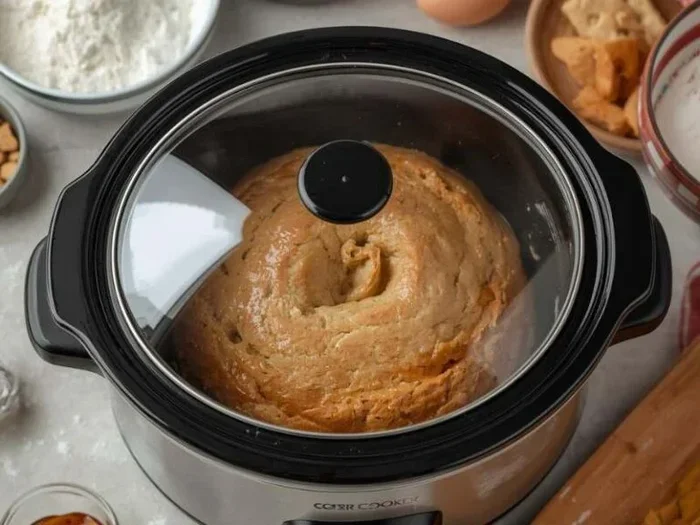
A pressure cooker can also be used for baking. You place a metal rack or trivet at the bottom, add a small amount of water, and set your cake batter or bread dough on top. The steam and pressure cook the food evenly.
Pressure cooker baking is faster than oven baking. A cake that might take 30 minutes in an oven can be ready in 15 to 20 minutes in a pressure cooker. The key is to use the steam setting and not overcook.
Essential Tools for Baking Without an Oven
Having the right tools makes alternative baking methods much easier. Here is a list of items that will serve you well no matter which method you choose.
| Tool | Best Used For | Why It Helps |
|---|---|---|
| Cast iron skillet | Stovetop baking, pizza, bread | Distributes heat evenly and retains warmth |
| Dutch oven | Campfire baking, casseroles, bread | Traps heat and creates oven-like environment |
| Air fryer | Cookies, muffins, small cakes | Fast, efficient, and uses less energy |
| Microwave-safe dishes | Mug cakes, steamed desserts | Enables quick baking without special equipment |
| Heavy-duty foil | Foil packet meals and baking | Creates a sealed steaming environment |
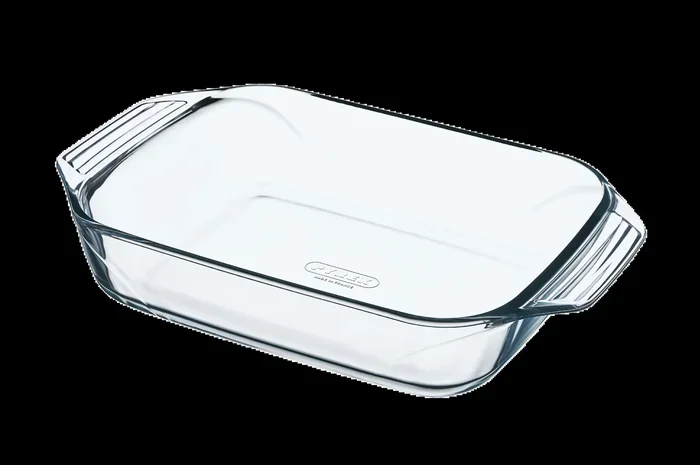
| Oven-safe glass pans | Stovetop and microwave use | Versatile and easy to clean |
You do not need to buy all of these at once. Start with what you have and build your collection over time. A good cast iron skillet alone can handle most of your no-oven baking needs.
Common Mistakes to Avoid When Baking Without an Oven
Even with the right tools, there are some pitfalls to watch out for. Learning from others’ mistakes saves time and frustration.
Skipping Preheating
Just like a regular oven, many alternative methods work best when preheated. A cast iron pan needs time to heat up before you add your batter. An air fryer should warm up for 3 to 5 minutes before baking. Do not rush this step.
Using the Wrong Pan
Not every pan works for every method. Thin, flimsy pans can warp on the stovetop and cause uneven baking. Always choose heavy, heat-safe materials. If you are unsure whether a pan is safe, check the manufacturer’s guidelines.
Ignoring Heat Distribution
Stovetop heat comes from below only. This means the bottom of your food can burn while the top stays raw. Using a lid helps trap heat from above. Rotating your pan halfway through also ensures even cooking.
Overfilling or Overcrowding
Whether you are using an air fryer or a Dutch oven, overcrowding leads to uneven results. Give your food space so heat can circulate properly. When in doubt, bake in smaller batches.
Not Adjusting Baking Times
Every alternative method has different cook times. An air fryer bakes faster than a regular oven. A microwave cooks faster than a stovetop. Always start checking your food a few minutes early. You can always cook it longer, but you cannot undo overcooking.
Quick Tips for Baking Success Without an Oven
- Use a thermometer: An oven thermometer helps you monitor temperatures on the stovetop and in the air fryer.
- Invest in a good lid: A tight-fitting lid traps heat and creates steam, which is essential for stovetop baking.
- Line your pans: Parchment paper prevents sticking and makes cleanup easier. If you are curious about whether parchment paper is safe in alternative heat sources, check out whether parchment paper is toaster oven safe for helpful guidance.
- Rotate your food: Turn your pan halfway through baking for even results.
- Let food rest: Allow baked goods to cool for a few minutes before removing them from the pan.
- Start simple: Try easy recipes first, like mug cakes or flatbreads, before tackling more complex bakes.
- Keep notes: Write down what works and what does not. This helps you improve over time.
Final Thoughts on Baking Without an Oven
Baking without an oven is not just possible. It can be fun, rewarding, and surprisingly easy. With the methods we have covered, you can create breads, cakes, cookies, casseroles, and more using tools you already own. The stovetop, air fryer, Dutch oven, and microwave are all capable of producing wonderful baked goods.
The key is understanding how each method works and adjusting your expectations accordingly. Stovetop baking requires a bit more patience. Air fryer baking is fast and convenient. Dutch oven baking brings a rustic, campfire charm. Microwave baking is perfect for quick treats. Each method has its strengths, and once you find the one that suits your needs, you will wonder why you ever relied solely on a traditional oven.
So the next time you find yourself without access to a full oven, do not worry. You have all the knowledge you need to bake something without an oven and still succeed. Pick a recipe, grab your tools, and get baking. You will be amazed at what you can create.
Whether you are dealing with a broken oven, living in a small space, or enjoying the great outdoors, baking without an oven gives you freedom and flexibility in the kitchen. Start experimenting today, and you will discover a whole new way to enjoy homemade baked goods.
Frequently Asked Questions
Can I bake a cake without an oven?
Yes, you can bake a cake without an oven using a stovetop, air fryer, or microwave. A cast iron skillet on the stovetop with a lid works great for cakes. An air fryer can bake a small cake in about 20 minutes. Microwave cakes are quick and easy, though they have a slightly different texture.
What is the best alternative to an oven for baking?
The best alternative depends on what you are baking. An air fryer is excellent for cookies, muffins, and small cakes. A Dutch oven is ideal for bread and casseroles. A stovetop with a heavy skillet works well for flatbreads and frittatas. Each method has its strengths for different types of baked goods.
Can you bake bread without an oven?
Yes, bread can be baked without an oven. A Dutch oven on the stovetop or over a campfire produces excellent artisan-style bread with a crispy crust. You can also bake flatbreads directly on a hot cast iron skillet. The key is trapping heat around the dough for even cooking.
Is baking in a microwave safe?
Yes, microwave baking is safe when you use microwave-safe dishes and follow proper guidelines. Avoid metal pans and use glass or ceramic containers instead. Microwave baking works best for quick breads, mug cakes, and steamed desserts rather than crispy or crusty baked goods.
How do I know when food is done baking without an oven?
Use the same tests you would for oven-baked food. Insert a toothpick into the center of a cake. If it comes out clean, the cake is done. For bread, tap the bottom and listen for a hollow sound. For casseroles, check that the center is hot and bubbly. A food thermometer can also confirm internal temperatures.
Can I use a toaster oven for baking without a regular oven?
Absolutely. A toaster oven works as a full oven replacement for most baking tasks. It preheats faster and uses less energy than a standard oven. If you are using parchment paper or liners, you can check out whether parchment paper is safe in a toaster oven for helpful tips on safe usage.