How To Cook Potatoes In The Oven Without Aluminum Foil
Baking potatoes without foil yields crispier skins and a fluffier interior. This guide shows you the simple how to cook potatoes in the oven without aluminum foil method using just a baking dish or parchment paper. You’ll learn the perfect temperature, timing, and seasoning tricks for restaurant-quality results at home.
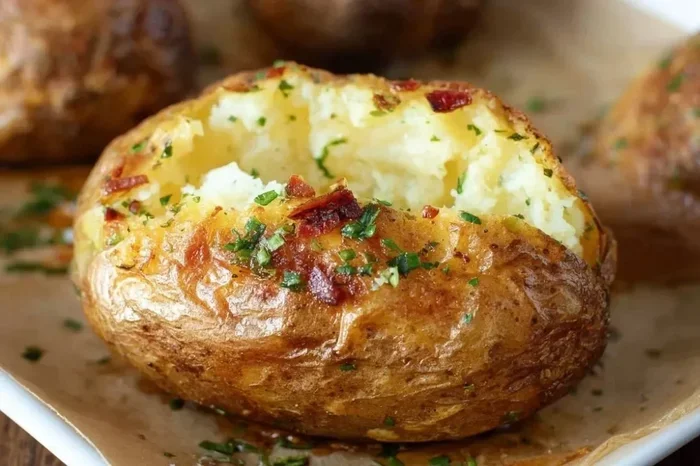
There is something magical about how to cook potatoes in the oven without aluminum foil. The result is a potato with a shatteringly crisp skin and a fluffy, cloud-like interior that foil simply cannot deliver. If you have been relying on foil packets, you are missing out on deeper flavor and better texture.
This guide walks you through every step of the no-foil method. You will learn which potatoes work best, how to prep them, the ideal oven temperature, and simple tricks to avoid common pitfalls. Whether you are making classic baked potatoes, crispy potato wedges, or seasoned roast potatoes, this method has you covered.
The best part? You need zero special equipment. A basic baking dish, a sheet pan, or even a simple plate will do the job. I will show you exactly how to use each one safely and effectively.
Key Takeaways
- Crispy, foil-free skin: Skipping foil lets steam escape, creating perfectly crunchy potato skins.
- Faster, even cooking: Potatoes bake more evenly without foil, often reducing overall time.
- Deeper flavor: Seasonings penetrate deeper and caramelize beautifully on exposed surfaces.
- Simple prep: Just cut, season, and place on a baking sheet or oven-safe dish.
- No foil needed: Use parchment paper or a well-seasoned baking dish instead.
- Perfect every time: Follow the temperature and timing guide for fluffy centers and golden edges.
📑 Table of Contents
- Why Skip the Aluminum Foil?
- Choosing the Best Potatoes for Oven Baking
- Prep Work: Cutting, Seasoning, and Prep
- Oven Temperature and Timing for Foil-Free Potatoes
- Step-by-Step No-Foil Baking Method
- Troubleshooting: Potatoes Too Hard, Too Soft, or Soggy
- Pro Tips for Crispy, Flawless Potatoes
- Conclusion
Why Skip the Aluminum Foil?
Many cooks reach for foil because it feels easier. It traps moisture and speeds up cooking. But that trapped steam is exactly what makes potato skins soggy. When you bake potatoes without foil, the hot air circulates freely around every surface. This creates a dry, crispy exterior while the inside stays perfectly fluffy.
The Foil-Free Advantage
- Crispier skin: Exposed potatoes develop a golden, crunchy crust that foil cannot match.
- Better caramelization: Natural sugars in the potato brown more evenly without a moisture barrier.
- Faster cook time: Without the foil barrier, heat penetrates directly, often cutting baking time by 10–15 minutes.
- Simpler cleanup: No foil to crumple or replace. Just wash your baking dish.
- More flavor: Seasonings stick to the surface and toast in the dry heat.
Foil vs. No Foil Comparison
| Factor | With Foil | Without Foil |
|---|---|---|
| Skin Texture | Soft, steamed, pale | Crispy, golden, crunchy |
| Interior | Moist but can be gummy | Fluffy, light, airy |
| Cook Time | Slightly faster | Slightly longer but even |
| Seasoning Adherence | Washes off with steam | Sticks and caramelizes |
| Cleanup | Discard foil | Wash one dish |
If you are curious about exact timing, our article on how long potatoes take to cook in the oven covers detailed timing for every potato size.
Choosing the Best Potatoes for Oven Baking
Not all potatoes are created equal when it comes to oven baking. The starch content and skin thickness matter a lot. You want a potato that crisps up on the outside while staying soft and fluffy inside.
Russet Potatoes: The Classic Choice
Russet potatoes are the go-to for a reason. They have a high starch content and thick, rough skin. When baked without foil, the skin puffs up and turns incredibly crispy. The inside becomes light and mealy, perfect for mashing or loading with toppings.
Yukon Gold Potatoes: Creamy and Buttery
Yukon Golds have a buttery, creamy texture and thinner golden skin. They hold their shape well and develop a beautiful crust. These are excellent for potato wedges and roast potato medleys. Their natural buttery flavor needs less seasoning.
Baby Potatoes: Bite-Sized Convenience
Baby potatoes, whether red or yellow, are perfect for no-foil roasting. Their small size means they cook quickly and evenly. Toss them in olive oil, salt, and rosemary, and you have an effortless side dish. The skins are tender and delicious, so you do not even need to peel them.
No matter which type you choose, always look for firm potatoes with no green spots or sprouts. Those indicate solanine, which can taste bitter and cause stomach upset.
Prep Work: Cutting, Seasoning, and Prep
Proper prep is the secret to perfect oven potatoes. A little extra effort here makes a huge difference in the final texture and flavor. The no-foil method relies on direct contact with hot air, so every cut and seasoning layer matters.
How to Cut Potatoes for Even Baking
Cutting potatoes into uniform pieces ensures they cook at the same rate. For wedges, cut the potato into 8–10 even wedges. For roast potatoes, cube them into 1-inch pieces. For whole baked potatoes, simply scrub and dry them thoroughly.
- Whole potatoes: Scrub clean, dry well, and poke several holes with a fork.
- Wedges: Cut lengthwise, then cut each half into 3–4 wedges.
- Cubes: Cut into even chunks for roasting and seasoning.
Pat the cut pieces dry with a clean towel. Surface moisture is the enemy of crispiness. The drier the outside, the crispier the result.
Seasoning Ideas for Maximum Flavor
Without foil, your seasonings toast directly on the potato surface. This is a huge flavor advantage. Use a light coating of olive oil or melted butter to help the seasonings stick. Then go bold with salt, pepper, garlic powder, smoked paprika, and fresh herbs like rosemary or thyme.
For a more indulgent treat, toss your potato pieces with a little minced garlic and a drizzle of olive oil. The garlic will toast to a golden brown and infuse every bite. If you love cheesy potatoes, add a light sprinkle of Parmesan in the last 10 minutes of baking.
Oven Temperature and Timing for Foil-Free Potatoes
The right temperature is critical when you cook potatoes in the oven without aluminum foil. Too low and they steam instead of roast. Too high and the outside burns before the inside cooks through. The sweet spot is between 400°F and 425°F (200°C to 220°C).
At this temperature, the potato caramelizes quickly on the outside while the interior steams gently in its own skin. This is the key to that perfect fluffy center with crispy edges. If you want to know the exact timing for different sizes, check out our detailed guide on how long potatoes take to cook in the oven.
| Potato Type | Size | Temperature | Time |
|---|---|---|---|
| Russet (whole) | Large | 425°F (220°C) | 45–60 minutes |
| Wedges | 1-inch thick | 425°F (220°C) | 30–35 minutes |
| Baby potatoes | 1–2 inches | 400°F (200°C) | 25–30 minutes |
| Cubed roast potatoes | 1-inch cubes | 425°F (220°C) | 30–40 minutes |
Always preheat your oven. A hot oven from the start sets the crust immediately. If you are using a baking dish or plate, make sure it is oven-safe. You can learn more about using plates in the oven in our article can I put a plate in the oven.
Step-by-Step No-Foil Baking Method
Now that you have your potatoes prepped and the oven heated, it is time to bake. The no-foil method is simple, but a few small details make all the difference.
The Simple Baking Dish Method
Place your cut potatoes in a single layer in an oven-safe baking dish. Do not crowd them. Overcrowding traps steam and creates soggy potatoes. Leave space between each piece so hot air can flow freely. A shallow baking dish or a rimmed sheet pan works perfectly.
Drizzle with olive oil and toss gently to coat every piece. Spread your chosen seasonings evenly. Then slide the dish into the preheated oven on the middle rack. Resist the urge to open the door too often. Every peek lets out heat and can slow down the crisping process.
Using Parchment Paper for Easy Cleanup
If you worry about sticking or cleanup, line your baking sheet with parchment paper. This creates a non-stick surface without the moisture-trapping effect of foil. Many people wonder if parchment paper is safe in the oven. Our guide on is parchment paper toaster oven safe confirms that parchment is completely safe for regular oven baking up to 425°F.
Simply lay the parchment on your sheet pan, spread the potatoes in a single layer, and bake as directed. The parchment also makes it easy to toss the potatoes halfway through without disturbing the seasoning.
The Flip Trick for Extra Crispiness
About halfway through the baking time, open the oven and carefully flip each piece. This exposes all sides to direct heat and promotes even browning. Use a spatula to avoid breaking the pieces. You will notice the edges turning golden brown and the aroma filling your kitchen.
Troubleshooting: Potatoes Too Hard, Too Soft, or Soggy
Even with the best method, things can go wrong. Knowing how to fix common problems saves your potatoes from ending up in the trash.
Common Mistakes to Avoid
- Skipping the dry step: Wet potatoes steam instead of roast. Always pat them dry after washing or cutting.
- Overcrowding the pan: Too many pieces in a small space traps steam and creates soft, pale potatoes.
- Using a cold pan: Starting with a cold baking dish slows down the initial sear and can lead to uneven cooking.
- Not enough oil: Oil conducts heat to the surface. Too little means pale, dry skin.
- Opening the oven too often: Temperature drops prevent proper crisping.
Expert Fixes for Perfect Texture
If your potatoes are coming out too hard, they likely need more time or a higher temperature. If they are too soft, you may have overcrowded the pan or used a deep dish that trapped steam. For soggy potatoes, try spreading them on a wire rack set over a baking sheet. This allows air to circulate underneath and draws out excess moisture.
If you accidentally over-salted, toss the potatoes with a tiny bit of lemon juice or vinegar. The acid cuts through the salt and adds brightness. A splash of apple cider vinegar works wonders for over-seasoned roast potatoes.
Pro Tips for Crispy, Flawless Potatoes
These expert tips take your foil-free potatoes from good to outstanding. Try them the next time you bake potatoes in the oven without aluminum foil.
Quick Tips from the Test Kitchen
- Soak cut potatoes in cold water for 30 minutes to remove excess starch. This leads to crispier edges. Dry them thoroughly before seasoning.
- Add a pinch of cornstarch to your seasoning mix. It creates an extra-crispy shell without any added fat.
- Use a wire rack set inside a baking sheet for even airflow on all sides.
- Finish with a hot broil for the last 2–3 minutes. Watch closely to prevent burning.
- Rest the potatoes for 5 minutes after baking. This lets the steam redistribute, keeping the interior fluffy.
Pairing Your Potatoes with Other Dishes
Foil-free oven potatoes pair beautifully with almost any protein. Serve crispy potato wedges alongside grilled Omaha steak burgers for a complete weeknight meal. For a more elegant dinner, pair roasted baby potatoes with a filet mignon, following the oven-baking technique from our guide on how to cook Omaha steaks filet mignon in oven. The potatoes will soak up the juices and complement the steak perfectly.
If you are planning a cheese-themed side, you can even bake a small wheel of brie in the oven alongside your potatoes. Just remember that different foods require different times, so plan your oven schedule accordingly.
Conclusion
Learning how to cook potatoes in the oven without aluminum foil is a simple game-changer. You get crispier skin, fluffier interiors, and deeper flavor with less effort. The method works for whole potatoes, wedges, cubes, and baby potatoes alike. All you need is a hot oven, a little oil, and your favorite seasonings.
Skip the foil, embrace the dry heat, and enjoy potatoes that taste like they came from a restaurant kitchen. With the tips and timing guide in this article, you will never go back to soggy, steamed potatoes again. Try the no-foil method at your next dinner and taste the difference for yourself.
Frequently Asked Questions
Can I use any type of potato for this method?
Yes, but russet and Yukon Gold potatoes give the best results. Russets become fluffy inside with crispy skin, while Yukon Golds stay creamy and buttery. Baby potatoes are also excellent and cook quickly.
Do I need to poke holes in potatoes before baking?
Yes, especially for whole potatoes. Poking holes with a fork allows steam to escape. This prevents the potato from bursting and helps the skin crisp up evenly without foil.
What temperature is best for baking potatoes without foil?
400°F to 425°F (200°C to 220°C) is the ideal range. This high heat creates a crispy crust while cooking the interior through. Lower temperatures can make the skin soft and pale.
How long does it take to bake potatoes without foil?
Whole russet potatoes take 45–60 minutes at 425°F. Wedges and cubes take 30–40 minutes. Baby potatoes take 25–30 minutes. Exact times vary with size and oven accuracy.
Can I use parchment paper instead of foil?
Absolutely. Parchment paper is safe for oven use up to 425°F and prevents sticking without trapping steam. It is a great alternative to foil for easier cleanup and crispier results.
Can I add foil for the last few minutes to speed things up?
It is not recommended. Covering with foil at the end traps steam and softens the crispy skin you worked to create. Instead, finish with a broil for 2–3 minutes if you want extra browning without moisture.