How To Heat Up Naan In Oven For Best Results Every Time
Heating up naan in the oven is the easiest and most effective way to bring back its soft, warm texture. Whether you have store-bought naan, leftover homemade naan, or frozen naan, a hot oven transforms it into fresh-tasting flatbread in minutes. This guide covers the best oven temperature, timing, and pro tips for warm naan that tastes just like it came out of a tandoori oven.
There is nothing quite like a warm, soft piece of naan bread fresh out of the oven. The gentle heat, the slightly puffed edges, and that buttery aroma make it hard to believe it was ever leftover. But here is the thing — how you reheat your naan makes all the difference between bread that tastes amazing and bread that feels like a stale cracker.
If you have ever tossed leftover naan bread in the microwave and ended up with something rubbery and disappointing, you are not alone. The microwave is the enemy of good flatbread. But the oven? The oven is your best friend. Heating up naan in oven is a simple process that brings back the soft, pillowy texture and the slightly charred edges that make naan so irresistible. In this guide, I will walk you through everything you need to know, from the right oven temperature to the best kitchen tips for perfect results every single time.
Whether you are dealing with store-bought naan, homemade naan, or even frozen naan, this guide has you covered. I will share step-by-step instructions, common mistakes to avoid, and expert tricks that will level up your bread warming game. By the end, you will never think about microwaving your naan again.
Key Takeaways
- Use 375°F to 400°F oven temperature: This range heats naan evenly without drying it out or burning it.
- Brush with butter or ghee: A light coating keeps the naan soft and adds rich flavor during reheating.
- Heat for 3 to 5 minutes: This is the sweet spot for warm naan that is soft on the inside and slightly crispy on the edges.
- Wrap naan in foil or a damp cloth: This simple kitchen tip traps moisture and prevents the bread from becoming hard.
- Avoid the microwave: Microwaving makes naan rubbery and tough, while the oven restores its original texture.
- Work in batches: Reheating too many pieces at once blocks airflow and leads to uneven heating.
- Add toppings after heating: Garlic butter, herbs, or cheese taste best when added to warm naan right out of the oven.
📑 Table of Contents
- Why Heating Naan In Oven Makes A Difference
- The Best Oven Temperature For Naan
- Step-By-Step Guide: How To Heat Up Naan In Oven
- Tips For Different Types Of Naan
- Common Mistakes To Avoid When Heating Naan
- Expert Tips For Perfectly Warmed Naan Every Time
- How Naan Compares: Oven vs. Other Methods
- Frequently Asked Questions
- Conclusion
Why Heating Naan In Oven Makes A Difference
You might be wondering why the oven is so much better than other methods for naan bread reheating. The answer comes down to heat distribution and moisture control. Let me break it down for you.
Even Heat Distribution
An oven surrounds the naan with hot air on all sides. This means the bread heats up evenly from edge to center. When you heat naan in oven, the heat penetrates the dough gently and restores the soft, airy texture inside while lightly crisping the outside.
Compare this to a pan on the stove, which only heats one side at a time, or a microwave, which heats unevenly and strips away moisture. The oven gives you consistent, reliable results every time.
Moisture Retention
One of the biggest problems with reheating bread is that it dries out. The oven, especially when you use a simple trick like wrapping the naan in foil or a damp cloth, keeps the moisture locked inside. The result is warm naan that feels almost as good as the day you made it or bought it.
Texture Restoration
Freshly baked naan has a specific texture — soft and pliable on the inside, with a slightly crispy exterior. The oven replicates this texture better than any other method. The dry heat of the oven-baked naan warms the dough slowly, allowing the starches to relax and the gluten to stay soft.
The Best Oven Temperature For Naan
Getting the oven temperature right is the single most important factor in how to heat up naan in oven successfully. Too hot, and the outside burns before the inside warms up. Too cool, and the naan dries out without getting that lovely warmth and puff.
Recommended Temperature Range
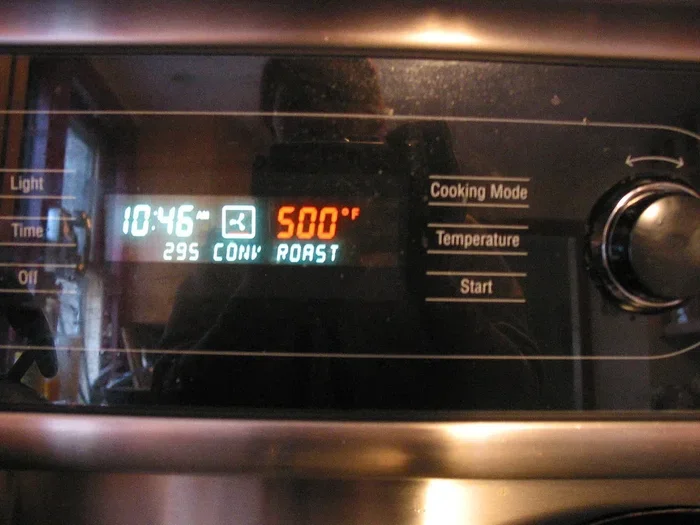
The ideal oven temperature for reheating naan is between 375°F and 400°F (190°C to 200°C). This range is hot enough to warm the bread quickly but not so hot that it dries out or burns.
Here is a quick breakdown:
- 375°F (190°C): Best for store-bought naan and frozen naan. Gentle heat prevents overcooking.
- 400°F (200°C): Great for homemade naan and thicker naan varieties. This temperature gives a slight crispiness.
- 350°F (175°C): A safe option for very thin naan or if you are worried about burning.
Why Not Higher Temperatures?
You might be tempted to crank the oven up to 450°F or higher, thinking it will warm the naan faster. But high temperatures cause the outside of the bread to brown and harden before the inside has a chance to warm through. The result is crispy naan on the outside and cold or tough bread on the inside. Stick to the 375°F to 400°F range for the best outcome.
Preheating Matters
Always preheat your oven before putting the naan in. A preheated oven ensures the bread starts warming immediately. If you put cold naan into a cold oven, it will steam instead of warm, and you will end up with soggy, unevenly heated bread. Give your oven about 10 to 15 minutes to reach the right temperature before you slide the naan in.
Step-By-Step Guide: How To Heat Up Naan In Oven
Now that you know the right temperature, let me walk you through the exact process. This method works for every type of naan — whether it is plain, butter naan, garlic naan, or stuffed naan.
Step 1: Preheat Your Oven
Set your oven to 375°F (190°C). Let it fully preheat before you do anything else. This usually takes about 10 to 15 minutes. While the oven is warming up, you can prepare your naan.
Step 2: Prepare the Naan
Take your leftover naan bread and lay it flat on a clean surface. If the naan is stuck together, gently separate the pieces. For frozen naan, let it thaw for a few minutes at room temperature before reheating. This prevents ice crystals from turning the bread soggy.
If you want extra flavor, lightly brush both sides of the naan with melted butter, ghee, or olive oil. This is a simple kitchen tip that makes a huge difference in taste and texture.
Step 3: Wrap or Place on a Sheet
You have two great options here:
- Option A — Foil Wrap: Wrap each piece of naan loosely in aluminum foil. This traps moisture and keeps the bread soft.
- Option B — Baking Sheet: Place the naan directly on an unlined baking sheet. This gives you a slightly crispier result.
For the softest result, go with the foil method. For a bit more texture, use the baking sheet.
Step 4: Heat for 3 to 5 Minutes
Place the naan in the preheated oven on the middle rack. Heat for 3 to 5 minutes. For frozen naan, add an extra minute or two. Check at the 3-minute mark — you want the naan to be warm to the touch and slightly puffed.
Do not leave the naan in the oven for too long. Overheating turns soft flatbread heating into dry, tough bread. Set a timer if you need to.
Step 5: Serve Immediately
Remove the naan from the oven and serve it right away. Warm naan tastes best when it is fresh out of the oven. If you need to hold it for a few minutes, wrap it in a clean kitchen towel to keep the heat and moisture in.
Quick Tips for Perfect Results
- Do not stack naan pieces: Place them in a single layer with space between each piece. This allows hot air to circulate evenly.
- Use a pizza stone: If you have one, placing it in the oven while preheating gives the naan a bottom crunch similar to a tandoor.
- Add toppings after heating: If you are making garlic naan or butter naan, add the garlic butter or herbs after the naan comes out of the oven. This prevents burning and keeps the flavor fresh.
- Rotate halfway through: For even heating, turn the naan over halfway through the cooking time.
Tips For Different Types Of Naan
Not all naan is the same, and different varieties need slightly different approaches. Here is how to handle the most common types when you are heating naan in oven.
Plain Naan
Plain naan bread is the most forgiving when it comes to reheating. Follow the basic method — 375°F for 3 to 5 minutes — and you will get great results. Plain naan can go either way: wrapped in foil for softness or placed directly on a sheet for a light crisp.
Butter Naan
Butter naan already has richness baked in, so you want to be gentle with the heat. Use the lower end of the temperature range (375°F) and heat for 3 to 4 minutes. A light brush of butter before reheating adds extra richness and helps keep the bread tender.
Garlic Naan
For garlic naan, I recommend reheating the plain naan first and then adding the garlic butter after it comes out of the oven. This way, the garlic flavor stays fresh and aromatic rather than turning bitter from the heat.
Frozen Naan
Frozen naan is a common pantry staple, and it reheats beautifully in the oven. The key is to let it thaw slightly before heating. Place the frozen naan on a baking sheet, brush lightly with oil or butter, and heat at 375°F for 5 to 7 minutes. The slight thawing prevents the outside from drying out while the inside warms through.
Stuffed Naan (如 Peshawari or Keema Naan)
Stuffed naan needs extra care because the filling can leak or burn if the heat is too high. Use 350°F and heat for 4 to 5 minutes. Wrapping in foil is especially important here, as it keeps the filling contained and the dough soft.
Common Mistakes To Avoid When Heating Naan
Even though heating up naan in oven is straightforward, there are a few mistakes that can ruin the result. Let me save you from these common kitchen tips pitfalls.
Using the Microwave Instead
This is the number one mistake people make with reheating bread. The microwave uses radiation that excites water molecules, which quickly turns soft naan into a rubbery, chewy mess. The oven, by contrast, uses dry heat that restores the bread’s original texture. Always choose the oven over the microwave for naan.
Skipping the Preheat
Putting cold naan into a cold oven means the bread steams instead of warming. You end up with unevenly heated bread that is soggy in some spots and cold in others. Always preheat your oven and give it a full 10 to 15 minutes to reach the target oven temperature.
Overcrowding the Baking Sheet
It is tempting to fit as many pieces of naan on the sheet as possible, but this blocks airflow and leads to uneven heating. The naan pieces will steam against each other instead of warming properly. Keep them in a single layer with space between each piece.
Overheating
Leaving naan in the oven for too long is a fast track to dry, stiff bread. Set a timer and check the naan at the 3-minute mark. You want it warm and slightly puffed, not toasted or browned. Remember, you are not cooking the naan — you are gently bread warming it.
Forgetting to Add Fat
Reheating naan without any fat — whether butter, ghee, or oil — can result in dry, stiff bread. A light coating of fat before heating keeps the dough moist and adds flavor. This is one of the simplest yet most effective kitchen tips for perfect warm naan.
Expert Tips For Perfectly Warmed Naan Every Time
Here are some advanced kitchen tips from experienced cooks and bakers that will take your oven-baked naan to the next level.
The Steam Trick
If you want absolutely soft naan bread, try this pro trick. Place a small oven-safe dish of water on the rack below the naan while it heats. The steam in the oven keeps the bread from drying out and mimics the humid environment of a tandoor. This works especially well for homemade naan that tends to dry out faster than store-bought varieties.
The Parchment Paper Method
Line your baking sheet with parchment paper before placing the naan on it. This prevents sticking and makes cleanup a breeze. It also promotes even browning on the bottom of the naan, giving you that lovely tandoori-style texture.
Use a Wire Rack
For the crispiest result, place the naan on a wire rack set over a baking sheet. Hot air circulates around the entire piece of bread, giving you even flatbread heating with a crispy bottom and soft interior.
Pair It With the Right Dipping Sauce
Warm naan pairs beautifully with a variety of sauces and dips. Try it with mint chutney, tamarind sauce, raita, or a simple garlic yogurt dip. The warm bread absorbs the flavors beautifully and elevates the entire eating experience.
Batch Reheating for entertaining
If you are hosting a dinner party and need to reheat multiple naan, work in batches of 3 to 4 pieces at a time. This ensures each piece gets direct exposure to the hot air and heats evenly. Keep the warmed naan wrapped in a clean kitchen towel inside a low oven (200°F) until ready to serve.
Reviving Day-Old Naan
Even naan that has been sitting in the fridge overnight can be revived with the oven method. The gentle heat reactivates the starches in the dough and brings back much of the original softness. Just add a little extra butter or brush with water before reheating to combat the extra drying that overnight storage causes.
How Naan Compares: Oven vs. Other Methods
Wondering how the oven method stacks up against other popular ways to reheat naan? Here is a quick comparison.
| Method | Texture | Time | Best For |
|---|---|---|---|
| Oven | Soft inside, slightly crispy outside | 3–5 minutes | All types of naan |
| Stovetop Pan | Crispy on one side, soft on the other | 1–2 minutes per side | Quick single-serve reheating |
| Microwave | Rubbery, tough, uneven | 20–30 seconds | Not recommended |
| Toaster Oven | Similar to full oven, slightly crispier | 3–4 minutes | Small batches |
| Skillet with Lid | Soft with light steam | 2–3 minutes | Quick stovetop alternative |
As you can see, the oven delivers the most balanced and consistent results. It is the best method for naan bread reheating when you want soft, warm, and delicious bread that closely resembles freshly baked naan.
Frequently Asked Questions
Can you reheat naan in the oven?
Absolutely. The oven is the best method for how to heat up naan in oven because it provides even, gentle heat that restores the bread’s soft texture. Preheat to 375°F, wrap the naan in foil, and heat for 3 to 5 minutes for perfect results.
What is the best oven temperature for naan?
The ideal oven temperature for reheating naan is between 375°F and 400°F (190°C to 200°C). This range warms the bread evenly without drying it out or burning the edges. For thicker or stuffed naan, stick to 375°F for gentler heating.
How long should you heat naan in the oven?
Heat naan for 3 to 5 minutes at 375°F to 400°F. For frozen naan, add an extra minute or two. Check the naan at the 3-minute mark — you want it warm and slightly puffed, not dried out or browned.
Can you heat frozen naan in the oven?
Yes, you can heat frozen naan directly in the oven. Let it thaw for a few minutes at room temperature first, then brush with butter or oil and heat at 375°F for 5 to 7 minutes. This method works well for store-bought naan that you have stored in the freezer.
Is it better to heat naan in the oven or on the stove?
The oven provides more even heating and better moisture retention than the stovetop. A pan on the stove heats only one side at a time, which can leave the other side cold. The oven surrounds the naan with hot air for consistent bread warming results.
How do you keep naan soft after reheating?
Wrap the naan in aluminum foil or a damp cloth before placing it in the oven. The foil traps moisture and prevents the bread from drying out. You can also brush the naan with butter or ghee before reheating for extra softness and flavor.
Conclusion
Heating up naan in oven is one of the simplest and most rewarding kitchen tips you can learn. It takes just a few minutes, requires no special equipment, and delivers results that are far superior to microwaving or just eating cold naan. Whether you are reheating leftover homemade naan, bringing store-bought naan back to life, or warming up frozen naan for a quick weeknight meal, the oven method never disappoints.
Remember the key points: preheat your oven to 375°F to 400°F, wrap or lightly grease the naan, heat for 3 to 5 minutes, and serve immediately. These small steps make a massive difference in the texture and flavor of your warm naan.
The next time you have leftover naan bread, resist the urge to reach for the microwave. Instead, take a few minutes to reheat it properly in the oven. Your taste buds will thank you. Warm, soft, and perfectly puffed naan is just a hot oven away, and once you try this method, you will never go back to the old ways of reheating bread again.