How To Warm Steak In Oven For Juicy Tender Results
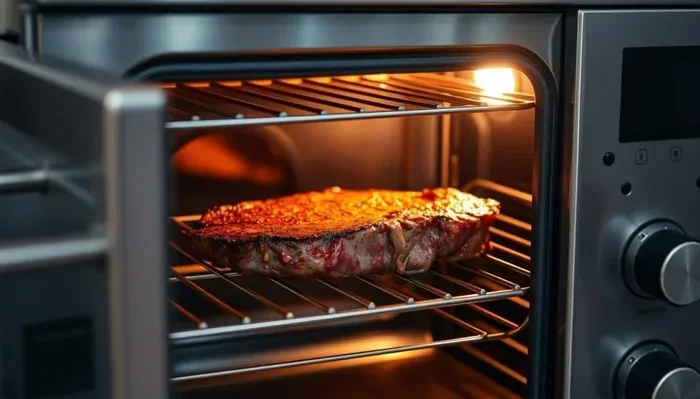
Warming steak in the oven is the best way to keep it juicy, tender, and full of flavor. Whether you are reheating leftover steak or bringing a thick cut to room temperature before cooking, the oven method gives you control and consistent results. This guide covers everything from the right oven temperature to wrapping techniques that lock in moisture and prevent dry, tough meat.
There is nothing worse than reheating a great steak and ending up with a dry, tough piece of meat that nobody wants to eat. You spent good money on quality beef, cooked it perfectly the first time, and now you want to enjoy it again. The oven is hands down the best tool for warming steak without ruining it. But doing it right matters more than most people realize.
Many folks just throw a steak in the microwave and call it done. That leads to rubbery edges, cold centers, and a sad eating experience. The oven method takes a little more patience, but the results are completely worth it. In this guide, you will learn exactly how to warm steak in oven for juicy tender results every single time.
Warming steak in the oven works because it applies gentle, even heat from all directions. Unlike a microwave that zaps one spot intensely, the oven surrounds the meat with consistent warmth. This slow process lets the muscle fibers relax instead of tightening up and squeezing out all the juices. The result is a steak that tastes almost as good as the day you first cooked it.
The key to success lies in three things: temperature control, proper wrapping, and timing. Get those three elements right and you will never waste a leftover steak again. Let us walk through everything you need to know step by step.
Key Takeaways
- Low and slow is the way to go: Warming steak at 250°F preserves moisture and keeps the texture tender.
- Always use foil or a lid: Trapping steam with aluminum foil prevents the steak from drying out during reheating.
- Internal temperature matters: Aim for 110-130°F depending on your preference, and use a meat thermometer for accuracy.
- Resting time is essential: Letting the steak rest after warming allows juices to redistribute for a better bite.
- Avoid high heat: Cranking the oven too hot will toughen the steak and ruin its tenderness.
- Cast iron adds a sear: Finish your warmed steak on a hot cast iron skillet for a beautiful crust.
- Timing varies by thickness: Thin steaks warm in 10-15 minutes while thick cuts may need 20-30 minutes.
📑 Table of Contents
- Why Warming Steak In Oven Beats Every Other Method
- Best Oven Temperature For Warming Steak
- Step By Step Guide To Warming Steak In Oven
- How Long To Warm Steak In Oven Based On Thickness
- Common Mistakes People Make When Reheating Steak
- Pro Tips For The Best Oven-Warmed Steak
- How To Tell When Your Steak Is Perfectly Warmed
- Warming Different Types Of Steak In The Oven
- Key Takeaways
- Conclusion
Why Warming Steak In Oven Beats Every Other Method
You have options when it comes to reheating steak. The microwave, the skillet, the grill, and the oven all have their place. But for warming steak evenly and keeping it moist, the oven stands above the rest. Here is why this method works so well.
Even Heat Distribution
The oven wraps your steak in consistent warmth from every angle. There are no hot spots or cold zones. The heat penetrates slowly and uniformly, which keeps the meat fibers from seizing up. When meat fibers tighten too fast, they push out moisture. That is exactly what makes reheated steak feel dry and chewy.
Better Moisture Retention
When you cover your steak with foil before placing it in the oven, you trap steam around the meat. This creates a small humid environment that keeps the surface from drying out. The foil acts like a gentle blanket that holds in the natural juices. Compare this to a microwave, which has no such mechanism and zaps moisture right out of the meat.
More Control Over Doneness
Oven warming gives you precise control. You can set the temperature, check the internal heat with a thermometer, and pull the steak the moment it reaches your target. This level of control simply does not exist with other reheating methods. You decide exactly how warm you want the steak, and the oven lets you hit that mark every time.
Best Oven Temperature For Warming Steak
Temperature is the single most important factor when you warm steak in oven. Too hot and you will cook the steak further, drying it out. Too low and you will be waiting forever with no results. The sweet spot is somewhere in the low range that warms the meat gently without cooking it more.
The 250°F Sweet Spot
Most experts agree that 250°F is the ideal oven temperature for warming steak. At this heat, the meat warms slowly and evenly from edge to center. The low temperature prevents the proteins from tightening aggressively, which means the juices stay locked inside. You get a steak that feels warm throughout without any overcooked edges.
For thicker cuts, you can drop the temperature even lower to 225°F. This gives you more time and even gentler warming. Thinner steaks might need a slightly higher temp around 275°F to warm through in a reasonable timeframe. The general rule is simple: lower temperature for thicker steak, slightly higher for thinner slices.
What Happens If The Temperature Is Too High
If you set your oven too high, say 350°F or above, the outside of the steak will start cooking again before the inside warms up. This creates a gray, overcooked outer layer while the center remains cool. The proteins in the outer layer contract and squeeze out water, leaving you with a dry ring around the steak. That is the exact opposite of what you want when reheating.
Step By Step Guide To Warming Steak In Oven
Now that you understand the why, let us get into the how. Follow these steps carefully and you will achieve warm, juicy, tender steak every single time. This process works for ribeye, sirloin, filet mignon, strip steak, and pretty much any cut you have leftover.
Step One: Remove Steak From The Fridge
Take your steak out of the refrigerator about 15 to 20 minutes before warming it. This small step helps the steak start closer to room temperature. When cold meat goes straight into a warm oven, it takes longer to heat through evenly. A little bit of time at room temperature makes the whole process more efficient and produces better results.
Step Two: Wrap The Steak Properly
Wrap your steak tightly in aluminum foil. The foil creates that humid environment we talked about earlier. Make sure the wrap is snug but not so tight that you squeeze the meat. You want the foil to trap steam without compressing the steak. For extra moisture, you can place a small pat of butter on top of the steak before wrapping. The butter melts and bastes the meat as it warms.
Step Three: Place On An Oven-Safe Rack
Set the wrapped steak on an oven-safe wire rack placed over a baking sheet. The rack allows air to circulate around the steak, which helps it warm more evenly. If you place the steak directly on a baking sheet, the bottom can get soggy from trapped moisture. A rack solves this problem easily and keeps the steak texture consistent all around.
Step Four: Warm In The Oven
Place the rack with the steak in the preheated oven. For a standard one-inch thick steak at 250°F, plan for about 15 to 20 minutes. Thicker cuts like 1.5 inches might need 25 to 30 minutes. Very thick steaks over two inches could take 35 to 40 minutes. The best way to know when it is done is to use a meat thermometer.
Step Five: Check The Internal Temperature
Poke a meat thermometer through the foil into the thickest part of the steak. You want the internal temperature to reach between 110°F and 130°F depending on how warm you like it. 110°F gives you a barely warm steak perfect for rare lovers. 130°F gives you a nicely warm steak that feels heated through without cooking further. Pull the steak out as soon as it hits your target temp.
Step Six: Let It Rest
Remove the steak from the oven and let it rest for 3 to 5 minutes while still wrapped in foil. This resting period allows the juices to redistribute throughout the meat. If you cut into it immediately, the juices will run out and the steak will taste drier than it should. Patience here pays off big time.
How Long To Warm Steak In Oven Based On Thickness
Timing varies quite a bit depending on how thick your steak is. Here is a practical breakdown to help you plan your reheating time accurately.
| Steak Thickness | Oven Temperature | Warming Time | Target Internal Temp |
|---|---|---|---|
| Under 1 inch | 250°F | 10-15 minutes | 110-120°F |
| 1 inch | 250°F | 15-20 minutes | 115-125°F |
| 1.5 inches | 250°F | 20-25 minutes | 115-130°F |
| 2 inches or more | 225-250°F | 25-35 minutes | 120-130°F |
These times are starting points. Always use a meat thermometer because ovens vary. Your actual time may be slightly different based on your specific oven, the starting temperature of the steak, and how well wrapped it is. Trust the thermometer more than the clock.
Common Mistakes People Make When Reheating Steak
There are several mistakes that turn a good leftover steak into a disappointing meal. Learning what not to do is just as important as knowing the right method. Here are the most common errors and how to avoid them.
Using The Microwave
The microwave is the biggest enemy of leftover steak. It heats unevenly, creates rubbery textures, and squeezes out moisture at the molecular level. If you care about the quality of your steak, stay away from the microwave entirely. The oven might take a bit longer, but it preserves the texture and flavor you worked hard to create the first time around.
Skipping The Foil Wrap
Some people toss the steak directly onto a baking pan without any cover. This lets steam escape and dries out the surface. The foil wrap is not optional if you want juicy results. It traps enough moisture to keep the steak from forming a dry crust while it warms through.
Setting The Oven Too Hot
It is tempting to crank up the heat to save time. Resist that urge. High heat cooks the outer layers of the steak while the inside is still catching up. You end up with a well-done exterior and a lukewarm center. The low and slow approach at 250°F is the only way to go for even warming.
Forgetting To Use A Thermometer
Guessing when the steak is warm enough leads to inconsistent results. Sometimes you pull it too early and it is still cold in the middle. Other times you leave it too long and it overcooks. A simple instant-read thermometer takes the guesswork out completely and gives you perfect results every time.
Not Letting The Steak Rest After Warming
Skipping the rest period is a small mistake with big consequences. The juices in the steak need time to settle and redistribute. Cut into it right away and you lose a significant amount of flavor and moisture. Five minutes of patience makes a noticeable difference in the final eating experience.
Pro Tips For The Best Oven-Warmed Steak
Here are some expert-level tips that take your reheated steak from good to outstanding. These small adjustments make a big difference in flavor, texture, and overall enjoyment.
Add A Splash Of Beef Broth
Before wrapping the steak in foil, add a tablespoon or two of beef broth to the pan. As the steak warms, the broth creates extra steam that keeps the meat incredibly moist. This trick is especially helpful for leaner cuts like sirloin or flank steak that tend to dry out more easily during reheating.
Finish With A Hot Cast Iron Sear
For the best results, warm the steak in the oven first and then give it a quick 30 to 60 second sear on each side in a smoking hot cast iron skillet. This adds a beautiful crust and a hint of char that makes the steak taste freshly cooked. The sear is purely cosmetic and flavor-enhancing, not about cooking the steak through.
Season After Warming
Salt draws moisture out of meat through osmosis. If you salt the steak before reheating it, you might end up with a slightly drier surface. Instead, warm the steak first and then season it lightly with flaky salt right after it comes out of the oven. This way the salt enhances the flavor without pulling out precious juices.
Use A Steak Warming Tray For Serving
If you are serving multiple steaks, a warming tray keeps them at the perfect temperature while everyone sits down to eat. A warming tray set to low holds the steak at a safe serving temperature without continuing to cook it. This is especially useful for dinner parties or family gatherings where timing is tight.
Store Leftover Steak Properly
How you store the steak before reheating affects the final result significantly. Wrap it tightly in plastic wrap and then place it in an airtight container in the fridge. Proper storage prevents the steak from absorbing fridge odors and losing moisture. When stored correctly, leftover steak stays juicy and flavorful for up to three days in the refrigerator.
How To Tell When Your Steak Is Perfectly Warmed
Knowing when your steak is ready takes a bit of practice, but there are clear signs to look for. The goal is a steak that feels uniformly warm from edge to center without any cold spots or overcooked areas.
The most reliable method is using a meat thermometer. Insert it into the thickest part of the steak and check for 110°F to 130°F depending on your preference. The steak should feel warm to the touch but not hot. If you press the center with your finger, it should give slightly but not feel cold or room temperature.
Another sign of a perfectly warmed steak is the color. The meat should look the same red or pink shade it had when you first cooked it. If the color has turned gray or brown, the steak has been overheated and likely dried out. A vibrant color indicates gentle warming that preserved the steak’s natural qualities.
The aroma is also a helpful indicator. A properly warmed steak smells rich and beefy. If it smells dry or slightly burnt, something went wrong with the process. Trust your senses alongside the thermometer for the best results.
Warming Different Types Of Steak In The Oven
Not all steaks are created equal, and different cuts benefit from slightly different warming approaches. Here is how to handle the most popular steak varieties when reheating them in the oven.
Ribeye Steak
Ribeye has generous marbling that helps it retain moisture during reheating. This cut is very forgiving when warmed in the oven. Follow the standard 250°F method and you will get excellent results. The fat content in ribeye acts as a natural moisturizer, keeping the steak tender even after a day in the fridge.
Filet Mignon
Filet mignon is leaner than ribeye, which means it needs extra care when reheating. Use the 225°F temperature and add a little butter inside the foil wrap. The leaner meat is more prone to drying out, so the added fat and slightly lower temperature help preserve its buttery texture.
Sirloin Steak
Sirloin falls somewhere in the middle in terms of fat content. The standard 250°F method works perfectly for sirloin. If your sirloin is on the lean side, add a splash of beef broth to the pan for extra steam and moisture during the warming process.
Flank Steak
Flank steak is a lean cut that can dry out quickly when reheated. The best approach is to warm it at 225°F for a shorter time and make sure it is well wrapped. Flank steak also benefits from being sliced against the grain after warming, which makes it more tender and easier to eat.
Key Takeaways
- Low and slow is the way to go: Warming steak at 250°F preserves moisture and keeps the texture tender.
- Always use foil or a lid: Trapping steam with aluminum foil prevents the steak from drying out during reheating.
- Internal temperature matters: Aim for 110-130°F depending on your preference, and use a meat thermometer for accuracy.
- Resting time is essential: Letting the steak rest after warming allows juices to redistribute for a better bite.
- Avoid high heat: Cranking the oven too hot will toughen the steak and ruin its tenderness.
- Cast iron adds a sear: Finish your warmed steak on a hot cast iron skillet for a beautiful crust.
- Timing varies by thickness: Thin steaks warm in 10-15 minutes while thick cuts may need 20-30 minutes.
Conclusion
Warming steak in the oven is a simple skill that transforms leftover beef into a meal that feels almost as good as the first time around. The key is patience and precision. Keep the temperature low at 250°F, wrap the steak properly in foil, use a meat thermometer to hit the right internal temperature, and let it rest before serving. These steps might seem small, but they make all the difference between a dry, disappointing steak and a juicy, tender one.
Now that you know exactly how to warm steak in oven, you never have to waste a perfectly good piece of beef again. Whether it is a ribeye, filet mignon, sirloin, or flank steak, the oven method works beautifully for every cut. Apply these techniques and you will enjoy restaurant-quality reheated steak right at home.
The next time you have leftover steak, skip the microwave and give the oven method a try. Your taste buds will thank you, and you will wonder why you ever reheated steak any other way. Happy warming, and enjoy every bite.
Frequently Asked Questions
Can I warm steak in oven without foil?
You can, but the results will not be as good. Foil traps steam around the steak and keeps it moist. Without foil, the surface of the steak is more likely to dry out during the warming process. If you do not have foil, use an oven-safe lid or a damp paper towel wrapped around the steak as an alternative.
Is it safe to reheat steak in the oven?
Yes, reheating steak in the oven is completely safe as long as you bring the internal temperature to at least 110°F. The oven method is actually one of the safest and most controlled ways to reheat meat. Just make sure your steak was stored properly in the refrigerator and has not been sitting out for too long.
How many times can I reheat steak in the oven?
Ideally, you should only reheat steak once. Each reheating cycle increases the risk of bacterial growth and further degrades the texture and flavor. If you have a lot of leftover steak, consider slicing it and reheating only what you plan to eat in one sitting.
Can I warm a frozen steak in the oven?
It is not recommended to warm a frozen steak directly in the oven. The outside will overcook while the inside remains frozen. Always thaw the steak first in the refrigerator overnight, then use the oven warming method described in this guide for the best results.
What is the best steak to reheat in the oven?
Fattier cuts like ribeye and strip steak reheat best in the oven because the marbled fat melts and keeps the meat moist. Leaner cuts like filet mignon and flank steak also work well but require a bit more care with lower temperatures and added moisture. Avoid reheating very thin steak cuts in the oven as they can overcook quickly.
Do I need to preheat the oven before warming steak?
Yes, always preheat the oven to your target temperature before placing the steak inside. A preheated oven ensures the steak starts warming immediately and evenly. Putting steak into a cold oven leads to inconsistent results and longer warming times, which can dry out the meat.