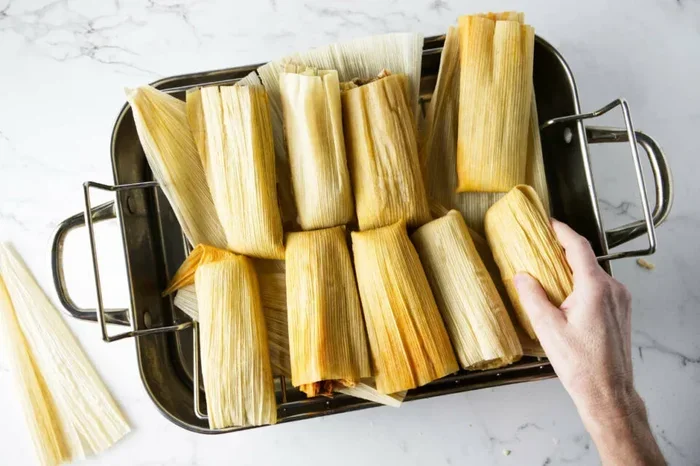
How To Warm Up Tamales In The Oven For Best Results
Warming up tamales in the oven is the easiest and most effective method to bring back their original flavor and texture. Whether your tamales are frozen, refrigerated, or leftover from last night, the oven delivers even heat that keeps the masa soft and the filling hot. This guide walks you through every step so you can enjoy warm tamales that taste just like they came straight from the steamer.
There is something special about a warm tamale. The soft masa, the flavorful filling, and the comforting aroma can turn any ordinary evening into a memorable meal. But reheating tamales is not as simple as tossing them in the microwave. If you have ever tried that route, you know the result can be dry, uneven, and disappointing.
Warming up tamales in the oven solves all of those problems. The dry, gentle heat of an oven reheats tamales evenly, keeps the masa moist, and can even add a slight crispness to the outside. Whether you are reheating pork tamales, chicken tamales, or cheese-filled ones, the oven method works beautifully every single time.
In this guide, we will walk you through everything you need to know about reheating tamales in the oven. From the right temperature to the best wrapping techniques, you will find all the practical details here. By the end, you will never go back to the microwave again.
Key Takeaways
- Oven warming preserves texture: Unlike microwaving, the oven keeps tamales from getting soggy or rubbery.
- 350°F is the sweet spot: This temperature heats tamales evenly without drying them out.
- Use foil to retain moisture: Wrapping tamales in aluminum foil locks in steam and prevents cracking.
- Timing matters: Frozen tamales need 20-30 minutes, while refrigerated ones warm up in 10-15 minutes.
- Resting time is crucial: Letting tamales sit after warming helps the heat distribute evenly.
- You can warm multiple tamales at once: The oven handles a large batch better than any other method.
- Unwrap before serving: Removing the corn husk wrapper just before eating keeps the outside crispy.
📑 Table of Contents
- Why Warming Tamales In The Oven Is The Best Method
- What You Need Before You Start
- Step-By-Step Guide To Warming Tamales In The Oven
- Different Types Of Tamales And How To Warm Them
- Common Mistakes To Avoid When Reheating Tamales
- Expert Tips For Perfectly Warmed Tamales Every Time
- How To Warm Up Tamales In The Oven Compared To Other Methods
- Frequently Asked Questions
- Final Thoughts
Why Warming Tamales In The Oven Is The Best Method
You might wonder why the oven is better than other reheating options. The answer comes down to heat distribution and moisture control. Let us break down why oven reheating is the clear winner for reheating leftover tamales.
Even Heat Distribution
Ovens surround food with consistent, ambient heat. This means every part of the tamale warms up at the same rate. There are no hot spots or cold centers. When you reheat tamales in the oven, the heat penetrates the corn husk wrapper slowly and evenly. The result is a tamale that is warm all the way through from edge to edge.
Microwaves, on the other hand, heat unevenly. Some parts get scalding hot while others stay cold. This uneven heating can ruin the texture of the masa and leave you with an inconsistent eating experience.
Moisture Retention
One of the biggest fears when reheating food is drying it out. Tamales are especially vulnerable because the masa can turn stiff and crumbly if it loses moisture. The oven, when used correctly, actually helps retain moisture better than a microwave.
When you wrap tamales in aluminum foil before placing them in the oven, the foil traps steam. This creates a mini steaming environment inside the foil. The tamales absorb that moisture as they warm, keeping the masa soft and tender. The corn husk wrapper also helps hold everything together during this process.
Better Texture And Flavor
Beyond just being warm, you want tamales to taste good. The oven gives you a slight crisp on the outside of the husk while keeping the inside creamy and flavorful. This textural contrast is something you simply cannot get from a microwave. Oven-baked tamales have a pleasant warmth and a barely toasted exterior that elevates the whole eating experience.
Handling Large Batches Easily
If you have ever tried to reheat more than two or three tamales in the microwave, you know it is a frustrating process. You end up doing multiple rounds, and by the time the last batch is done, the first ones are cold again. The oven solves this problem entirely.
You can fit a dozen or more tamales on a single baking sheet. They all warm up at the same time, at the same rate. This makes the oven the ideal choice for family dinners, parties, or meal prep sessions where you need to reheat frozen tamales or large leftovers.
What You Need Before You Start
Before you begin warming up tamales in the oven, make sure you have everything ready. The process is simple, but having your tools and ingredients prepared saves time and ensures the best results.
Essential Tools
- Oven: Any standard home oven works perfectly for this task.
- Baking sheet or oven-safe dish: A flat sheet pan is ideal, but a deep oven-safe dish also works well.
- Aluminum foil: This is your best friend for trapping moisture during the reheating process.
- Oven mitts: Always protect your hands when handling hot trays and dishes.
- Wire rack (optional): A rack elevates the tamales and promotes even airflow around them.
Preparing Your Tamales
Whether your tamales came straight from the freezer or the fridge, a little prep goes a long way. If they are frozen, let them sit at room temperature for about 10 to 15 minutes before warming. This small step helps the heat penetrate more evenly during reheating frozen tamales.
If your tamales are refrigerated, you can warm them directly from the fridge. There is no need to bring them to room temperature first. Simply unwrap them from any plastic storage and keep the corn husk wrapper intact.
Setting The Right Temperature
The magic number for warming tamales is 350°F (175°C). This temperature is hot enough to warm the tamales through in a reasonable amount of time but not so hot that it dries them out. Oven temperature for tamales at 350°F strikes the perfect balance between speed and moisture retention.
Avoid cranking the oven higher than 375°F. Higher temperatures can burn the husk before the inside is fully warm. And never go below 325°F, as it will take too long and leave the tamales sitting in the oven, which can also dry them out.
Step-By-Step Guide To Warming Tamales In The Oven
Now that you are prepared, here is the complete process for how to warm up tamales in the oven. Follow these steps carefully for the best results every time.
Step 1: Preheat Your Oven
Start by preheating your oven to 350°F. Give the oven at least 10 to 15 minutes to reach the target temperature fully. Preheating is a crucial step because placing tamales in a cold oven leads to uneven warming. The tamales spend too much time in the temperature transition zone, which can make the masa gummy.
Step 2: Prep The Tamales
Unwrap the tamales from any plastic bags or tight wrapping. Keep the corn husk wrapper on each tamale. The husk acts as a natural protective layer during the warming process. If any tamales have torn husks, wrap them individually in a small piece of aluminum foil to prevent moisture loss.
Step 3: Wrap The Tamales In Foil
Place the tamales on a baking sheet with the open end facing up. Fold a large piece of aluminum foil over the tamales, creating a loose tent shape. Do not wrap them tightly in a sealed pouch. You want some airflow so that steam can escape slightly. A tightly sealed foil packet can make the tamales soggy.
Quick Tip: If you want extra crispy tamale skins, leave one side of the foil open during the last 3 to 5 minutes of warming. This allows the outside to dry out slightly and develop a gentle crunch.
Step 4: Place In The Oven
Put the baking sheet on the middle rack of the oven. The middle rack provides the most consistent heat distribution. Avoid placing tamales on the top rack, where the heat is more intense, or the bottom rack, where it is cooler.
Step 5: Set The Timer
For refrigerated tamales, warm them for 10 to 15 minutes. For frozen tamales, increase the time to 20 to 30 minutes. The exact timing depends on the size of the tamales and how many you are warming at once.
Here is a simple reference guide:
- Refrigerated tamales (10-15 min): Small to medium tamales, single layer on the baking sheet.
- Frozen tamales (20-30 min): Any size, single or double layer depending on the baking sheet size.
- Large batch (25-35 min): Multiple layers or a deep oven-safe dish filled with tamales.
Step 6: Check And Rest
After the timer goes off, carefully remove the foil tent and check one tamale. The filling should be hot to the touch when you peek through the husk opening. If it still feels cool in the center, return the tamales to the oven for an additional 3 to 5 minutes.
Once the tamales are fully warm, remove them from the oven and let them rest for 2 to 3 minutes. This resting period allows the heat to settle and distribute evenly throughout the masa and filling. Skipping this step can result in a tamale that feels warm on the outside but still cool in the middle.
Step 7: Serve Immediately
Remove the corn husk wrapper just before serving. You can pull the husk away from the tamale, leaving a small tab attached for easy handling. Serve with your favorite salsa, crema, or toppings. Warm tamales are best enjoyed right away while the masa is still soft and the filling is piping hot.
Different Types Of Tamales And How To Warm Them
Not all tamales are the same, and different fillings and masa styles may require slight adjustments to your warming approach. Here is how to handle the most popular varieties when you reheat tamales in the oven.
Pork Tamales
Pork tamales are rich and hearty. The dense filling retains heat well, so these warm up quickly. A 10 to 12 minute session at 350°F is usually sufficient for refrigerated pork tamales. For frozen ones, give them 20 to 25 minutes. The fatty pork filling actually helps keep the masa moist during reheating.
Chicken Tamales
Chicken tamales have a lighter filling that can dry out faster than pork. Wrap these carefully in foil and consider adding a small damp paper towel on top of the tamales before sealing the foil. This extra layer of moisture prevents the chicken from becoming dry during the warming process.
Cheese And Bean Tamales
Vegetarian tamales with cheese and beans are forgiving when reheated. The cheese melts beautifully in the oven, creating a creamy interior. These tamales warm up in about 10 to 12 minutes. Watch them closely after 10 minutes to prevent the cheese from overmelting and leaking out of the husk.
Sweet Tamales
Fruit-filled or sweet tamales with chocolate or cinnamon fillings are a delightful treat. These are best warmed at 325°F for 8 to 10 minutes. The lower temperature protects the sugar-based fillings from burning or becoming too liquid. Sweet tamales can also be enjoyed at room temperature, so do not worry about over-warming them.
Frozen Vs Refrigerated Tamales
The biggest difference between warming frozen tamales and refrigerated ones is time. Frozen tamales need roughly twice as long in the oven. The ice crystals inside the filling must melt and absorb back into the masa before the tamale feels fully warm. This is why the foil wrapping and moisture retention are even more important for frozen tamales.
For the best results with frozen tamales, consider thawing them in the refrigerator overnight. This reduces oven time and produces more evenly warmed results. However, you can go straight from freezer to oven if you are short on time. Just add a few extra minutes to the warming time.
Common Mistakes To Avoid When Reheating Tamales
Even though warming tamales in the oven is straightforward, small mistakes can lead to disappointing results. Here are the most common errors people make and how to avoid them.
Skipping The Foil Wrap
This is the number one mistake. Without foil, the oven’s dry heat pulls moisture out of the tamale. The masa becomes hard and crumbly, and the husk dries out and cracks. Always wrap your tamales in aluminum foil before placing them in the oven.
Using Too High A Temperature
Some people crank the oven to 400°F thinking it will warm the tamales faster. This is a bad idea. High heat burns the husk while leaving the inside cold or rubbery. Stick with 350°F for reliable, consistent results every time.
Overcrowding The Baking Sheet
Stacking tamales on top of each other or cramming them onto a small baking sheet blocks airflow. The tamales on the bottom get steamed while the ones on top stay cold. Spread them out in a single layer with space between each tamale. If you need to warm a large batch, use two baking sheets or a deep oven-safe dish.
Forgetting To Preheat
Putting tamales in a cold oven and turning it on leads to uneven warming. The tamales sit in a slowly heating environment for too long, which dries out the masa before the filling reaches a safe temperature. Always preheat to 350°F before placing the tamales inside.
Removing The Husk Too Early
Keep the corn husk wrapper on during the entire warming process. Removing it before reheating exposes the masa directly to oven heat, which causes it to dry out quickly. Only unwrap the tamale right before you eat it.
Not Letting Them Rest
It is tempting to pull the tamales out and start eating immediately. But skipping the 2 to 3 minute resting period means the heat has not fully distributed. The outer layers may be hot while the center is still lukewarm. Patience pays off with a perfectly warmed tamale.
Expert Tips For Perfectly Warmed Tamales Every Time
Once you master the basics of warming up tamales in the oven, you can elevate your results with a few expert-level techniques. These tips come from experienced cooks who know their way around traditional Mexican cooking and modern reheating methods.
The Damp Towel Method
Place a lightly dampened kitchen towel on the baking sheet before arranging the tamales. The moisture from the towel creates steam as it heats, adding an extra layer of humidity inside the oven. This is especially helpful for reheating leftover tamales that have been in the fridge for several days and need a moisture boost.
The Double-Wrap Technique
For extra protection against drying out, wrap each tamale individually in foil first, then place them all together in a larger foil tent on the baking sheet. This double layer traps maximum steam and is ideal for reheating frozen tamales that need the most moisture support.
Add A Pan Of Water
Place a small oven-safe pan of water on the rack below the tamales. The water evaporates and creates steam inside the oven. This steam environment mimics the original steaming process that cooked the tamales. The result is tamales that feel freshly made rather than reheated.
Use A Wire Rack For Airflow
Elevating tamales on a wire rack set over a baking sheet allows hot air to circulate around all sides. This prevents the bottoms from becoming soggy from trapped condensation. The wire rack method produces the most evenly warmed tamales with a slightly crisp exterior.
Refresh The Husk
If the corn husk wrapper looks dry or brittle after reheating, lightly mist it with water before placing the tamales in the oven. This simple trick restores a bit of flexibility to the husk and improves the overall presentation. It also adds a tiny bit of moisture back into the outer layer of masa.
Pair With Fresh Salsa Or Crema
Warmed tamales taste even better when served with fresh toppings. A drizzle of crema, a spoonful of homemade salsa verde, or some pickled onions adds brightness and cuts through the richness of the warm masa. This combination transforms a simple reheated tamale into a restaurant-quality dish.
How To Warm Up Tamales In The Oven Compared To Other Methods
To truly appreciate the oven method, it helps to see how it stacks up against other popular reheating techniques. Here is a quick comparison of the most common ways to reheat tamales.
| Method | Time | Texture | Moisture | Batch Size |
|---|---|---|---|---|
| Oven | 10-30 min | Crispy husk, soft masa | Excellent with foil | Large batches |
| Microwave | 2-4 min | Uneven, rubbery spots | Low, dries out easily | 1-3 at a time |
| Steamer | 15-20 min | Soft, traditional texture | Very high | Medium batches |
| Skillet/Griddle | 5-8 min | Crispy exterior | Moderate | Small batches |
| Boiling | 10-15 min | Very soft, can fall apart | Very high | Medium batches |
The oven offers the best balance of convenience, texture, and batch capacity. While the microwave is faster, it sacrifices quality. The steamer produces the most traditional results but requires specialized equipment. For most home cooks, the oven is the clear winner when it comes to warming up tamales in the oven for everyday meals.
Frequently Asked Questions
Can I warm up tamales in the oven without the corn husk?
Yes, you can, but it is not recommended. The corn husk protects the masa from drying out during reheating. If you remove the husk, the tamale can become hard and crumbly within minutes in the oven. If you must remove the husk, wrap the tamale tightly in foil and reduce the warming time by a few minutes.
How do I know when the tamales are fully warmed through?
The best way to check is to peek through the top of the corn husk or gently lift the foil and press the center of the tamale. It should feel hot all the way through. If you have a food thermometer, the internal temperature should reach 165°F. If the center still feels cool, return the tamales to the oven for another 3 to 5 minutes.
Can I warm up tamales in the oven on parchment paper instead of foil?
Absolutely. Parchment paper works well and is a great alternative to aluminum foil if you prefer not to use metal. Parchment does not trap moisture as effectively as foil, so consider adding a damp paper towel nearby to maintain humidity. The warming time may be slightly longer with parchment paper compared to foil.
Is it safe to reheat tamales that have been left out overnight?
No, it is not safe. Tamales that have been sitting at room temperature for more than two hours should be discarded. Bacteria grow rapidly in the temperature danger zone between 40°F and 140°F. Always refrigerate leftover tamales within two hours of cooking or serving, and reheat them thoroughly in the oven before eating.
Can I warm up tamales in a toaster oven?
Yes, a toaster oven works well for warming up a small number of tamales. Set the toaster oven to 350°F and follow the same steps as a regular oven. Because toaster ovens have less space, warm tamales one at a time or in pairs for the best results. The smaller size means they warm up faster, so check them at the 8-minute mark.
How many times can I safely reheat tamales in the oven?
It is best to reheat tamales only once. Each reheating cycle reduces the quality of the masa and increases the risk of bacterial growth if the tamales were not stored properly. If you have a large batch, warm up only what you plan to eat in one sitting. Store the remaining tamales in the refrigerator or freezer and reheat a fresh portion when needed.
Final Thoughts
Warming up tamales in the oven is one of the simplest kitchen skills you can learn, and it makes the biggest difference in taste and texture. The method is forgiving, handles large batches effortlessly, and produces results that rival freshly steamed tamales. Once you try the oven method, you will never settle for a rubbery microwave-reheated tamale again.
Remember the key points: preheat to 350°F, wrap in aluminum foil, warm refrigerated tamales for 10 to 15 minutes and frozen ones for 20 to 30 minutes, and always let them rest for a few minutes before serving. These small steps add up to a big improvement in the final result.
Whether you are reheating pork tamales, chicken tamales, or sweet dessert tamales, the oven delivers consistent, delicious outcomes every time. The best way to reheat tamales respects the original cooking method and honors the tradition behind this beloved dish.
Now that you have all the knowledge and practical tips, it is time to put them into action. Pull some tamales from your freezer or fridge, preheat the oven, and enjoy a warm, satisfying meal that tastes just as good as the first time around. Reheating leftover tamales has never been easier or more rewarding.