Why Your Gas Oven Makes Popping Noises When Heating
A gas oven making popping noises when heating is a common issue that many homeowners face. The popping sound usually comes from gas buildup, clogged burner ports, or thermal expansion in metal parts. Most of the time, this noise is harmless, but some causes need quick attention to keep your kitchen safe and your oven running smoothly.
You are standing in your kitchen, and your gas oven starts making a strange popping noise right when it begins to heat up. It can be a little scary. Your first thought might be, “Is this normal? Is something broken?” The good news is that a gas oven making popping noises when heating happens to a lot of people. In most cases, the cause is something simple and easy to fix.
But sometimes, that popping sound can point to a real problem that needs quick attention. Whether your oven pops during preheat or while cooking, understanding the root cause helps you decide what to do next. This guide walks you through every possible reason your oven is making that noise. You will learn what is safe, what is not, and how to fix it step by step.
We will cover everything from clogged burner ports to gas valve issues. You will also find practical tips to prevent the noise from coming back. By the end, you will feel confident about what is happening inside your oven and how to handle it. Let us dive in and figure out why your gas oven is popping.
Key Takeaways
- Gas buildup is the #1 culprit: Small amounts of gas can collect before ignition, causing a pop when it finally catches fire.
- Clogged burner ports are very common: Food debris and grease block the holes where gas exits, leading to uneven ignition and popping.
- Thermal expansion creates normal popping: Metal parts in your oven expand when heated and can make clicking or popping sounds.
- Igniter problems need professional help: A weak or failing igniter can delay gas ignition and cause repeated popping.
- Regular cleaning prevents most issues: Keeping your burner assembly clean stops many popping noises before they start.
- Know when to call a pro: Gas valve issues or persistent gas smells mean you should stop using the oven and get help.
📑 Table of Contents
- What Causes a Gas Oven to Pop When Heating
- Common Reasons Behind the Popping Sound
- Is the Popping Noise Normal or Dangerous?
- How to Troubleshoot a Popping Gas Oven
- Preventing Popping Noises in Your Gas Oven
- When to Replace Oven Parts
- How Oven Age Affects Noise Levels
- Gas Oven vs Electric Oven Noise Comparison
- Key Takeaways
- Conclusion
What Causes a Gas Oven to Pop When Heating
The popping sound in a gas oven comes from a few different sources. Each one has a unique trigger. Understanding the basic mechanics of how your oven heats up helps explain why these noises happen. Let us look at the main causes in detail.
The Role of Gas Burners in Your Oven
Your gas oven uses burners located at the bottom to create heat. When you turn the oven on, gas flows through these burners and ignites. The flame heats the oven cavity and cooks your food. But here is the thing. Sometimes, gas builds up before it ignites. When that pocket of gas finally catches fire, it creates a popping sound.
This is very similar to how a gas stove burner might sputter before lighting. The difference is that in an oven, the burners are hidden from view, so you do not always see what is happening. The popping noise is often the first clue that something is off with the ignition process.
Thermal Expansion in Metal Parts
Another common reason for popping is thermal expansion. Metal parts inside your oven expand when they get hot. As the temperature rises, different metal components shift and rub against each other. This movement can create clicking or popping sounds.
This type of noise is usually harmless. It happens in almost every oven to some degree. The sound is often more noticeable when the oven first starts heating up. Once the oven reaches its target temperature, the popping tends to stop or get much quieter.
Common Reasons Behind the Popping Sound
Now that you understand the basic mechanics, let us look at the specific reasons your gas oven might be making popping noises when heating. Each of these issues has its own set of symptoms and solutions.
Clogged Burner Ports
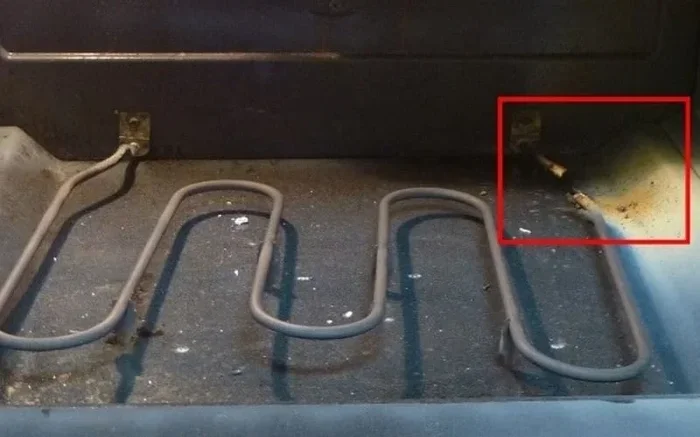
This is the most common cause of a gas oven making popping noises when heating. Burner ports are the small holes where gas exits the burner tube. Over time, food spills, grease, and debris can build up and block these holes.
When the ports are clogged, gas does not flow evenly. Some ports release gas normally, while others are blocked. This creates an uneven ignition pattern. The unburned gas in blocked ports ignites all at once, causing a pop. Here are some signs that clogged ports are the problem:
- The oven makes popping sounds during preheat
- The flame looks uneven or yellow instead of blue
- Some areas of the oven heat slower than others
- You notice food debris near the bottom of the oven
Gas Valve Problems
The gas valve controls how much gas flows into your oven. If the valve is faulty or partially blocked, it can cause irregular gas flow. This irregular flow leads to gas buildup and popping during ignition.
A bad gas valve is less common than clogged ports, but it is more serious. Gas valve issues can affect the safety of your oven. If you suspect a gas valve problem, it is best to stop using the oven and call a qualified technician. Never try to repair a gas valve yourself.
Igniter Issues
The igniter is the component that lights the gas in your oven. Over time, igniters can wear out or weaken. A weak igniter takes longer to heat up and ignite the gas. During that delay, gas builds up in the oven cavity. When the igniter finally gets hot enough to light the gas, the delayed ignition causes a loud pop.
Signs of a failing igniter include:
- The oven takes a long time to start heating
- You hear repeated clicking before the oven heats up
- The popping happens every time you turn the oven on
- The flame is weak or intermittent
Excess Gas Buildup Before Ignition
Sometimes, the popping is simply caused by too much gas accumulating before the igniter fires. This can happen for several reasons. A delayed ignition cycle gives gas more time to build up. A faulty gas valve can release too much gas at once. Even a slight misalignment in the burner assembly can cause gas to pool in certain areas.
When this pooled gas ignites all at once, it creates a noticeable pop or even a small bang. While a single pop is usually not dangerous, repeated gas buildup and ignition can be a safety concern over time.
Is the Popping Noise Normal or Dangerous?
One of the most important questions people ask is whether a popping oven is safe. The answer depends on the cause and frequency of the noise. Let us break this down clearly.
When Popping Is Harmless
Occasional light popping during the first few minutes of preheating is usually normal. Thermal expansion causes metal parts to shift and make noise. A single small pop from a minor gas ignition delay is also common and not a cause for alarm.
If the popping stops once the oven reaches its set temperature, and the oven heats normally, it is most likely nothing to worry about. Many ovens make similar noises, especially older models or ovens that have not been cleaned in a while.
Warning Signs to Watch For
However, there are situations where popping is a red flag. You should pay close attention if you notice any of the following:
- The oven makes loud, repeated popping sounds every time you use it
- You smell gas before or during the popping
- The flame goes out after the popping sound
- The oven does not heat evenly or struggles to reach the set temperature
- You see soot or black marks inside the oven
These warning signs could point to a gas leak, a failing gas valve, or a serious igniter problem. In these cases, turn off the oven, open your kitchen windows, and contact a professional immediately. Safety always comes first.
How to Troubleshoot a Popping Gas Oven
If your gas oven is making popping noises when heating, you do not have to just accept it. There are several things you can check and try at home. Let us walk through a simple troubleshooting process.
Step-by-Step Safety Check
Before you start anything, safety comes first. Always turn off the oven and let it cool completely before inspecting any parts. Here is a simple safety checklist:
- Turn off the oven and disconnect it from power if possible
- Check for any gas smell near the oven
- Look at the burner assembly through the bottom panel or oven door
- Check for visible debris, grease, or food buildup on the burners
- Make sure the oven is on a level surface
If you smell gas at any point, do not proceed. Leave the area, open windows, and call your gas company or a professional technician right away.
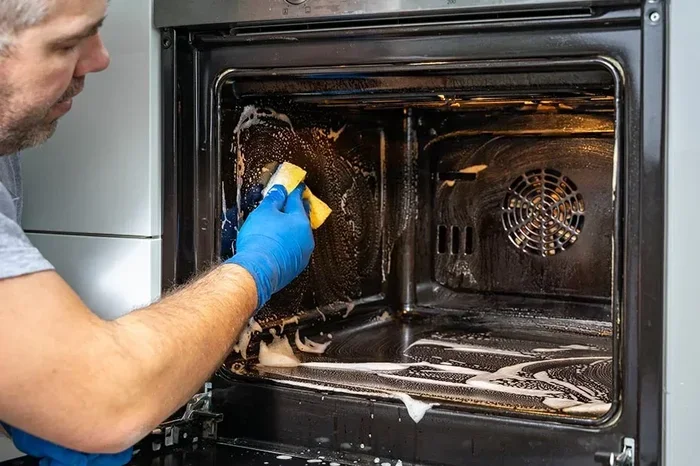
Cleaning the Burner Assembly
Cleaning the burner assembly is the most effective fix for a gas oven making popping noises when heating. Here is how to do it safely:
- Remove the oven racks and any debris from the bottom of the oven
- Locate the burner assembly at the bottom of the oven
- Carefully remove the burner tube and ports
- Use a soft brush or toothpick to clear out any food debris from the ports
- Wipe down the burner with a damp cloth
- Let everything dry completely before reassembling
- Turn the oven back on and check if the popping has stopped
Regular cleaning of the burner assembly can prevent most popping issues. Aim to clean your oven bottom at least once a month to keep everything running smoothly.
When to Call a Professional
Some issues are beyond DIY fixes. If cleaning the burner does not stop the popping, or if you notice any of the warning signs mentioned earlier, it is time to call a professional. A certified oven technician can safely inspect your gas valve, igniter, and other internal components.
Trying to repair gas components yourself can be dangerous. Always leave gas valve repairs and igniter replacements to trained professionals. The cost of a service call is far less than the cost of a gas-related accident.
Preventing Popping Noises in Your Gas Oven
The best way to deal with a gas oven making popping noises when heating is to prevent the problem from happening in the first place. A little regular maintenance goes a long way.
Regular Maintenance Tips
Here are simple maintenance habits that keep your oven running quietly and safely:
- Clean the oven bottom and burner ports every month
- Wipe up spills immediately to prevent baked-on debris
- Check the burner flame regularly. A healthy flame is blue, not yellow or orange
- Inspect the igniter for wear and tear at least twice a year
- Run the self-cleaning cycle occasionally to burn off built-up residue
- Keep the oven area clean and free of clutter
Best Practices for Oven Care
Beyond regular cleaning, there are a few habits that help protect your oven:
- Avoid using harsh chemical cleaners inside the oven cavity
- Use oven-safe cookware to prevent spills and drips
- Do not block the oven vents or airflow channels
- Run the oven at moderate temperatures when possible
- Schedule a professional inspection once a year
These simple practices reduce the chance of gas buildup, clogged ports, and other issues that lead to popping noises. A well-maintained oven heats more evenly, lasts longer, and runs more quietly.
When to Replace Oven Parts
Sometimes, popping noises mean a part has worn out and needs replacement. Knowing which parts fail and what signs to look for helps you address the problem before it gets worse.
Signs Your Igniter Needs Replacement
The igniter is one of the most common parts to fail in a gas oven. If your oven takes more than five to ten minutes to start heating, the igniter is likely weak. Other signs include a glowing but non-lighting igniter and frequent gas buildup before ignition.
Replacing an oven igniter is a relatively affordable repair. A new igniter typically costs between $30 and $100, plus labor if you hire a technician. Many homeowners find that the popping noise stops completely after a simple igniter replacement.
Gas Valve Replacement Costs and Considerations
A gas valve replacement is more expensive and more complex than an igniter replacement. The cost typically ranges from $150 to $400, depending on your oven model and local labor rates. Gas valve replacement should always be done by a licensed professional.
If your oven has a faulty gas valve, you may notice other symptoms besides popping. These include gas smells, uneven heating, and the oven failing to maintain a steady temperature. In these cases, replacement is the safest and most effective solution.
How Oven Age Affects Noise Levels
The age of your oven plays a big role in how much noise it makes. Older ovens tend to be louder and more prone to popping. As components age, they wear down and become less efficient. Metal parts become looser, igniters weaken, and gas flow becomes less consistent.
If your oven is more than 10 to 15 years old, some popping may be expected. However, age does not excuse dangerous gas issues. Even an older oven should not produce strong gas smells or loud, repeated popping. In those cases, consider whether a repair or a full oven replacement makes more sense financially.
The Self-Cleaning Cycle and Popping
Many ovens make popping sounds during the self-cleaning cycle. This is because the self-cleaning cycle heats the oven to extremely high temperatures. At these temperatures, thermal expansion is more intense, and any remaining food debris burns off. The popping you hear during self-cleaning is usually normal and harmless.
However, if the oven makes loud popping or banging sounds during self-cleaning, or if the cycle does not complete properly, there may be an underlying issue. Check the oven for excessive debris before starting a self-clean cycle to minimize noise.
Gas Oven vs Electric Oven Noise Comparison
It helps to compare how gas ovens and electric ovens behave differently when it comes to noise. Understanding these differences can help you identify whether your oven’s behavior is normal.
| Feature | Gas Oven | Electric Oven |
|---|---|---|
| Common Noise Type | Popping, clicking, mild banging | Buzzing, humming, gentle clicking |
| Primary Heat Source | Gas burner flame | Electric heating element |
| Popping During Preheat | Common, often from gas ignition | Less common, usually thermal expansion |
| Safety Concern Level | Moderate (gas-related risks) | Low (no gas involved) |
| Maintenance Needs | Burner cleaning, igniter checks | Element inspection, thermostat checks |
| Typical Lifespan | 10-15 years | 10-15 years |
As you can see, a gas oven making popping noises when heating is more common than the same issue in an electric oven. The gas ignition process inherently creates more opportunities for popping sounds. This does not mean every gas oven popping is a problem. But it does mean you should pay closer attention to your gas oven’s behavior.
Key Takeaways
A gas oven making popping noises when heating is a topic that many homeowners search for answers about. Here are the most important points to remember:
- Most popping is harmless: Thermal expansion and minor gas ignition delays cause the majority of popping sounds.
- Clogged burner ports are the top fixable cause: Regular cleaning prevents most popping issues.
- Igniter failure leads to delayed ignition pops: A weak igniter causes gas buildup and loud popping during startup.
- Gas valve problems are serious: Any suspected gas valve issue should be handled by a professional.
- Prevention is simple: Monthly burner cleaning and annual professional inspections keep your oven running quietly.
- Age matters: Older ovens are more prone to noise, but dangerous symptoms should never be ignored.
Conclusion
A gas oven making popping noises when heating is something most people experience at some point. The good news is that the vast majority of causes are simple and fixable. Whether it is a clogged burner port, thermal expansion, or a weak igniter, you now have the knowledge to identify the problem and take action.
Remember to always put safety first. If you ever smell gas or notice warning signs like a weak flame or uneven heating, stop using the oven and call a professional. Regular maintenance is your best defense against popping noises and other oven problems. A clean, well-maintained oven heats better, lasts longer, and gives you peace of mind every time you cook.
Take the time to inspect your oven today. A few minutes of cleaning and checking can save you from bigger headaches down the road. Your oven works hard for you every day. A little attention goes a long way in keeping it running quietly and safely for years to come.
Frequently Asked Questions
Why does my gas oven pop when I first turn it on?
The first pop when you turn on your gas oven is usually caused by a small amount of gas building up before the igniter fires. This is called delayed ignition and it is very common. The gas accumulates briefly and then ignites all at once, creating a popping sound. If this happens only occasionally, it is typically nothing to worry about.
Is it safe to keep using a gas oven that makes popping noises?
In most cases, yes. Occasional light popping during preheat is normal and harmless. However, if the popping is loud, frequent, or accompanied by a gas smell, you should stop using the oven immediately. Gas leaks and persistent popping can be dangerous. When in doubt, have a professional inspect your oven.
How do I clean my gas oven burner ports to stop popping?
Start by turning off the oven and letting it cool completely. Remove the oven racks and locate the burner assembly at the bottom. Use a soft brush, toothpick, or compressed air to gently clear any debris from the burner ports. Wipe the burner with a damp cloth and let it dry before reassembling. Cleaning the ports once a month can prevent most popping issues.
Can a gas valve problem cause my oven to pop?
Yes, a faulty gas valve can absolutely cause popping noises. A bad valve may release too much gas at once or allow gas to flow irregularly. This creates uneven ignition and gas buildup that leads to popping. Gas valve issues are serious and should always be handled by a licensed technician. Never attempt to repair a gas valve yourself.
How much does it cost to replace an oven igniter?
Replacing an oven igniter typically costs between $150 and $250, including parts and labor. The igniter part itself usually costs between $30 and $100. The rest is labor charges, which vary depending on your location and the technician you hire. Many homeowners find that this affordable repair completely eliminates popping noises caused by delayed ignition.
Does oven age affect how much it pops when heating?
Yes, older ovens tend to pop more frequently. Over time, metal components wear down, burner ports accumulate more buildup, and igniters weaken. An oven that is 10 years or older is more likely to make popping sounds. However, age does not excuse dangerous symptoms. If your older oven produces gas smells or loud repeated popping, have it inspected by a professional right away.