Can You Put Butter In The Oven And What Happens Next
Can You Put Butter In The Oven is a common question among home bakers and cooks. Butter can safely go in the oven, but what happens next depends on the temperature and how long it stays in. When butter heats up, it melts first, then browns, and can burn if the heat is too high. Understanding these stages helps you use butter in the oven with confidence and get the best results every time.
Have you ever wondered whether it is safe to use butter in the oven? Maybe you are preparing a cake recipe and the instructions say to grease the pan with butter. Or perhaps you want to try browned butter for a special dessert. Either way, the question Can You Put Butter In The Oven comes up more often than you might think.
The good news is that yes, you can put butter in the oven. Butter is a kitchen staple that works beautifully in many baking and cooking applications. But there is more to it than just popping a stick of butter into a hot oven. Temperature matters. Timing matters. And knowing what happens next can make all the difference between a perfect bake and a messy kitchen disaster.
In this guide, we will walk you through everything you need to know about butter in the oven. We will cover what happens when butter heats up, whether it is safe, the best ways to use it, and common mistakes to avoid. By the end, you will feel confident using butter in the oven for all your baking projects.
Key Takeaways
- Yes, you can put butter in the oven — just watch the temperature to prevent burning and smoke.
- Butter melts at around 90-95°F and begins to brown at higher temperatures, adding rich flavor to your baked goods.
- The smoke point of butter is about 350°F, so avoid exceeding this to prevent bitter flavors and heavy smoke.
- Clarified butter is a great oven-safe alternative since it has a higher smoke point and performs better at high heat.
- Always grease your baking pans properly with butter for the best non-stick results and golden finishes.
- Browned butter adds amazing depth of flavor to cookies, cakes, and pastries when used correctly in the oven.
- Practical baking tips and kitchen hacks can help you use butter in the oven confidently every single time.
📑 Table of Contents
Can You Put Butter In The Oven
The short answer is yes. You can put butter in the oven. Butter is a dairy product made from cream, and it responds to heat in predictable ways. When you place butter in a warm oven, it goes through stages. First, it melts. Then, if the temperature keeps rising, it browns. And if the heat is too high or it stays in too long, it can burn.
Understanding these stages is key to using butter in the oven successfully. Each stage changes the flavor, texture, and performance of the butter. Let us break down what happens at each stage so you can use butter with confidence every time you bake.
What Is Butter Made Of
Butter is made mostly of fat, with small amounts of water and milk solids. The fat content in regular butter is around 80%. The rest is water and proteins. When you heat butter in the oven, the water evaporates first. Then the fat melts. Finally, the milk solids begin to brown. This process is called butter caramelization, and it is what gives browned butter its rich, nutty flavor.
The butter melting point is around 90 to 95 degrees Fahrenheit. This is much lower than most oven temperatures. So the moment butter goes into a preheated oven, it starts to melt. Knowing this helps you plan your baking steps better and avoid surprises.
The Three Stages Of Butter In The Oven
When you put butter in the oven, it goes through three main stages. Each stage changes the butter in a different way.
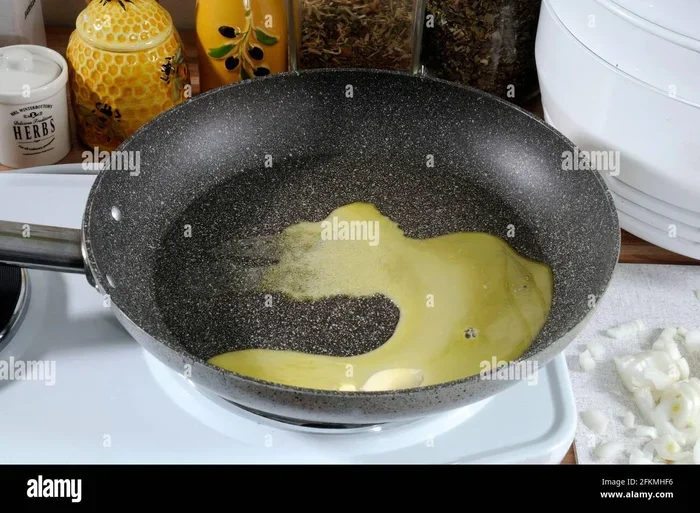
Stage One: Melting. At low to moderate oven temperatures, butter simply melts. It turns from a solid stick into a liquid. This is the stage you want when you are greasing a baking pan or making a simple butter sauce in the oven. The butter is still creamy and mild in flavor.
Stage Two: Browning. As the temperature rises above 300 degrees Fahrenheit, the milk solids in the butter start to brown. This is the browned butter stage. Browned butter has a deep, nutty, caramel-like flavor. It is a favorite ingredient in many baked goods, from brownies to cookies. Many baking enthusiasts love using browned butter to add depth and richness to their recipes.
Stage Three: Burning. If the temperature gets too high or the butter stays in the oven too long, it will burn. Burnt butter turns black and smells harsh. It also develops a bitter taste that can ruin your baked goods. This is why oven temperature control is so important when using butter in any baking application.
Quick Tips
- Always preheat your oven before adding butter to any dish.
- Use a light-colored baking pan to monitor butter color easily.
- Set a timer when browning butter to avoid burning it.
- Keep a close eye on butter in the oven — it can go from perfect to burnt very fast.
What Happens When Butter Goes In The Oven
Now that you know the three stages, let us look at what actually happens in more detail. When you place a stick of butter or a pat of butter in a hot oven, several things occur at the same time. The water content evaporates. The fat softens and then liquefies. And the milk solids undergo a chemical reaction called the Maillard reaction, which creates those beautiful brown flavors and aromas.
The butter smoke point is around 350 degrees Fahrenheit for regular unsalted butter. This means that once your oven reaches this temperature, the butter starts to produce smoke. Smoke is a clear sign that the butter is breaking down. While a little smoke from browning butter is normal and expected, heavy smoke means the butter is burning and your butter burn risk is high.
If you are using clarified butter instead, the story changes. Clarified butter has had the water and milk solids removed. This raises the smoke point to around 450 degrees Fahrenheit. Many professional bakers prefer clarified butter for high-heat baking because it is more stable and less likely to burn or produce smoke.
Butter Behavior At Different Oven Temperatures
Different oven temperatures cause different reactions in butter. Here is a simple breakdown to help you understand how butter behaves at each range:
- Below 300°F: Butter melts gently and stays relatively stable. Great for greasing pans or slow-baked dishes where you want mild butter flavor.
- 300°F to 350°F: This is the ideal range for browning butter. The milk solids toast beautifully, creating rich, nutty flavor.
- 350°F to 400°F: Butter starts to smoke and can burn quickly. Use caution at these temperatures and never walk away.
- Above 400°F: Butter will burn rapidly and produce heavy smoke. Avoid putting regular butter in the oven at these temperatures.
These ranges help you decide when and how to use butter in the oven for the best results. Always match your butter usage to the oven temperature of your recipe. A little planning goes a long way toward perfect baked goods.
Is It Safe To Bake With Butter
Safety is an important concern when using any fat in the oven. The good news is that baking with butter is perfectly safe when you follow basic guidelines. The key is to understand the oven-safe temperature for butter and to never leave melting butter unattended.
Butter is a natural fat that has been used in baking for centuries. It is safe to bake with as long as you do not let it reach its burning point. Burnt butter can produce acrid smoke and unpleasant flavors, but it is not dangerous in small amounts. The real concern is heavy smoke, which can trigger smoke detectors and irritate your eyes and lungs. Always ventilate your kitchen when heating butter at high temperatures.
Understanding Butter Smoke Point
The butter smoke point is the temperature at which butter starts to break down and produce visible smoke. For regular butter, this is around 350 degrees Fahrenheit. When butter reaches its smoke point, the fats start to oxidize. This changes the flavor and can create compounds that are irritating if you inhale too much smoke over time.
If you want to bake at higher temperatures, consider using clarified butter or ghee. These have had the milk solids removed, which raises the smoke point significantly. Many bakers use clarified butter as a butter substitute for high-heat baking and roasting. It performs just as well and adds a clean, rich flavor.
Butter Vs Other Fats In The Oven
How does butter compare to other common fats used in baking? Here is a helpful comparison table:
| Fat Type | Smoke Point | Flavor Profile | Best For |
|---|---|---|---|
| Regular Butter | 350°F | Creamy, rich, mild | Baking, greasing pans, low-heat roasting |
| Clarified Butter | 450°F | Nutty, rich, clean | High-heat baking, browning, roasting |
| Olive Oil | 375-410°F | Fruity, peppery | Savory baking, bread dipping, roasting |
| Coconut Oil | 350°F | Sweet, tropical | Cookies, cakes, vegan baking |
| Cooking Spray | Varies | Neutral | Non-stick baking, light greasing |
As you can see, butter is a great choice for most baking needs. It offers a rich, creamy flavor that other fats cannot match. Just be mindful of the oven temperature and choose the right fat for the job. For most home baking, regular butter works perfectly and adds a wonderful taste to your creations.
Expert Insights
Professional pastry chefs often recommend using baking with butter at temperatures between 325°F and 375°F for the best flavor results. This range allows the butter to brown slowly and develop complex, delicious flavors without burning. If you are new to baking with butter, start in this range and adjust as you gain more experience in the kitchen.
Best Ways To Use Butter In The Oven
There are many wonderful ways to use butter in the oven. Each method brings out different flavors and textures. Here are some of the best and most popular ways to incorporate butter into your oven-baked recipes and desserts.
Greasing Baking Pans
One of the most common uses for butter in the oven is greasing baking pans. A thin layer of butter prevents cookies, cakes, and brownies from sticking to the pan. Simply soften the butter and spread it evenly across the bottom and sides of your grease baking pan. Then add a light dusting of flour for extra non-stick baking power.
For the best non-stick baking results, you can also use butter combined with parchment paper. This double-layer approach ensures your baked goods release cleanly every single time. It is a simple kitchen hack that every home baker should know and use regularly.
Baking With Butter In Muffin Tins
Using butter in muffin tin cups is a fantastic way to add flavor and prevent sticking. Before filling your muffin tin with batter, rub a small amount of softened butter into each cup. This works especially well for savory muffins and cupcakes. The butter creates a golden, crispy exterior that elevates the final product and makes every bite delicious.
You can also melt butter and pour a small amount into each muffin cup before adding the batter. This method works great for enhancing butter flavor in baked goods and gives your muffins a rich, tender crumb that everyone will love.
Making Browned Butter For Recipes
Browned butter is a game-changer in baking. To make it, melt butter in a pan over medium heat and let it cook until the milk solids turn golden brown. Then you can transfer the browned butter into an oven-safe dish and warm it gently in the oven before adding it to your recipe.
Browned butter adds a deep, nutty, complex flavor to cookies, cakes, and frostings. It is one of the most popular baking tips among home bakers who want to elevate their desserts. Once you try baking with butter this way, you will wonder how you ever baked without it.
Using Butter As A Cooking Spray Alternative
If you run out of cooking spray, butter is a great cooking spray alternative for greasing baking dishes and preventing sticking. A thin layer of butter on baking sheets and pans works just as well as spray for keeping your baked goods from adhering. Just be sure to use a light hand — too much butter can cause baked goods to spread too much or become greasy and heavy.
Quick Tips For Using Butter In The Oven
- Soften butter to room temperature before greasing pans for even coverage and smooth application.
- Use unsalted butter for baking so you can control the salt level in your recipe precisely.
- Brown butter on the stovetop first, then use it in the oven for the best flavor development.
- Combine butter with a little flour for the best non-stick results on baking pans and sheets.
- Store butter properly so it stays fresh and performs well every time you use it in the oven.
Common Mistakes People Make With Butter In The Oven
Even experienced bakers make mistakes with butter in the oven from time to time. Knowing what to avoid can save you from ruined dishes and frustrating cleanup. Here are the most common mistakes and how to fix them so your next bake turns out perfectly.
Using Too Much Butter
One of the biggest mistakes is using too much butter. When you use more butter than a recipe calls for, your baked goods can become greasy and flat. Excess butter also causes cookies to spread too much and cakes to become dense and heavy. Always measure your butter carefully and follow the recipe amounts for the best results.
If you want to reduce the fat in a recipe, consider using a butter substitute like applesauce or Greek yogurt in some applications. These alternatives can reduce calories while keeping your baked goods moist and tender. Experiment with small swaps to find what works best for your taste.
Ignoring Oven Temperature
Another common mistake is not paying attention to the oven temperature. If your oven runs hot, butter can burn before your baked goods are done. Invest in an oven thermometer to ensure your oven is at the correct temperature. This simple and affordable tool can transform your baking results and help you avoid butter burn every single time.
Leaving Butter Unattended
Butter can go from perfectly melted to burnt in a matter of seconds at high temperatures. Never leave butter unattended in the oven, especially if you are browning it or using it at temperatures above 350°F. Stay nearby and watch for changes in color and smell. A watched pot never boils, and watched butter never burns.
Using Cold Butter In A Hot Oven
Putting cold, straight-from-the-fridge butter into a hot oven can cause uneven melting. The outside may burn while the inside is still solid and cold. Always let butter come to room temperature before putting it in the oven, or cut it into small pieces to help it melt evenly and predictably.
Quick Checklist To Avoid Butter Mistakes
- Measure butter accurately before adding it to any recipe.
- Check your oven temperature with a separate thermometer.
- Never leave melting butter unattended in the oven.
- Let butter reach room temperature before oven use.
- Use the right type of butter for your specific baking needs.
Expert Tips For Baking With Butter
Want to take your baking with butter to the next level? Here are some expert tips that professional bakers use every day. These baking tips and kitchen hacks will help you get the best results every time you use butter in the oven for any recipe.
Choose The Right Butter For The Job
Not all butter is the same. European-style butter has a higher fat content than regular American butter, which means it performs differently in the oven. Higher-fat butter creates flakier pastries and richer, more flavorful cookies. If you are serious about baking, consider investing in high-quality oven-safe cookware and premium butter for the best possible results every time you bake.
Use Butter In Combination With Other Ingredients
Butter works beautifully when paired with other ingredients in the oven. Try brushing melted butter on bread before toasting it in the oven for a golden, crispy finish. You can also mix butter with herbs and garlic for a flavorful topping on roasted vegetables and savory dishes.
For dairy in heat applications, butter adds richness and moisture that other fats cannot replicate. The butter flavor in baked goods is one of the main reasons people love homemade cookies, cakes, and pastries so much. It brings a warmth and depth that margarine and oil simply cannot match.
Store Butter Properly For Best Performance
How you store your butter affects how it performs in the oven. Keep butter in an airtight container in the refrigerator. For baking, take it out about 30 minutes before use to let it soften naturally. Softened butter creams better with sugar, creating lighter and fluffier baked goods with a better texture.
If you need to soften butter quickly, grate it on a box grater. This kitchen hack saves time and ensures even softening throughout the entire stick. It is a trick that many professional bakers use every day without thinking twice about it.
Experiment With Butter Temperatures
Different recipes call for different butter temperatures. Cold butter creates flaky layers in pie crusts and croissants. Room-temperature butter blends smoothly into batters and frostings for even texture. Understanding these differences helps you use butter in the oven more effectively and achieve better results in every single bake you make.
Key Takeaways For Baking With Butter
- Always match your oven temperature to the type of butter you are using for the best results.
- Softened butter creams better and creates lighter, fluffier baked goods with a tender texture.
- Browned butter adds incredible depth of flavor to cookies, cakes, and pastries.
- Clarified butter is ideal for high-heat baking applications where regular butter would burn.
- Practice makes perfect — the more you bake with butter, the better you will get at using it.
Conclusion
Can You Put Butter In The Oven? Absolutely yes. Butter is a versatile and delicious ingredient that works beautifully in the oven when used correctly. From greasing pans to browning for rich, complex flavor, butter adds something special to every baked good you make.
The key is understanding how butter behaves at different temperatures. Melt it gently for greasing pans and muffin tins. Brown it slowly on the stovetop for deep, nutty flavor. And always keep an eye on the oven temperature to prevent butter burn and smoke. With the right approach, baking with butter becomes second nature.
Remember the butter melting point, respect the butter smoke point, and never leave melting butter unattended. Use these baking tips and kitchen hacks to get the best results every time you turn on your oven. Whether you are a beginner or an experienced baker, mastering the use of butter in the oven will elevate your baking to a whole new level.
So go ahead — put butter in your oven with confidence. Experiment with browned butter, try clarified butter for high-heat recipes, and enjoy the rich, wonderful flavor that only real butter can bring to your homemade baked goods. Happy baking and enjoy every bite!
Frequently Asked Questions
Can You Put Butter In The Oven At 400 Degrees?
Putting butter in the oven at 400 degrees Fahrenheit is not recommended for regular butter. At this temperature, butter will burn quickly because its smoke point is around 350 degrees. If you need to bake at 400 degrees, use clarified butter or ghee instead, as these have a higher smoke point and will not burn or produce heavy smoke.
What Happens If You Leave Butter In The Oven Too Long?
If you leave butter in the oven too long, it will eventually burn. Burnt butter turns dark brown or black and produces a bitter, unpleasant taste. It also creates smoke that can set off your smoke detector and make your kitchen uncomfortable. Always set a timer and watch butter carefully when it is in the oven, especially when you are browning it on the stovetop before transferring it to a dish.
Is Browned Butter The Same As Burnt Butter?
No, browned butter and burnt butter are very different. Browned butter is heated just until the milk solids turn golden brown, creating a rich, nutty, delicious flavor. Burnt butter is heated past this point, turning the milk solids black and producing a bitter, unpleasant taste. The key is to remove butter from heat as soon as it reaches a deep amber color.
Can You Use Butter Instead Of Cooking Spray For Baking?
Yes, butter works as an excellent cooking spray alternative for baking. Simply soften the butter and spread a thin, even layer on your baking pans or sheets. Butter actually adds flavor that cooking spray cannot, making it a preferred choice for many home bakers. Just be careful not to use too much, as excess butter can cause baked goods to spread or become greasy.
What Is The Best Butter For Baking In The Oven?
Unsalted butter is generally the best choice for baking with butter in the oven. It gives you control over the salt content in your recipe. European-style butter, which has a higher fat content, is also excellent for oven baking as it produces richer, flakier results. For high-temperature applications, clarified butter is the best option because it has a much higher smoke point and is more stable.
Can You Put Butter In A Muffin Tin In The Oven?
Yes, you can put butter in a muffin tin in the oven. In fact, greasing muffin tins with butter is one of the best ways to prevent muffins and cupcakes from sticking to the tin. Simply rub a small amount of softened butter into each cup before adding batter. This creates a non-stick surface and adds a rich, buttery flavor to the exterior of your baked muffins and cupcakes.