Can I Put Foil Paper In The Oven And Why It Matters
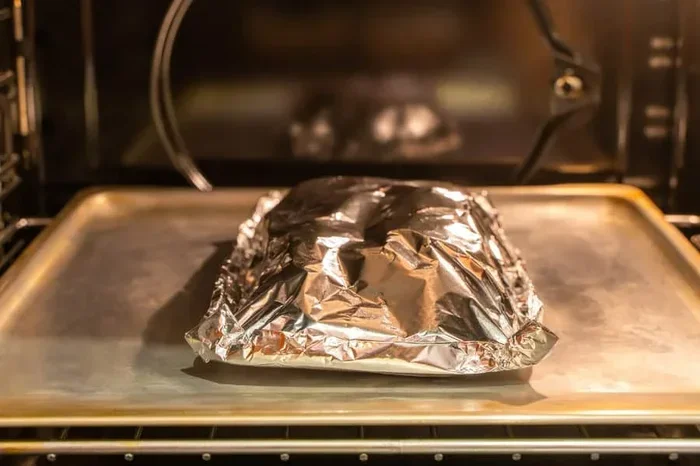
Can I put foil paper in the oven? Yes, but only under the right conditions. Aluminum foil can help with even cooking and cleanup, yet using it incorrectly can cause sparks, uneven baking, or damage. This guide covers exactly when foil is oven safe and when it is not.
Have you ever wondered whether it is safe to line your baking tray with aluminum foil? The question can I put foil paper in the oven comes up in kitchens every single day. Many home cooks reach for a roll of foil without thinking twice, yet this simple sheet can change the way your food cooks. Using foil the wrong way can lead to sparks, uneven browning, or even a kitchen fire. Understanding the basics keeps your meals safe and your oven in good shape.
The answer is not a simple yes or no. Aluminum foil works well in some situations and fails badly in others. This article breaks down exactly when foil is safe, which side to use, and how to avoid common pitfalls. You will learn practical tips that apply to a standard toaster oven and a full-size range. By the end, you will feel confident about using foil the right way.
Key Takeaways
- Foil is oven safe only at low to medium temperatures: Avoid high-heat broiling and convection fan modes.
- Always use the dull side facing the food: The shiny side reflects heat and can overcook the top.
- Never cover the entire oven floor or walls: Blocking airflow causes uneven cooking and fire risks.
- Foil is not the same as parchment paper: Parchment handles higher heat without sparking.
- Check your oven manual first: Some manufacturers explicitly forbid foil use.
- Crumpling foil slightly improves airflow: A flat sheet can trap steam and make food soggy.
📑 Table of Contents
- What Happens When You Put Foil Paper In The Oven
- Is Aluminum Foil Safe For All Ovens
- The Right Way To Use Foil In The Oven
- Foil Vs Parchment Paper: Which Is Better
- Common Mistakes People Make With Foil
- Expert Tips For Perfect Oven Cooking With Foil
- Key Takeaways
- Frequently Asked Questions
- Conclusion
What Happens When You Put Foil Paper In The Oven
When you place foil inside a hot oven, the metal reacts to the heat. Aluminum reflects heat, which can speed up cooking on the surface it touches. At low temperatures, this reflection works in your favor. At high temperatures, the same reflection can cause problems. The foil may warp, bubble, or touch the heating elements. That contact creates a spark, which can ignite grease or food crumbs. Even without a fire, covering the wrong part of the oven can block hot air from circulating. This leads to soggy bottoms or burnt tops. Always think about where the foil sits and what it touches.
Why The Shiny Side Matters
Foil has two sides: one shiny and one dull. The shiny side reflects more heat than the dull side. If you want to keep heat away from delicate food, place the shiny side out. For most baking, the dull side should face the food. This small trick helps you control how much heat reaches your dish. It is a tiny change that makes a big difference in the final result.
Can Foil Cause A Fire?
Yes, foil can start a fire if it touches the heating elements or if you use it in a convection oven with a fan. The fan blows hot air onto the foil, which can cause it to vibrate and spark. Never let foil extend beyond the edges of your pan. If you are using a toaster oven, the heating elements are very close to the food. Foil that drapes over the tray and touches the top element is a serious hazard. Always leave space between the foil and any hot metal part inside the oven.
Is Aluminum Foil Safe For All Ovens
Not every oven handles foil the same way. A standard thermal oven works fine with foil at moderate temperatures. A convection oven with a fan requires extra caution. The fan pushes air around the cavity, and foil can act like a sail. This movement causes the foil to flutter and potentially short out the electrical components. Most manufacturers warn against using foil in convection mode unless the manual says otherwise. Always check your oven guide first.
Temperature Limits For Foil
Aluminum foil is generally safe up to 400°F (200°C). Above that temperature, the foil can begin to melt slightly at the edges. It will not catch fire easily, but it can fuse to the food or the tray. If you are broiling on high heat, skip the foil entirely. The intense top heat will warp the foil and could cause sparks. For roasting and baking at 350°F or below, foil works well when used correctly.
Which Ovens Allow Foil
- Standard conventional ovens: Safe with foil at low and medium heat.
- Toaster ovens: Use only small pieces that do not touch the walls or elements.
- Convection ovens: Avoid foil unless the manual permits it.
- Microwave ovens: Never use metal foil in a microwave.
If you are also wondering about other oven-safe items, you might ask yourself can I put a plate in the oven. Ceramic plates often handle heat better than foil, but they still have limits.
The Right Way To Use Foil In The Oven
Using foil correctly makes cooking easier and safer. The goal is to protect the pan, not to block the heat. Follow these simple steps every time you reach for the roll.
Step 1: Choose The Right Type
Standard household foil works fine for most tasks. Heavy-duty foil is thicker and resists tearing. Do not use foil with a non-stick coating unless the box says it is oven safe. Some foils have a layer that can peel off and stick to your food at high heat.
Step 2: Shape The Foil Properly
Lay the foil flat over your baking tray. Do not stretch it tight. A slight drape allows the food to sit without sticking. If you are wrapping vegetables or meat, loose wrapping lets steam escape. Tight wrapping traps moisture and can make the food boil instead of roast.
Step 3: Place It In The Correct Position
Always put foil on the lower rack when you want to catch drips. This keeps the foil away from the top heating element. If you are lining a pan, place the dull side toward the food. The shiny side should face up or outward to reflect heat away from delicate items.
Quick Tips For Foil Success
- Use a new sheet of foil for each roast or bake.
- Do not reuse crumpled foil that has food residue on it.
- Pierce holes in the foil if you are wrapping something that releases juice.
- Keep foil at least two inches away from the oven walls.
Foil Vs Parchment Paper: Which Is Better
Many people confuse foil with parchment paper. Both line baking trays, but they behave very differently in the oven. Foil reflects heat and can block airflow. Parchment paper absorbs some heat and allows air to pass through. For most baking jobs, parchment is the safer choice. It works well up to 420°F and does not spark. If you want to know more about parchment safety, check out is parchment paper toaster oven safe.
When To Use Foil
Use foil when you need to shield food from direct heat. For example, wrapping a whole chicken in foil keeps the skin from burning while the inside cooks through. Foil also works well for grilling vegetables on a tray. It prevents smaller pieces from falling through the grates. Another good use is lining the bottom of the oven to catch spills during a long roast.
When To Use Parchment Paper
Use parchment for cookies, pastries, and delicate fish. The paper promotes even browning and prevents sticking without reflecting too much heat. Parchment is also disposable, which makes cleanup fast. If you are baking potatoes and want to know how long they take, you can line the tray with parchment and find the timing in this guide on how long do potatoes take to cook in the oven.
| Feature | Aluminum Foil | Parchment Paper |
|---|---|---|
| Heat Reflection | High | Low |
| Max Safe Temp | 400°F (200°C) | 420°F (215°C) |
| Airflow | Blocks airflow if flat | Allows airflow |
| Fire Risk | Moderate if touching elements | Very low |
| Cleanup | Reusable if clean | Disposable |
| Best For | Shielding, catching drips | Baking, lining pans |
Common Mistakes People Make With Foil
Even experienced cooks make errors with foil. These mistakes can ruin a meal or damage the oven. Knowing what to avoid saves time and keeps your kitchen safe.
Covering The Entire Oven Floor
Some people line the entire bottom of the oven with foil to catch messes. This is a bad idea. The foil blocks the heat from the bottom element and stops air from flowing. Food cooks unevenly, and grease can pool on the foil and smoke. Instead, use a disposable aluminum tray placed on the lower rack. Remove it after cooking and toss it out.
Using Foil In A Microwave
Never put foil in a microwave. The metal reflects the microwave waves, which causes arcing and sparks. This can damage the microwave or start a fire. If you need to cover food in the microwave, use a microwave-safe lid or a paper towel.
Letting Foil Touch The Heating Elements
The most dangerous mistake is letting foil touch the top or bottom heating elements. The foil acts like a conductor and can cause a short circuit. Always keep foil away from any exposed metal parts inside the oven. If you are unsure, use a different lining method.
Wrapping Food Too Tightly
Tight foil traps steam and creates a boiling effect. This is fine for steaming vegetables, but not for roasting meat. You want dry heat for a crispy exterior. Leave the foil loose or use a loose tent so air can move around the food.
Expert Tips For Perfect Oven Cooking With Foil
Professional cooks use foil as a tool, not a crutch. These expert insights help you get the best results every time.
Use Foil To Create A Tent
For roasts and large cuts of meat, shape the foil into a loose tent. This traps just enough heat to cook the interior while letting moisture escape. The tent also prevents the top from browning too fast. Remove the foil in the last 15 minutes of cooking to let the surface crisp up.
Combine Foil With A Baking Sheet
Place a sheet of parchment paper on the tray first, then add a layer of foil on top. The parchment prevents sticking, and the foil catches any drips. This combo gives you the best of both worlds. You get easy cleanup without the fire risk of bare foil touching the food directly.
Know When To Skip Foil Entirely
Not every recipe needs foil. If you are baking cookies or making a pizza, skip the foil. The direct heat from the tray creates a crispier bottom. Foil can make the bottom soggy because it insulates the pan. Trust the recipe and use foil only when it serves a specific purpose.
Clean Your Oven After Foil Use
If you do use foil to catch drips, clean the oven afterward. Melted foil residue can stick to the oven walls and become hard to remove. A quick wipe with a damp cloth after the oven cools prevents buildup. For deeper cleaning, follow the steps in this guide on how to clean Hamilton Beach toaster oven for a spotless interior.
Key Takeaways
- Foil is oven safe only at low to medium temperatures: Avoid high-heat broiling and convection fan modes.
- Always use the dull side facing the food: The shiny side reflects heat and can overcook the top.
- Never cover the entire oven floor or walls: Blocking airflow causes uneven cooking and fire risks.
- Foil is not the same as parchment paper: Parchment handles higher heat without sparking.
- Check your oven manual first: Some manufacturers explicitly forbid foil use.
- Crumpling foil slightly improves airflow: A flat sheet can trap steam and make food soggy.
Frequently Asked Questions
Can I put foil paper in the oven at 350°F?
Yes, 350°F is a safe temperature for aluminum foil. Use a standard sheet on a baking tray and keep it away from the heating elements. The foil will not melt or spark at this moderate heat.
What happens if foil touches the oven element?
Touching the element can cause sparks and potentially start a fire. The metal reflects the electrical current, which creates an arc. Turn off the oven immediately if you see sparks and let it cool before removing the foil.
Is it safe to use foil in a toaster oven?
It can be safe if you use a small piece that fits entirely on the tray. Never let the foil touch the walls or the heating elements. Because toaster ovens have elements very close to the food, extra caution is required.
Can I reuse foil after cooking with it?
You can reuse foil only if it is clean and has not been torn. Crumpled foil that has absorbed grease or food residue should be discarded. Reusing dirty foil can transfer flavors and reduce its effectiveness.
Does the shiny side of foil face up or down?
For most cooking, the dull side should face the food. The shiny side reflects more heat, so placing it outward helps keep the food from overcooking. If you are wrapping food tightly, either side works the same.
Can I put foil in the oven when broiling?
No, do not use foil under the broiler. The intense direct heat will warp the foil and could cause it to touch the heating element. This creates a sparking hazard. Use a broiler-safe pan instead.
Conclusion
The question can I put foil paper in the oven has a clear answer when you follow the right rules. Foil is a helpful kitchen tool that can protect your pans, shield your food, and make cleanup easier. But it must be used with care. Keep the foil away from heating elements, use it at moderate temperatures, and never block the airflow inside the oven. When in doubt, choose parchment paper for lining and save foil for shielding and catching drips. With these tips, you will cook with confidence and keep your oven working safely for years to come.