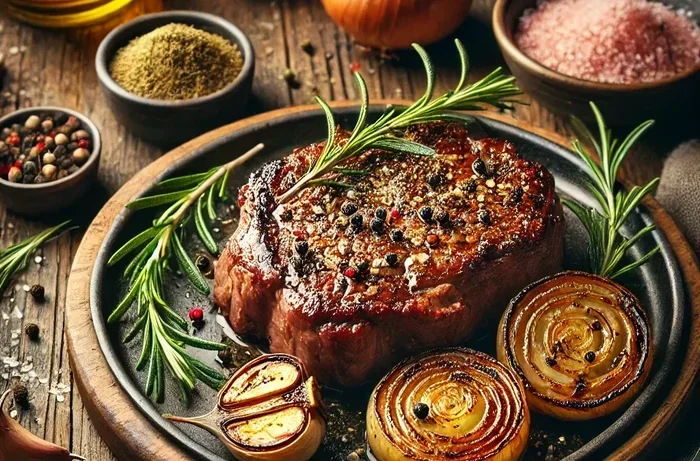
What Temp Finish Steak In Oven For Perfect Juicy Results
Finishing steak in the oven is one of the easiest ways to get a perfectly cooked, juicy steak at home. The ideal oven temperature to finish steak ranges from 275°F to 400°F depending on your method. Whether you prefer a slow oven finish or a hot broiler blast, this guide covers exact temperatures, timing, and pro techniques for steak done exactly how you like it.
There is something deeply satisfying about a steak that is juicy, tender, and cooked to absolute perfection. Many home cooks think they need a fancy grill or a professional kitchen to pull this off. But here is the truth. You can achieve stunning results right in your own oven.
Finishing steak in the oven is a technique that professional chefs have used for years. It gives you control. It gives you consistency. And best of all, it works with almost any cut of steak you bring home from the store. Whether you are cooking a thick ribeye, a tender filet mignon, or even Omaha Steaks Filet Mignon, the oven finish method is a game changer.
The question most people ask is simple. What temp finish steak in oven? And the answer depends on a few things. The thickness of your steak. The level of doneness you want. And the method you choose. Let us walk through everything you need to know to get it right every single time.
Key Takeaways
- Low-and-slow method (275°F): Great for thick cuts, gives even cooking and a tender finish.
- High-heat finish (400°F): Best for creating a beautiful crust after searing on the stove.
- Target internal temps matter: 130°F for medium-rare, 140°F for medium, and so on.
- Resting your steak is non-negotiable: It keeps all those juices locked in.
- A meat thermometer is essential: Guessing leads to overcooked or undercooked steak.
- You can use an oven-safe plate to rest steak: Can I Put A Plate In The Oven covers this topic well.
📑 Table of Contents
- Why Finishing Steak In The Oven Works So Well
- Best Oven Temperatures For Finishing Steak
- Step-By-Step Guide To Oven-Finished Steak
- Steak Doneness Temperatures: A Complete Reference
- Common Mistakes To Avoid When Finishing Steak In The Oven
- Expert Tips For The Juiciest Oven-Finished Steak
- How Long To Cook Steak In The Oven: Time Guide
- Which Steak Cuts Work Best For Oven Finishing
- Frequently Asked Questions
- Conclusion
Why Finishing Steak In The Oven Works So Well
Finishing steak in the oven is not just a shortcut. It is actually a superior method for certain cuts and situations. When you cook steak entirely on the stovetop, the heat comes from one direction. The bottom gets a great sear, but the top can cook unevenly. This is especially true for thick steaks that are over one inch thick.
The oven solves this problem. Heat surrounds the steak on all sides. This means more even cooking from edge to edge. You also get better control over the internal temperature. This is especially helpful if you are aiming for a specific level of doneness.
Another big reason people love the oven finish method is convenience. You sear the steak on the stove for just a few minutes. Then you transfer it to the oven. This frees up your stovetop for sides or sauces. It also gives you time to focus on other parts of the meal without worrying about the steak.
If you have ever tried cooking steak on a grill and ended up with flare-ups or uneven results, the oven method might become your new favorite approach. It is gentle. It is predictable. And it produces consistently excellent results.
For those who also enjoy oven-cooked burgers, you might want to check out How To Cook Omaha Steak Burgers In The Oven for additional oven cooking insights.
Best Oven Temperatures For Finishing Steak
The temperature you choose depends on what kind of finish you want. There are really two main approaches. The low-and-slow method and the high-heat finish. Each has its own strengths. Let us break them down.
Low And Slow: 275°F To 300°F
This is the method many steak lovers swear by. You set your oven to around 275°F or 300°F. Then you place the seared steak on a rack or baking sheet and let it cook gently. The low heat warms the steak evenly without overcooking the outside.
This approach works best for thick cuts. Think steaks that are 1.5 inches or thicker. It gives you a lot of control. You can pull the steak out when it is just a few degrees below your target internal temp. Then the residual heat will carry it the rest of the way during resting.
The low-and-slow method also produces a very tender result. The gentle heat breaks down connective tissue slowly. This is especially beneficial for cuts like chuck eye steaks or thicker ribeyes. The steak stays juicy and the texture is melt-in-your-mouth tender.
High Heat: 375°F To 425°F
If you are short on time, the high-heat method is your best friend. You set the oven to 375°F or higher. The steak goes in after a quick sear on the stovetop. The higher temperature finishes the steak faster. It also helps develop a slightly crispier exterior.
This method works well for medium-thick steaks, around 1 to 1.25 inches. The cook time is shorter. But you need to watch the steak more closely. A meat thermometer becomes even more important here. The difference between perfect and overcooked can be just a few minutes.
Some cooks also use the broiler setting on their oven for a high-heat finish. The broiler blasts intense heat from above. This creates a beautiful caramelized crust. It is a great option if you want that grilled look without firing up the outdoor grill.
Step-By-Step Guide To Oven-Finished Steak
Now let us get into the practical part. Here is exactly how to finish steak in the oven for perfect results. Follow these steps and you will notice a big difference in your steak game.
Step 1: Prep Your Steak
Take your steak out of the refrigerator about 30 minutes before cooking. Let it come closer to room temperature. This helps the steak cook more evenly. A cold steak going into a hot oven will cook unevenly. The outside overcooks before the inside catches up.
Pat the steak dry with paper towels. Moisture is the enemy of a good sear. Dry surfaces brown better and faster. Season generously with salt and pepper. You can also add garlic powder, smoked paprika, or any dry rub you enjoy.
Step 2: Sear On The Stovetop
Heat a cast iron skillet or oven-safe pan over high heat. Add a high smoke point oil like avocado oil or grapeseed oil. Once the pan is ripping hot, place the steak in. Sear for about 2 to 3 minutes per side. You want a deep golden-brown crust.
Do not move the steak around too much during the sear. Let it sit. Let the Maillard reaction do its thing. That is the chemical process that creates all those beautiful flavors and aromas.
Step 3: Transfer To The Oven
Once both sides are seared, transfer the entire pan to the preheated oven. The temperature depends on which method you chose. For low-and-slow, set it to 275°F. For a faster finish, go with 400°F.
If your pan is not oven-safe, simply transfer the steak to an oven-safe wire rack set over a baking sheet. This allows air to circulate around the steak. It promotes even cooking on all sides.
Step 4: Monitor The Internal Temperature
This is the most important step. Use a digital meat thermometer. Insert it into the thickest part of the steak. Check the temperature frequently. You want to pull the steak out a few degrees below your target temp. The temperature will rise during resting.
This carryover cooking effect is real. It can raise the internal temp by 5 to 10 degrees. So if you want a medium-rare steak at 130°F, pull it at around 120°F to 125°F.
Step 5: Rest And Serve
Once the steak reaches the right temperature, take it out of the oven. Place it on a cutting board or a warm plate. Tent it loosely with aluminum foil. Let it rest for at least 5 to 10 minutes.
Resting allows the juices to redistribute throughout the steak. If you cut into it right away, those juices will run all over the board. You will end up with a drier steak. Patience here pays off big time.
If you are wondering about using plates in the oven for resting, check out Can I Put A Plate In The Oven for helpful guidance.
Steak Doneness Temperatures: A Complete Reference
Knowing the right internal temperature for each level of doneness is essential. Here is a clear reference guide to help you hit your target every time.
| Doneness | Pull Temp (°F) | Final Temp After Rest (°F) | Appearance |
|---|---|---|---|
| Rare | 115°F – 120°F | 120°F – 125°F | Cool red center |
| Medium Rare | 120°F – 125°F | 130°F – 135°F | Warm red center |
| Medium | 125°F – 130°F | 135°F – 145°F | Pink center |
| Medium Well | 135°F – 140°F | 145°F – 150°F | Slight pink center |
| Well Done | 145°F – 150°F | 155°F – 160°F | Little to no pink |
The pull temperatures listed above account for carryover cooking. Always pull the steak a few degrees early. The temperature will continue to rise after you take it out of the oven. This is one of the most important tips for getting steak exactly right.
Keep in mind that personal preference matters most. Some people love their steak more on the rare side. Others prefer it well done. Use the table above as a starting point and adjust based on your own taste.
Common Mistakes To Avoid When Finishing Steak In The Oven
Even experienced home cooks make mistakes with oven-finished steak. Here are the most common ones and how to avoid them.
Skipping The Rest
This is the number one mistake. Cutting into a steak right after it comes out of the oven releases all those juices. The steak dries out quickly. Always let it rest for at least 5 to 10 minutes. The wait is worth it.
Not Using A Meat Thermometer
Timing alone is not reliable for oven-finished steak. Ovens vary. Steaks vary in thickness. A meat thermometer takes all the guesswork out. It is the single best tool for consistent results. You can find a good digital thermometer for under twenty dollars. It will transform your cooking.
Starting With A Cold Steak
Putting a cold steak straight from the fridge into the oven leads to uneven cooking. The outside overcooks while the inside stays cold. Always let the steak sit at room temperature for about 30 minutes before cooking.
Using The Wrong Pan
Not all pans are safe for the oven. Non-stick pans with plastic handles can melt. Make sure your pan is oven-safe. Cast iron skillets are excellent for this method. They retain heat beautifully and go from stovetop to oven without any issues.
Overcrowding The Pan
If you are cooking multiple steaks, give them space. Overcrowding traps steam. Steam prevents a good sear. Cook steaks in batches if needed. Each steak deserves its own space in the pan.
Expert Tips For The Juiciest Oven-Finished Steak
Want to take your oven-finished steak to the next level? Here are some pro tips that make a real difference.
Use The Reverse Sear Method
The reverse sear is a technique where you cook the steak low and slow in the oven first. Then you finish with a quick, hard sear on the stovetop. This method gives you the most even doneness from edge to edge. It is especially great for thick cuts.
To try the reverse sear, start by placing the seasoned steak on a rack in a 275°F oven. Cook until the internal temperature is about 10 to 15 degrees below your target. Then sear in a hot skillet for about one minute per side. The result is stunning.
Add Butter And Herbs During The Rest
After the steak rests, you can add a small pat of butter on top. Add some fresh thyme or rosemary. This adds richness and aroma. It is a restaurant trick that works beautifully at home.
Let The Steak Come To Room Temperature Before Cooking
This small step makes a surprisingly big difference. A room temperature steak cooks more evenly. It reduces the risk of a cold center with an overcooked exterior. Thirty minutes on the counter is all you need.
Pair With Simple Sides
Oven-finished steak pairs wonderfully with roasted potatoes. If you are cooking potatoes alongside your steak, you might want to check out How Long Do Potatoes Take To Cook In The Oven for perfect timing. A simple side salad or grilled vegetables round out the meal beautifully.
How Long To Cook Steak In The Oven: Time Guide
Cook time depends on the thickness of the steak and the oven temperature. Here is a general guide to help you plan.
For a 1.5-inch steak finished at 275°F, expect about 15 to 20 minutes in the oven. For a 2-inch steak at the same temperature, it may take 20 to 25 minutes. Thicker steaks need more time. Always rely on your meat thermometer rather than the clock.
At 400°F, the cook time drops significantly. A 1.5-inch steak might only need 8 to 12 minutes. A 2-inch steak could take 12 to 15 minutes. The higher temperature means faster cooking, but it also requires closer monitoring.
Remember that these times are approximate. The real indicator is always the internal temperature. Use the temperature guide from the table above to determine when your steak is done.
Which Steak Cuts Work Best For Oven Finishing
Not all steaks respond equally well to oven finishing. Some cuts are naturally better suited for this method. Here are the top choices.
- Ribeye: Rich flavor and great marbling. Stays juicy even with oven cooking.
- Filet Mignon: Tender and lean. Cooks evenly in the oven. How To Cook Omaha Steaks Filet Mignon In Oven is a great resource for this cut.
- New York Strip: A perfect balance of tenderness and flavor. Excellent for oven finishing.
- T-Bone and Porterhouse: The bone adds flavor. Oven cooking helps the thicker side of the steak catch up to the thinner side.
- Chuck Eye Steak: Often called the “poor man’s ribeye.” Affordable and delicious when finished in the oven.
Thinner cuts under one inch may not benefit as much from oven finishing. They can cook through entirely on the stovetop. Reserve the oven method for steaks that are at least 1.25 inches thick for the best results.
Frequently Asked Questions
What temperature should I use to finish steak in the oven?
The best temperature depends on your method. For a low-and-slow finish, set your oven to 275°F. For a faster finish with a bit of crust, go with 375°F to 400°F. The low temperature gives you more control, while the high temperature saves time and adds a nice sear to the edges.
How long should I cook steak in the oven after searing?
This depends on the thickness and your target doneness. A 1.5-inch steak at 275°F typically needs 15 to 20 minutes. At 400°F, it might only take 8 to 12 minutes. Always use a meat thermometer to check the internal temperature rather than relying on time alone.
Can I finish store-bought steak in the oven?
Absolutely. Whether you buy from a butcher or a grocery store, the oven finish method works for any steak. The key is to sear it first on the stovetop and then transfer it to the oven. This applies whether you are cooking a premium cut or a more budget-friendly option.
Do I need an oven-safe pan to finish steak in the oven?
Ideally yes. Cast iron skillets are the best choice because they go seamlessly from stovetop to oven. If your pan is not oven-safe, you can transfer the steak to an oven-safe wire rack on a baking sheet. Just make sure whatever you use can handle the high temperatures.
What is the best steak doneness temperature for medium-rare?
For medium-rare, pull the steak at 120°F to 125°F. The internal temperature will rise to 130°F to 135°F during resting. This gives you a warm red center that is juicy and flavorful. Most steak lovers consider medium-rare the sweet spot for the best flavor and texture.
Can I use a wire rack instead of a pan for oven-finishing steak?
Yes, a wire rack is actually a great option. It allows hot air to circulate around the entire steak. This promotes even cooking on all sides. Place the rack over a baking sheet lined with foil for easy cleanup. This is especially useful for the low-and-slow method.
Conclusion
Finishing steak in the oven is one of the simplest and most effective ways to cook a great steak at home. The oven temperature to finish steak ranges from 275°F for a gentle, even cook to 400°F for a faster finish with more crust. The key is knowing your target internal temperature and using a meat thermometer to get it right.
Remember to sear first, cook in the oven until just below your target temp, and always let the steak rest. These three steps alone will elevate your steak cooking to a whole new level. The oven finish method gives you consistency, control, and incredible results every time.
Whether you are cooking a thick ribeye for a weekend dinner or a filet mignon for a special occasion, the oven is your best friend. Start with the techniques in this guide. Practice them a few times. You will develop confidence and instinct. Soon, oven-finished steak will be your go-to method for a perfect meal.
The beauty of this approach is its simplicity. You do not need expensive equipment or years of experience. You just need a good steak, a hot pan, and your oven. That is all it takes to serve up a steak that rivals your favorite restaurant. So fire up that oven, grab your thermometer, and get cooking. Your perfect steak is just minutes away.