Can Cookie Cutters Go In The Oven Without Melting Down
This guide answers the question: can cookie cutters go in the oven? You’ll learn which materials are safe, the best temperatures, and how to avoid melting. Follow these tips for perfect baked shapes every time.
Can cookie cutters go in the oven? The short answer is yes, but you need to know which materials can handle the heat. Many people ask this question when they want to bake cookies in fun shapes or use cutters for savory recipes like roasted vegetables. The good news is that most standard cookie cutters are designed to withstand oven temperatures. However, some materials can warp, melt, or release harmful chemicals if exposed to high heat. In this article, you’ll learn exactly how to use cookie cutters in the oven safely, which types to choose, and the common mistakes that cause them to fail.
You might be surprised to learn that cookie cutters are not all created equal when it comes to oven use. Some are built for high heat, while others will melt or warp quickly. Understanding the differences helps you bake with confidence and avoid a messy cleanup.
The material of your cookie cutter determines everything. Metal cutters like stainless steel and aluminum can usually handle temperatures up to 450°F. Silicone cutters are flexible and often rated for high heat too. Plastic or painted cutters, on the other hand, may not survive even moderate temperatures. Before you place any cutter in the oven, check the label or manufacturer’s guidelines. This simple step can save you from a ruined cutter and a ruined batch of cookies. Once you know your cutter is safe, you can move on to the fun part: baking.
Key Takeaways
- Most metal and silicone cookie cutters are oven-safe up to 450°F.
- Always check the manufacturer’s heat limit to prevent warping or melting.
- Use parchment paper to prevent sticking and make cleanup easier.
- Lower temperatures work best for delicate plastic or painted cutters.
- Clean cookie cutters immediately after baking to maintain their shape.
📑 Table of Contents
Can Cookie Cutters Go In The Oven? The Short Answer
The answer depends on what your cookie cutters are made of. Most metal and silicone options are perfectly safe for oven use. They can handle the baking temperature needed for cookies, pastries, and roasted vegetables. However, plastic, wood, and some decorated cutters are not oven-safe. Putting these in the oven can cause them to melt, burn, or release harmful fumes.
When you ask, “can you put cookie cutters in the oven,” the real question is about heat resistance. Every material has a limit. For example, stainless steel can withstand very high temperatures. Silicone is also flexible and heat-resistant up to 450°F or more. But a plastic-handled cutter might only survive up to 300°F. Always check the product description or packaging for the oven-safe rating. If you cannot find it, assume it is not oven-safe.
Quick Tips for Oven-Safe Cookie Cutters
- Check the material before baking.
- Use oven mitts to handle hot cutters.
- Place cutters on a baking sheet, not directly on the oven rack.
- Avoid stacking cutters in the oven.
Common Mistake: Assuming All Cutters Are Oven-Safe
Many people assume that because a cookie cutter looks sturdy, it can go in the oven. This is not always true. Plastic handles or decorative paint can melt and release toxins. Even some metal cutters with non-stick coatings can degrade at high temperatures. Always verify the oven-safe status before baking.
What Materials Are Oven-Safe for Cookie Cutters?
Not all cookie cutters are created equal. The material determines whether it can go in the oven safely. Here is a breakdown of the most common materials and their oven performance.
Metal Cookie Cutters
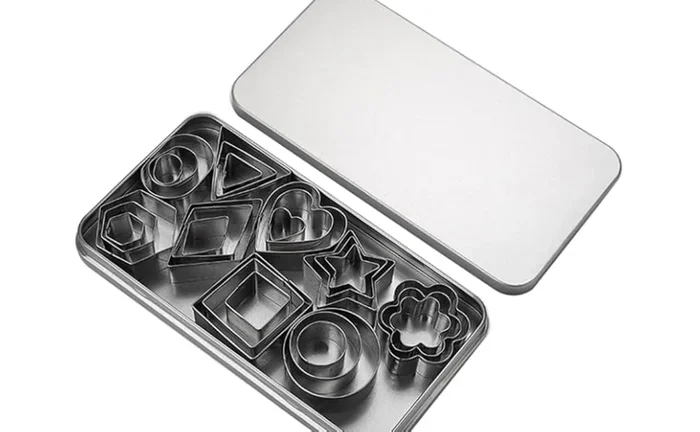
Metal is the gold standard for oven-safe cookie cutters. Stainless steel and aluminum are durable and conduct heat well. They can handle temperatures up to 450°F without warping. Metal cutters are ideal for baking with cookie cutters because they hold their shape and cut cleanly through dough. They are also easy to clean. Just be careful of sharp edges.
One thing to watch for is thin metal cutters. Very thin metal can heat up quickly and burn your fingers. Use a towel or oven mitt when handling them right out of the oven.
Silicone Cookie Cutters
Silicone is another excellent choice for oven use. Silicone cookie cutters are flexible, non-stick, and heat-resistant. Most are rated for temperatures up to 450°F. They work great for both cookies and savory baking. The flexibility makes them easy to remove from baked goods. They also come in fun shapes and bright colors.
Silicone vs metal cookie cutters: both are oven-safe, but they behave differently. Metal gives a crispier edge because it conducts heat directly. Silicone is softer and may produce a slightly chewier texture. Choose based on your preference and the recipe.
Plastic and Wooden Cookie Cutters
Plastic and wood are generally not oven-safe. Plastic can melt at baking temperatures and release harmful chemicals. Wood can char, crack, or even catch fire. Avoid putting these materials in the oven. If you love a plastic or wooden cutter, use it only for shaping cold dough and never expose it to heat.
Oven-Safe Materials Comparison
| Material | Oven-Safe Temp | Durability | Best For |
|---|---|---|---|
| Stainless Steel | Up to 500°F | Very High | Cookies, pastries, roasted veggies |
| Aluminum | Up to 450°F | High | Lightweight baking, even heating |
| Silicone | Up to 450°F | High | Flexible shapes, non-stick baking |
| Plastic | Not Oven-Safe | Low | Cold dough shaping only |
| Wood | Not Oven-Safe | Low | Cold dough shaping only |
Just like you’d check if a plate can go in the oven, you need to know your cookie cutters’ limits. For more on oven-safe dishware, see Can I Put A Plate In The Oven.
How to Bake with Cookie Cutters: Step-by-Step
Baking with cookie cutters in the oven is simple once you know the steps. Follow this guide for perfect results every time.
- Preheat your oven. Set it to the temperature your recipe calls for, usually between 350°F and 375°F.
- Prepare your dough. Roll it out on a lightly floured surface to about ¼ inch thickness.
- Cut out your shapes. Press the cutter straight down and twist slightly. Do not drag the cutter, or it will distort the edges.
- Place shapes on a baking sheet. Line the sheet with parchment paper or a silicone mat. Leave a little space between each shape.
- Bake according to the recipe. Most cookie dough bakes for 8 to 12 minutes. Check for golden edges.
- Cool before removing. Let the cookies sit on the baking sheet for 2 to 3 minutes. Then carefully lift them off with a spatula.
For how to bake cookies with cookie cutters, the key is to work quickly and keep the dough cold. If the dough gets too warm, the cutters will stick and the shapes will lose their definition. Chill the dough for 30 minutes before cutting if needed.
Using Parchment Paper for Easy Release
Parchment paper is your best friend when baking with cookie cutters. It prevents sticking and makes cleanup a breeze. If you are using a toaster oven, you might wonder about parchment paper safety. For guidance, see Is Parchment Paper Toaster Oven Safe.
Quick Tips for Perfect Cutouts
- Dip the cutter in flour before each cut.
- Use a thin spatula to lift cutouts gently.
- Re-roll scraps only once to avoid tough cookies.
- For even baking, place the baking sheet on the middle rack.
Common Mistakes That Cause Cookie Cutters to Melt
Even oven-safe cutters can fail if you make these common errors. Knowing what to avoid will extend the life of your tools and keep your baking safe.
Using the Wrong Temperature
Every material has a cookie cutter melting point. Exceeding that temperature will cause warping or melting. For example, some silicone cutters can handle 450°F, but others are only rated for 350°F. Always check the heat limit. If you are unsure, stick to 350°F or lower. This is a safe range for most oven-safe cookie cutters.
Leaving Cutters in the Oven Too Long
Do not leave cookie cutters in the oven while the cookies bake for an extended time. The prolonged heat can weaken the material over time. Remove the cutters as soon as the cookies are done. If you need to bake for longer than 15 minutes, check the cutters periodically.
Using Painted or Decorated Cutters
Some cookie cutters have painted designs or decorative coatings. These are not always oven-safe. The paint can peel off or release fumes when heated. Only use cutters that are specifically labeled as food-safe and oven-safe. If you are unsure, stick to plain metal or silicone.
Overcrowding the Baking Sheet
Crowding the pan blocks airflow and causes uneven baking. It also makes it harder to remove the cutters without bending the cookies. Give each shape plenty of space. This also helps the cookie cutter heat resistance last longer because the cutter is not exposed to direct heat for too long.
Cleaning Cookie Cutters After Baking
After baking, clean your cookie cutters thoroughly. Residual dough can harden and damage the material over time. For oven cleaning tips, see How To Clean Hamilton Beach Toaster Oven. A clean oven and clean cutters ensure better baking results next time.
Expert Insight: The Science of Cookie Cutter Heat Resistance
Professional bakers know that heat resistance depends on the material’s molecular structure. Stainless steel has a very high melting point, so it stays solid in any home oven. Silicone is made of polymers that remain stable up to 450°F. Plastic, however, is made of polymers that soften and melt at much lower temperatures. Understanding this helps you choose the right tool for the job.
Expert Tips for Perfect Oven-Baked Shapes
Take your baking with cookie cutters to the next level with these pro tips. These small changes make a big difference in the final result.
Chill the Dough
Chilled dough holds its shape better. When you cut cold dough, the edges stay sharp and the cutter glides smoothly. This is especially important for intricate shapes. Place the dough in the refrigerator for 30 minutes before cutting. If you are in a hurry, 15 minutes will also help.
Use a Light Touch
Press the cutter down firmly but do not force it. Twisting slightly helps sever the dough cleanly. If you push too hard, the dough can stick to the cutter and distort the shape. A light touch also keeps the cookie cutter oven use safe because you avoid bending the metal.
Rotate the Pan Halfway
Ovens often have hot spots. Rotating the baking sheet halfway through ensures even browning. This is a simple step that prevents burnt edges and undercooked centers.
Avoid Dark Baking Sheets
Dark baking sheets absorb more heat and can cause bottoms to burn. Use a light-colored aluminum baking sheet or line it with parchment paper. This gives you more control over the baking temperature and produces evenly golden cookies.
Test with a Small Batch
If you are trying a new cutter or a new dough, bake a few test cookies first. This lets you check the shape, color, and texture before committing to a full batch. You can adjust the time or temperature based on the results.
Can You Use Cookie Cutters in a Toaster Oven?
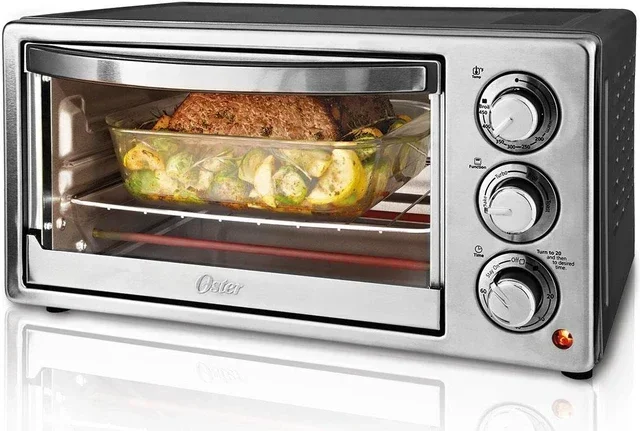
Yes, you can use cookie cutters in a toaster oven. Toaster ovens work just like regular ovens, but they are smaller and heat up faster. This makes them great for baking a few cookies at a time. The same material rules apply: metal and silicone cutters are safe. Plastic and wood are not.
Because toaster ovens have less space, you need to be careful with placement. Do not let the cutter touch the heating element. Use a small baking sheet or a piece of parchment paper to keep everything stable. If you are using parchment paper, remember to check its safety for toaster oven use. For more details, see Is Parchment Paper Toaster Oven Safe.
Toaster oven cookie cutters work best when you reduce the baking time slightly. Toaster ovens often cook faster than full-size ovens, so start checking for doneness a minute or two early. Use a thin spatula to remove the cookies gently.
Can You Put Cookie Cutters in the Oven for Savory Recipes?
Absolutely. Cookie cutters are not just for sweets. You can use them to cut out shapes from biscuit dough, potato slices, or even fruit leather. When baking savory items, the same material rules apply. Metal and silicone cutters are safe. Avoid plastic or wood. The cookie cutter heat resistance remains the same regardless of what you are baking.
For example, you can cut out star shapes from biscuit dough and bake them as savory crackers. Or use a round cutter to shape potato rounds for roasting. The possibilities are endless. Just remember to adjust the baking temperature based on the recipe, not the cutter.
Key Takeaways for Toaster Oven Use
- Metal and silicone cookie cutters are safe in toaster ovens.
- Reduce baking time slightly because toaster ovens cook faster.
- Always use parchment paper or a silicone mat to prevent sticking.
- Keep cutters away from the heating elements.
Conclusion
So, can cookie cutters go in the oven without melting down? Yes, as long as you choose the right material and follow the guidelines. Metal and silicone cutters are your best friends for oven baking. They can handle high temperatures and produce beautiful, consistent shapes every time. Avoid plastic, wood, and painted cutters in the oven. Check the manufacturer’s heat limit, use parchment paper, and always let the cookies cool before removing them.
With these tips, you can confidently bake cookies, savory shapes, and roasted vegetables using your favorite cookie cutters. The key is to respect the heat limits and treat your tools with care. Now that you know how to use cookie cutters in the oven safely, you can get creative in the kitchen. Happy baking!
Frequently Asked Questions
Can you put any cookie cutter in the oven?
No, not all cookie cutters are oven-safe. Metal and silicone cutters can handle high heat, but plastic, wood, and painted cutters will melt or burn. Always check the material and manufacturer guidelines before placing a cutter in the oven.
What is the safe temperature for cookie cutters in the oven?
Most oven-safe cookie cutters can handle temperatures up to 450°F. However, some silicone and plastic-coated cutters may have lower limits. Always check the product label. When in doubt, keep your oven at or below 350°F for extra safety.
Can you use cookie cutters in a toaster oven?
Yes, you can use cookie cutters in a toaster oven as long as they are metal or silicone. The same material rules apply. Just be mindful of the smaller space and reduce baking time slightly. Ensure the cutter does not touch the heating element.
Why did my cookie cutter melt in the oven?
Your cookie cutter likely melted because it was made of plastic or had a low heat-resistant coating. The cookie cutter melting point of most plastics is around 300°F, which is within the range of many baking recipes. Always use metal or silicone for oven baking.
How do you clean cookie cutters after oven use?
Let the cutters cool completely, then wash them with warm soapy water. Use a soft brush to remove any baked-on dough. Dry them thoroughly before storing. For oven cleaning, follow the steps in How To Clean Hamilton Beach Toaster Oven to keep your appliance in top shape.
Can you reuse cookie cutters that have been in the oven?
Yes, oven-safe cookie cutters can be reused many times. Metal and silicone cutters are especially durable. Just clean them properly after each use and store them in a dry place. Avoid exposing them to sudden temperature changes, which can cause warping.