What Temp Do You Cook Chicken In Oven For Juicy Results
Cooking chicken at the right oven temperature is the single most important factor for juicy, delicious results. The ideal chicken oven temperature is 425°F for most cuts, which delivers a crispy exterior and a moist, tender interior. Whether you are baking bone-in chicken thighs or a whole roasted chicken, understanding your target internal temperature chicken of 165°F is essential. This guide covers every temperature, time, and technique you need to cook oven-baked chicken like a pro.
There is nothing quite like a perfectly cooked chicken coming out of the oven. Golden, crispy skin on the outside and juicy, tender meat on the inside. But getting to that point is not always easy. Many home cooks struggle with dry chicken breasts or undercooked thighs, and the root cause usually comes down to one thing: temperature. Knowing what temp do you cook chicken in oven makes all the difference between a meal you are proud of and one you order takeout for.
This guide covers everything you need to know about chicken oven temperature, cooking times for different cuts, and the simple tricks that turn ordinary chicken into something extraordinary. Whether you are a beginner or a seasoned home cook, you will find practical tips you can use right away.
Key Takeaways
- 425°F is the sweet spot: This temperature works beautifully for almost every chicken cut, giving you crispy skin and juicy meat.
- Always use a meat thermometer: The internal temperature chicken must reach 165°F at the thickest point for food safety.
- Bone-in pieces need more time: Expect 35 to 45 minutes for bone-in thighs and drumsticks at 425°F.
- Rest your chicken after cooking: Letting it sit for 5 to 10 minutes keeps the juices locked in.
- Boneless breasts cook faster: They need only 20 to 25 minutes at 425°F to stay tender and not dry out.
- Brining or marinating adds moisture: Either method significantly improves flavor and juiciness.
- An oven thermometer prevents guesswork: Many ovens run hot or cold, so a standalone thermometer ensures accuracy.
📑 Table of Contents
The Perfect Chicken Oven Temperature
When people ask what temp do you cook chicken in oven, the answer is not always one number. Different cuts benefit from slightly different temperatures. But for most situations, 425°F is the gold standard. Here is why it works so well.
Cooking chicken at 425°F allows the outside to brown and crisp up nicely while the inside cooks through evenly. The high heat creates a beautiful crispy chicken skin and helps lock in moisture. Lower temperatures, like 350°F, take longer and can dry out leaner cuts like boneless chicken breast. Higher temperatures can burn the outside before the inside is safe to eat.
Why 425°F Works So Well
At 425°F, the Maillard reaction happens quickly. This is the chemical process that creates browning and complex flavors on the surface of the chicken. It also means shorter cook times, which reduces the chance of overcooking. The result is juicy chicken with a satisfying crunch.
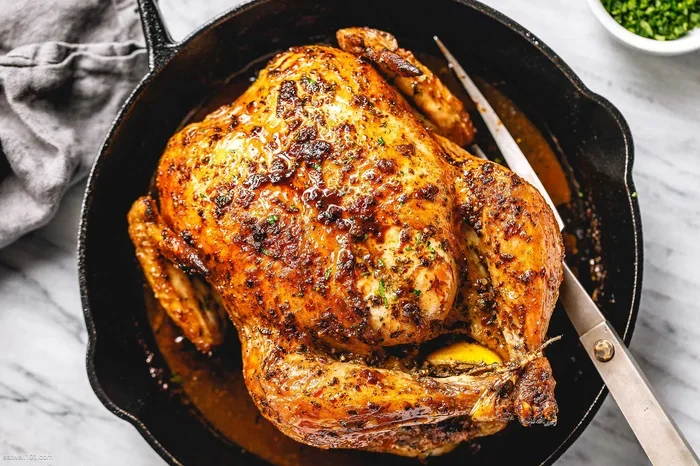
For whole roasted chicken, 425°F is ideal because it crisps the skin beautifully while cooking the meat through at a steady pace. For smaller pieces like wings or drumsticks, this temperature gives you that perfectly crispy exterior everyone loves.
When to Use Lower Temperatures
Sometimes you might want to use a lower temperature, like 375°F or 350°F. This works well when you are cooking a stuffed chicken or a very large whole bird. Lower temperatures give the heat more time to reach the center without burning the outside. However, you need to monitor the cook time carefully because longer cooking times can dry out the meat.
How Long to Cook Chicken in the Oven
Temperature and time go hand in hand. Even if you know what temp do you cook chicken in oven, you still need to understand how long each cut needs in there. Here is a detailed breakdown.
Boneless Chicken Breasts
Boneless chicken breast is the most popular cut, but also the one most prone to drying out. At 425°F, a typical boneless breast (about 6 ounces) needs 20 to 25 minutes. The key is not to overcook it. Once the internal temperature chicken reaches 165°F, pull it out immediately.
If you prefer a more gentle approach, you can bake at 400°F for 22 to 28 minutes. This slightly lower temperature gives you a bit more margin for error and can result in a more evenly cooked piece of meat.
Bone-In Chicken Thighs and Drumsticks
Bone-in chicken thighs and drumsticks are more forgiving because the bone and extra fat keep them moist. At 425°F, these pieces need 35 to 45 minutes. The skin should be deeply golden and crispy, and the juices should run clear when you pierce the thickest part.
For extra crispy skin, try broiling for the last 2 to 3 minutes. Just watch them closely because broiler heat can go from perfect to burnt in seconds.
Whole Roasted Chicken
A whole roasted chicken at 425°F typically takes 1 hour to 1 hour and 20 minutes, depending on the size. A 4 to 5 pound bird is the sweet spot for this temperature. The chicken is done when the internal temperature chicken reads 165°F in the thickest part of the thigh, not touching the bone.
Some cooks prefer to start at a higher temperature (450°F) for the first 15 minutes to get the skin crisping, then drop to 425°F for the remainder. This technique works well for those who love extra crunchy skin.
Quick Reference: Chicken Cooking Times at 425°F
- Boneless chicken breast: 20 to 25 minutes
- Bone-in chicken thighs: 35 to 45 minutes
- Chicken drumsticks: 30 to 40 minutes
- Whole chicken (4-5 lbs): 60 to 80 minutes
- Chicken wings: 25 to 30 minutes
Whole Chicken vs. Chicken Parts
Choosing between a whole roasted chicken and individual pieces changes how you approach oven-baked chicken. Each option has its own advantages and cooking considerations.
Benefits of Cooking a Whole Chicken
A whole chicken is impressive for dinner parties and family meals. It is also more economical per serving. The bones and skin render during cooking, creating natural flavor and moisture. When you roast a whole bird at 425°F, the even heat distribution helps cook it uniformly.
One of the best things about a whole chicken is that you can stuff the cavity with herbs, lemon, and garlic. This infuses the meat with incredible flavor from the inside out. The result is juicy chicken with a depth of flavor that pieces alone cannot match.
Benefits of Cooking Individual Pieces
Cooking chicken parts gives you more flexibility. You can cook different cuts at different times based on their needs. Thighs and drumsticks are hard to overcook because of their higher fat content. Chicken breast pieces cook faster and work well for meal prep.
Individual pieces are also easier to serve and more forgiving when it comes to timing. You do not have to worry about hitting a precise moment for the whole bird. Just check each piece and pull it when it is done.
Tips for Juicy, Flavorful Chicken Every Time
Getting juicy chicken every single time is easier than you think. A few simple habits make a huge difference in your results.
Brine or Marinate Before Cooking
Brining is one of the best things you can do for oven-baked chicken. A simple saltwater brine (just salt and water) helps the meat retain moisture during cooking. Even a 30-minute brine makes a noticeable difference.
If you do not have time to brine, a good marinade works too. Yogurt-based marinades, citrus marinades, and herb-based rubs all add flavor and help keep the meat tender. Let the chicken marinate for at least 30 minutes, but overnight is even better.
Bring Chicken to Room Temperature First
Take your chicken out of the fridge 20 to 30 minutes before cooking. Cold chicken going into a hot oven cooks unevenly. The outside can overcook while the center is still cold. Bringing it to room temperature ensures more even chicken cooking time and better results.
Use an Oven Thermometer
Here is a tip many people overlook. Your oven dial might not be accurate. Ovens can run 15 to 25 degrees off from what they display. An oven thermometer costs just a few dollars and takes the guesswork out of chicken oven temperature. Place it inside your oven and adjust accordingly.
Do Not Skip the Resting Step
Once your roast chicken comes out of the oven, let it rest for at least 5 to 10 minutes. This allows the juices to redistribute throughout the meat. If you cut into it immediately, the juices run out and you end up with drier chicken. Tent it loosely with foil and be patient.
Pat the Chicken Dry Before Seasoning
Moisture is the enemy of crispy skin. Before seasoning, pat the chicken thoroughly dry with paper towels. This simple step removes surface moisture and allows the skin to crisp up beautifully in the oven. It is one of the easiest ways to elevate your bake chicken game.
Common Mistakes to Avoid
Even experienced cooks make mistakes when preparing oven-baked chicken. Knowing what to avoid saves you from dry, overcooked, or undercooked results.
Overcooking the Chicken
The most common mistake is cooking chicken too long. Once the internal temperature chicken hits 165°F, it is done. Every extra minute increases the risk of dry meat. Use a meat thermometer and pull the chicken out as soon as it reaches the target temperature.
Skipping the Thermometer
Many people rely on visual cues, like clear juices or firmness, to judge doneness. These methods are unreliable. The only way to know for sure is with a meat thermometer. Invest in a good instant-read thermometer and make it a habit to check every time.
Cooking at Too Low a Temperature
While 325°F and 350°F are safe temperatures for chicken, they are not ideal for most cuts. Cooking at lower temperatures takes longer, which dries out leaner pieces like boneless chicken breast. Stick to 425°F for the best balance of crispy skin and juicy meat.
Not Letting the Chicken Rest
Cutting into hot chicken right away releases all the juices onto the cutting board instead of keeping them in the meat. Resting is not optional. It is a crucial step that takes just a few minutes and makes a big difference in texture and flavor.
How to Tell When Chicken Is Done
Knowing when chicken is done is one of the most important skills in the kitchen. The food safe temperature for chicken is 165°F, but there is more to it than just hitting that number.
Use an instant-read thermometer inserted into the thickest part of the meat, avoiding the bone. The meat should be white all the way through, not pink near the bone. For bone-in chicken, the juices should run clear, not pink or cloudy.
Another sign of properly cooked chicken is the firmness. When you press the thickest part of the meat with your finger, it should feel firm but still have a slight give. If it feels rubbery, it is overcooked. If it feels soft or squishy, it needs more time.
Remember that the internal temperature chicken will continue to rise a few degrees after you pull it out of the oven. This is called carryover cooking. Factor this into your timing so you do not overshoot the target.
Frequently Asked Questions
What is the best temperature to cook chicken in the oven?
The best temperature for most chicken cuts is 425°F. This high heat creates crispy skin and juicy meat in a shorter amount of time. For a whole chicken, 425°F works beautifully, and for smaller pieces like breasts or thighs, it delivers excellent results every time.
How long does it take to bake chicken at 425°F?
Cooking time depends on the cut. Boneless chicken breasts take 20 to 25 minutes, bone-in thighs need 35 to 45 minutes, drumsticks take 30 to 40 minutes, and a whole 4 to 5 pound chicken needs 60 to 80 minutes. Always use a meat thermometer to confirm doneness.
Can you cook chicken at 350°F instead of 425°F?
Yes, you can cook chicken at 350°F, but it takes longer and the results are different. The skin will not be as crispy, and leaner cuts like chicken breast may dry out more easily. 425°F is generally recommended for the best balance of crispy skin and juicy meat.
What is the safe internal temperature for chicken?
The safe internal temperature chicken is 165°F at the thickest part of the meat, measured with a food thermometer. This is the standard set by food safety authorities. Make sure not to touch the bone when measuring, as the bone conducts heat differently than the meat.
How do I keep chicken breast from drying out in the oven?
Brine the chicken breast for at least 30 minutes before cooking, or use a yogurt-based marinade. Cook at 425°F for no more than 25 minutes, and pull it out the moment it reaches 165°F internally. Let it rest for 5 to 10 minutes before cutting to retain moisture.
Should I cover chicken with foil when baking?
Generally, no. Baking chicken uncovered at 425°F allows the skin to crisp up nicely. You can tent it loosely with foil during the resting period to keep it warm, but covering it during cooking traps steam and prevents crispy skin. The exception is if you are cooking a stuffed chicken, where covering partway through can help the filling cook through evenly.
Conclusion
Knowing what temp do you cook chicken in oven is the foundation of great oven-baked chicken. The magic number is 425°F for most cuts, and always aim for an internal temperature chicken of 165°F. With the right temperature, proper timing, and a few simple techniques like brining and resting, you can consistently cook juicy chicken that everyone will love.
Remember to use a meat thermometer, avoid the common mistakes, and experiment with different cuts and seasonings. Once you master these basics, roast chicken and bake chicken become effortless. So preheat your oven, grab your chicken oven temperature guide, and get cooking. Your next meal is going to be absolutely delicious.