Are All Frying Pans Oven Safe What You Need to Know
Not all frying pans are oven safe. The answer depends on the material, construction, and handle type of your pan. This guide covers everything you need to know about frying pans oven safe use, from cast iron to nonstick coatings, so you can cook with confidence and avoid costly mistakes.
You just pulled out your favorite frying pan and had a great thought. “I can finish this in the oven.” But then you pause. Are all frying pans oven safe? The short answer is no. Not every pan can handle the heat of an oven, and using the wrong one can ruin your cookware, damage your food, or even create a safety hazard.
Understanding frying pans oven safe use is one of the most important things every home cook should know. Whether you are searing meat on the stovetop and finishing it in the oven, or baking a frittata in your skillet, the right pan makes all the difference. In this kitchen cookware guide, we will break down everything you need to know about which pans can go in the oven, which cannot, and how to tell the difference.
We will look at different materials, handle types, temperature limits, and common mistakes people make. By the end, you will feel confident about using your oven safe cookware without any guesswork. Let us get into it.
Key Takeaways
- Not all frying pans are oven safe: Materials like cast iron and stainless steel handle high heat, while nonstick pans have strict limits.
- Check the handle type: Riveted metal handles are oven safe, but plastic or silicone handles can melt at lower temperatures.
- Look for the oven safe symbol: Most manufacturers print a clear icon or note the max temperature on the pan or packaging.
- Temperature limits vary by material: Cast iron can go up to 500 degrees Fahrenheit, while nonstick pans usually max out at 400 to 450 degrees.
- Ceramic and carbon steel pans are great options: They offer excellent heat resistance and durability for oven use.
- Always remove the lid before oven use: Glass lids can crack under high heat and cause serious damage.
- Check the manufacturer guidelines: Pan warranty may be voided if you use the pan in ways the manufacturer did not intend.
📑 Table of Contents
What Does “Oven Safe” Actually Mean?
The term oven safe means a pan can withstand the high temperatures inside an oven without warping, melting, releasing harmful chemicals, or breaking. Not all cookware is built for this. Some pans are designed only for stovetop cooking, while others are made to handle both stovetop and oven use seamlessly.
When a pan is labeled as a heat resistant pan or oven safe cookware, it has been tested to handle temperatures typically ranging from 350 to 500 degrees Fahrenheit. Some premium pans can even go higher. But the key word is “tested.” Just because a pan looks sturdy does not mean it can handle oven heat.
Understanding the Oven Safe Label
Most quality pans come with an oven safe symbol printed on the bottom or back of the handle. This symbol usually looks like a small oven icon or a number indicating the maximum temperature. If you cannot find this symbol, check the packaging or the manufacturer’s website. The oven temperature limit is one of the most important specs to know before placing any pan in a hot oven.
Here is something many people overlook. The oven safe symbol tells you about the pan body, but not always about the handle or the lid. A pan body might be oven safe to 500 degrees, but if the handle is made of phenolic plastic, it may only be safe up to 350 degrees. Always check the full specifications before assuming anything.
Temperature Ratings You Should Know
Every type of cookware heat resistance has its own temperature threshold. Here is a quick breakdown of common temperature ranges for different materials:
- Cast iron: Up to 500 degrees Fahrenheit or higher
- Stainless steel: Up to 500 to 600 degrees Fahrenheit
- Carbon steel: Up to 450 to 500 degrees Fahrenheit
- Ceramic coated: Up to 450 degrees Fahrenheit
- Teflon or PTFE nonstick: Up to 400 to 450 degrees Fahrenheit
- Aluminum (uncoated): Up to 400 to 500 degrees Fahrenheit
These numbers are general guidelines. Always check your specific pan’s manufacturer instructions. Going over the recommended cooking surface temperature can damage the pan and release harmful fumes, especially with nonstick coatings. A broiler safe pan is a different category altogether, since broilers produce direct radiant heat that can exceed standard oven temperatures.
Which Frying Pan Materials Are Oven Safe?
The material of your pan is the biggest factor in determining whether it is safe for oven use. Different materials respond to heat in very different ways. Some can handle extreme temperatures, while others will warp, crack, or release toxic fumes when exposed to high heat.
Cast Iron Frying Pans
Cast iron skillet oven use is one of the most versatile cooking methods available. Cast iron is practically indestructible when it comes to heat. It can go from stovetop to oven to campfire without any issues. This is why cast iron frying pans oven safe use is so popular among home cooks and professional chefs alike.
Cast iron pans can handle temperatures up to 500 degrees Fahrenheit and beyond. They heat slowly but retain heat incredibly well. This makes them perfect for dishes like skillet cornbread, oven-baked pancakes, or finishing a steak in the oven after a stovetop sear.
The downside of cast iron is that it is heavy. If you are lifting a hot cast iron pan in and out of the oven, you need sturdy oven mitts. Also, cast iron requires regular seasoning to maintain its nonstick surface and prevent rust. But if you take care of it, a cast iron pan will last for generations.
Stainless Steel Pans
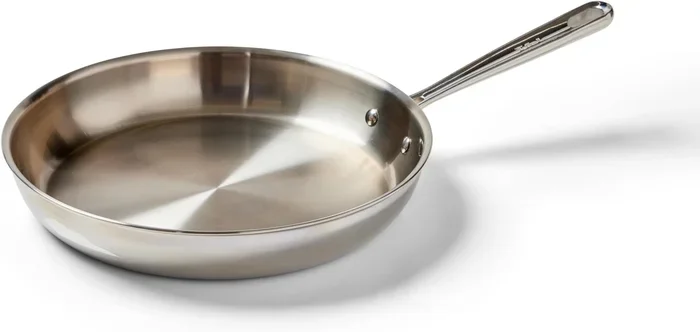
A stainless steel pan offers excellent durability, and most stainless steel frying pans are fully oven safe. High-quality stainless steel cookware can handle temperatures up to 600 degrees Fahrenheit, making it one of the most heat resistant pan options available.
Stainless steel is non-reactive, which means it will not leach chemicals into your food even at high temperatures. This makes it a great choice for baking with pans that will come into direct contact with acidic foods like tomatoes or citrus.
One thing to watch out for is the handle. Some stainless steel pans have handles that are welded or riveted with metal, which makes them fully oven safe. Others may have silicone or phenolic handles that have lower temperature limits. Always check the specifications before using a stainless steel pan in the oven.
Carbon Steel Pans
A carbon steel pan is constructed similarly to cast iron but thinner and lighter. Carbon steel frying pans oven safe use is very common, especially in professional kitchens. These pans can handle temperatures up to 450 to 500 degrees Fahrenheit.
Carbon steel heats up quickly and responds fast to temperature changes. This makes it ideal for dishes that need a hot oven finish, like a Spanish tortilla or a quick bake of a savory galette. The pan is also naturally nonstick when properly seasoned, much like cast iron.
The lighter weight of carbon steel makes it easier to maneuver in and out of the oven compared to cast iron. However, carbon steel pans also require seasoning and proper care to prevent rust and maintain their cooking surface over time.
Nonstick and Ceramic Coated Pans
Nonstick pan oven use is a topic that causes a lot of confusion. The truth is, many nonstick pans are oven safe, but only up to a certain temperature. Most Teflon coating pans are rated for temperatures between 400 and 450 degrees Fahrenheit.
Exceeding this temperature is dangerous. When nonstick coatings get too hot, they can release toxic fumes that are harmful to humans and lethal to birds. This is why it is critical to check the oven temperature limit before putting a nonstick pan in the oven.
A ceramic frying pan has become increasingly popular in recent years. Ceramic coatings are generally considered safer at high temperatures and are often rated up to 450 degrees Fahrenheit. However, ceramic coatings tend to wear out faster than traditional nonstick coatings, so they may need to be replaced more frequently.
If you plan to do a lot of oven safe cookware cooking with nonstick pans, look for pans that are labeled as “oven safe to 500 degrees” or higher. Some premium nonstick pans use advanced coatings that can handle higher temperatures without releasing harmful fumes.
Aluminum and Copper Pans
Aluminum pans are excellent heat conductors, which means they heat up and cool down quickly. Uncoated aluminum pans are generally oven safe up to 400 to 500 degrees Fahrenheit. However, many aluminum pans have a nonstick or ceramic coating that limits their oven-safe temperature.
Copper pans are beautiful and conduct heat beautifully, but they are usually lined with tin or stainless steel. The copper body itself can handle high oven temperatures, but the lining may have its own temperature limit. Always check the manufacturer’s guidelines for copper cookware before oven use.
Both aluminum and copper pans are often used for professional baking with pans tasks like roasting vegetables or making sheet pan dinners. Just make sure the pan is fully oven safe before it goes in, and remember that uncoated aluminum can react with acidic foods at high temperatures.
How to Check if Your Frying Pan Is Oven Safe
Not sure if your current frying pan can go in the oven? You have several ways to find out. Taking a few minutes to check can save you from a ruined pan or a kitchen accident.
Look for the Oven Safe Symbol
The easiest way to determine if your pan is oven safe is to look for the oven safe symbol on the bottom of the pan. This symbol usually looks like a small oven with wavy lines or a number indicating the maximum temperature. Many modern pans also have this information printed on the packaging or included in the user manual.
If you have lost the packaging and cannot find a symbol on the pan, do a quick online search for the brand and model. Most manufacturers list the oven-safe temperature on their website or in their product specifications. This is a simple step that can save you a lot of trouble.
Read the Manufacturer Guidelines
Every reputable pan brand provides clear guidelines about oven safety. These guidelines cover not just the pan body but also the handle, the lid, and any nonstick coating. If you are unsure, contact the manufacturer directly. They are usually happy to clarify whether a specific pan model is safe for oven use.
Keep in mind that pan warranty terms may be voided if you use the pan in ways the manufacturer did not intend. If you damage a pan by putting it in the oven when it is not oven safe, you may not be covered for a replacement. Always keep your receipts and registration documents for your cookware.
Inspect the Handle and Lid
The pan body is not the only part that matters. The pan handle material is just as important. Metal handles with rivets are almost always oven safe. Stainless steel, cast iron, and wrought iron handles can handle very high temperatures without any issues.
However, handles made of plastic, silicone, or wood have lower temperature limits. A silicone-wrapped handle might only be safe up to 350 degrees Fahrenheit, even if the pan body can handle 500 degrees. Similarly, wooden handles can crack or burn in a hot oven.
As for lids, most glass lids are not oven safe above 350 to 400 degrees Fahrenheit. The glass can crack or shatter under high heat. If you need to cover a pan in the oven, use a metal lid or a sheet of aluminum foil instead. This is one of the simplest yet most overlooked tips for safe oven cooking.
Common Mistakes People Make with Oven-Safe Pans
Even experienced cooks sometimes make mistakes when using frying pans in the oven. These errors can damage your cookware, ruin your food, or even create safety hazards. Knowing what to avoid is just as important as knowing what to do.
Ignoring Handle Materials
This is the number one mistake people make. They see that the pan body is oven safe and assume the whole pan is safe. But if the handle is made of a material that cannot handle high heat, you are asking for trouble. A melted plastic handle not only ruins the pan but can also release harmful chemicals into your food.
Always check the handle material before placing a pan in the oven. If the handle is not oven safe, consider using a pan with a metal handle or investing in oven safe cookware with heat-resistant handles rated for high temperatures. A small detail like this can make a big difference in safety and pan longevity.
Exceeding Temperature Limits
Every pan has a maximum temperature it can handle. Going beyond that limit can warp the pan, damage the coating, or release toxic fumes. This is especially true for nonstick pans with Teflon or PTFE coatings. Preheating an empty nonstick pan in the oven is particularly dangerous.
An empty pan can reach extremely high temperatures very quickly, far beyond what the coating can handle. Always add food or oil before placing a nonstick pan in a hot oven. This simple habit can extend the life of your pan and keep your kitchen safe.
Using Pans with Plastic or Wooden Handles
Pans with plastic or wooden handles are generally not safe for oven use above 350 degrees Fahrenheit. Some people wrap the handle in foil to protect it, but this is not a reliable solution. The heat can still transfer to the handle, and the foil can shift during cooking, exposing your hands to burns.
If you love a pan with a wooden or plastic handle but want to use it in the oven, look for pan holders or silicone handle sleeves that are rated for high temperatures. These can provide an extra layer of protection, but they do not make an unsafe pan safe. Know your limits and choose the right tool for the job.
Best Oven-Safe Frying Pans for Your Kitchen
Now that you know what to look for, let us talk about some of the best frying pans oven safe options on the market. Whether you are looking for everyday value or a premium investment, there is a pan that fits your needs and budget.
Top Picks for Everyday Cooking
For most home cooks, a stainless steel pan or a cast iron skillet oven combo covers all your oven-safe cooking needs. Stainless steel is lightweight, easy to clean, and handles temperatures up to 600 degrees Fahrenheit. It is perfect for searing on the stovetop and finishing in the oven without any worries.
Cast iron is the heavyweight champion of oven-safe cooking. It may be heavy, but it is virtually indestructible and gets better with age. A well-seasoned cast iron skillet can go from the stovetop to a 500-degree oven without missing a beat. It is the ultimate multi-use cookware piece for any kitchen.
Budget-Friendly Options
You do not need to spend a fortune to get quality heat resistant pan options for your kitchen. Carbon steel pans offer excellent oven safety at a lower price point than cast iron. They are lighter, heat up quickly, and work just as well for oven-finishing dishes like frittatas and skillet-baked breads.
Uncoated aluminum pans are another budget-friendly choice. They heat up fast and are oven safe at reasonable temperatures. Just make sure the pan does not have any nonstick coating if you plan to use it at high oven temperatures. A simple uncoated aluminum pan can serve you well for years.
Premium Choices for Serious Cooks
If you are serious about cooking, consider investing in multi-use cookware from brands known for their durability and oven-safe construction. Premium stainless steel pan sets with fully metal construction, including handles and lids, offer the most versatility and longevity.
Some premium pans come with lifetime warranties and are designed to last a lifetime. These are the pans you can pass down to the next generation. Look for brands that clearly state the oven temperature limit and provide detailed care instructions. The upfront cost pays off over many years of reliable use.
Tips for Using Frying Pans in the Oven Safely
Using frying pans in the oven is convenient and expands your cooking possibilities. But doing it safely requires some basic knowledge and a few good habits. These practical tips will help you get the best results every time.
Preheating Best Practices
Always preheat your oven before placing the pan inside. Putting a cold pan into a hot oven can cause thermal shock, which may warp or crack the pan. This is especially true for aluminum and nonstick pans, which are more sensitive to rapid temperature changes.
If you are searing food on the stovetop and then moving it to the oven, make sure the oven is already at the right temperature. This reduces the time the pan spends at extreme temperature differences, which helps preserve the pan’s integrity. A gradual transition is always better for your cookware.
Cleaning and Maintenance
Proper cleaning extends the life of your pan durability significantly. After oven use, let the pan cool down before washing it. Plunging a hot pan into cold water can cause warping, especially with aluminum and stainless steel. Give it at least 15 to 20 minutes to cool naturally.
For cast iron and carbon steel pans, avoid using soap and instead clean with hot water and a stiff brush. Dry the pan thoroughly after washing to prevent rust. For stainless steel and nonstick pans, a gentle dish soap and warm water are usually sufficient. Regular maintenance keeps your frying pans oven safe performance at its best.
When to Replace Your Pan
No pan lasts forever. Even the best oven safe cookware will eventually show signs of wear. If your nonstick pan has scratches or flaking, it is time to replace it. If a cast iron pan has developed deep rust that cannot be removed, it may be beyond saving.
Warped pans should also be replaced. A warped pan sits unevenly on the stovetop, leading to hot spots and uneven cooking. In the oven, a warped pan may wobble on the rack, which can be a safety hazard. Trust your instincts. If something feels off about your pan, it probably is time for a new one.
Conclusion
The answer to the question “Are all frying pans oven safe?” is a clear no. The safety of a frying pan in the oven depends on its material, construction, handle type, and temperature rating. Cast iron, stainless steel, and carbon steel pans are generally the most frying pans oven safe options, while nonstick and ceramic pans have more specific temperature limits you must respect.
Always check for the oven safe symbol and read the manufacturer guidelines before placing any pan in a hot oven. Pay attention to handle materials, temperature limits, and lid compatibility. By following these simple guidelines, you can expand your cooking methods, improve your results, and keep your cookware in great shape for years to come.
Take the time to understand your pans. A few minutes of research now can save you from expensive replacements and kitchen accidents later. Happy cooking.
Frequently Asked Questions
Can I put a nonstick frying pan in the oven?
Many nonstick frying pans are oven safe, but only up to a certain temperature. Most Teflon-coated pans are rated for temperatures between 400 and 450 degrees Fahrenheit. Always check the manufacturer’s guidelines before placing a nonstick pan in the oven, and never exceed the recommended temperature limit to avoid releasing harmful fumes.
How do I know if my frying pan handle is oven safe?
Check the handle material. Metal handles with rivets are almost always oven safe. Silicone, plastic, and wooden handles have lower temperature limits and may not be safe above 350 degrees Fahrenheit. Look for the oven safe symbol or check the manufacturer’s specifications for the handle’s temperature rating before placing the pan in a hot oven.
Can I use a glass lid in the oven with my frying pan?
Most glass lids are not safe for oven use above 350 to 400 degrees Fahrenheit. The glass can crack or shatter under high heat. If you need to cover a pan in the oven, use a metal lid or a sheet of aluminum foil instead. Always check the lid’s temperature rating before placing it in the oven to avoid damage or injury.
What is the best material for oven-safe frying pans?
Cast iron, stainless steel, and carbon steel are widely considered the best materials for oven-safe frying pans. They can handle high temperatures without warping, releasing harmful fumes, or losing their cooking properties. Each material has its own advantages, so choose based on your cooking style, budget, and how much care you are willing to put into maintenance.
Does a warped frying pan affect oven cooking?
Yes, a warped pan can cause problems in the oven. It may sit unevenly on the rack, leading to hot spots and uneven cooking. A warped pan can also wobble, which is a safety hazard when removing it from a hot oven. If your pan is warped, it is best to replace it to ensure safe and even cooking results.
Can I put a frying pan with a silicone handle cover in the oven?
It depends on the temperature rating of the silicone cover. Most silicone handle covers are rated for temperatures up to 400 to 450 degrees Fahrenheit. However, if your oven temperature exceeds this limit, the silicone may melt or release harmful fumes. Always check the temperature rating of any silicone accessories before using them in the oven to stay safe.