How Long To Cook Slow Cooked Brisket In Your Oven
Slow cooking brisket in the oven takes about 1 to 1.5 hours per pound at 225°F to 300°F. The key is low heat and patience. This guide covers timing, temperature, prep, and pro tips to help you achieve melt-in-your-mouth brisket right in your kitchen.
Key Takeaways
- Plan for 1 to 1.5 hours per pound: Most briskets need 8 to 16 hours in a low oven to become tender.
- Keep the oven between 225°F and 300°F: Low and slow cooking breaks down collagen for the best texture.
- A dry rub and liquid braising liquid make a big difference: They add deep flavor and keep the meat moist.
- Wrap in foil partway through: This speeds up cooking and locks in juices.
- Always rest the brisket for at least 1 hour: Resting lets the juices redistribute for a juicier result.
- Slice against the grain: This ensures each piece is tender and easy to chew.
- Use a meat thermometer: The internal temperature should reach 195°F to 205°F for the best texture.
📑 Table of Contents
- How Long To Cook Slow Cooked Brisket In Oven
- Choosing the Best Brisket Cut for Oven Cooking
- The Ideal Oven Temperature for Slow Cooked Brisket
- Step-by-Step Guide to Cooking Brisket in the Oven
- Tips for Getting Tender, Flavorful Brisket Every Time
- Slicing, Resting, and Serving Your Oven Brisket
- How Long To Cook Slow Cooked Brisket In Oven: Quick Reference Chart
- Expert Insights on Oven-Braised Brisket
- Final Thoughts on Cooking Brisket in the Oven
How Long To Cook Slow Cooked Brisket In Oven
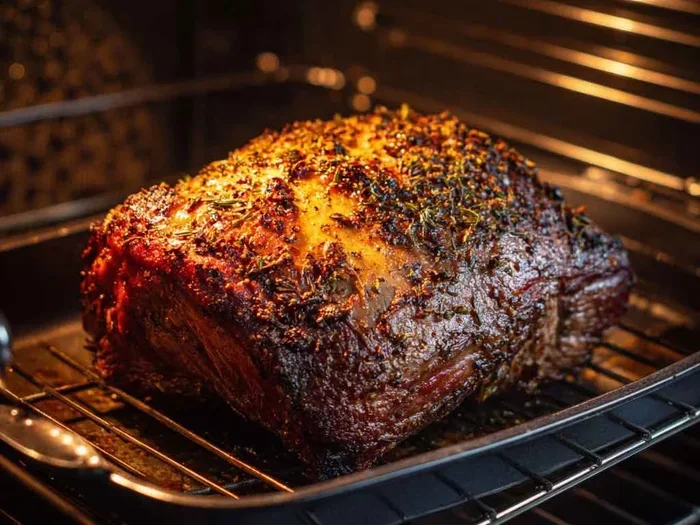
If you have ever wondered how long to cook slow cooked brisket in oven, you are not alone. This tough cut of beef needs time, low heat, and a little patience. The good news is that your oven can do an amazing job. You do not need a smoker or special equipment. With the right approach, you can get restaurant-quality brisket at home.
A whole packer brisket can weigh anywhere from 10 to 15 pounds. That means cooking times can range from 10 to 18 hours. But do not let that scare you. The process is mostly hands-off. You set it, and the oven does the work. The result? A deeply flavorful, fall-apart tender brisket that will impress everyone at your table.
In this guide, we will walk you through everything you need to know. We cover timing, temperature, prep, and pro tips. Whether you are a beginner or a seasoned home cook, you will find practical advice here. Let us dive in and turn that tough cut into something extraordinary.
Choosing the Best Brisket Cut for Oven Cooking
Not all briskets are the same. Choosing the right one sets you up for success from the start. There are two main types you will find at the butcher or grocery store.
Whole Packer Brisket vs. Flat Cut
A whole packer brisket includes both the point and the flat muscles. It is the classic choice for slow cooking. The fat cap between the two muscles bastes the meat as it cooks. This gives you rich flavor and a juicy bite.
A flat cut is leaner and easier to slice evenly. It is a great option if you want simpler prep and more uniform slices. However, it can dry out faster than a whole packer because it has less fat.
What to Look for When Buying
Here are a few things to keep in mind when you shop:
- Color: Look for a deep red color. Avoid meat that looks gray or brown.
- Fat distribution: A thick fat cap is ideal. It melts during cooking and keeps the meat moist.
- Size: Plan for about 1/2 pound of raw brisket per person. A 12-pound packer feeds about 24 people.
- Grade: USDA Choice or Prime grades have more marbling. This leads to better flavor and tenderness.
Take your time at the store. A good brisket makes all the difference in the final dish.
The Ideal Oven Temperature for Slow Cooked Brisket
Temperature is the most important factor in how long to cook slow cooked brisket in oven. The whole idea is low and slow cooking. This gentle heat breaks down the tough collagen in the meat and turns it into gelatin. That is what gives brisket its silky, tender texture.
Why Low Heat Works Best
When you cook brisket at high temperatures, the muscle fibers tighten up quickly. The meat squeezes out its moisture and becomes tough and dry. Low heat gives the collagen time to dissolve without squeezing the juices out. The result is a moist, tender, and flavorful piece of meat.
Recommended Temperature Ranges
Here are the most common oven temperatures for slow cooking brisket:
- 225°F: The gold standard for oven-braised brisket. It takes longer but produces the best texture.
- 250°F: A slightly faster option. Great if you are short on time but still want excellent results.
- 275°F to 300°F: The fastest low-heat range. Use this if you need to speed things up a bit.
For most home cooks, 250°F strikes the perfect balance between time and quality. You get great flavor without waiting all day.
Step-by-Step Guide to Cooking Brisket in the Oven
Now that you know the basics, let us get into the actual cooking process. Follow these steps for the best results every time.
Step 1: Prep the Brisket
Start by removing the brisket from the fridge about 1 hour before cooking. Let it come to room temperature. This helps it cook more evenly. Pat the meat dry with paper towels. Moisture on the surface can prevent a good bark from forming.
Step 2: Apply a Dry Rub
A simple dry rub adds a lot of flavor. Here is a basic recipe you can use:
- 1/4 cup coarse black pepper
- 1/4 cup kosher salt
- 2 tablespoons garlic powder
- 2 tablespoons onion powder
- 1 tablespoon smoked paprika
- 1 tablespoon brown sugar
Mix all the ingredients together. Coat the entire brisket generously, including the sides. Press the rub into the meat so it sticks well. Let the rubbed brisket sit for at least 1 hour, or overnight in the fridge for deeper flavor.
Step 3: Set Up the Braising Liquid
A braising liquid keeps the brisket moist during the long cook. You do not need anything fancy. Here is a simple option:
- 2 cups beef broth
- 1 cup apple cider vinegar
- 1/2 cup Worcestershire sauce
- 1 tablespoon liquid smoke (optional)
- 2 bay leaves
- 5 cloves of garlic, smashed
Pour the liquid into a large roasting pan or Dutch oven. The liquid should come about one-third to halfway up the sides of the brisket.
Step 4: Place the Brisket in the Oven
Put the brisket fat side up in the pan. Cover the pan tightly with aluminum foil or a lid. Place it in the preheated oven at 225°F to 250°F. Set a timer and let the oven-braised brisket do its thing.
Step 5: The Wrapping Stage
After about 4 to 5 hours, check the internal temperature. When it reaches around 165°F to 170°F, it is time to wrap. This is called the Texas crutch method. Here is how to do it:
- Remove the pan from the oven.
- Lift the brisket out and place it on a large sheet of butcher paper or heavy-duty foil.
- Wrap it tightly, creating a sealed package.
- Place it back in the pan with the braising liquid.
- Return it to the oven and continue cooking.
Wrapping speeds up the cooking process and helps the meat push through the stall. It also keeps the bark from getting too hard.
Step 6: Monitor the Internal Temperature
Use a reliable instant-read meat thermometer to track progress. Insert it into the thickest part of the flat, avoiding any large fat pockets. The brisket is done when the internal temperature reaches:
- 195°F to 205°F for the most tender texture
- 185°F to 190°F if you prefer a slightly firmer bite
Remember, time is just a guide. The temperature is what really matters. Every brisket is different, and the cut, thickness, and oven all play a role.
Step 7: Rest the Brisket
Once the brisket hits the target temperature, pull it out of the oven. Do not slice it right away. Resting the brisket is one of the most overlooked steps. Wrap it in a clean towel and place it in a cooler or insulated box. Let it rest for at least 1 hour, up to 2 hours. This allows the juices to redistribute throughout the meat. The result is a much juicier and more flavorful slice.
Tips for Getting Tender, Flavorful Brisket Every Time
Even with perfect timing and temperature, small details can make or break your brisket. Here are some expert tips to help you get the best results.
Use the Right Pan and Liquid
A heavy-duty roasting pan or a Dutch oven works best. The thick walls distribute heat evenly and prevent hot spots. If you only have a thin pan, add a rack underneath the brisket to elevate it. This prevents the bottom from overcooking or burning.
Do not skip the braising liquid. It creates steam inside the pan, which keeps the meat moist. You can also use beer, cola, or apple juice as alternatives to beef broth. Each adds its own unique flavor profile to the slow cooked brisket.
Add Wood Chips for a Smoky Flavor
If you want a hint of smoke flavor without a smoker, try this trick. Soak wood chips in water for 30 minutes. Spread them on a foil-lined baking sheet. Place the sheet on the oven floor below the brisket. The steam and mild smoke will add a subtle depth of flavor. Hickory and oak chips work especially well with brisket.
Do Not Rush the Cook
This is the most important tip. Low and slow cooking is not just a phrase. It is the science behind tender brisket. Raising the oven temperature to save time will result in tough, dry meat. Plan your cook ahead of time. Start early in the morning or even the night before. A slow cook brisket in the oven is worth the wait.
Keep the Oven Door Closed
Every time you open the oven door, the temperature drops. The oven has to work harder to recover, which extends the cook time and creates uneven results. Resist the urge to peek. Trust the process. Check the temperature only when you need to, using a quick-read thermometer.
Save the Pan Drippings
After the cook, the braising liquid is full of flavor. Strain it and use it as a base for gravy. Simply simmer it in a saucepan, skim off the excess fat, and thicken it with a little cornstarch slurry. Pour it over sliced brisket for an incredible finishing touch.
Common Mistakes to Avoid
- Cooking at too high a temperature: This dries out the meat and defeats the purpose of slow cooking.
- Skipping the rest: Cutting too early releases all the juices, leaving dry slices.
- Using a small pan: The brisket should fit comfortably with room to breathe. Crowding leads to uneven cooking.
- Not trimming the fat properly: Leave about 1/4 inch of fat on top. Too much fat blocks seasoning from reaching the meat.
- Forgetting to season generously: A bland rub leads to a bland brisket. Be bold with your seasoning.
Slicing, Resting, and Serving Your Oven Brisket
You have put in the time and effort. Now it is time to slice and serve your oven brisket like a pro. How you slice the meat affects both the texture and the eating experience.
How to Slice Against the Grain
The grain of brisket runs in two different directions in the point and flat muscles. Find where the grain changes direction and adjust your knife accordingly. Always slice perpendicular to the grain. This shortens the muscle fibers and makes each bite tender. Slice the flat about 1/4 inch thick and the point slightly thicker.
Serving Suggestions
Here are some great ways to serve your slow cooked brisket:
- Classic BBQ style: Serve on butcher paper with pickles, onions, and white bread.
- Brisket sandwiches: Pile the slices on soft buns with a drizzle of the pan gravy.
- With sides: Pair with coleslaw, baked beans, cornbread, or roasted vegetables.
- Brisket tacos: Top warm tortillas with sliced brisket, pickled onions, and a squeeze of lime.
Leftover brisket keeps well in the fridge for up to 4 days. Reheat it gently in a covered pan with a splash of broth to keep it moist. You can also freeze sliced brisket for up to 3 months.
How Long To Cook Slow Cooked Brisket In Oven: Quick Reference Chart
Here is a quick reference table to help you plan your cook:
| Brisket Weight | Oven Temp | Estimated Cook Time | Target Internal Temp |
|---|---|---|---|
| 5 to 7 lbs | 250°F | 6 to 9 hours | 195°F to 205°F |
| 8 to 10 lbs | 250°F | 9 to 12 hours | 195°F to 205°F |
| 10 to 12 lbs | 225°F to 250°F | 12 to 16 hours | 195°F to 205°F |
| 12 to 15 lbs | 225°F to 250°F | 15 to 18 hours | 195°F to 205°F |
These times are estimates. Always use the internal temperature as your final guide. Every brisket is unique, and variables like oven accuracy, starting meat temperature, and fat thickness all play a role.
Expert Insights on Oven-Braised Brisket
Professional pitmasters agree that oven cooking is one of the best ways to prepare brisket at home. The controlled environment of an oven allows for consistent heat distribution. Unlike a smoker, where weather and airflow can vary, an oven gives you steady results. Many competition cooks actually prefer oven cooking for its predictability.
The collagen breakdown process is what transforms a tough cut into something magical. Collagen is a protein found in connective tissue. When cooked low and slow over several hours, it melts into gelatin. This gelatin gives the meat a rich, silky mouthfeel and helps it retain moisture. Without enough time, the collagen does not fully break down, and the meat stays tough.
This is why patience is the secret ingredient in any great brisket recipe. Give the meat the time it needs, and it will reward you with incredible flavor and texture.
Final Thoughts on Cooking Brisket in the Oven
Learning how long to cook slow cooked brisket in oven is really about understanding the process. It is not just about the clock. It is about low heat, proper seasoning, and giving the meat time to transform. A perfectly cooked oven brisket is one of the most satisfying dishes you can make at home.
Start with a good quality brisket. Apply a flavorful dry rub. Use a braising liquid to keep things moist. Cook low and slow at 225°F to 250°F. Monitor the internal temperature. Rest the meat before you slice. Follow these steps, and you will be amazed at the results.
The next time you have a gathering, a holiday dinner, or just a weekend craving for great barbecue, remember that your oven is all you need. A slow cooked brisket in the oven is a showstopper that will have everyone asking for seconds. Give it a try. You will not regret it.
Frequently Asked Questions
Can I cook brisket at 300°F instead of 225°F?
Yes, you can cook brisket at 300°F, but it will take less time. The meat may be slightly less tender than a 225°F cook. Keep an eye on the internal temperature and check for doneness early. A higher temperature works well if you are short on time but still want great flavor.
How do I know when my brisket is done without a thermometer?
The best way is to use a probe or fork test. Insert a probe into the thickest part of the flat. If it slides in with little resistance, like butter, the brisket is done. You can also press the meat with tongs. If it feels soft and gives easily, it is ready. Always aim for an internal temperature of 195°F to 205°F.
Can I use a Dutch oven instead of a roasting pan?
Absolutely. A Dutch oven is an excellent choice for oven-braised brisket. The heavy lid traps moisture and creates a self-basting environment. Just make sure the brisket fits comfortably inside with room for the braising liquid. A 6-quart or larger Dutch oven works well for most brisket sizes.
How long should I rest my brisket before slicing?
Rest your brisket for at least 1 hour after cooking. Some pitmasters rest it for up to 2 hours. During this time, the juices redistribute throughout the meat, making each slice more moist and flavorful. Wrap it in a towel and place it in a cooler to keep it warm while it rests.
What is the best way to reheat leftover oven brisket?
The best way is to reheat it low and slow. Place the slices in a baking dish, add a splash of beef broth or the pan drippings, and cover tightly with foil. Heat in a 250°F oven for about 30 to 45 minutes. This method keeps the meat moist and prevents it from drying out.
Can I freeze cooked brisket for later use?
Yes, cooked brisket freezes very well. Slice the meat first, then wrap individual portions tightly in plastic wrap and foil. Place them in a freezer-safe bag and freeze for up to 3 months. To reheat, follow the same low-and-slow method described above for best results.
=== CONCLUSION ===
How long to cook slow cooked brisket in oven depends on the size of the cut and your chosen temperature. Plan for 1 to 1.5 hours per pound at 225°F to 250°F for the best results. The process takes time, but every minute is worth it. The low heat breaks down the tough fibers and creates a tender, juicy, deeply flavored brisket that is hard to beat.
Follow the steps in this guide. Choose a good cut. Season it well. Cook it low and slow. Rest it properly. Slice it against the grain. With these simple principles, you can create an oven-braised brisket that rivals any barbecue joint. Give it a try at your next cook and enjoy the incredible results.