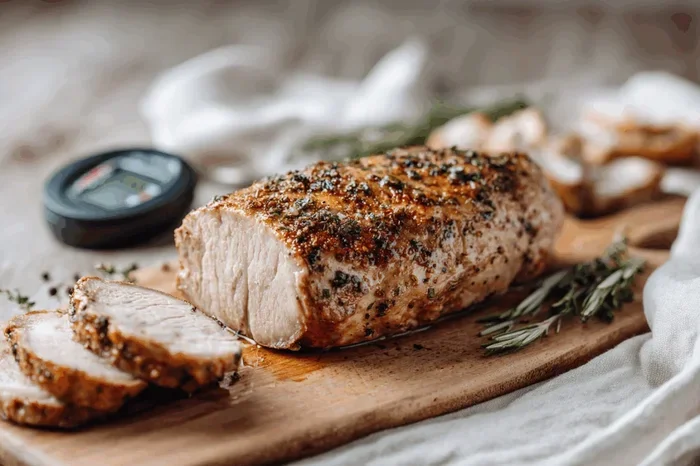
The Perfect Time To Take Pork Tenderloin Out Of Oven
Knowing when to take pork tenderloin out of the oven is the single most important step in cooking a perfect roast. The ideal internal temperature is 145°F, and pulling it out at the right moment ensures juicy, tender meat every time. This guide covers exact temperatures, timing, resting rules, and expert tips so you never overcook your pork tenderloin again. Whether you are a beginner or a seasoned home cook, these simple steps will transform your oven-baked pork tenderloin results.
There is nothing quite like the smell of a pork tenderloin roasting in the oven. The house fills with a warm, savory aroma that makes everyone gather near the kitchen. But here is the tricky part. Knowing when to take pork tenderloin out of oven can make the difference between a juicy masterpiece and a dry, disappointing cut of meat.
If you have ever wondered about the perfect pork tenderloin cooking time or the right pork tenderloin internal temperature, you are in the right place. This guide walks you through everything you need to know. From the ideal oven temperature to the resting period, we cover it all. By the end, you will feel confident pulling your oven-baked pork tenderloin off at exactly the right moment, every single time.
The truth is, pork tenderloin is one of the leanest cuts of pork you can buy. It has very little fat, which means it can dry out quickly if you leave it in the oven too long. That is why timing matters so much. A few extra minutes can turn a tender roast into something tough and flavorless. But do not worry. With the right knowledge and a simple meat thermometer, you will nail this every time.
Key Takeaways
- Pull pork tenderloin at 145°F internal temperature: This is the USDA-recommended safe temperature for juicy, pink-centered pork.
- Use a meat thermometer: Never rely on time alone. A digital instant-read thermometer removes all guesswork from pork tenderloin cooking.
- Rest the meat for 5 to 8 minutes: Resting lets juices redistribute, so your pork tenderloin stays moist when you slice it.
- Oven temperature matters: Most recipes work best at 400°F to 425°F for a beautifully caramelized exterior.
- Avoid overcooking: Pork tenderloin dries out fast, so watching the clock and the thermometer is essential.
- Size affects cooking time: A 1-pound tenderloin cooks faster than a 2-pound cut, so adjust your timing accordingly.
- Sear before roasting for extra flavor: A quick stovetop sear adds a golden crust and deepens the savory profile.
📑 Table of Contents
- Why Timing Matters So Much for Pork Tenderloin
- The Best Oven Temperature for Pork Tenderloin
- How Long Does Pork Tenderloin Take in the Oven?
- How to Know When Pork Tenderloin Is Done
- The Resting Period: Why You Should Never Skip It
- Common Mistakes That Lead to Overcooked Pork Tenderloin
- Expert Tips for the Juiciest Pork Tenderloin Every Time
- How to Slice and Serve Pork Tenderloin
- Conclusion
Why Timing Matters So Much for Pork Tenderloin
Pork tenderloin is a lean, delicate cut. Unlike pork shoulder or pork butt, which have lots of connective tissue and fat to break down over long cooking times, tenderloin is all about speed and precision. The muscle fibers in pork tenderloin are fine and tight, and they dry out fast when exposed to high heat for too long.
This is exactly why when to take pork tenderloin out of oven is such a critical question. The window between perfectly cooked and overcooked is very narrow. We are talking about just a few degrees and a handful of minutes. That is what makes this cut both exciting and intimidating for home cooks.
The good news is that once you understand the science behind it, the process becomes simple. Pork tenderloin is done when it reaches 145°F internal temperature at the thickest part. At this point, the meat is safe to eat, juicy, and slightly pink in the center. If you push it to 160°F or higher, the moisture starts escaping rapidly, and you lose that tender, melt-in-your-mouth texture.
The Lean Meat Factor
Let us talk about why lean cuts need more attention. Fat acts as a natural buffer in meat. It melts during cooking and keeps the muscle fibers moist. Pork tenderloin has almost no fat marbling compared to other cuts. So there is nothing to protect it from overcooking. This is why a meat thermometer for pork is not optional. It is absolutely essential.
When you rely on color or time alone, you are gambling. Even experienced cooks get tripped up by this. The only reliable way to know pork tenderloin doneness is with a probe thermometer inserted into the thickest section of the meat. No guessing. No hoping. Just a clear, accurate reading.
How Carryover Cooking Affects Your Pork
Here is something many people overlook. The temperature of your pork tenderloin continues to rise even after you pull it out of the oven. This is called carryover cooking or resting temperature rise. Depending on the size of the roast, the internal temperature can climb an additional 5 to 10 degrees during the resting period.
This means you should pull your pork tenderloin out of the oven when it reads about 5 to 10 degrees below your target temperature. If you want the final result to be 145°F, pull it at around 135°F to 140°F. This is one of the most important pork tenderloin tips for juicy results. Many people skip this step and end up with overcooked meat without even realizing why.
The Best Oven Temperature for Pork Tenderloin
Choosing the right pork tenderloin oven temp sets the foundation for a great result. Too low, and you cook the meat for too long, drying it out. Too high, and the outside burns before the inside is done. So what is the sweet spot?
Most experts and home cooks agree that 400°F to 425°F is the ideal range for roasting pork tenderloin. At this temperature, the outside gets a beautiful golden-brown crust while the inside cooks evenly. The high heat also helps render any surface fat quickly, adding flavor and texture.
Some recipes call for a lower temperature, around 350°F, especially for larger cuts or when the tenderloin is stuffed. While this works, it extends the cooking time and increases the risk of drying out. For most pork tenderloin recipes, we recommend sticking with 400°F to 425°F for the best balance of flavor and moisture.
Quick Temperature Guide
- 400°F: Great for a 1 to 1.5-pound tenderloin. Cooks in about 20 to 25 minutes.
- 425°F: Best for smaller tenderloins or when you want a faster roast with a crispier exterior.
- 350°F: Use only for larger or stuffed tenderloins that need more gentle, even cooking.
Should You Sear Before Roasting?
Searing your pork tenderloin on the stovetop before placing it in the oven is a game-changer. A quick sear in a hot skillet with a little oil creates a flavorful crust on the outside. This crust locks in moisture and adds a rich, savory depth to the final dish.
To sear properly, pat the tenderloin dry with paper towels first. Season it generously with salt, pepper, and any spices you like. Then heat a skillet over medium-high heat with a tablespoon of oil. Sear each side for about 2 minutes until a golden-brown crust forms. After that, transfer the tenderloin directly into the preheated oven.
This two-step method, sometimes called sear and roast pork tenderloin, gives you restaurant-quality results at home. It is one of the simplest ways to elevate a basic pork tenderloin roast into something truly special.
How Long Does Pork Tenderloin Take in the Oven?
The pork tenderloin cooking time depends on a few factors. The size of the roast, the oven temperature, and whether you seared it first all play a role. But there are some general guidelines that will help you plan your meal with confidence.
At 400°F, a typical 1 to 1.5-pound pork tenderloin takes about 20 to 25 minutes. At 425°F, it may be closer to 18 to 22 minutes. For larger tenderloins around 2 pounds, add 5 to 10 minutes to the cooking time. But remember, these are just starting points. The real answer to when to take pork tenderloin out of oven always comes down to the internal temperature.
Cooking Time by Weight
Here is a quick reference to help you plan your cooking schedule. These times assume an oven temperature of 400°F and do not include searing time.
- 1 pound: 18 to 22 minutes
- 1.5 pounds: 22 to 27 minutes
- 2 pounds: 27 to 32 minutes
- 2.5 pounds: 32 to 38 minutes
Always start checking the temperature about 5 minutes before the estimated finish time. Every oven is different, and even small variations can affect how quickly your pork cooks. A reliable instant-read meat thermometer takes all the guesswork out of the equation.
Factors That Change Cooking Time
Several things can speed up or slow down your roast. A cold tenderloin straight from the fridge will take longer to cook than one brought to room temperature first. The shape of the roast matters too. A thick, uniform tenderloin cooks more evenly than one with tapered ends. And if you are using a convection oven, reduce the temperature by about 25°F and check for doneness a few minutes earlier.
Another factor is whether the tenderloin is tied or untied. Tied roasts cook more evenly because they maintain a consistent shape. Untied tenderloins can bulge in the middle, creating uneven cooking zones. If your tenderloin has a thick end and a thin end, consider folding the thin end under itself or tying it with kitchen twine.
How to Know When Pork Tenderloin Is Done
This is the most important section of this entire guide. Knowing pork tenderloin doneness is not about color alone or how long the meat has been in the oven. It is about temperature. Period.
The USDA recommends cooking pork to an internal temperature of 145°F, followed by a three-minute rest. At this temperature, the meat is safe to eat and will be juicy with a slight pink center. This is a big shift from the old recommendation of 160°F, which was based on concerns about trichinella parasites. Modern food safety standards and improved pork processing have made 145°F perfectly safe.
Using a Meat Thermometer Correctly
Insert the probe into the thickest part of the tenderloin, avoiding any bone or fat pockets. Wait for the reading to stabilize before deciding. Digital instant-read thermometers give you a result in about 10 to 15 seconds. Dial thermometers take longer, so be patient.
Check the temperature in at least two spots. The thickest center and the area near the tapered end can read differently. If one spot is at 145°F but another is at 138°F, keep cooking for a few more minutes and check again.
Never rely on the oven timer alone. Timers are helpful reminders, but they do not account for variations in oven accuracy, meat size, or starting temperature. The thermometer is your best friend when figuring out when to take pork tenderloin out of oven.
Visual and Touch Clues
While temperature is the only true measure of doneness, there are some visual clues that can help. A properly cooked pork tenderloin will have a golden-brown exterior and a slightly pink, juicy interior when you slice into it. The meat should feel firm but still give slightly when you press it with your finger. If it feels hard or rigid, it is likely overcooked.
When you cut into the tenderloin, look for a uniform texture throughout. If the center looks dry and chalky, you left it in too long. If it is moist and tender with just a hint of pink, you nailed it. These visual cues are helpful, but they should always be confirmed with a thermometer reading.
The Resting Period: Why You Should Never Skip It
One of the biggest mistakes home cooks make is cutting into pork tenderloin the moment it comes out of the oven. This releases all the juices onto the cutting board instead of keeping them inside the meat. The resting period is where the magic happens.
After you pull your pork tenderloin out of the oven, place it on a cutting board and tent it loosely with aluminum foil. Let it rest for 5 to 8 minutes. During this time, the internal temperature will rise due to carryover cooking, and the muscle fibers will relax, reabsorbing the juices that were pushed to the center during roasting.
When you finally slice into it, the meat will be moist, tender, and full of flavor. Skipping the rest means losing up to 30% of the juices, which makes a huge difference in the final result. This is a simple step that transforms a good pork tenderloin into a great one.
How to Tent Properly
Use a sheet of aluminum foil and create a loose dome over the tenderloin. Do not wrap it tightly, as this traps steam and can make the crust soggy. The goal is to keep the meat warm while allowing air to circulate gently. This balance keeps the crust crisp and the interior moist.
If you are in a hurry, you can rest the tenderloin for as little as 3 minutes. But 5 to 8 minutes is ideal for a 1 to 2-pound roast. The carryover temperature rise during this time is exactly what brings the pork tenderloin to the perfect final temperature of 145°F.
Common Mistakes That Lead to Overcooked Pork Tenderloin
Even experienced cooks sometimes end up with dry pork tenderloin. The good news is that most of these mistakes are easy to avoid once you know what they are. Here are the most common pitfalls and how to steer clear of them.
Relying on Time Instead of Temperature
This is the number one mistake people make. Every oven heats differently, and every tenderloin varies in size and starting temperature. A recipe that says “cook for 25 minutes” is just a guideline. The only way to know for sure is to use a thermometer. Stop guessing and start measuring.
Skipping the Rest
As we covered above, resting is not optional. Cutting into the meat immediately after removing it from the oven releases precious juices. Give your pork tenderloin the time it needs to relax and redistribute those juices internally. Your patience will be rewarded with a much better eating experience.
Cooking at Too Low a Temperature
Some people set their oven to 325°F or lower, thinking a slower cook will be more tender. With pork tenderloin, this is a mistake. Low temperatures extend the cooking time, which gives the heat more opportunity to dry out the lean meat. Stick with 400°F to 425°F for the best results.
Not Bringing the Meat to Room Temperature First
Putting a cold pork tenderloin straight into a hot oven creates uneven cooking. The outside can overcook while the inside is still catching up. Take the tenderloin out of the refrigerator 20 to 30 minutes before cooking. This small step leads to much more even results throughout the roast.
Expert Tips for the Juiciest Pork Tenderloin Every Time
Now that you understand the basics, let us go a step further. These pork tenderloin tips from experienced cooks and chefs will help you consistently achieve mouthwatering results.
- Brine for extra juiciness: A quick brine of salt and water for 1 to 2 hours before cooking helps the meat retain moisture during roasting.
- Use a marinade for flavor: A simple marinade of olive oil, garlic, herbs, and a splash of lemon juice adds depth and tenderness.
- Let the oven preheat fully: Always wait until the oven reaches the target temperature before putting the tenderloin in. A hot oven from the start ensures even cooking.
- Place the tenderloin on a wire rack: Elevating the meat on a wire rack set over a baking sheet allows hot air to circulate around it evenly, preventing soggy bottoms.
- Season generously: Pork tenderloin benefits from a good coat of salt and pepper at least 30 minutes before cooking. This helps form a flavorful crust.
- Slice against the grain: When serving, cut perpendicular to the muscle fibers. This makes each slice more tender and easier to chew.
- Save the juices: If there are any juices on the cutting board after resting, drizzle them over the sliced tenderloin for extra flavor and moisture.
What About Stuffed Pork Tenderloin?
Stuffed pork tenderloin is a showstopper dish for dinner parties. Common fillings include spinach and cheese, apple and sausage, or sun-dried tomato pesto. When you stuff a tenderloin, the cooking time increases because the heat has to penetrate through the filling to reach the center of the meat.
For stuffed tenderloin, lower the oven temperature slightly to 375°F and plan for 35 to 45 minutes of cooking time. The internal temperature target is still 145°F at the thickest part of the meat, not the filling. Make sure the filling is also hot and cooked through before serving.
How to Slice and Serve Pork Tenderloin
Once your pork tenderloin has rested and reached the perfect temperature, it is time to slice and serve. This final step can make or break the presentation, so take a moment to do it right.
Use a sharp knife to cut the tenderloin into rounds about half an inch thick. Slice against the grain, which means perpendicular to the direction of the muscle fibers. This shortens the muscle strands and makes each piece more tender and easier to chew.
Arrange the slices on a warm plate and drizzle any collected resting juices over the top. Pork tenderloin pairs beautifully with roasted vegetables, mashed potatoes, rice, or a fresh salad. The slight pink center adds a beautiful contrast to the golden-brown crust and makes each slice look and taste incredible.
Storing Leftovers
If you have leftovers, let the sliced tenderloin cool to room temperature, then store it in an airtight container in the refrigerator. It will keep for up to 3 days. Reheat gently in a low oven or microwave to avoid drying it out further. Cold sliced pork tenderloin also makes a fantastic addition to sandwiches and salads the next day.
Conclusion
Cooking the perfect pork tenderloin is easier than most people think. The key is understanding when to take pork tenderloin out of oven and following a few simple principles. Use a meat thermometer and pull the roast at 145°F internal temperature. Let it rest for 5 to 8 minutes so the juices redistribute evenly. And always remember that a lean cut like tenderloin needs your attention and care to shine.
With the right oven temperature, proper timing, and a little patience, you will serve pork tenderloin that is juicy, flavorful, and beautifully cooked every single time. Do not be afraid to experiment with marinades, seasonings, and searing techniques. Once you master the basics, you can make this dish your own and impress everyone at your table. So go ahead, preheat that oven, and put your pork tenderloin out of oven timing worries to rest for good.
Frequently Asked Questions
What is the safe internal temperature for pork tenderloin?
The USDA recommends cooking pork tenderloin to an internal temperature of 145°F, followed by a three-minute rest. At this temperature, the meat is safe to eat and will be juicy with a slight pink center. Using a reliable meat thermometer is the best way to ensure accuracy.
Can you overcook pork tenderloin in the oven?
Yes, pork tenderloin can absolutely be overcooked. Because it is a lean cut with very little fat, it dries out quickly when exposed to heat for too long. The best way to prevent overcooking is to monitor the internal temperature closely and pull the tenderloin out as soon as it reaches 145°F.
How long should pork tenderloin rest after coming out of the oven?
Pork tenderloin should rest for 5 to 8 minutes after being removed from the oven. During this time, the internal temperature continues to rise slightly due to carryover cooking, and the juices redistribute throughout the meat. Tenting the roast loosely with foil keeps it warm without making the crust soggy.
Is it better to sear pork tenderloin before roasting?
Yes, searing pork tenderloin before roasting adds a flavorful golden-brown crust and enhances the overall taste. A quick sear in a hot skillet for about 2 minutes per side works well. After searing, transfer the tenderloin directly into the preheated oven to finish cooking.
What temperature should the oven be for pork tenderloin?
The ideal oven temperature for pork tenderloin is 400°F to 425°F. This range provides a good balance of cooking time and exterior browning. Higher temperatures create a crispier crust, while slightly lower temperatures work better for larger or stuffed tenderloins.
How can I tell if pork tenderloin is done without a thermometer?
While a thermometer is the most reliable tool, you can also check for doneness by pressing the meat with your finger. Properly cooked pork tenderloin should feel firm but still give slightly. When sliced, the center should be slightly pink and juicy, not dry or chalky. However, we strongly recommend using a thermometer for consistent results.