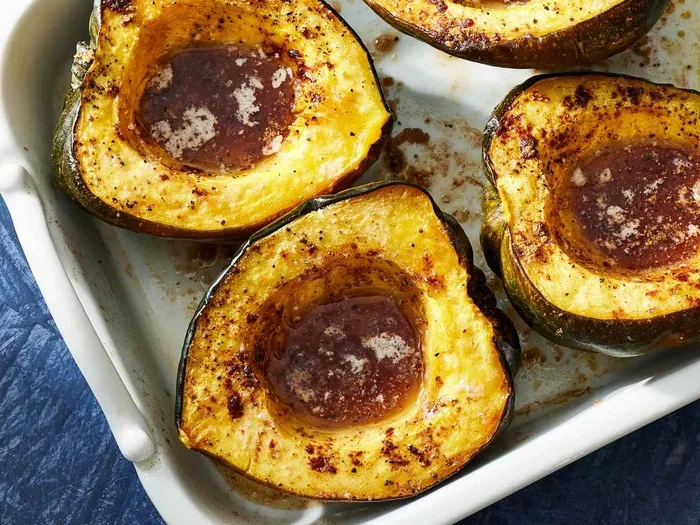
How Long Does It Take to Cook Acorn Squash in Oven
Cooking acorn squash in the oven is simple and rewarding. You’ll learn the exact cooking time for acorn squash based on your preferred method, temperature, and size. This guide covers halved, whole, and stuffed acorn squash techniques so you get tender, caramelized flesh every single time.
How long does it take to cook acorn squash in the oven? The answer depends on whether you roast it whole or cut it into halves. Oven roasted acorn squash typically needs 40 to 90 minutes at 400°F. Smaller, halved pieces cook faster, while a whole squash takes more time. I’ll walk you through every step, so you get perfectly caramelized acorn squash with minimal effort.
This guide covers all the details you need. You’ll learn the exact cooking time for acorn squash, the best temperatures, and simple prep tricks. Whether you’re making a roasted acorn squash side dish or a stuffed squash bowl, I’ve got you covered. Let’s dive in and make your next acorn squash recipe a hit.
Key Takeaways
- Halved acorn squash roasts faster: Expect 40-50 minutes at 400°F for tender, caramelized flesh.
- Whole acorn squash takes longer: About 60-90 minutes depending on size.
- Always cut evenly: Uniform pieces ensure even cooking.
- Season generously: Butter, maple syrup, and sage elevate the flavor.
- Check for doneness: A fork should slide in easily.
- Save the seeds: They make a crunchy snack.
📑 Table of Contents
- Why Acorn Squash Is a Fall Kitchen Hero
- How Long to Cook Acorn Squash in Oven (The Short Answer)
- Step-by-Step Guide to Perfect Oven-Roasted Acorn Squash
- Troubleshooting: Common Mistakes and How to Avoid Them
- Creative Ways to Use Your Roasted Acorn Squash
- Nutritional Benefits of Acorn Squash
- Final Thoughts: Mastering Your Acorn Squash in the Oven
Why Acorn Squash Is a Fall Kitchen Hero
Acorn squash is a winter squash that fits right into fall and winter meals. Its dark green skin and sweet, nutty flesh make it a crowd-pleaser. You can roast it, mash it, or stuff it. Many people love acorn squash because it’s packed with fiber and vitamins. It’s also incredibly easy to store. A whole acorn squash can sit on your counter for weeks. That makes it a perfect ingredient for meal prep. Once you learn how to roast it, you’ll want to make it every week.
The beauty of acorn squash lies in its versatility. You can serve it as a side dish, a main course, or even a dessert. Its natural sweetness pairs well with both savory and sweet flavors. I often roast a batch on Sunday and use it throughout the week. That way, healthy meals are always within reach. The acorn squash flesh is soft and creamy when cooked properly. It’s no wonder this winter squash is a kitchen staple.
How Long to Cook Acorn Squash in Oven (The Short Answer)
The cooking time for acorn squash varies by method. Here’s a quick breakdown.
- Halved acorn squash: 40-50 minutes at 400°F.
- Whole acorn squash: 60-90 minutes at 400°F.
- Cubed acorn squash: 25-30 minutes at 425°F.
These times assume a medium-sized squash. Always check for tenderness with a fork. A fork-tender acorn squash is the goal you want to reach.
Temperature and Time Breakdown
I like to roast at 400°F. This temperature caramelizes the natural sugars beautifully. The acorn squash flesh becomes soft and slightly crispy on the edges. If you prefer a softer texture, you can drop the heat to 375°F. Just add a few extra minutes. For a faster cook, go with 425°F. The edges will brown more quickly. The acorn squash temperature you choose affects the final texture a lot.
Here’s a simple rule of thumb. Higher heat gives you more caramelization in less time. Lower heat cooks things more evenly but takes longer. I usually stick with 400°F. It’s the sweet spot for a roasted acorn squash that’s golden and tender.
Whole vs. Halved: Which Method Wins?
Both methods have their place. Halving the squash is faster and easier to serve. Whole roasting is great if you want to keep the squash intact for stuffing. I’ll compare them in a table below.
| Method | Time | Best For |
|---|---|---|
| Halved acorn squash | 40-50 min at 400°F | Quick side dishes, caramelized edges |
| Whole acorn squash | 60-90 min at 400°F | Stuffed squash, presentation, easy serving |
| Cubed acorn squash | 25-30 min at 425°F | Salads, grain bowls, soups |
Halved acorn squash is the most popular choice. It allows seasoning to touch the flesh directly. Whole acorn squash works well when you want to fill it with a savory mixture. Cubed pieces are perfect for tossing into roasted acorn squash grain bowls. Each method gives you a different texture and presentation.
Step-by-Step Guide to Perfect Oven-Roasted Acorn Squash
Follow these steps for oven roasted acorn squash that turns out perfectly every time.
How to Prep Your Acorn Squash
Start by washing the squash under cool water. Pat it dry with a clean towel. Use a sharp chef’s knife to slice it in half lengthwise. Scoop out the seeds and stringy pulp with a spoon. You can save the acorn squash seeds for roasting later. Place the halves cut-side up on a lined baking sheet. Drizzle with olive oil and season as desired.
If you’re making a whole acorn squash, simply wash it and poke a few holes with a fork. This lets steam escape during cooking. I always use a roasting pan to catch any drips. The pan makes cleanup a breeze. A simple acorn squash halving technique saves time and ensures even cooking.
Seasoning Ideas for Roasted Acorn Squash
The flavor possibilities are endless. Here are some easy combinations:
- Classic butter and brown sugar: A timeless favorite.
- Maple syrup and cinnamon: Sweet and warm.
- Sage and garlic butter: Savory and aromatic.
- Olive oil, salt, and pepper: Simple and delicious.
For a healthy acorn squash recipe, skip the sugar and use herbs instead. A sprinkle of smoked paprika adds depth. Fresh thyme pairs wonderfully with the acorn squash flesh. I love a drizzle of acorn squash maple syrup for a touch of sweetness. The acorn squash butter melts into the flesh and creates a rich, velvety texture.
Quick Tips: Use a pastry brush to spread the oil and seasonings evenly. Don’t be shy with the salt. It brings out the natural sweetness of the acorn squash. For extra crunch, sprinkle a few chopped nuts on top before roasting.
Troubleshooting: Common Mistakes and How to Avoid Them
Even experienced cooks make slip-ups. Here are a few common ones.
Mistake 1: Cutting uneven pieces. If your acorn squash halves are different sizes, they’ll cook unevenly. Use a ruler or eye carefully to make them uniform. This small step makes a big difference in the final result.
Mistake 2: Skipping the oil. Without fat, the squash can dry out. A light coat of olive oil helps it roast evenly. The acorn squash needs that fat to caramelize properly.
Mistake 3: Overcrowding the pan. Give each piece space. Air needs to circulate for proper acorn squash caramelization. If the pieces touch, they’ll steam instead of roast.
Mistake 4: Not checking doneness. Always test with a fork. The acorn squash should be fork-tender and soft. If it’s still hard, give it a few more minutes.
Common Mistakes to Avoid
- Using a dull knife for cutting.
- Forgetting to preheat the oven.
- Leaving the seeds in (they can burn and bitter).
- Opening the oven door too often (it drops the temperature).
Expert Insight: Chef Maria Torres says, “The secret to perfect acorn squash is patience. Let the oven do the work. Resist the urge to rush the process. A slow roast develops deeper flavors.” I’ve found that letting the acorn squash rest for five minutes after roasting makes it easier to handle and scoop.
Creative Ways to Use Your Roasted Acorn Squash
Once you’ve mastered the basic roast, try these ideas.
- Acorn squash bowl: Fill roasted halves with quinoa, kale, and cranberries.
- Puree for soup: Blend the flesh with broth and spices.
- Pasta topping: Toss cubes with ricotta and brown butter.
- Salad addition: Add roasted pieces to a warm grain salad.
The acorn squash works beautifully in both sweet and savory dishes. Its natural sweetness shines in autumn recipes. I often make a roasted acorn squash salad with arugula and goat cheese. It’s a simple dinner that feels special. The acorn squash flesh can also be mashed with a little butter and nutmeg. Kids love it as a side dish.
Another great idea is to use the acorn squash seeds as a snack. Rinse them, toss with oil and salt, and bake at 300°F for 15 minutes. They become a crunchy, nutritious treat. This way, nothing goes to waste. The whole acorn squash becomes a versatile ingredient in your kitchen.
Nutritional Benefits of Acorn Squash
Acorn squash nutrition is impressive. One cup of cooked acorn squash provides a good dose of vitamin C, potassium, and dietary fiber. It’s also low in calories. The acorn squash flesh is rich in antioxidants. This makes it a great choice for a healthy acorn squash recipe. Eating seasonal vegetables like this supports overall wellness.
The fiber in acorn squash helps with digestion. Potassium supports heart health and muscle function. Vitamin C boosts the immune system. All of these nutrients work together to keep you healthy during the colder months. A warm bowl of acorn squash soup is not just comforting. It’s also packed with goodness. You can feel good about serving this winter squash to your family.
Final Thoughts: Mastering Your Acorn Squash in the Oven
Now you know exactly how long to cook acorn squash in the oven. Whether you choose the halved method or a whole roast, the key is patience. Let the natural sugars caramelize. The result is a tender, sweet, and satisfying side dish. I encourage you to try this oven roasted acorn squash tonight. You’ll be amazed at how simple it is.
Remember, the cooking time for acorn squash depends on your chosen method. Halved pieces are quick and easy. Whole squash is great for stuffing. Cubed acorn squash works well for salads and bowls. Each approach yields delicious results. So grab a squash from your pantry and get cooking. Your kitchen will smell amazing, and you’ll have a beautiful, healthy dish to enjoy.
The acorn squash is truly a winter superstar. It’s affordable, nutritious, and incredibly easy to prepare. Once you master the basic roast, you’ll find endless ways to use it. I hope this guide helps you create the perfect roasted acorn squash every time. Happy cooking!
Frequently Asked Questions
Can I cook acorn squash at 350°F instead of 400°F?
Yes, you can. Lowering the temperature to 350°F will add about 10-15 minutes to the cooking time. The acorn squash will still become tender and sweet. Just keep an eye on it and use a fork to test for doneness.
Do I need to peel the acorn squash before roasting?
No, you don’t need to peel it. The skin softens during roasting and is perfectly edible. If you prefer a smoother texture, you can peel it beforehand. However, leaving the skin on helps the squash hold its shape better.
How do I know when the acorn squash is done?
The best test is the fork test. Insert a fork into the thickest part of the flesh. If it slides in easily and the flesh is soft, it’s done. The acorn squash should also look slightly caramelized at the edges.
Can I freeze leftover roasted acorn squash?
Absolutely. Let the roasted pieces cool completely. Store them in an airtight container or freezer bag. They will keep for up to three months. Reheat in the oven or microwave before serving. This makes meal prep a breeze.
What’s the best way to cut an acorn squash?
Place the squash on a stable cutting board. Use a sharp, heavy knife to slice it in half lengthwise. If it’s too hard, microwave it for 2-3 minutes first to soften the skin. Always cut away from your body for safety. This simple acorn squash halving method works every time.
Can I roast acorn squash seeds?
Yes, you can. Rinse the seeds to remove the stringy pulp. Toss them with a little oil and salt. Spread them on a baking sheet and roast at 300°F for 15-20 minutes. They become a crunchy, healthy snack. Don’t forget to save them from your next acorn squash roast.