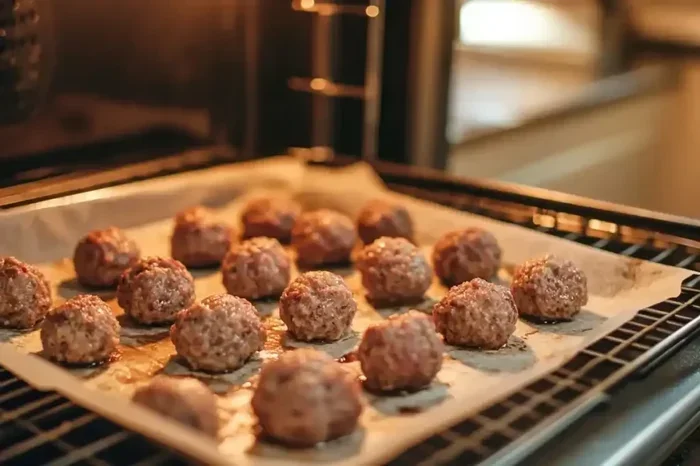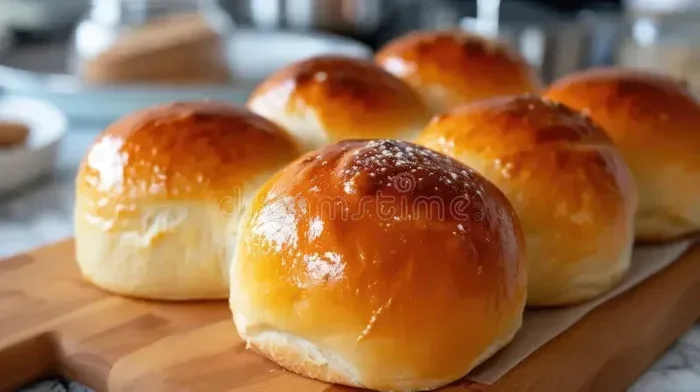
How Long To Cook Buns In Oven For Perfectly Golden Results
Learning how long to cook buns in oven is the key to bakery-quality homemade buns. Most buns bake perfectly in 12 to 20 minutes at 350°F to 375°F, but size and dough type matter. This guide covers exact times, temperatures, and pro tips for golden, soft results every time.
How long to cook buns in oven is the first question every home baker asks. The answer is simpler than you think. Most fresh buns need just 12 to 20 minutes at a moderate temperature. That short window transforms soft dough into golden, pillowy rolls. Get the time and heat right, and you will never buy store-bought buns again.
Baking buns in the oven gives you control over size, shape, and flavor. You can make soft dinner rolls, sturdy hamburger buns, or rich brioche. Each type has a slightly different baking time. This guide breaks down every detail so your oven-baked buns turn out perfectly golden every single time. I will share exact temperatures, visual cues, and simple tricks that professional bakers use.
Freshly baked buns fill your kitchen with a warm, comforting aroma. The golden brown crust crackles softly when you tear it open. Inside, the crumb stays soft and fluffy. This texture is impossible to replicate with packaged bread. Once you master how long to cook buns in oven, you will unlock a whole new level of homemade baking. Let us dive into the details.
Key Takeaways
- 12–20 minutes is the sweet spot: Most buns bake in 12 to 20 minutes at 350°F–375°F, depending on size and type.
- Temperature affects crust and crumb: 350°F gives a softer crust, while 375°F promotes faster browning and a crispier top.
- Egg wash and butter boost golden color: A simple egg wash or melted butter brush creates that appealing shine.
- Don’t skip the internal temperature check: Buns are done when they reach 190°F–200°F internally for a soft, cooked-through center.
- Resting is crucial: Let buns cool on a wire rack for 10 minutes to set the crumb and prevent soggy bottoms.
- Oven type matters: Convection ovens bake buns faster and more evenly; reduce time by 2–3 minutes.
📑 Table of Contents
- Why Oven-Baked Buns Are Worth the Effort
- How Long to Cook Buns in Oven: The Ultimate Guide
- Step-by-Step Recipe for Perfect Oven-Baked Buns
- Common Mistakes That Ruin Your Buns
- Expert Insights: Pro Tips for Golden-Top Buns
- How Long to Cook Buns in Oven for Different Variations
- Conclusion: Your Path to Perfectly Golden Buns
Why Oven-Baked Buns Are Worth the Effort
The Magic of a Golden Crust
Oven-baked buns develop a crust that store-bought rolls simply cannot match. That golden brown exterior comes from the Maillard reaction. This chemical process happens when heat meets sugars and proteins on the dough surface. The result is a complex, toasty flavor and a satisfying snap when you bite in. A crispy top also helps the bun hold its shape around juicy burgers or hearty sandwiches.
When you bake buns at home, you control the crust thickness. Some people love a thin, crackly shell. Others prefer a soft, pillowy top. A light egg wash or a quick brush of melted butter before baking creates that beautiful shine. You can even sprinkle sesame seeds or poppy seeds on top for extra texture and flavor. These small touches make your homemade buns look and taste bakery-worthy.
Fresh vs. Store-Bought Buns
Supermarket buns often contain preservatives that keep them soft for weeks. That softness comes at a cost. The flavor is flat, and the crumb can feel gummy. Freshly baked oven-baked buns use real butter, fresh yeast, and simple ingredients. The cooking time in a hot oven drives off excess moisture, leaving a light, airy interior. The difference in taste is immediately obvious.
Making buns from scratch also lets you experiment. You can add herbs, cheese, or garlic to the dough. You can shape them into rolls, knots, or classic rounds. The baking time might shift slightly with these add-ins, but the core process stays the same. Once you learn the basics, you will never go back to the freezer aisle.
How Long to Cook Buns in Oven: The Ultimate Guide
The most important factor in how long to cook buns in oven is understanding the relationship between size, dough type, and oven temperature. A standard dinner roll needs less time than a large brioche bun. I will break this down by bun type and oven-baked bun category so you can set a timer with confidence.
Standard Baking Time for Different Bun Types
Here is a quick look at typical buns in the oven times. These ranges assume a preheated oven and a standard baking sheet with parchment paper.
- Small dinner rolls (1.5 inches): 12–15 minutes at 375°F
- Medium hamburger buns (3 inches): 15–18 minutes at 350°F
- Large brioche buns (4 inches): 18–22 minutes at 350°F
- Soft pretzel-style buns: 14–16 minutes at 400°F
- Dinner rolls with toppings: 15–18 minutes at 375°F
These numbers are starting points. Always use visual and tactile cues to confirm doneness. A golden brown color on top and firm sides are strong indicators. The internal temperature is the most reliable measure. Insert a thermometer into the side of a bun; it should read 190°F to 200°F.
Temperature Matters: 350°F vs. 375°F
Most oven-baked buns do well at 350°F. This moderate heat allows the dough to rise fully inside the oven. The crumb sets evenly, and the crust develops slowly. At 350°F, you get a softer, pillowy texture with a thin, delicate shell.
Bumping the temperature to 375°F speeds up browning. This is great for buns you want a crispier top. It also reduces baking time by a minute or two. However, high heat can dry out the crumb if you leave the buns too long. I recommend 350°F for soft sandwich buns and 375°F for dinner rolls with a crispy top.
Quick Tip: Always preheat your oven for at least 15 minutes. A fully heated oven ensures even baking from the moment the buns go in. Cold ovens lead to uneven rise and pale crusts.
Quick Tips: Checking Doneness
- Tap test: Knock on the bottom of a bun. A hollow sound means it is done.
- Color check: The top should be a deep golden brown, not pale or dark.
- Internal temperature: 190°F–200°F is the sweet spot for soft, fully cooked buns.
- Spring-back touch: Gently press the top. It should spring back immediately.
Step-by-Step Recipe for Perfect Oven-Baked Buns
Ingredients You Will Need
Great oven-baked buns start with quality ingredients. You do not need a long list. Here is what I use for a batch of 12 medium buns.
- 3 cups all-purpose flour (plus extra for dusting)
- 1 packet (2 1/4 tsp) active dry yeast
- 1/4 cup granulated sugar
- 1 teaspoon salt
- 1 cup warm milk (110°F)
- 2 tablespoons unsalted butter, softened
- 1 large egg
- 1 egg yolk for wash
- 1 tablespoon water for wash
These ingredients create a soft, slightly sweet crumb. The butter adds richness, while the egg wash delivers that glossy, golden finish. You can substitute milk with water if needed, but milk makes the crumb tender.
Mixing and Kneading the Dough
Start by activating the yeast. Warm the milk until it feels like a warm bath. Stir in the sugar and sprinkle the yeast over the top. Let it sit for 5 minutes until foamy. This step is non-negotiable. Dead yeast means dense, flat buns.
Combine the flour, salt, and butter in a large bowl. Make a well in the center and pour in the yeast mixture and whole egg. Mix with a wooden spoon until a shaggy dough forms. Then turn it onto a lightly floured surface. Knead for 8–10 minutes until the dough is smooth and elastic. You can also use a stand mixer with a dough hook for 5–6 minutes.
Proofing and Shaping
Place the dough in a greased bowl and cover it with a damp towel. Let it rise in a warm spot for 1 to 1.5 hours. The dough should double in size. This proofing step develops flavor and creates that soft, airy crumb.
Once risen, punch the dough down gently. Divide it into 12 equal pieces. Roll each piece into a ball. Arrange them on a parchment-lined baking sheet, leaving 2 inches between each. Cover loosely and let them rise again for 30 minutes. This second rise ensures fluffy, tall buns.
Baking and Cooling
Preheat your oven to 350°F while the buns are rising. Beat the egg yolk with water to make the wash. Brush each bun gently. This gives them that beautiful golden brown color.
Bake for 15–18 minutes. Do not open the oven door for the first 10 minutes. The temperature drop can cause the buns to sink. When done, remove them and place them on a wire rack. Let them cool for at least 10 minutes before splitting. This resting time sets the crumb and keeps the buns soft.
Common Mistakes That Ruin Your Buns
Overbaking or Underbaking
The most common error is leaving buns in the oven too long. Overbaked buns turn hard and dry within minutes. They become perfect for breadcrumbs, but not for sandwiches. Underbaked buns have a gummy, doughy center. Both problems are easy to avoid with a timer and a thermometer.
Set a timer for 12 minutes and start checking. The golden brown color will deepen as they cool slightly. Pull them when the top is just a shade darker than you want. The residual heat will continue to cook the bottom. This trick keeps the crumb moist.
Wrong Oven Temperature
Every oven runs hot or cold. An oven set to 350°F might actually be 335°F or 365°F. This variance changes the cooking time significantly. Invest in an inexpensive oven thermometer. Place it inside and check it regularly. A few degrees can mean the difference between pale rolls and deeply golden ones.
Also, avoid placing the baking sheet too close to the top heating element. The top buns will burn while the bottoms stay raw. The middle rack is the sweet spot for even heat distribution. If you bake multiple trays, rotate them halfway through.
Skipping the Egg Wash or Topping
An unwashed bun comes out of the oven pale and matte. It lacks that professional sheen. The egg wash not only adds color but also helps toppings stick. A simple mix of egg and water works wonders. For a richer look, use just the yolk with a splash of cream.
Do not skip the toppings either. Sesame seeds, poppy seeds, or a sprinkle of coarse salt elevate store-bought-tasting buns into something special. Brush the wash first, then add seeds immediately. The wash acts as glue and ensures they stay put during baking.
Expert Insights: Pro Tips for Golden-Top Buns
Using a Baking Stone or Steel
A baking stone or steel transforms your oven-baked buns. It stores heat and delivers it instantly to the bottom of the dough. This mimics the environment of a professional brick oven. The result is a crispier bottom crust and a better oven spring. Place the stone on the middle rack and preheat it for at least 30 minutes.
If you do not have a stone, an inverted baking sheet works in a pinch. Preheat it along with the oven and slide the buns onto the hot surface. The initial blast of heat helps the buns rise quickly and develop a nice crust. This is one of the best baking tips I have picked up over the years.
Adding Flavor with Toppings and Glazes
Plain buns are delicious, but flavored buns steal the show. A garlic butter brush after baking adds a savory kick. Mix melted butter with minced garlic and a pinch of parsley. For sweet buns, drizzle a simple glaze of powdered sugar and milk once they are completely cool.
Herbs like rosemary or thyme can be mixed into the dough. Cheese such as cheddar or parmesan adds a rich, savory note. Fold these into the dough during the last minute of kneading. The cooking time might increase by a minute or two because of the extra moisture, but the flavor is worth it.
Expert Insights: The Importance of Resting the Dough
Many home bakers rush the proofing process. Cold dough does not rise well in the oven. I always let my shaped buns rest until they puff up and look slightly puffy. This second rise, called bench rest, relaxes the gluten and makes shaping easier. It also ensures even baking throughout.
If you are short on time, let the shaped buns rise in a warm oven with the light on. The gentle warmth speeds things up without cooking the dough. In about 20–30 minutes, they should be ready to go into the preheated oven. This small patience pays off in soft, fluffy results.
How Long to Cook Buns in Oven for Different Variations
The basic how long to cook buns in oven framework applies to nearly all recipes. However, different variations have unique needs. A hamburger bun needs a sturdy crust to hold a juicy patty. A dinner roll should be delicate and tender. Here is a detailed breakdown with a handy reference table.
Hamburger Buns
Oven-baked hamburger buns require a slightly longer bake to develop a durable crust. Shape the dough into 4–5 inch rounds. Bake at 350°F for 15–18 minutes. The top should be a deep golden brown. The internal temperature should reach 195°F. These buns need a bit more structure, so do not rush the bake.
Dinner Rolls
Dinner rolls are smaller and bake faster. A standard 1.5-inch roll takes 12–15 minutes at 375°F. They benefit from a generous egg wash and a sprinkle of seeds. The crust should be delicate, not thick. These are perfect for holiday meals or Sunday dinners.
Soft Brioche Buns
Brioche dough is rich with butter and eggs. It bakes at 350°F for 18–22 minutes. The high fat content means the buns brown faster on the outside. Watch them closely after the 15-minute mark. A golden brown color is the goal. Brioche buns are ideal for French toast or rich sandwiches.
Comparison Table: Bun Types and Baking Times
| Bun Type | Size | Oven Temp | Bake Time | Key Feature |
|---|---|---|---|---|
| Dinner Roll | 1.5 inches | 375°F | 12–15 min | Soft, tender crumb |
| Hamburger Bun | 3–4 inches | 350°F | 15–18 min | Sturdy crust, soft inside |
| Brioche Bun | 4 inches | 350°F | 18–22 min | Rich, buttery flavor |
| Pretzel-Style Bun | 3 inches | 400°F | 14–16 min | Crispy, dark crust |
| Soft Sandwich Bun | 3 inches | 350°F | 15–18 min | Slicable, fluffy crumb |
This table gives you a quick reference whenever you are how long to cook buns in oven. Adjust by one or two minutes based on your oven’s hot spots. The table covers the most popular bun styles. Once you nail one, you can easily adapt the formula to others.
Conclusion: Your Path to Perfectly Golden Buns
Mastering how long to cook buns in oven is easier than you think. The magic window is 12 to 20 minutes at 350°F to 375°F. Size, dough type, and oven quirks may shift the time slightly, but the principles stay the same. A golden brown top, a hollow sound when tapped, and an internal temperature of 190°F–200°F are your reliable guides.
Use the step-by-step recipe to build confidence. Avoid common mistakes like skipping the egg wash or opening the oven too early. Apply the pro tips from expert bakers, such as using a baking stone or letting the dough rest fully. Each batch of homemade buns will get better and better.
Now it is your turn. Preheat that oven, pull out your mixing bowl, and bake a fresh batch today. The aroma alone will make the effort worthwhile. Once you taste soft, warm, freshly baked buns, you will wonder why you ever settled for anything else. Happy baking!
Frequently Asked Questions
Can I bake buns at 400°F instead of 350°F?
Yes, but you must reduce the baking time. Higher heat browns the crust faster. For small dinner rolls, 400°F works well for 10–13 minutes. Just watch them closely to prevent burning. The inside may stay softer with a slightly darker exterior.
Do I need to use a baking stone for oven-baked buns?
A baking stone is not required, but it improves results significantly. It provides steady bottom heat and helps create a crispier crust. If you do not have one, a preheated inverted baking sheet works just as well. The buns will still turn out soft and golden.
How do I know if my buns are fully baked inside?
The most reliable method is using an instant-read thermometer. Insert it into the side of a bun. The internal temperature should be between 190°F and 200°F. If you do not have a thermometer, tap the bottom. A hollow sound and a golden brown color are good signs.
Can I freeze unbaked buns and bake them later?
Absolutely. Shape the buns, let them rise, and then freeze them on a baking sheet. Once firm, transfer them to a freezer bag. When ready to bake, do not thaw them. Add 3–5 minutes to the normal baking time and brush with egg wash straight from the freezer.
Why did my buns come out pale on top?
Pale buns usually mean the oven was not hot enough or the dough was not brushed with an egg wash. Cold ovens or underproofed dough also cause pale results. Make sure your oven is fully preheated and apply a thin coat of egg wash before baking for that appealing golden brown color.
What is the best way to store freshly baked buns?
Let the buns cool completely on a wire rack. Store them in a paper bag or an airtight container at room temperature for up to 3 days. For longer storage, wrap them tightly and freeze. To refresh, reheat in the oven at 300°F for 5 minutes. This brings back the soft, pillowy crumb and a lightly crisp crust.