How To Reheat Beef Stroganoff In Oven The Easy Way
Reheating beef stroganoff in the oven is the easiest way to keep its creamy sauce and tender noodles perfectly moist. This guide shows you exactly how to reheat beef stroganoff in oven without drying it out or curdling the sour cream. You’ll learn simple steps, temperatures, and tips to enjoy leftover beef stroganoff leftovers that taste just made.
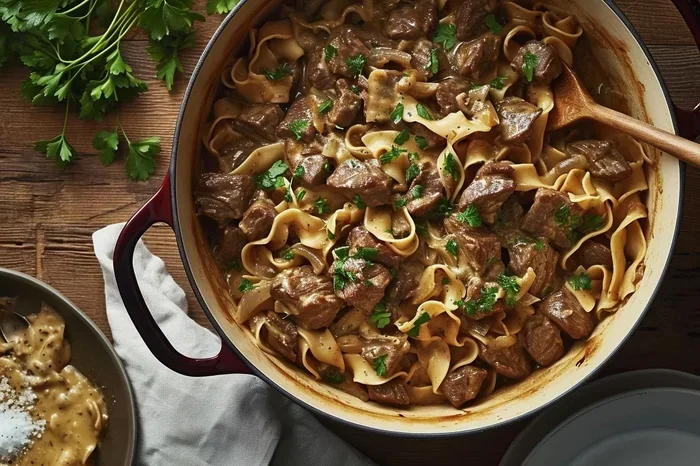
There is nothing better than a hearty bowl of beef stroganoff. The rich, creamy sauce, the tender strips of beef, and the soft egg noodles all come together in a dish that feels like a warm hug. But what happens when you have leftovers? You want to enjoy that same comforting flavor the next day. Many people reach for the microwave, but that often leads to a soggy mess or a sauce that breaks apart. The good news is that you can reheat beef stroganoff in oven and get restaurant-quality results right at home. This method keeps the moisture locked in and the flavors vibrant. Whether you stored your beef stroganoff leftovers in the fridge or freezer, the oven is your best friend. Let us walk you through exactly how to do it.
Learning the proper way to reheat beef stroganoff in oven is a simple skill that saves time and reduces food waste. You will never have to settle for cold, unevenly heated leftovers again. In this guide, we cover everything from the right temperature to the best dish to use. By the end, you will feel confident warming up your next batch of leftover beef stroganoff like a pro. So preheat your oven, and let us get started.
Key Takeaways
- Always use the oven: The oven gently reheats beef stroganoff, preserving the creamy sauce and preventing rubbery noodles.
- Cover the dish: Trapping steam keeps moisture in and stops the top from drying out.
- Low and slow is key: A moderate temperature of 325°F ensures even heating without scorching.
- Add a splash of broth: A little liquid helps rehydrate the sauce and keeps everything silky.
- Stir halfway through: Mixing midway eliminates cold spots and distributes heat evenly.
- Let it rest: A few minutes off heat allows the sauce to thicken and flavors to meld.
📑 Table of Contents
- Why Reheating Beef Stroganoff In The Oven Is The Best Method
- Step-By-Step Guide To Reheating Beef Stroganoff In The Oven
- Tips For Perfectly Reheated Beef Stroganoff Every Time
- Common Mistakes To Avoid When Reheating Beef Stroganoff
- How To Store Beef Stroganoff For Optimal Reheating
- Final Thoughts On Reheating Beef Stroganoff In The Oven
Why Reheating Beef Stroganoff In The Oven Is The Best Method
You might wonder why the oven beats other options for oven reheating beef stroganoff. The answer lies in how heat surrounds the food. A microwave zaps food from the inside out, which can create hot spots and dry edges. A stovetop requires constant stirring and can scorch the sour cream. The oven, on the other hand, uses gentle, enveloping heat. This oven reheating method keeps the creamy sauce smooth and the noodles from turning into a sticky clump.
The Problem With Microwaving Beef Stroganoff
Microwaves are fast, but they are not kind to creamy dishes. The rapid heating causes the water in the sauce to boil quickly. This leads to a broken, greasy sauce and rubbery beef. The noodles on the edges become hard while the center stays cold. If you have ever bitten into a microwaved beef stroganoff and felt disappointed, you are not alone. The microwave vs oven debate is clear when it comes to this dish. The oven gives you control and consistency.
How The Oven Preserves The Creamy Texture
When you reheat beef stroganoff in oven, the heat transfers slowly and evenly. The cover traps steam, which acts as a natural moisturizer. This steam keeps the sour cream from curdling and helps the sauce stay emulsified. The egg noodles absorb the moisture rather than drying out. Even the beef strips stay tender because they are not blasted with high, uneven energy. The result is a dish that tastes almost as good as the first night. The creamy sauce stays glossy, and the edges do not turn crispy unless you want them to.
Step-By-Step Guide To Reheating Beef Stroganoff In The Oven
Now that you know why the oven works so well, let us get into the actual steps. Reheat beef stroganoff in oven is simple and requires very little prep. You do not need any special tools, just a basic oven-safe dish and a little foil. Follow this guide for perfect results every time.
Preparing Your Oven And Dish
Start by grabbing an oven-safe dish. Glass or ceramic works best because they heat evenly and do not react with the acidic sauce. Avoid metal if possible, as it can create hot spots. Spread your beef stroganoff leftovers in a single layer. Do not pile the food too high, because thick layers take longer to heat through and can leave the center cold. If you have a large batch, use two smaller dishes instead of one deep one.
Next, cover the dish tightly with aluminum foil or a snug-fitting lid. The cover is essential for keeping moisture inside. Without it, the steam escapes, and the top of your stroganoff will dry out and form a skin. If you do not have foil, a damp paper towel placed over the dish also works in a pinch. The goal is to create a little steamy environment that gently warms everything.
Temperature And Time Settings
Set your oven to 325°F. This moderate temperature is the sweet spot for low and slow reheating. Higher temperatures like 375°F or 400°F risk scorching the sour cream and drying out the noodles. A lower temperature gives you a buffer, so even if you leave the dish in a few extra minutes, it will not ruin the texture.
Heat the beef stroganoff for 15 to 20 minutes. The exact time depends on how cold the dish is and how deep the layers are. A single layer of leftovers will be ready in about 15 minutes. A thicker, refrigerated portion might need the full 20 minutes or slightly more. The key is to check early and often. You want the internal temperature to reach 165°F, which is the safe food safety standard for reheating leftovers.
Adding A Splash Of Liquid For Moisture
Before you cover the dish and slide it into the oven, add a little liquid. This is a secret trick for reheat without drying out any creamy pasta dish. Pour about one to two tablespoons of beef broth, water, or even whole milk over the stroganoff. Do not drench it; just a light drizzle. The liquid creates extra steam as it heats, which keeps the sauce loose and silky. If your beef stroganoff recipe originally had a rich beef broth base, using a bit of that same broth is even better. It reinforces the flavor while adding moisture.
Tips For Perfectly Reheated Beef Stroganoff Every Time
Even with the right temperature and dish, small details can make or break your leftovers. These tips will help you master the art of oven reheating beef stroganoff. They are simple habits that take seconds but make a huge difference.
Avoid Overheating The Sour Cream
The sour cream in traditional beef stroganoff is delicate. It can curdle if exposed to too much direct heat for too long. That is why we recommend the low and slow approach at 325°F. Never crank the oven up to speed things along. Patience is your best tool here. If you notice the sauce looking a little tight after reheating, stir in a teaspoon of sour cream or a splash of broth right before serving. This brings back the creamy gloss without overcooking the sauce further.
Stirring Midway For Even Heat
Halfway through the reheating time, pull off the foil and give the stroganoff a gentle stir. This might seem like an extra step, but it is a game changer. Stirring moves the hot edges toward the cold center and the cool top toward the hot bottom. It eliminates those annoying cold pockets that often hide in the middle of a bowl of leftovers. After stirring, re-cover the dish and continue heating. This one action ensures every bite is evenly warm and the creamy sauce stays consistent.
Using Oven-Safe Glass Or Ceramic
Not all dishes are created equal when it comes to reheat beef stroganoff in oven. Glass and ceramic are the gold standard. They distribute heat slowly and evenly, which prevents the edges from burning while the center stays cold. If you only have a metal pan, you can still use it, but lower the temperature by 25°F and keep a closer eye on it. A metal pan conducts heat faster, so it can scorch the sauce more easily. For the best results, reach for a Pyrex or a ceramic baking dish. These materials also look beautiful if you plan to serve the stroganoff right from the oven to the table.
Common Mistakes To Avoid When Reheating Beef Stroganoff
Even with the best intentions, it is easy to make mistakes that ruin your leftovers. Knowing what to avoid will save you from a disappointing meal. Here are the most common errors people make when reheat beef stroganoff in oven and how to prevent them.
Using Too High A Temperature
The biggest mistake is turning the oven up too high. Some people think a hotter oven will reheat food faster, but that logic fails with creamy dishes. High heat causes the water in the sauce to boil rapidly, which breaks the emulsion. The sour cream separates, the beef becomes tough, and the noodles turn gummy. Stick to 325°F. It might take a few extra minutes, but the texture and flavor are worth the wait. Remember, low and slow is the mantra for successful oven reheating.
Skipping The Cover
Leaving the dish uncovered lets all the steam escape. The sauce evaporates, the top dries into a skin, and the noodles harden at the edges. Always cover your beef stroganoff with foil or a lid. If you forget the foil, a damp paper towel works as a quick substitute. The cover traps moisture and creates a mini steam oven inside your dish. This simple step is the difference between moist, delicious leftovers and a dry, unappetizing mess.
Reheating From Frozen Without Thawing
If you froze your beef stroganoff, you might be tempted to pop the frozen block straight into the oven. This is a mistake. A frozen mass heats unevenly. The outside might be boiling hot while the center is still frozen, creating a food safety risk. Always thaw your beef stroganoff leftovers in the refrigerator overnight before reheating. If you are in a rush, you can thaw it in a bowl of cold water for about 30 minutes. Once thawed, follow the normal oven reheating steps. The result will be much more uniform and safe.
How To Store Beef Stroganoff For Optimal Reheating
Good reheating starts with proper storage. How you store your beef stroganoff before it hits the oven directly affects the final texture. A little planning goes a long way in preserving the quality of your leftovers.
Refrigeration Vs Freezing
If you plan to eat the leftovers within three to four days, store them in the refrigerator. Use an airtight container or cover the dish tightly with plastic wrap. The refrigerator keeps the sauce stable and the noodles from drying out too much. For longer storage, freezing is your option. Beef stroganoff freezes well for up to three months. Portion it into freezer-safe bags or containers, leaving a little headspace for expansion. When you are ready to enjoy it, thaw it in the fridge overnight, then reheat beef stroganoff in oven using the steps above.
Best Containers For Storage
Glass containers with airtight lids are ideal. They do not absorb odors, they are microwave safe (though you are using the oven for reheating), and they stack neatly in the fridge or freezer. Avoid storing the stroganoff in the original metal pan if it is not oven-safe for reheating. Transferring to a glass or ceramic dish takes a few extra seconds but makes the reheating process much smoother. Label the container with the date so you keep track of freshness. This small habit ensures you always enjoy your beef stroganoff leftovers at their best.
Final Thoughts On Reheating Beef Stroganoff In The Oven
Reheating beef stroganoff does not have to be a chore. With the right method, you can turn cold leftovers into a meal that tastes freshly made. The oven provides gentle, even heat that protects the creamy sauce, keeps the noodles tender, and ensures the beef stays juicy. By following the simple steps in this guide, you will master the art of reheat beef stroganoff in oven in no time.
Remember to use a moderate temperature, cover your dish, add a splash of liquid, and stir halfway through. Avoid the common pitfalls of high heat, skipping the cover, and reheating from frozen without thawing. These small efforts yield big rewards. Your next bowl of leftover beef stroganoff will be just as satisfying as the first. So the next time you have extra stroganoff in the fridge, do not hesitate. The oven is the best way to bring it back to life. Enjoy every warm, creamy bite.
Frequently Asked Questions
Can I reheat beef stroganoff in the oven if it has egg noodles?
Yes, absolutely. Egg noodles reheat well in the oven when you use the low and slow method at 325°F. The steam from the cover keeps the noodles from drying out. Adding a splash of broth before reheating helps them stay soft and silky.
What is the best temperature to reheat beef stroganoff in the oven?
The best temperature is 325°F. This moderate heat warms the dish evenly without scorching the sour cream or drying out the noodles. Always check that the internal temperature reaches 165°F for food safety.
How long does it take to reheat beef stroganoff in the oven?
It typically takes 15 to 20 minutes at 325°F. Thicker portions or deeply refrigerated leftovers may need the full 20 minutes. Stirring halfway through helps speed up the process and ensures even heating.
Can I reheat beef stroganoff in the oven without a cover?
You can, but it is not recommended. Without a cover, the steam escapes and the top dries out. If you must leave it uncovered, add a little extra broth or water before heating to compensate for the moisture loss.
Is it safe to reheat beef stroganoff that has been frozen?
Yes, as long as you thaw it properly first. Always thaw frozen beef stroganoff in the refrigerator overnight before reheating. Never reheat a frozen block directly in the oven, as it can lead to uneven heating and food safety risks.
Will the sour cream in beef stroganoff curdle when reheated in the oven?
It should not if you keep the temperature moderate and the dish covered. The steam helps protect the sauce from breaking. If the sauce looks a little thick after reheating, stir in a teaspoon of sour cream or a splash of broth before serving.