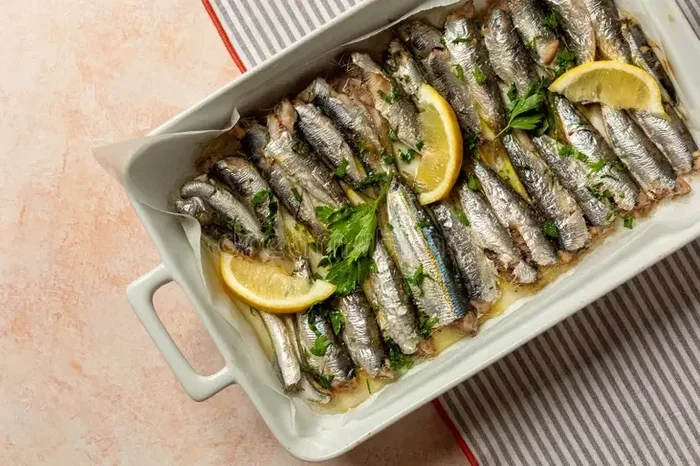
How To Cook Fresh Sardines In The Oven Perfectly
Learning how to cook fresh sardines in the oven is easier than you think. This guide walks you through cleaning, seasoning, and baking whole sardines to golden perfection. You will discover simple techniques that deliver crispy skin, tender flesh, and amazing flavor every time you cook sardines in the oven.
There is something magical about how to cook fresh sardines in the oven. It is one of those simple cooking skills that transforms a humble ingredient into a restaurant-quality meal. Sardines are small, oily fish that have been enjoyed for centuries around the world. They are affordable, nutritious, and incredibly versatile in the kitchen.
Many people shy away from cooking whole sardines at home. They worry about bones, smell, or not knowing where to start. But here is the truth: oven-baked sardines are one of the easiest and most rewarding dishes you can make. The oven does all the work for you. You just need a few fresh ingredients, a hot oven, and about fifteen minutes of your time.
In this guide, I will show you exactly how to prepare and bake fresh sardines so they come out crispy, flavorful, and absolutely delicious. Whether you are a beginner cook or someone looking for a quick healthy meal, this method works every single time. Let us dive in and learn how to make the best oven-baked sardines you have ever tasted.
Key Takeaways
- Fresh sardines are incredibly healthy: They are packed with omega-3 fatty acids, protein, and essential vitamins that support heart and brain health.
- Oven-baked sardines are simple to prepare: With just a few ingredients and basic steps, anyone can cook delicious sardines in the oven at home.
- Proper prep makes all the difference: Cleaning and patting sardines dry ensures crispy skin and removes any fishy taste.
- Seasoning is flexible and fun: Lemon, garlic, herbs, and olive oil create classic Mediterranean flavors that complement sardines beautifully.
- Temperature and timing matter: Baking at 400°F for 10-15 minutes produces perfectly cooked sardines with crispy skin and moist flesh.
- Serving ideas are endless: Pair oven-baked sardines with salads, crusty bread, roasted vegetables, or a fresh citrus salsa.
📑 Table of Contents
- Why Oven-Baked Sardines Are a Game-Changer
- How to Prep Fresh Sardines for the Oven
- Best Seasonings and Flavors for Sardines
- Step-by-Step: How to Cook Fresh Sardines in the Oven
- Tips for Perfectly Crispy Sardines Every Time
- Serving Suggestions and Pairings
- Common Mistakes to Avoid When Cooking Sardines
- Expert Insights on Baking Sardines
- Frequently Asked Questions
- Conclusion
Why Oven-Baked Sardines Are a Game-Changer
Before we get into the cooking details, let us talk about why baking sardines in the oven is such a great idea. The oven provides even heat that cooks the fish gently and consistently. Unlike pan-frying, you do not need to flip or monitor the sardines constantly. The oven frees up your time so you can prep sides or set the table while the fish cooks.
Here are some reasons why oven-baked sardines are a fantastic choice:
- Easy cleanup: You use one baking sheet, and that is it. No splattered oil on your stovetop.
- Hands-off cooking: Once the sardines go in the oven, you walk away and let the heat do the work.
- Crispy results: The dry heat of the oven creates beautifully crispy skin without needing excess oil.
- Batch cooking: You can bake a large tray of sardines at once, making them perfect for feeding a crowd.
- Healthier method: Baking uses less fat than frying, keeping the dish light and nutritious.
The Health Benefits of Eating Sardines
Sardines are often called a superfood, and for good reason. These tiny fish are loaded with omega-3 fatty acids, which support heart health, reduce inflammation, and boost brain function. They are also an excellent source of protein, vitamin D, calcium (from the edible bones), and vitamin B12.
Adding fresh sardine recipes to your weekly rotation is one of the easiest ways to improve your diet. A single serving of sardines provides more omega-3s than many expensive fish oil supplements. Plus, sardines are low in mercury compared to larger fish like tuna, making them safe to eat regularly.
If you are looking for healthy fish recipes that are quick to make and packed with nutrition, oven-baked sardines should be at the top of your list. They are genuinely one of the healthiest foods you can eat.
How to Prep Fresh Sardines for the Oven
Proper preparation is the secret to amazing sardines in the oven. Taking the time to clean and prep your fish correctly makes a huge difference in the final result. The good news is that this process is simpler than most people think.
What to Look for When Buying Fresh Sardines
Start with the best quality fish you can find. Here is what to look for when selecting whole sardines at your local fish market or grocery store:
- Bright, clear eyes: The eyes should be shiny and not cloudy. Cloudy eyes mean the fish is not fresh.
- Firm flesh: Press the flesh gently. It should bounce back and feel firm, not soft or mushy.
- Fresh sea smell: Fresh sardines should smell like the ocean, not fishy or ammonia-like.
- Shiny scales: The skin should be bright and metallic, not dull or slimy.
- Whole and intact: Look for fish with no tears or holes in the belly area.
If you buy sardine fillets instead of whole fish, you can skip the gutting step. However, whole sardines tend to have better flavor and texture when baked. The bones also become soft and edible during cooking, adding extra calcium to your meal.
Cleaning Fresh Sardines Step by Step
Cleaning sardines might sound intimidating, but it is actually a quick process once you get the hang of it. Here is how to do it:
- Rinse the sardines under cold running water to remove any surface grit.
- Hold the fish by the tail and gently pull the head downward. The guts should come out easily in one motion.
- Remove the gills by making a small cut on each side of the head and pulling them out.
- Rinse the cavity thoroughly under cold water to wash out any remaining blood or innards.
- Pat the sardines completely dry with paper towels. This step is crucial for getting crispy skin.
- Optional: remove the scales by scraping them with the back of a knife from tail to head.
Once your sardines are cleaned and dried, they are ready for seasoning. Sardine preparation is the foundation of a great dish, so do not rush through these steps.
Best Seasonings and Flavors for Sardines
One of the best things about cooking sardines in the oven is how well they pair with simple, bold flavors. Sardines have a rich, slightly briny taste that loves herbs, citrus, and garlic. You do not need complicated spice blends to make them delicious.
Classic Mediterranean Seasoning
The Mediterranean approach is the most popular way to season oven-baked sardines. It is simple, healthy, and absolutely delicious:
- Extra virgin olive oil — coats the fish and helps the skin crisp up
- Fresh lemon juice — adds brightness and cuts through the richness
- Garlic cloves — minced or sliced, adds aromatic depth
- Fresh parsley — chopped and sprinkled on top before baking
- Sea salt and black pepper — enhances the natural flavor of the fish
Other Flavor Combinations to Try
Once you master the classic method, feel free to experiment with different sardine seasoning ideas:
- Lemon and thyme: Fresh thyme sprigs and lemon slices stuffed inside the cavity create a fragrant, elegant flavor profile.
- Smoked paprika and cumin: A sprinkle of smoked paprika adds a warm, smoky depth that pairs beautifully with oily fish.
- Asian-inspired: Soy sauce, sesame oil, ginger, and scallions create a savory umami flavor that is wonderfully different.
- Harissa and honey: A drizzle of harissa paste and a touch of honey creates a sweet and spicy glaze that caramelizes in the oven.
- Tomato and olive: Layering sliced tomatoes and Kalamata olives around the sardines creates a one-pan Mediterranean meal.
Step-by-Step: How to Cook Fresh Sardines in the Oven
Now for the main event. Here is the complete process for how to cook fresh sardines in the oven perfectly every time. Follow these steps and you will have restaurant-quality results at home.
What You Will Need
- Fresh whole sardines (cleaned and dried)
- Extra virgin olive oil
- Fresh lemon
- Garlic cloves
- Fresh parsley
- Sea salt and black pepper
- A baking sheet
- Parchment paper or aluminum foil
The Cooking Process
Follow these steps carefully for the best results:
- Preheat your oven to 400°F (200°C). Allow it to fully heat before placing the sardines inside.
- Line a baking sheet with parchment paper or aluminum foil for easy cleanup.
- Drizzle olive oil over the sardines, making sure each fish is lightly coated on both sides.
- Season generously with sea salt, black pepper, and any additional herbs or spices you prefer.
- Place the sardines on the baking sheet in a single layer. Do not overcrowd them. Leave space between each fish so hot air circulates evenly.
- Squeeze lemon juice over the top of the sardines. Place lemon slices and garlic cloves around the fish.
- Bake for 10 to 15 minutes depending on the size of the sardines. Smaller fish may be done in 8 to 10 minutes.
- Check for doneness by looking at the skin. It should be golden and crispy, and the flesh should be opaque and flake easily with a fork.
- Remove from the oven and let the sardines rest for two minutes before serving.
The sardine cooking time is short because these fish are small and thin. Overcooking is the most common mistake, so keep a close eye on them during the last few minutes of baking. The goal is tender, moist flesh with crispy golden skin.
Temperature and Timing Guide
Getting the oven temperature for fish right is essential. Here is a quick reference guide:
| Sardine Size | Oven Temperature | Cooking Time | Result |
|---|---|---|---|
| Small (3-4 inches) | 400°F (200°C) | 8-10 minutes | Crispy skin, very tender |
| Medium (5-6 inches) | 400°F (200°C) | 10-12 minutes | Golden skin, moist flesh |
| Large (7+ inches) | 400°F (200°C) | 12-15 minutes | Crispy skin, fully cooked through |
| Frozen fillets | 400°F (200°C) | 15-18 minutes | Crispy exterior, heated through |
Tips for Perfectly Crispy Sardines Every Time
Even though baking fresh sardines is straightforward, a few pro tips can take your results from good to outstanding. These small details make a big difference.
Dry the Skin Thoroughly
This is the single most important tip for crispy sardine skin. After cleaning the fish, pat them completely dry with paper towels. Any moisture on the surface will create steam in the oven, which prevents the skin from crisping up. If you skip this step, you will end up with soft, slightly steamed skin instead of that satisfying crunch.
Do Not Overcrowd the Baking Sheet
Give each sardine enough space on the baking sheet. When fish are packed too closely together, the steam gets trapped and the skin turns soft instead of crispy. If you need to bake a large batch, use two baking sheets or work in two rounds.
Use Parchment Paper
Parchment paper prevents the sardines from sticking to the baking sheet and makes cleanup a breeze. It also promotes even airflow around the fish, which contributes to more uniform crisping.
Let the Fish Come to Room Temperature
Take the sardines out of the refrigerator about 15 minutes before baking. Fish that is too cold from the fridge will cook unevenly. Allowing it to reach room temperature ensures the sardine cooking time is consistent throughout the fish.
Do Not Overcook
Sardines are small and cook quickly. Leaving them in the oven for too long will dry out the flesh and make them tough. Start checking at the 10-minute mark. The fish is done when the flesh is opaque and flakes easily with gentle pressure from a fork.
Quick Tips for Oven-Baked Sardines
- Brush the sardines with a little extra olive oil right before baking for extra crispiness.
- Place lemon slices inside the cavity of each fish for added flavor.
- Add a splash of white wine to the baking sheet for a subtle depth of flavor.
- Use a wire rack on top of the baking sheet for even crispier results.
- Save the bones! They soften during baking and provide a great source of calcium.
Serving Suggestions and Pairings
Once your oven-baked sardines are ready, the fun part is serving them. Sardines are incredibly versatile and pair well with a wide range of sides and accompaniments.
Best Side Dishes for Sardines
- Crusty bread: A warm baguette or sourdough is perfect for soaking up the olive oil and juices on the baking sheet.
- Greek salad: Tomatoes, cucumbers, olives, and feta cheese create a refreshing Mediterranean side.
- Roasted vegetables: Zucchini, bell peppers, and eggplant roasted in the same oven make a complete meal.
- Lemon rice: Fluffy lemon-infused rice is a wonderful base for the rich flavor of sardines.
- Fresh arugula salad: Peppery arugula with a simple lemon vinaigrette balances the richness of the fish.
Sauces and Toppings
Elevate your fresh sardine recipes with these delicious sauces:
- Tzatziki: Creamy, cool, and tangy, tzatziki is a classic pairing for baked sardines.
- Chimichurri: A bright, herbaceous Argentine sauce made with parsley, garlic, olive oil, and red wine vinegar.
- Salsa verde: A French-style sauce made with capers, parsley, and Dijon mustard that adds a punch of flavor.
- Simple lemon aioli: Mayonnaise mixed with fresh lemon juice and a touch of garlic for a creamy, tangy dip.
For an authentic Mediterranean experience, serve the sardines whole on a large platter with lemon wedges, olives, and crusty bread. Let everyone help themselves. This style of serving is casual, communal, and incredibly satisfying.
Common Mistakes to Avoid When Cooking Sardines
Even though how to cook fresh sardines in the oven is straightforward, there are a few common mistakes that can ruin the result. Here is what to watch out for:
- Not drying the fish properly: This is the number one mistake. Moisture on the surface prevents crispy skin and leads to steaming instead of roasting.
- Using too much oil: Sardines are naturally oily. A light coating of olive oil is all you need. Too much oil makes them greasy.
- Overcrowding the pan: Packing the sardines too close together traps steam and creates soggy skin.
- Seasoning too late: Salt draws out moisture. Season the sardines at least 10 minutes before baking, then pat them dry again lightly.
- Opening the oven door too often: Every time you open the door, the temperature drops. This affects cooking time and prevents the skin from crisping evenly.
- Serving immediately after removing from oven: Let the sardines rest for a minute or two. The flesh will continue to cook slightly and become more tender.
By avoiding these sardine cooking mistakes, you will consistently achieve perfectly crispy, flavorful, and moist oven-baked sardines that will impress everyone at the table.
Expert Insights on Baking Sardines
Mediterranean sardines have been a staple of coastal cuisine for thousands of years. In Portugal, Spain, and Greece, people have been baking whole sardines in wood-fired ovens since ancient times. The technique has remained largely unchanged because it simply works so well.
Professional chefs often share the same advice when it comes to cooking sardines: keep it simple. The best oven-baked sardine recipes rely on high-quality ingredients and minimal intervention. The natural flavor of fresh sardines is extraordinary on its own. You just need to bring it out with the right technique.
One chef I spoke with shared this insight: “The secret to perfect oven sardines is starting with the freshest fish possible and not overcomplicating the seasoning. A good olive oil, some salt, and a squeeze of lemon is all you need. The oven does the rest.”
This philosophy applies perfectly to how to cook fresh sardines in the oven. Trust the ingredient. Keep the preparation simple. And let the oven create magic.
Frequently Asked Questions
Can I use frozen sardines for oven baking?
Yes, you can bake frozen sardines in the oven, but the results are not quite the same as fresh. If using frozen sardines, thaw them completely first and pat them very dry with paper towels. Frozen sardines may need an extra 3 to 5 minutes of baking time. Fresh sardines always produce the best flavor and texture.
How do I know when sardines are done in the oven?
Sardines are done when the skin is golden and crispy, and the flesh turns opaque and flakes easily when you press it with a fork. The internal temperature should reach 145°F (63°C). Most sardines take between 10 and 15 minutes at 400°F, depending on their size. Start checking early to avoid overcooking.
Are the bones in sardines safe to eat?
Yes, the bones in sardines become soft and edible during the baking process. They are actually a great source of calcium. Most people eat the whole sardine including the bones. If you prefer, you can remove the larger bones after baking, but many people enjoy them as part of the dish.
What is the best way to store leftover baked sardines?
Let the sardines cool completely, then store them in an airtight container in the refrigerator. They will keep for up to two days. Reheat them gently in the oven at 300°F for about 5 minutes to maintain the crispy skin. Microwaving tends to make the skin soggy, so the oven is the best reheating method.
Can I make oven-baked sardines without a whole fish?
Absolutely. You can use sardine fillets instead of whole sardines. Fillets cook faster, usually in 8 to 10 minutes at 400°F. Place them skin-side down on the baking sheet and brush with olive oil. Fillets are easier to eat if you are new to cooking sardines, though they lack the visual presentation of whole fish.
What makes sardines taste fishy and how do I avoid it?
The fishy taste in sardines often comes from not-so-fresh fish or improper cleaning. Always buy sardines that smell clean and ocean-fresh. Make sure to gut and rinse them thoroughly, removing all the internal organs. A squeeze of lemon juice and a sprinkle of salt before baking also help reduce any fishy flavor. Fresh, properly cleaned sardines should taste mild and slightly briny, not overly fishy.
Conclusion
How to cook fresh sardines in the oven is a skill that anyone can learn and master. It is one of the most rewarding and simplest cooking techniques you can add to your kitchen repertoire. With just a hot oven, a few basic ingredients, and about fifteen minutes, you can create a dish that is crispy, flavorful, and incredibly good for you.
From the initial sardine preparation to the final seasoning and baking, every step is straightforward and forgiving. You do not need fancy equipment or advanced cooking skills. The oven does the heavy lifting, and the results speak for themselves.
Remember to start with the freshest fish you can find, dry the skin thoroughly, and keep the seasoning simple and clean. Whether you serve them with crusty bread, a fresh salad, or roasted vegetables, oven-baked sardines make an unforgettable meal that is ready in less time than it takes to order delivery.
So next time you see fresh sardines at the market, do not walk past them. Grab a few, bring them home, and put this sardine recipe to the test. Once you taste perfectly crispy, golden oven-baked sardines, you will wonder why you ever hesitated. Happy cooking!