How To Use Your Whirlpool Microwave Oven The Right Way
Learning how to use your Whirlpool microwave oven the right way can transform your daily cooking routine. This guide covers everything from basic settings and power levels to advanced features like sensor cooking and convection modes. You will discover practical tips, common mistakes to avoid, and simple maintenance steps that keep your appliance running smoothly for years.
Key Takeaways
- Know Your Controls: Understanding the control panel and power levels is the first step to using your Whirlpool microwave oven effectively.
- Use Presets Wisely: Whirlpool microwaves come with built-in presets that simplify cooking for common foods like popcorn, potatoes, and beverages.
- Safety Comes First: Always follow microwave safety guidelines, including using microwave-safe containers and never operating an empty oven.
- Clean Regularly: A clean microwave performs better, heats food more evenly, and lasts longer.
- Avoid Common Mistakes: Things like overheating water and using metal containers can cause serious problems.
- Troubleshoot with Confidence: Most issues with your Whirlpool microwave oven have simple fixes you can do at home.
📑 Table of Contents
Understanding Your Whirlpool Microwave Oven
A Whirlpool microwave oven is one of the most versatile kitchen appliances you can own. Whether you use it to reheat leftovers, defrost frozen meals, or cook full dinners, knowing how it works makes a huge difference. The better you understand your machine, the better your results will be every single time.
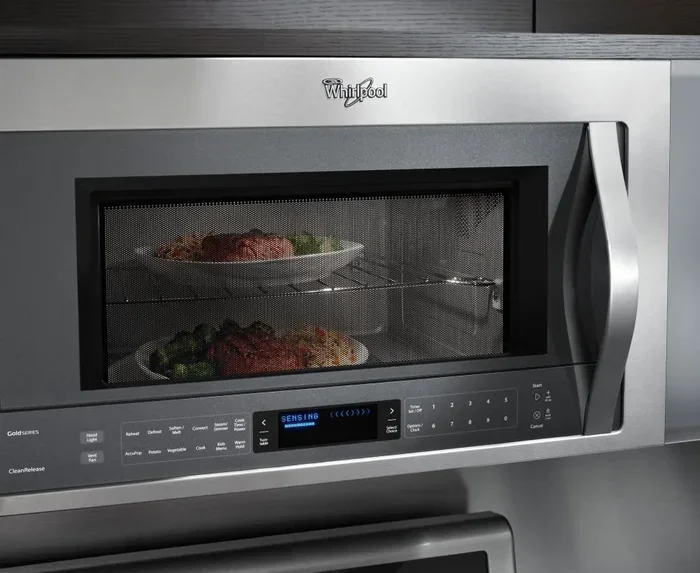
Most Whirlpool models share a similar design and set of features. The exterior includes the door, control panel, and ventilation grilles. Inside, you will find the turntable, a rotating glass plate that helps food cook evenly. There is also the interior cavity, the light, and the waveguide cover that directs microwave energy into the cooking space.
Before you start cooking, take a moment to read the user manual that came with your specific model. Different Whirlpool microwave ovens may have slightly different features. Some include convection cooking, which uses a heating element and fan to brown and crisp food. Others have sensor cooking, which adjusts power and time automatically based on steam levels inside the cavity.
What Makes a Whirlpool Microwave Different
Whirlpool has been a trusted name in home appliances for decades. Their microwave ovens are built with durability and user-friendliness in mind. Here is what sets them apart from many other brands:
- Intuitive Control Panels: Whirlpool designs its microwave control panels to be easy to read and use. Most models use a simple dial or touchpad layout that is straightforward even for first-time users.
- Multiple Power Levels: You can choose from several power settings, typically ranging from 1 to 10. This lets you fine-tune the heat for different types of food.
- Built-In Presets: Many Whirlpool models include one-touch cooking options for popular foods like popcorn, pizza, potatoes, and beverages.
- Convection and Sensor Options: Higher-end models offer convection microwave combos and sensor cooking technology for advanced meal preparation.
- Durable Construction: Whirlpool microwaves are built to last, with sturdy interiors and reliable components that stand up to daily use.
Setting Up Your Whirlpool Microwave for First Use
Setting up your new Whirlpool microwave oven is simple, but there are a few important steps you should not skip. A proper setup ensures safe operation and optimal performance from day one.
Step-by-Step Setup Process
- Unbox and Inspect: Carefully remove the microwave from its packaging. Check for any visible damage to the door, control panel, or interior cavity.
- Remove Protective Materials: Take off any tape, stickers, or protective films inside the oven. These are often left over from manufacturing and should be completely removed.
- Place on a Stable Surface: Set the microwave on a flat, sturdy countertop. Make sure there is enough ventilation around the unit, especially at the back and sides.
- Plug In Safely: Use a grounded electrical outlet. Do not use an extension cord unless it is rated for the microwave’s wattage.
- Run a Test Cycle: Fill a microwave-safe glass with one cup of water. Place it inside and run on high power for two minutes. This helps burn off any residual manufacturing smells.
Once the test cycle is complete, your Whirlpool microwave oven is ready to use. Wipe down the interior with a damp cloth before your first real cooking session.
Quick Tip for First-Time Users
Before you start cooking real meals, spend a few minutes exploring the control panel. Press a few buttons and watch how the display responds. This small step will save you time and frustration when you are in the middle of cooking dinner.
Mastering the Control Panel and Settings
The control panel is the brain of your Whirlpool microwave oven. Understanding what each button and setting does will unlock the full potential of your appliance. Most Whirlpool models follow a similar layout, so once you learn one, you can use them all with confidence.
Power Levels Explained
Power level is one of the most important settings on your microwave. It controls how much microwave energy the oven generates during cooking. Most Whirlpool models offer power levels from 1 to 10, where 10 is the highest and 1 is the lowest.
- Level 10 (High): Best for boiling water, heating beverages, and cooking most foods quickly.
- Level 7-8 (Medium-High): Great for reheating casseroles, soups, and sauces without overcooking the edges.
- Level 5 (Medium): Ideal for defrosting frozen foods and cooking delicate items like eggs or fish.
- Level 3-4 (Low): Perfect for melting butter, chocolate, or warming baby food gently.
- Level 1-2 (Defrost/Low): Used specifically for defrosting frozen meats, vegetables, and other items slowly and evenly.
Using Preset Functions
Whirlpool microwave ovens come loaded with preset functions that take the guesswork out of cooking. These one-touch programs automatically set the right power level and cook time for specific foods. Common presets include popcorn, potato, beverage, pizza, and frozen dinner.
To use a preset, simply press the corresponding button on the control panel. Your microwave will automatically set the time and power. Some models even have a sensor that detects when food is done and stops the cycle automatically. This is called sensor cooking, and it is a game-changer for consistent results.
Setting the Timer and Clock
The timer function lets you set a countdown even when you are not actively cooking. This is handy for keeping track of things on the stovetop or in the oven. The clock setting keeps your microwave display accurate and helps you track cook times more easily.
To set the clock, typically you press the Clock button, enter the time using the number pad, and press Start. Refer to your specific model’s manual for exact steps, as the process can vary slightly between Whirlpool microwave models.
Cooking Techniques and Best Practices
Knowing how to use the controls is only half the battle. Using the right cooking techniques is what separates good microwave meals from great ones. These best practices will help you get the most out of every cooking session.
Reheating Food Properly
Reheating leftovers is one of the most common uses for any microwave. But doing it wrong can lead to unevenly heated food or soggy textures. Here is how to reheat like a pro:
- Use microwave-safe containers made of glass, ceramic, or labeled microwave-safe plastic.
- Cover your food with a microwave-safe lid or damp paper towel to retain moisture.
- Stir or rotate food halfway through the cooking time for even heating.
- Let food stand for one to two minutes after cooking. The heat will continue to distribute naturally.
- Use medium power levels for sauces, gravies, and creamy dishes to prevent splattering.
Defrosting Food Safely
The defrost function on your Whirlpool microwave oven is incredibly convenient. It uses low power to thaw frozen foods without cooking the edges. Always use the defrost setting or a low power level when thawing meat, poultry, or seafood.
For best results, remove food from its packaging before defrosting. Place it on a microwave-safe plate to catch any drips. Cook the food immediately after defrosting to prevent bacterial growth. Never refreeze food that has been thawed in the microwave unless you cook it thoroughly first.
Cooking from Scratch
Many people do not realize that you can actually cook full meals in a microwave. Oatmeal, scrambled eggs, steamed vegetables, and even baked potatoes are all easy to prepare. The key is using the right power level and cook time for each dish.
When cooking from scratch, start with shorter cook times and check the food frequently. You can always add more time, but you cannot undo overcooked food. This trial-and-error approach helps you learn exactly how your specific Whirlpool microwave oven handles different ingredients.
Using Microwave-Safe Containers
Not all containers are safe for microwave use. Using the wrong container can damage your oven, ruin your food, or even cause a fire. Here is a quick guide:
- Safe: Glass, ceramic, microwave-safe plastic, and paper products.
- Unsafe: Metal, aluminum foil, gold or silver trim on dishes, and certain plastics not labeled microwave-safe.
When in doubt, look for the microwave-safe symbol on the bottom of the container. It usually looks like a set of wavy lines or a microwave icon.
Quick Tips for Better Microwave Cooking
- Cut food into uniform pieces so it cooks evenly.
- Arrange food in a circle around the edge of the plate, leaving the center empty for better heat distribution.
- Use microwave covers or vented lids to trap steam and cook food faster.
- Add a small amount of water to rice or grains before cooking to create steam.
- Place a cup of water in the microwave alongside leftover pizza to keep the crust from getting soggy.
Common Mistakes to Avoid
Even experienced microwave users make mistakes from time to time. Being aware of the most common errors will help you avoid them and get better results every time you use your Whirlpool microwave oven.
Mistake 1: Using Metal Containers
This is the number one mistake people make with microwaves. Metal reflects microwave energy, which can cause sparking, damage the oven, or even start a fire. Always double-check that your containers are microwave-safe before heating food.
Mistake 2: Overheating Water
Heating water in a microwave for too long can cause superheating. This means the water gets hotter than its boiling point without actually bubbling. When you disturb it by adding a spoon or tea bag, it can erupt violently and cause burns. To prevent this, place a non-metallic object like a wooden stir stick in the water while heating.
Mistake 3: Ignoring the Turntable
The turntable inside your Whirlpool microwave is designed to rotate food for even cooking. If you remove it or block it with oversized containers, your food will heat unevenly. Always make sure the turntable is in place and can rotate freely.
Mistake 4: Running the Microwave Empty
Never run your microwave without food or liquid inside. The microwave energy has nowhere to go and can damage the magnetron, which is the component that generates the microwaves. This repair can be expensive and is entirely preventable.
Mistake 5: Skipping Regular Cleaning
Food splatters and grease buildup inside the microwave can affect cooking performance over time. They can also cause odors and even harbor bacteria. Make it a habit to wipe down the interior after every use and do a deep clean at least once a week.
Cleaning, Maintenance, and Troubleshooting
Keeping your Whirlpool microwave oven clean and well-maintained is the best way to extend its lifespan and ensure consistent performance. A little regular care goes a long way.
How to Clean Your Microwave
Cleaning a microwave is quick and easy when you do it regularly. Here is a simple method that works wonders:
- Fill a microwave-safe bowl with water and add a few slices of lemon or a splash of white vinegar.
- Run the microwave on high power for three to five minutes until the water boils and the interior steams up.
- Let the bowl sit inside the closed microwave for another five minutes. The steam will loosen baked-on food and grease.
- Carefully remove the bowl and wipe down the interior walls, ceiling, and turntable with a damp cloth.
- Wash the turntable and roller ring separately with warm soapy water.
- Wipe the exterior, including the door seal and control panel, with a damp microfiber cloth.
Expert Insight on Maintenance
According to appliance experts, the door seal is one of the most overlooked parts of microwave maintenance. A dirty or damaged seal can let microwave energy leak out, which is both inefficient and potentially unsafe. Wipe the seal gently with a damp cloth every few weeks to keep it clean and intact.
Common Troubleshooting Tips
If your Whirlpool microwave oven is not working as expected, try these simple troubleshooting steps before calling a technician:
- Microwave not heating: Check that the door is fully closed and latched. Also verify that you have not accidentally set the power to a very low level.
- Turntable not spinning: Remove the turntable and roller ring, clean them, and reinsert them properly. Make sure nothing is blocking the rotation.
- Strange noises: A buzzing or humming sound is usually normal. Loud grinding or scraping sounds may indicate a problem with the turntable motor or roller guide.
- Display not working: Unplug the microwave for 30 seconds, then plug it back in. This often resets the control panel and fixes display issues.
- Food not cooking evenly: Check that the turntable is rotating properly. Also, make sure you are not overloading the oven with too much food at once.
Comparison: Basic vs. Advanced Whirlpool Microwave Features
| Feature | Basic Models | Advanced Models |
|---|---|---|
| Power Levels | 10 levels | 10 levels with sensor adjustment |
| Preset Programs | 5-6 presets | 10+ presets including custom options |
| Convection Cooking | Not available | Built-in convection with heating element |
| Sensor Cooking | Not available | Automatic time and power adjustment |
| Capacity | 0.7 – 1.2 cubic feet | 1.2 – 2.2 cubic feet |
| Wattage | 700 – 1000 watts | 1000 – 1200 watts |
| Price Range | Budget-friendly | Mid-range to premium |
When choosing between basic and advanced Whirlpool microwave ovens, consider your cooking habits. If you mostly reheat leftovers and make popcorn, a basic model handles that perfectly. If you enjoy cooking full meals and want more versatility, an advanced model with convection and sensor cooking is worth the investment.
Conclusion
Using your Whirlpool microwave oven the right way is easier than you might think. With a basic understanding of the control panel, power levels, and cooking techniques, you can prepare quick and delicious meals every day. Remember to always use microwave-safe containers, follow safety guidelines, and keep your appliance clean for the best results.
The key to mastering your Whirlpool microwave oven is practice. Try new recipes, experiment with different power levels, and use the preset functions to save time. Over time, you will develop a natural feel for how your specific model cooks, and meal preparation will become second nature.
Take what you have learned from this guide and start applying it today. Whether you are reheating yesterday’s dinner or cooking a fresh meal from scratch, your Whirlpool microwave oven is ready to help you do it the right way. Enjoy the convenience, speed, and versatility that this incredible kitchen appliance brings to your home.
Frequently Asked Questions
Can I use a Whirlpool microwave oven for convection cooking?
Yes, but only if your specific Whirlpool microwave oven model includes a convection feature. Convection microwaves have a heating element and fan that allow you to brown, crisp, and bake food in addition to standard microwave cooking. Check your model’s manual or product specifications to confirm whether convection is available.
What wattage is best for a Whirlpool microwave oven?
Most Whirlpool microwave ovens range from 700 to 1200 watts. Higher wattage means faster cooking and more even heating. For everyday use, 1000 watts is a sweet spot that handles most cooking tasks efficiently. Lower wattage models work fine for simple reheating and defrosting.
How do I clean my Whirlpool microwave oven?
The easiest way is the steam-cleaning method. Fill a microwave-safe bowl with water and lemon slices or vinegar, heat on high for three to five minutes, and then wipe the interior with a damp cloth. For tough stains, let the steam sit for a few extra minutes before wiping. Clean the turntable and roller ring separately with warm soapy water.
Is it safe to microwave plastic containers?
Only if the container is labeled as microwave-safe. Non-microwave-safe plastics can melt, leach chemicals into your food, or warp under high heat. Glass and ceramic containers are the safest and most reliable options for microwave use. Always look for the microwave-safe symbol on the bottom of any container before putting it in your Whirlpool microwave oven.
Why does my Whirlpool microwave stop cooking after a few seconds?
This is often caused by an improperly closed door or a triggered safety switch. Make sure the door is fully latched and nothing is obstructing it. If the problem persists, the door switch or magnetron may need inspection by a qualified technician. Check your warranty coverage before scheduling any repairs.
Can I cook raw meat in a Whirlpool microwave oven?
Yes, you can cook raw meat in a microwave, but you must ensure it reaches a safe internal temperature to kill harmful bacteria. Use a meat thermometer to verify doneness. Cook poultry to 165°F, ground meat to 160°F, and steaks or roasts to at least 145°F. Let the meat rest for a few minutes after cooking to allow juices to redistribute evenly.