How To Cook Thawed Chicken Breast In Oven Perfectly
Learning how to cook thawed chicken breast in oven is simple and rewarding when you follow the right steps. This guide covers everything from prep and seasoning to oven temperature and timing so your chicken stays juicy and flavorful. Whether you are a beginner or a home cook looking for a reliable method, these tips will help you achieve restaurant-quality baked chicken breast at home.
There is something truly satisfying about pulling a perfectly baked chicken breast out of the oven. The aroma fills your kitchen, and you know you are about to enjoy a healthy, delicious meal. If you have ever wondered how to cook thawed chicken breast in oven the right way, you are in the right place.
Cooking chicken breast in the oven might seem straightforward, but small details make a big difference. The temperature you choose, the time you bake, and how you prepare the meat all affect the final result. This guide will walk you through every step so you get juicy, tender, and flavorful chicken breast every single time.
Whether you are meal prepping for the week or cooking dinner for your family, how to cook thawed chicken breast in oven is a skill worth mastering. Let us dive in and make it easy for you.
Key Takeaways
- Thaw chicken safely: Always thaw chicken breast in the fridge or using cold water before oven cooking to ensure even results.
- Use the right temperature: Bake thawed chicken breast at 400°F for the best balance of crispy exterior and juicy interior.
- Rest your chicken: Let the chicken rest for 5 to 10 minutes after baking to lock in moisture.
- Season generously: Simple seasonings like olive oil, garlic, and herbs elevate the flavor of oven-baked chicken breast.
- Check internal temperature: Always use a meat thermometer to confirm the chicken reaches 165°F for safe eating.
- Avoid common mistakes: Overcooking, skipping the rest, and not patting dry are the top errors to avoid.
📑 Table of Contents
- Why Cooking Thawed Chicken Breast in the Oven Works So Well
- Preparing Your Thawed Chicken Breast for the Oven
- The Best Oven Temperature and Time for Chicken Breast
- Seasoning Ideas for Delicious Oven-Baked Chicken Breast
- Common Mistakes to Avoid When Baking Chicken Breast
- How to Tell When Chicken Breast Is Fully Cooked
- Frequently Asked Questions
- Conclusion
Why Cooking Thawed Chicken Breast in the Oven Works So Well
Many people ask why oven baking is the go-to method for chicken breast. The answer is simple. An oven provides consistent, surrounding heat that cooks the meat evenly. Unlike a stovetop, where one side gets more direct heat, the oven surrounds the chicken with hot air. This creates a beautifully cooked piece of meat from edge to center.
When you bake chicken breast in oven, you also get a slightly crispy exterior without needing much oil. This makes it a healthier alternative to frying. Plus, the oven frees up your hands so you can prep sides, set the table, or relax while dinner cooks.
Using thawed chicken breast specifically matters because frozen chicken can cook unevenly. When the meat is fully thawed, the heat spreads consistently throughout. This means no more cold spots or overcooked edges. How to cook thawed chicken breast in oven becomes a foolproof process when you start with properly thawed meat.
The Benefits of Oven-Baked Chicken Breast
Let us look at why so many home cooks prefer this method:
- Even cooking: The oven heats the chicken from all sides, reducing the risk of uneven doneness.
- Minimal effort: Once the chicken is in the oven, you can focus on other tasks.
- Healthy cooking: Baking requires little to no added fat compared to frying.
- Versatile seasoning: The oven allows flavors to penetrate the meat deeply during the cooking process.
- Easy scaling: You can cook one breast or several at once with the same results.
Preparing Your Thawed Chicken Breast for the Oven
Proper preparation is the foundation of great oven-baked chicken. Before you even think about turning on the oven, take a few minutes to prepare the meat correctly. This step makes a huge difference in texture and flavor.
First, make sure your chicken breast is fully thawed. The safest way to thaw chicken is to place it in the refrigerator the night before you plan to cook. If you are short on time, you can submerge the sealed chicken in cold water for about 30 minutes. Never use warm or hot water, as this can promote bacteria growth.
Pat the Chicken Dry
This is one of the most overlooked steps. Once your chicken is thawed, use paper towels to pat it completely dry on all sides. Moisture on the surface creates steam during baking, which prevents the chicken from getting crispy. A dry surface means better browning and a more appealing texture.
Trim Excess Fat and Tendons
Take a close look at the chicken breast. If you see any visible fat pockets or tendons, use a sharp knife to trim them away. This improves both the eating experience and the appearance of the finished dish. Nobody wants to bite into a chewy tendon while enjoying their oven-baked chicken breast.
Flatten the Chicken for Even Cooking
If your chicken breast has a thick end and a thin end, use a meat mallet or the bottom of a heavy pan to gently flatten it. Aim for an even thickness of about half an inch to three-quarters of an inch. This ensures the chicken cooks at the same rate throughout, which is essential when you cook thawed chicken breast in oven.
The Best Oven Temperature and Time for Chicken Breast
Temperature and time are the two most important factors in baking chicken breast. Get these right, and you will have perfect results every time. Get them wrong, and you end up with dry, tough meat nobody wants to eat.
The sweet spot for baking thawed chicken breast is 400°F (200°C). This temperature is hot enough to create a nice golden crust on the outside while keeping the inside moist and tender. Baking at lower temperatures can cause the chicken to dry out, while temperatures that are too high may burn the exterior before the interior is fully cooked.
Recommended Baking Times
The time you need depends on the thickness of the chicken breast. Here is a general guide:
- Thin cutlets (half-inch thick): 15 to 18 minutes
- Medium breasts (three-quarters of an inch thick): 20 to 25 minutes
- Thick breasts (one inch thick): 25 to 30 minutes
Always use a meat thermometer to check the internal temperature. The chicken is safe to eat when it reaches 165°F (74°C) in the thickest part. Let the chicken rest for five to ten minutes after removing it from the oven. The temperature will continue to rise slightly, and the juices will redistribute, making the meat juicier.
How to Cook Thawed Chicken Breast In Oven: A Simple Step-by-Step Method
Here is a straightforward method to follow every time you bake chicken breast in oven:
- Preheat your oven to 400°F (200°C).
- Pat the thawed chicken breast dry with paper towels.
- Season the chicken generously on both sides.
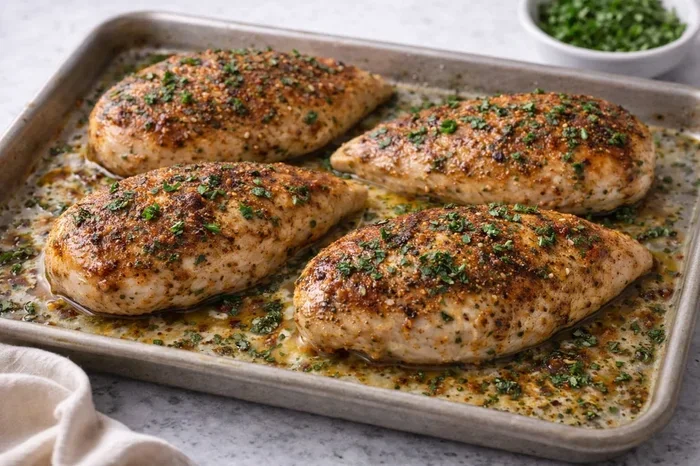
- Place the chicken in a baking dish or on a lined sheet pan.
- Bake for 20 to 25 minutes, depending on thickness.
- Check the internal temperature with a meat thermometer.
- Remove from the oven and let it rest for five to ten minutes.
- Slice and serve.
Following these steps ensures that how to cook thawed chicken breast in oven becomes second nature. Once you try this method a couple of times, you will not even need to think about it.
Seasoning Ideas for Delicious Oven-Baked Chicken Breast
One of the best things about baking chicken breast is how versatile it is. You can keep it simple or go all out with bold flavors. The right seasoning transforms a plain piece of chicken into something truly memorable.
Classic Herb Seasoning
For a timeless flavor, mix olive oil, minced garlic, dried oregano, dried basil, salt, and black pepper. Rub this mixture all over the chicken before baking. The herbs infuse the meat with a warm, savory aroma that pairs perfectly with almost any side dish.
Lemon and Garlic
Combine fresh lemon juice, lemon zest, minced garlic, olive oil, and a pinch of salt. This bright, zesty combination adds a refreshing twist to your oven-baked chicken breast. It works especially well with roasted vegetables on the side.
Smoky Paprika and Cumin
If you enjoy a deeper, earthier flavor, try smoked paprika, ground cumin, chili powder, garlic powder, salt, and a touch of brown sugar. This seasoning blend gives the chicken a beautiful dark crust and a subtle smoky sweetness.
Italian Style
Use Italian seasoning mix, grated Parmesan cheese, olive oil, and a splash of balsamic vinegar. This combination creates a rich, savory flavor that feels indulgent without being heavy. It is a family favorite for a reason.
Quick Tips for Seasoning
- Always season both sides of the chicken for balanced flavor.
- Let the seasoned chicken sit at room temperature for 15 minutes before baking. This helps the flavors absorb into the meat.
- Do not skip the salt. It enhances the natural flavor of the chicken and helps create a better crust.
- For extra juiciness, brush the chicken with a thin layer of olive oil or melted butter before seasoning.
Common Mistakes to Avoid When Baking Chicken Breast
Even experienced cooks sometimes make mistakes that affect the final result. Knowing what to avoid saves you from dry, bland, or undercooked chicken. Here are the most common errors people make when they cook thawed chicken breast in oven.
Starting with Wet Chicken
We mentioned this earlier, but it deserves repeating. If you do not pat the chicken dry, the surface will steam instead of roast. This leads to pale, soggy skin and a less appealing texture. Always dry the chicken thoroughly before seasoning and baking.
Overcooking the Chicken
Overcooking is the number one enemy of juicy chicken breast. Chicken breast has very little fat compared to other cuts, which means it dries out quickly once it passes the ideal temperature. Set a timer, check the internal temperature frequently, and pull the chicken out as soon as it hits 165°F.
Skipping the Resting Period
Many people cut into the chicken immediately after taking it out of the oven. This releases all the juices onto the cutting board instead of keeping them inside the meat. Give the chicken five to ten minutes to rest, and you will notice a big difference in juiciness.
Using the Wrong Pan
Thick, dark baking pans absorb more heat and can cause the bottom of the chicken to overcook. A thin, light-colored sheet pan or glass baking dish works better for even heat distribution. You can also line the pan with parchment paper for easy cleanup and to prevent sticking.
Not Letting the Chicken Come to Room Temperature
If you put cold chicken straight from the fridge into a hot oven, the outside may cook faster than the inside. Letting the chicken sit at room temperature for about 15 minutes before baking promotes more even cooking throughout.
How to Tell When Chicken Breast Is Fully Cooked
Knowing when your chicken breast is done is one of the most important skills in the kitchen. Undercooked chicken poses a health risk, while overcooked chicken is tough and dry. Here is how to tell with confidence.
The most reliable method is using a meat thermometer. Insert it into the thickest part of the breast, avoiding the bone if there is one. When the reading shows 165°F (74°C), the chicken is safe to eat. This is the standard recommended by food safety experts.
If you do not have a thermometer, you can use the visual and tactile method. Cut into the thickest part of the chicken. The meat should be white all the way through, with no pink remaining. The juices should run clear, not cloudy or pink. The chicken should also feel firm but still have some give when you press it with tongs.
Remember that the chicken will continue to cook slightly after you remove it from the oven. This is called carryover cooking. Pulling the chicken out at 160°F and letting it rest will bring it up to a safe 165°F. This trick helps keep the meat moist and tender.
How to Store and Reheat Leftover Baked Chicken Breast
If you have leftovers, store them in an airtight container in the refrigerator within two hours of cooking. Properly stored baked chicken breast keeps well for up to four days. To reheat, place the chicken in the oven at 350°F for about 10 to 15 minutes. This keeps the texture much better than using a microwave, which can make the chicken rubbery.
You can also shred leftover chicken and use it in salads, sandwiches, wraps, soups, or casseroles. How to cook thawed chicken breast in oven gives you a versatile ingredient that works in so many meals throughout the week.
Frequently Asked Questions
Can I cook chicken breast straight from frozen in the oven?
You can, but it is not recommended. Frozen chicken takes much longer to cook and often results in uneven cooking. The outside may dry out while the center remains undercooked. Always thaw your chicken breast before baking for the best results. If you must cook from frozen, increase the baking time by at least 50 percent and check the internal temperature carefully.
How long should I bake chicken breast at 400°F?
At 400°F, a thawed chicken breast typically needs 20 to 25 minutes, depending on thickness. Thinner cuts may be done in 15 to 18 minutes, while thicker breasts may need up to 30 minutes. Always use a meat thermometer to confirm the internal temperature reaches 165°F.
What is the best way to keep chicken breast moist in the oven?
Pat the chicken dry before seasoning, do not overcook it, and let it rest after baking. Brushing the chicken with olive oil or melted butter before baking also helps retain moisture. Another great tip is to brine the chicken for 30 minutes before cooking. Simply soak it in water with salt and a little sugar, then pat it dry before seasoning and baking.
Do I need to cover chicken breast with foil while baking?
You do not need to cover chicken breast with foil for most recipes. Baking uncovered allows the outside to become golden and slightly crispy. However, if you find your chicken is browning too quickly on top, you can loosely tent it with aluminum foil for the last few minutes of baking. This prevents burning while allowing the inside to finish cooking.
Can I bake chicken breast at 350°F instead of 400°F?
Yes, you can bake chicken breast at 350°F, but it will take longer, usually 25 to 30 minutes for a standard-thickness breast. The lower temperature produces a softer exterior and may result in slightly less browning. Many cooks prefer 400°F because it creates a nicer crust and cooks the chicken a bit faster, reducing the risk of drying out.
How can I add more flavor to baked chicken breast?
Marinating the chicken for at least 30 minutes before baking adds significant flavor. You can use yogurt-based marinades, citrus marinades, or simple oil and herb mixtures. Dry rubs also work wonderfully. Just make sure to pat the chicken dry before baking, even if you have marinated it, to get the best texture and crust.
Conclusion
Mastering how to cook thawed chicken breast in oven is easier than most people think. With the right temperature, proper preparation, and a little attention to timing, you can enjoy perfectly juicy, flavorful chicken breast any night of the week. The key is to start with thawed, dried chicken, season it well, bake at 400°F, and always check the internal temperature with a meat thermometer.
Avoid the common mistakes we covered, like overcooking and skipping the resting period, and your chicken will turn out restaurant-quality every time. Whether you keep it simple with salt and herbs or go bold with smoky paprika and lemon, oven-baked chicken breast is one of the most reliable and satisfying meals you can make.
Now that you know the steps, it is time to put them into practice. Preheat your oven, grab a thawed chicken breast, and try this method for yourself. Once you see how easy and delicious it is, you will never go back to overcooked, dry chicken again. Happy cooking!