Difference Between Microwave And Convection Oven Explained
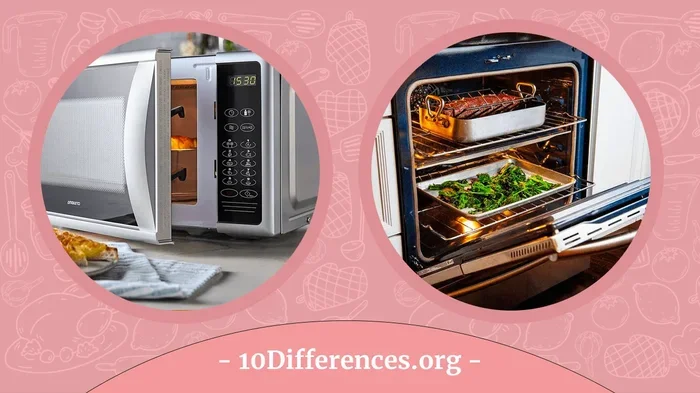
The difference between microwave and convection oven comes down to how they heat food. A microwave oven uses waves to cook from the inside out, while a convection oven uses hot air and a fan for even browning. Each appliance has unique strengths for cooking speed, baking, and reheating food. This guide breaks down everything you need to know.
Have you ever stood in front of your kitchen appliance wondering which one to use? Maybe you wanted to reheat last night’s dinner, or perhaps you were planning to bake a fresh loaf of bread. The answer often comes down to one simple question. What is the difference between microwave and convection oven?
These two kitchen appliances might look similar on the outside, but they work in completely different ways. A microwave oven uses microwave technology to heat food quickly from the inside. A convection oven uses a fan and heating element to circulate hot air around your food. Both are essential tools, but they serve very different purposes.
In this guide, we will walk you through everything you need to know. You will learn how each appliance works, where they shine, and where they fall short. By the end, you will know exactly which one fits your cooking style. Let us dive in.
Key Takeaways
- Microwave ovens cook fast and are perfect for reheating food and defrosting.
- Convection ovens deliver even heat and great browning for baking and roasting.
- The cooking method is the biggest difference between the two appliances.
- Energy efficiency varies, with microwaves generally using less power.
- Your choice depends on what you cook most often in your kitchen.
- Many modern kitchens benefit from having both a microwave and a countertop oven.
- Understanding heat distribution helps you get better cooking results every time.
📑 Table of Contents
- What Is a Microwave Oven?
- What Is a Convection Oven?
- Key Difference Between Microwave And Convection Oven
- Cooking Performance: Speed, Results, and Texture
- Energy Efficiency and Cost Considerations
- Which One Should You Choose?
- Common Mistakes People Make
- Quick Tips for Better Cooking Results
- Final Thoughts
What Is a Microwave Oven?
A microwave oven is a kitchen appliance that uses electromagnetic waves to heat food. These waves cause water molecules inside your food to vibrate. That vibration creates heat, which cooks your meal quickly and evenly.
How Does a Microwave Work?
Inside every microwave oven is a component called a magnetron. The magnetron generates microwave technology waves that bounce around the inside of the oven. These waves penetrate your food and heat it from the inside out. Most microwave ovens also have a turntable that rotates your food for even heating.
The process is fast. You can reheat food in seconds or defrosting frozen meals in minutes. This speed is the main reason microwave ovens are so popular in homes and offices around the world.
Best Uses for a Microwave
A microwave oven excels at specific tasks. Here is what it does best:
- Reheating food like soups, coffee, and leftovers
- Defrosting frozen meat, vegetables, and ready meals
- Steaming vegetables quickly
- Making popcorn in minutes
- Heating up baby bottles or mugs of water
- Melting butter, chocolate, or cheese
However, a microwave has its limits. It does not brown food or create a crispy exterior. If you want a golden crust on a pizza or a roasted chicken with crispy skin, a microwave will not deliver that. The food texture often ends up soft or even soggy food in some cases.
What Is a Convection Oven?
A convection oven is a type of oven that uses a fan and a heating element to move hot air around the food. This constant flow of hot air surrounds every part of your dish. The result is even cooking results with beautiful browning and crispiness.
How Does a Convection Oven Work?
The fan and heating element in a convection oven work together to circulate hot air. This heat distribution eliminates the hot spots that you often find in regular ovens. Your food cooks more evenly on all sides.
Because the hot air moves constantly, food cooks faster than in a standard oven. Most convection ovens also let you lower the temperature by about 25 degrees Fahrenheit. This means you save both cooking time and energy.
Best Uses for a Convection Oven
A convection oven is a powerhouse for many cooking tasks. Here are the best things it can do:
- Baking cookies, pastries, and bread with even browning
- Roasting vegetables and meats to perfection
- Grilling chicken or fish with a crispy outer layer
- Browning casseroles and gratins beautifully
- Making roasted food with a golden, crunchy finish
- Baking multiple trays at once without uneven results
The food texture you get from a convection oven is hard to match. Roasted vegetables come out caramelized and crispy. Baked goods rise evenly and develop a gorgeous golden color. If you love baking or roasting, this is the appliance for you.
Key Difference Between Microwave And Convection Oven
The difference between microwave and convection oven comes down to the cooking method. A microwave uses radiation to vibrate water molecules. A convection oven uses hot air blown by a fan. These two approaches lead to very different cooking results.
Here is a simple comparison that makes the contrast clear.
| Feature | Microwave Oven | Convection Oven |
|---|---|---|
| Cooking Method | Microwave waves heat food from inside | Hot air circulation cooks from outside in |
| Speed | Very fast, often under 5 minutes | Faster than a regular oven but slower than a microwave |
| Browning | No browning or crisping | Excellent browning and crispiness |
| Best For | Reheating food, defrosting, quick meals | Baking, roasting, grilling, crispy dishes |
| Heat Distribution | Can have uneven hot spots | Even heat distribution with fan assistance |
| Energy Use | Generally lower energy consumption | Higher energy use but faster cooking time |
| Food Texture | Soft, moist, sometimes soggy | Crispy, golden, well-browned |
| Temperature Control | Limited temperature range | Precise temperature control for baking and roasting |
The difference between microwave and convection oven also shows up in the cooking time for different meals. A bowl of soup takes about 2 minutes in a microwave but 15 minutes or more in a convection oven. On the other hand, a batch of cookies bakes beautifully in a convection oven but does not work well in a microwave at all.
How They Heat Food Differently
Understanding the heating process helps you see why each appliance works the way it does. A microwave sends waves that excite water molecules. This creates heat directly inside the food. Because of this, the outside of the food does not get crispy or browned.
A convection oven heats the air first and then moves that hot air over the food. The surface of the food absorbs the heat and begins to brown. This is called the Maillard reaction, and it is what gives roasted and baked food that delicious golden color and crispiness.
Cooking Performance: Speed, Results, and Texture
When it comes to everyday cooking, the cooking performance of these two appliances is very different. Let us break it down by speed, texture, and overall cooking results.
Speed and Cooking Time
Speed is where the microwave oven really shines. Need a quick lunch? A microwave can heat your meal in under three minutes. Reheating food is its superpower. Leftover pasta, yesterday’s pizza, or a cup of soup all come together in seconds.
A convection oven is faster than a traditional oven but slower than a microwave. It typically cuts cooking time by about 25 percent compared to a regular oven. For example, a roast that takes 90 minutes in a standard oven might take about 65 minutes in a convection oven. But it will still take longer than popping something in a microwave.
Here is a quick look at typical cooking time comparisons.
- Reheating a plate of food: Microwave = 2 to 3 minutes, Convection = 10 to 15 minutes
- Baking a potato: Microwave = 5 to 7 minutes, Convection = 40 to 50 minutes
- Roasting chicken: Microwave = not recommended, Convection = 50 to 70 minutes
- Making popcorn: Microwave = 3 to 4 minutes, Convection = not suitable
- Baking cookies: Microwave = not suitable, Convection = 10 to 12 minutes
Browning and Crisping
The difference between microwave and convection oven is most obvious when you look at the final result. A convection oven delivers beautiful browning and a crispy exterior. Roasted vegetables develop caramelized edges. Chicken skin becomes golden and crunchy. Pastries puff up with a flaky, golden crust.
A microwave oven cannot do any of this. The food comes out soft and moist. It is perfect for warming up soup or making a quick oatmeal. But it will never give you the crispy texture that a convection oven provides.
If you love crispiness and golden browning, a convection oven is the clear winner. If you just need to reheat food quickly, a microwave is the better choice.
Heat Distribution and Hot Spots
Heat distribution is another important factor. A convection oven uses a fan to move hot air evenly around the food. This means fewer hot spots and more consistent cooking results. You can bake three trays of cookies at once, and they will all come out evenly done.
A microwave oven can struggle with even heat distribution. The waves may not penetrate food evenly, especially in thicker items. This is why you sometimes find a cold center in a microwaved meal. Stirring or rotating your food helps, but it is still not as consistent as a convection oven.
Energy Efficiency and Cost Considerations
Energy efficiency is an important factor when choosing between a microwave oven and a convection oven. Both appliances use electricity, but they use it differently.
A microwave oven is generally more energy efficient for quick tasks. It uses less power and cooks food faster, which means less total energy consumption. If you are just reheating food or making a quick snack, the microwave wins on energy savings.
A convection oven uses more energy because it needs to heat up the entire cavity and run a fan. However, because it cooks faster than a regular oven, it can still be more efficient than a traditional oven for larger meals. When you are roasting food or baking a full meal, the convection oven uses less total energy than a standard oven would.
Here are some practical tips to save energy with both appliances.
- Use the microwave oven for small meals and reheating tasks
- Use the convection oven for larger meals that need even cooking
- Avoid opening the oven door frequently, as it loses heat
- Use the right size countertop oven for the amount of food you are cooking
- Preheat your convection oven only when baking is required
- Clean the fan and heating element regularly for best performance
Over time, choosing the right appliance for the right task can lower your electricity bill. It also extends the life of your kitchen appliance because you are not overworking either one.
Which One Should You Choose?
Choosing between a microwave oven and a convection oven depends on your cooking habits and kitchen needs. Both appliances have unique strengths. The right choice comes down to what you cook most often.
Choose a Microwave If
- You mostly reheat food and make quick meals
- You need to defrosting frozen ingredients fast
- You have limited counter space and want a simple kitchen appliance
- You cook for one or two people with small portions
- Speed is your top priority in the kitchen
Choose a Convection Oven If
- You love baking cookies, bread, and pastries
- You roast vegetables, meats, or poultry regularly
- You want even browning and crispy food texture
- You enjoy trying new cooking methods and recipes
- You want a versatile countertop oven that can replace a traditional oven
Consider Having Both
Many home cooks find that having both a microwave and a convection oven is the best setup. The microwave handles quick tasks like reheating food and defrosting. The convection oven takes over for baking, roasting, and any dish that needs a crispy finish.
Some modern kitchens even have a combination microwave convection oven that offers both functions in one unit. This is a great space-saving option if you have a small kitchen or limited countertop space.
Common Mistakes People Make
Even experienced cooks make mistakes when using these appliances. Here are a few common errors to avoid.
Using the Wrong Appliance for the Task
The biggest mistake is using a microwave oven for tasks it was never designed for. Trying to bake cookies or roast chicken in a microwave will give you poor cooking results. The food will be soft, unevenly cooked, and lack any browning or crispiness.
Similarly, using a convection oven to quickly reheat food wastes energy and time. A microwave does this job much faster and more efficiently.
Overcrowding the Oven or Microwave
Overcrowding leads to uneven heat distribution in both appliances. In a convection oven, blocking the airflow prevents the fan from circulating hot air properly. In a microwave, stacking food creates hot spots and cold areas.
Always give your food room to cook evenly. Use microwave-safe containers and arrange food in a circle on the turntable for best results.
Ignoring Temperature and Time Settings
Every kitchen appliance works best when you use the right settings. A convection oven requires lower temperatures than a regular oven because the moving air transfers heat more efficiently. A microwave needs shorter cooking time bursts with stirring or resting in between.
Take a few minutes to learn the settings on your specific model. This small effort pays off with better cooking results every single time.
Quick Tips for Better Cooking Results
Here are some expert tips that help you get the most out of both appliances.
- Use microwave-safe glass or ceramic containers for even heating
- Cover food with a microwave-safe lid to retain moisture
- Let food rest for a minute after microwaving to distribute heat
- Use parchment paper in a convection oven for easy cleanup and better airflow
- Rotate trays halfway through cooking in a convection oven
- Invest in a countertop oven with a convection setting for versatility
- Always preheat your convection oven before baking
These simple habits make a big difference. Your food texture improves, your cooking time decreases, and your energy efficiency increases. Small changes lead to great results.
Final Thoughts
The difference between microwave and convection oven is clear once you understand how each one works. A microwave oven is all about speed and convenience. It is perfect for reheating food, defrosting, and quick meals. A convection oven is about quality and precision. It delivers even heat, beautiful browning, and excellent food texture for baking and roasting.
Neither appliance is better than the other. They are simply different tools for different jobs. The best kitchen appliance setup is the one that matches your cooking habits and lifestyle. If you can, having both gives you the flexibility to cook anything quickly or beautifully.
Now that you understand the difference between microwave and convection oven, you can make smarter choices in the kitchen. Use the right tool for the right task, and you will enjoy better cooking results every day. Your food will taste better, your meals will come together faster, and your kitchen will feel more efficient.
Start by thinking about what you cook most often. Then choose the appliance that supports those meals best. Whether it is a microwave, a convection oven, or both, the right choice makes all the difference.
Frequently Asked Questions
Can a microwave replace a convection oven for baking?
No, a microwave oven cannot replace a convection oven for baking. Microwaves do not brown or crisp food. Baked goods made in a microwave often turn out flat and soft. For proper baking with even browning and a crispy texture, you need a convection oven.
Is a convection oven faster than a regular oven?
Yes, a convection oven is faster than a regular oven because the fan circulates hot air evenly. This heat distribution reduces cooking time by about 25 percent. You can also lower the temperature by 25 degrees for the same cooking results.
Can you use metal in a convection oven?
Yes, you can use metal pans and foil in a convection oven. The fan and heating element work together safely with metal. However, avoid using metal in a microwave oven, as it can cause sparks and damage the appliance.
Which is more energy efficient, a microwave or a convection oven?
A microwave oven is generally more energy efficient for small tasks like reheating food. It uses less power and cooks faster. A convection oven uses more energy but is still efficient for larger meals compared to a standard oven.
What is a combination microwave convection oven?
A combination microwave convection oven is a single kitchen appliance that offers both microwave technology and convection cooking. It lets you reheat food quickly and also bake and roast with even browning. This is a great space-saving option for small kitchens.
Why does my microwave food get soggy?
Microwaves heat water molecules inside food, which can make the surface soft and soggy food results. This happens because there is no dry heat to create a crispy exterior. Covering food with a microwave-safe lid or paper towel can help reduce excess moisture.
=== CONCLUSION ===
The difference between microwave and convection oven matters more than most people realize. Each appliance brings something unique to your kitchen. A microwave oven gives you speed and convenience for daily tasks like reheating food and defrosting. A convection oven delivers quality, even cooking with beautiful browning and crispiness for your favorite baking and roasting recipes.
Understanding these differences helps you cook better and waste less energy. You will get better cooking results, improved food texture, and a more efficient kitchen overall. Take the time to learn both appliances, and you will enjoy the best of both worlds right in your own kitchen.