Does an Air Fryer Taste Better Than a Regular Oven
Many cooks wonder if an air fryer truly tastes better than a regular oven. The truth is, air fryers use rapid hot air to create crispy, golden textures that mimic deep frying with far less oil. A regular oven offers more space and even heat for larger meals. Both appliances deliver delicious results, but they shine in different ways.
Does an air fryer taste better than a regular oven? This is a question home cooks ask all the time. You might have heard friends rave about their air fryer. Or maybe you have been happy with your oven for years. Either way, it is worth exploring how these two appliances compare when it comes to flavor and texture.
The short answer is yes and no. Air fryers excel at creating crispy, golden exteriors that taste remarkably close to deep-fried food. But a regular oven brings its own strengths to the table. It handles larger cuts of meat beautifully and delivers even roasting for vegetables. The real winner depends on what you are cooking and what results you want.
In this guide, we will break down the taste comparison in detail. You will learn how each appliance works, where they shine, and where they fall short. By the end, you will know exactly which tool to reach for every time you step into the kitchen.
Key Takeaways
- Crispiness: Air fryers produce crispier exteriors thanks to rapid air circulation technology.
- Oil Reduction: Air frying uses up to 80% less oil than deep frying, making it a healthier choice.
- Cooking Speed: Air fryers preheat faster and cook food more quickly than conventional ovens.
- Capacity: Regular ovens handle larger portions and multiple dishes at once.
- Versatility: Ovens offer more cooking methods like baking, roasting, and broiling.
- Taste Difference: The taste difference is subtle, but texture is where air fryers really stand out.
- Cleaning: Air fryers are generally easier to clean than full-size ovens.
📑 Table of Contents
How an Air Fryer Works
An air fryer is essentially a small countertop convection oven. It uses a powerful fan to circulate hot air around food at high speed. This rapid airflow removes moisture from the surface of your food. The result is a crispy outer layer without submerging anything in oil.
Most air fryers cook at temperatures between 350°F and 400°F. The compact cooking chamber concentrates heat tightly around the food. This is why air fried food often comes out crispier and faster than the same dish in a full-size oven.
Rapid Air Technology Explained
The technology behind air frying is simple but effective. A heating element warms the air inside the basket. A fan then pushes that hot air rapidly around the food. This constant movement creates an even browning effect on all sides.
Think of it like a tiny hurricane of hot air. Every surface of your food gets exposed to direct heat. This is why air fried French fries come out crispy on the outside and fluffy on the inside. The same principle works for chicken wings, roasted vegetables, and even baked goods.
What Makes Air Fried Food Taste Different
Air fried food has a distinctive texture that many people love. The exterior develops a satisfying crunch. Meanwhile, the inside stays moist and tender. This contrast is what makes air fryer dishes so addictive.
The Maillard reaction plays a big role here. This is the chemical process that browns food and creates complex flavor compounds. Air fryers accelerate this reaction because of the intense, direct heat. So your food tastes deeper and more flavorful than you might expect from an oil-free method.
How a Regular Oven Works
A regular oven uses heating elements at the top and bottom to warm the entire cavity. Heat rises and circulates naturally through the space. This method is slower than air frying but offers more even, gentle cooking for certain dishes.
Ovens typically run at temperatures between 250°F and 500°F. The larger interior allows you to cook multiple dishes at once. You can also use different racks for different cooking needs. This flexibility is a major advantage when preparing a full meal.
Conventional vs Convection Ovens
It is worth noting that not all ovens are the same. Conventional ovens rely on passive heat circulation. Convection ovens, on the other hand, include a fan to move hot air around. Many people find that convection ovens produce results closer to an air fryer.
If your oven has a convection setting, you may already be getting some of the benefits of rapid air cooking. The fan helps food brown more evenly and cook faster. This is a great middle ground between a full-size oven and a countertop air fryer.
How Oven Cooking Affects Flavor
Ovens excel at slow, even cooking. This is perfect for roasts, casseroles, and baked goods. The gentle heat allows flavors to develop deeply over time. A pot roast that cooks for three hours in the oven develops rich, complex flavors that are hard to replicate quickly.
Baking bread and pastries also benefits from an oven’s consistent heat distribution. The dough rises evenly and develops a beautiful golden crust. How Long Do I Bake Brie In The Oven is a great example of a dish where oven cooking truly shines, creating a gooey, bubbly center with a perfectly browned exterior.
Direct Taste Comparison: Air Fryer vs Oven
Now let us get to the heart of the matter. How does food actually taste when cooked in an air fryer versus a regular oven? The differences are real, but they depend on the type of food you are preparing.
Texture Differences
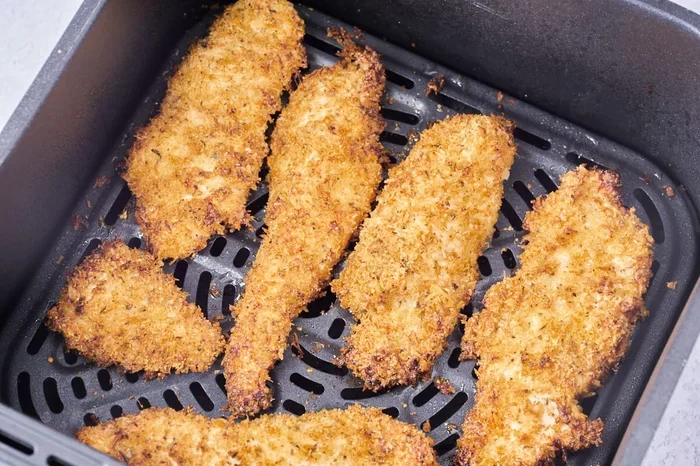
Texture is where the air fryer really pulls ahead. The rapid air circulation creates a crispy, golden crust that is hard to achieve in a regular oven. Air fried chicken wings come out with a shatteringly crisp skin that tastes just like deep-fried wings.
In a regular oven, the same wings may brown nicely but lack that ultra-crispy exterior. The skin tends to be softer and less defined. This is not necessarily bad, but it is a noticeable difference for anyone who loves crunch.
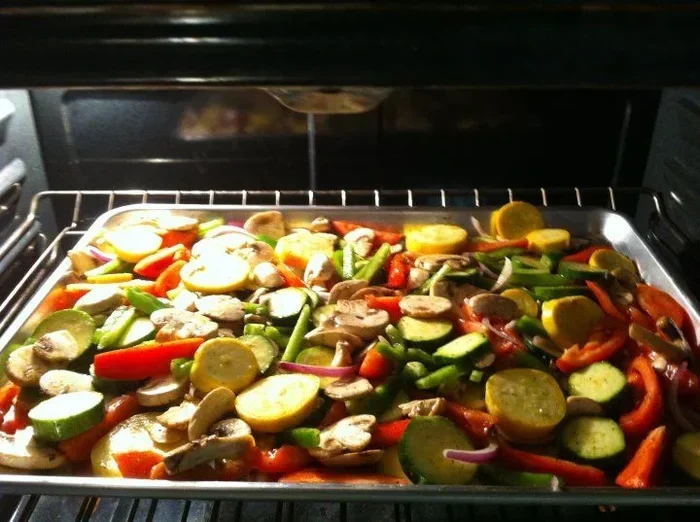
For roasted vegetables, the difference is less dramatic. Both methods can produce beautifully caramelized carrots, broccoli, and Brussels sprouts. However, air fryers tend to create slightly crispier edges on potatoes and root vegetables.
Flavor Differences
When it comes to pure flavor, the gap is smaller. Both appliances use dry heat, which means the natural taste of your ingredients really shines through. Seasonings, marinades, and spices work equally well in both methods.
That said, the Maillard reaction happens faster in an air fryer because of the intense heat. This can make food taste slightly more caramelized and savory. Some people describe air fried food as having a “restaurant-quality” taste that is hard to achieve at home.
In an oven, flavors develop more slowly and evenly. This works beautifully for dishes that benefit from long cooking times. A slow-roasted Omaha steak burger develops deep, rich flavors that only time and steady heat can create. The oven gives you more control over the cooking process, which matters for complex recipes.
Moisture Retention
Moisture retention is another factor that affects taste. Air fryers circulate hot air so aggressively that they can sometimes dry out lean proteins. This is why it is important to marinate chicken or fish before air frying. A light coating of oil also helps retain moisture.
Regular ovens, especially when covered with foil or using a Dutch oven, trap moisture better. This makes them ideal for cooking tougher cuts of meat that need gentle, slow heat. The result is often juicier and more tender.
Which Foods Taste Better in an Air Fryer?
Not all foods benefit equally from air frying. Some dishes really shine in an air fryer, while others are better left to the oven. Here is a breakdown of where each appliance excels.
Best Foods for Air Frying
- French Fries: Air fried fries come out crispy on the outside and fluffy inside with minimal oil.
- Chicken Wings: The skin gets perfectly crispy without the mess and grease of deep frying.
- Roasted Vegetables: Small pieces of vegetables get beautifully caramelized edges quickly.
- Reheated Leftovers: Pizza, fries, and fried foods taste refreshed and crispy again in an air fryer.
- Fish Fillets: Thin fish cooks quickly and develops a light, crispy coating.
- Frozen Foods: Frozen snacks, nuggets, and ready meals crisp up beautifully without extra oil.
Best Foods for Oven Cooking
- Whole Roast Chicken: The large size needs the space and even heat of an oven.
- Casseroles and Gratins: These dishes need to cook slowly and evenly through the entire pan.
- Bread and Pastries: Dough needs consistent, gentle heat to rise and bake properly.
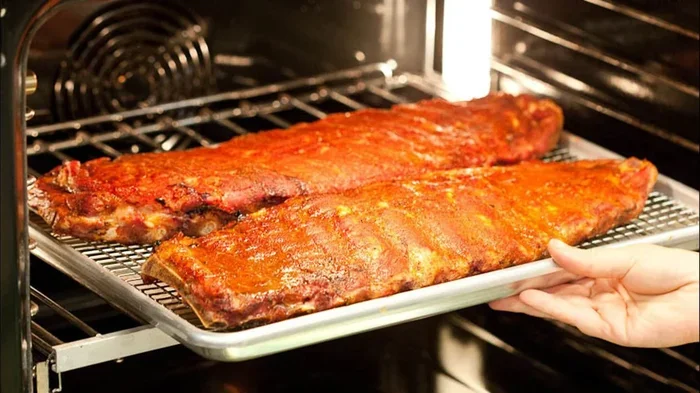
- Large Cuts of Meat: Brisket, prime rib, and pork shoulder benefit from the oven’s capacity and slow cooking.
- Multiple Dishes at Once: The oven lets you cook a main and sides simultaneously.
- Baked Goods: Cakes, cookies, and muffins need the even, enclosed heat of an oven.
Health and Cooking Differences
Beyond taste, there are important health and practical differences between these two appliances. Understanding these can help you make better choices for your kitchen and your family.
Oil Usage and Health Impact
One of the biggest advantages of air frying is reduced oil usage. An air fryer typically uses just one to two tablespoons of oil for a serving that would normally require a full cup of oil for deep frying. This can significantly reduce the fat and calorie content of your favorite foods.
Regular ovens do not require added oil for most cooking methods. Roasting vegetables, for example, only needs a light toss with oil. But baking and roasting do not create the same crispy texture that air frying does without that small amount of fat.
If you are focused on eating healthier without giving up crunch, an air fryer is a clear winner. You get the taste and texture of fried food with a fraction of the calories.
Cooking Time Comparison
Time is another important factor. Air fryers preheat in about 2 to 3 minutes. They cook food 20% to 30% faster than a regular oven on average. This speed makes them incredibly convenient for weeknight dinners and quick snacks.
Regular ovens take longer to preheat, usually 10 to 15 minutes. Cooking times are also longer because the heat is more spread out. For a busy weeknight, the air fryer can save you significant time in both preheating and cooking.
Ease of Cleaning
Cleaning is often overlooked, but it matters. Air fryers have removable baskets and trays that go straight into the sink or dishwasher. A quick wash after each use keeps them in great shape.
A full-size oven requires more effort to clean. Grease and food splatters can build up on the walls and racks. If you want to keep your oven spotless, you might want to learn How To Clean Hamilton Beach Toaster Oven for quick and easy maintenance tips that also apply to standard ovens.
Common Mistakes That Affect Taste
Even the best appliance can produce disappointing results if you make common mistakes. Here are some errors that can affect how your food tastes in both air fryers and ovens.
Overcrowding the Air Fryer Basket
One of the biggest mistakes people make is packing too much food into the air fryer basket. When food overlaps or stacks, the hot air cannot circulate properly. This leads to uneven cooking and soggy spots instead of crispy perfection.
Always leave space between pieces of food. Cook in batches if necessary. The extra few minutes of waiting will be worth the perfectly crispy result.
Skipping the Preheat
Many people skip preheating their air fryer. This is a mistake. Just like a regular oven, an air fryer works best when it is already hot when the food goes in. Preheating for 2 to 3 minutes ensures immediate, even cooking.
Using Too Much or Too Little Oil
Air frying does not mean zero oil. A light spray or brush of oil helps food brown and crisp. Too little oil, and your food will come out dry and pale. Too much oil, and you lose the health benefits of air frying.
For oven cooking, the same principle applies. A light coating of oil on vegetables helps them caramelize and develop flavor. Without it, they may come out dry and bland.
Not Seasoning Properly
Both appliances respond well to bold seasoning. Because air fryers cook faster, the flavors have less time to penetrate deeply. Season generously before cooking. For oven dishes, you have more time for flavors to develop, so a lighter touch can still deliver big taste.
Expert Tips for Better Results in Both Appliances
Whether you use an air fryer or an oven, a few pro tips can elevate your cooking every time.
- Pat food dry before cooking: Moisture is the enemy of crispiness. Always dry proteins and vegetables thoroughly with paper towels before seasoning.
- Shake or flip halfway through: For even browning in an air fryer, give the basket a shake or flip the food at the halfway point.
- Use a light breading: A thin layer of breadcrumbs or panko creates extra crunch in both appliances.
- Preheat both appliances: Whether it is an air fryer or oven, starting hot gives you better results every time.
- Rest meat after cooking: Letting meat rest for a few minutes allows juices to redistribute for a more flavorful bite.
- Experiment with temperatures: Every air fryer and oven is slightly different. Adjust temperatures by 5 to 10 degrees to find what works best for your specific model.
Which Appliance Should You Choose?
So, does an air fryer taste better than a regular oven? The honest answer is that it depends on what you are cooking and what you value most. If crispy texture and quick cooking are your priorities, an air fryer is hard to beat. If you love roasting large meals, baking, and slow-cooking, a regular oven remains essential.
Many home cooks find that having both gives them the best of both worlds. You can use the air fryer for weeknight snacks and quick sides. Then turn to the oven for weekend roasts and baked goods. Together, they cover nearly every cooking need.
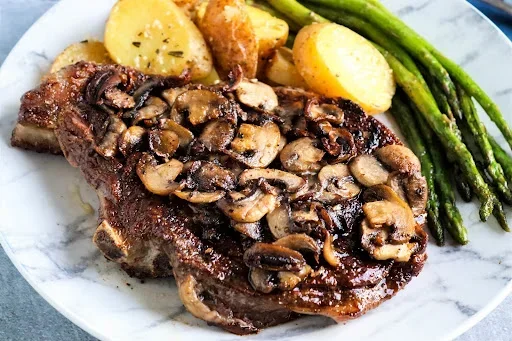
If you are short on counter space or on a budget, a single appliance can still serve you well. Think about what you cook most often and choose accordingly. A how to cook Omaha steak filet mignon in oven will give you restaurant-quality results for special occasions, while an air fryer handles everyday meals with ease.
Remember, taste is personal. What matters most is the food on your plate and the joy of cooking it. Both appliances bring something special to the kitchen. The best choice is the one that fits your lifestyle and makes you excited to cook.
Final Thoughts
The debate between air fryer and oven taste is not about picking a winner. It is about understanding what each appliance does best. Air fryers deliver unbeatable crispiness and speed for smaller portions. Regular ovens provide versatility, capacity, and depth of flavor for larger meals.
Both appliances use dry heat to create delicious food. Both can produce restaurant-quality results at home. The key is learning how to use each one to its full potential. With the tips and insights from this guide, you are now equipped to make the most of whatever cooking method you choose.
So go ahead and experiment. Try the same recipe in both appliances and taste the difference yourself. You might be surprised by what you discover. Happy cooking!
Frequently Asked Questions
Does food actually taste different in an air fryer versus an oven?
The taste difference is subtle but the texture difference is significant. Air fryers create crispier exteriors because of rapid hot air circulation. Ovens produce more even, gentle cooking that works better for slow-roasted dishes and baked goods.
Can I use parchment paper in an air fryer like I do in a toaster oven?
Yes, parchment paper is generally safe in air fryers, but you should check your specific model’s guidelines. Just like you need to know Is Parchment Paper Toaster Oven Safe, air fryers also have limits on parchment use. Always keep it away from the heating element and never cover the basket holes.
Is air fried food healthier than oven-baked food?
Air fried food typically uses less oil than deep frying, which reduces calories and fat. However, oven-baked food also requires little to no oil. Both methods are healthy cooking options. The biggest health benefit of air frying comes from replacing deep frying with a oil-free method.
What is the biggest taste advantage of using an air fryer?
The biggest advantage is the crispy texture. Air fryers create a satisfying crunch on the outside of food while keeping the inside moist. This contrast mimics deep-fried food without the excess oil, making your favorite snacks and meals taste indulgent but lighter.
Can an air fryer replace my regular oven completely?
For most everyday cooking tasks, an air fryer can handle what a regular oven does. However, if you frequently cook large roasts, bake bread, or prepare casseroles, a full-size oven is still valuable. The best setup for many kitchens is having both appliances available.
How does cooking time differ between air fryers and ovens?
Air fryers cook food about 20 to 30 percent faster than regular ovens. They also preheat much quicker, usually in just 2 to 3 minutes. This speed makes air fryers ideal for quick weeknight meals and snacks when you do not want to wait for a full oven to heat up.
=== CONCLUSION ===
The question of whether an air fryer tastes better than a regular oven does not have a single answer. Both appliances deliver delicious, satisfying food in their own way. Air fryers win on crispiness and speed, while ovens excel at versatility and capacity.
Does an air fryer taste better than a regular oven? For crispy, quick-cooked dishes, absolutely. For slow-roasted meats and baked goods, the oven still holds strong. The best approach is to use both appliances as complementary tools in your kitchen.
Now that you understand the strengths of each method, you can cook with confidence. Choose the right appliance for every dish and enjoy the best results every time you step up to the stove.