How Long To Bake Ribeye Steak In Oven For Juicy Perfection
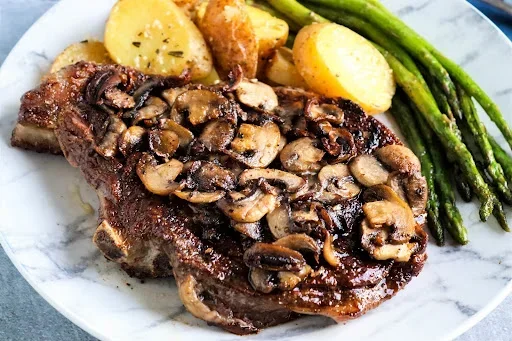
Learning how long to bake ribeye steak in oven is the key to a juicy, tender steak at home. The right oven temperature, cooking time, and resting period make all the difference between a dry steak and a mouthwatering masterpiece. This guide covers every step from seasoning to slicing so you can bake ribeye in oven like a pro.
There is something deeply satisfying about pulling a perfectly baked ribeye steak out of the oven. The outside is golden brown and slightly crispy. The inside is juicy, tender, and cooked exactly how you like it. Once you master how long to bake ribeye steak in oven, you will never go back to ordering takeout again.
Baking ribeye in oven is one of the easiest and most reliable ways to cook a great steak at home. You do not need a fancy grill or years of experience. With the right temperature, timing, and a few simple tips, you can serve a restaurant-quality meal on a Tuesday night. This guide walks you through everything you need to know.
Whether you are cooking a thin sirloin-style ribeye or a thick bone-in cut, the principles stay the same. We will cover oven temperatures, cook times, seasoning ideas, and the common mistakes that trip people up. By the end, you will feel confident enough to bake the perfect ribeye steak every single time.
Key Takeaways
- Perfect Temperature: Bake ribeye steak in oven at 400°F for the best balance of crust and juiciness.
- Timing Matters: Thickness determines cook time, typically 10-20 minutes depending on how thick your steak is.
- Use a Meat Thermometer: Target internal temperatures of 130°F for medium-rare and 140°F for medium for the juiciest result.
- Rest Your Steak: Always let your oven-baked ribeye rest for 5-10 minutes before cutting to lock in juices.
- Reverse Sear Method: Baking low and slow then searing at the end gives the most even doneness.
- Season Simply: Salt, pepper, garlic, and olive oil are all you need for a great ribeye steak recipe.
- Avoid Common Errors: Skipping the sear, cutting too early, and using the wrong temperature ruin a good steak.
📑 Table of Contents
- Why Oven-Baked Ribeye Steak Is Worth Trying
- How Long To Bake Ribeye Steak In Oven: The Complete Guide
- Step-by-Step Instructions For Oven-Baked Ribeye
- Internal Temperature Guide For Juicy Ribeye
- Common Mistakes To Avoid When Baking Ribeye
- Pro Tips For Perfect Oven-Baked Ribeye Every Time
- How Long To Bake Ribeye Steak In Oven: Final Thoughts
Why Oven-Baked Ribeye Steak Is Worth Trying
Grilling gets all the attention, but oven-baked ribeye has some serious advantages. It is more forgiving, easier to control, and works great even when the weather is bad. Here is why baking your next ribeye steak in the oven is a smart move.
Consistent Heat Means Even Cooking
Ovens provide steady, surrounding heat. Unlike a grill where hot spots can burn one side of your steak, an oven surrounds the meat with consistent warmth. This makes it much easier to achieve even doneness from edge to edge. Your oven-baked steak cooks more predictably than almost any other method.
You Have More Control Over Doneness
When you bake ribeye in oven, you can monitor the internal temperature closely. You adjust the heat or pull the steak out at the exact right moment. This level of control is harder to achieve on an open flame. For anyone who wants their steak cooked to a precise level of doneness, the oven method is a game-changer.
It Works for Any Thickness
Whether your ribeye steak is thin or thick, the oven handles it well. Thin cuts bake quickly at high heat. Thick cuts benefit from a slower approach. We will break down the exact times and temperatures for every thickness below. This flexibility makes oven-baking one of the best ribeye steak methods for home cooks.
How Long To Bake Ribeye Steak In Oven: The Complete Guide
The most common question home cooks ask is: how long to bake ribeye steak in oven? The answer depends on a few key factors. The thickness of your steak, the oven temperature, and your target level of doneness all play a role. Let us break this down clearly so you can plan your cook with confidence.
Best Oven Temperature For Ribeye Steak
The ideal oven temperature for baking ribeye steak is 400°F (200°C). This temperature strikes the perfect balance. It is hot enough to develop a beautiful brown crust on the outside. It is also moderate enough to cook the inside evenly without drying it out. Some recipes call for 350°F for a slower, more gentle bake. Others go up to 450°F for a quicker cook. But 400°F is the sweet spot for most ribeye steaks.
If you prefer the reverse sear method, start at a lower temperature of 275°F. This slowly brings the steak up to temperature throughout. Then you finish with a hot sear in a skillet. This approach works wonders for thick cuts and gives you the most even result. It is one of the best oven-baked steak techniques for serious steak lovers.
Ribeye Steak Cooking Time By Thickness
Here is a practical breakdown of ribeye steak cooking time based on thickness. These times assume you start with a steak at room temperature and bake it at 400°F.
- Thin cuts (under 1 inch): 8 to 12 minutes total, flipping once halfway through.
- Medium cuts (1 to 1.5 inches): 12 to 18 minutes total, depending on your desired doneness.
- Thick cuts (1.5 to 2 inches): 18 to 25 minutes total. Consider using the reverse sear method for the best results.
- Extra thick cuts (over 2 inches): 25 to 35 minutes using the reverse sear at 275°F, then finish with a hard sear.
These numbers are estimates. Every oven runs slightly differently. Your ribeye steak internal temperature is the real guide. Always use a meat thermometer to check doneness rather than relying on the clock alone.
Step-by-Step Instructions For Oven-Baked Ribeye
Now that you know the time and temperature, let us walk through the full process. Following these steps will give you a juicy, flavorful ribeye steak every time. This is the best ribeye steak recipe for beginners and experienced cooks alike.
Seasoning Your Ribeye Steak
Start by taking your ribeye out of the refrigerator about 30 to 45 minutes before cooking. Letting it come to room temperature helps it cook more evenly. A cold steak going into a hot oven can lead to uneven results.
Keep your seasoning simple for the best flavor. Here is what works great:
- Coat both sides with a thin layer of olive oil.
- Generously sprinkle kosher salt on all surfaces.
- Add freshly cracked black pepper.
- Optional: add minced garlic, smoked paprika, or a touch of onion powder.
Salt your steak at least 40 minutes before baking if you can. This gives the salt time to penetrate the meat and draw out moisture. The surface then dries out again, which leads to a better crust. This is one of the most underrated ribeye steak tips out there.
Searing Before Baking
Searing is not strictly required, but it adds a lot of flavor and texture. Preheat a cast-iron skillet over high heat with a little oil. Sear each side of the ribeye for about 60 to 90 seconds until a deep brown crust forms. Then transfer the steak directly onto a baking sheet or oven-safe dish.
The sear does not cook the inside of the steak. It only adds color and a rich, caramelized flavor. Think of it as the finishing touch that elevates your oven-baked ribeye from good to outstanding. This technique is a staple of the reverse sear method.
Internal Temperature Guide For Juicy Ribeye
Knowing your target internal temperature is the single most important factor in baking ribeye steak in oven perfectly. The temperature tells you exactly how done your steak is, far more accurately than any timer or visual cue.
Here is a quick reference for ribeye steak doneness temperatures measured at the thickest part of the steak:
- Rare: 120°F to 125°F. The center will be bright red and very soft.
- Medium-Rare: 130°F to 135°F. This is the most popular doneness level for ribeye. The center is warm and red with a juicy texture.
- Medium: 140°F to 145°F. The center is pink and slightly firmer. Still very juicy.
- Medium-Well: 150°F to 155°F. Very little pink remains. The steak starts to lose some juiciness.
- Well-Done: 160°F and above. The steak is cooked through with no pink. This is not recommended for ribeye as it can become quite dry.
Remember that the temperature will rise 5 to 10 degrees after you pull the steak out of the oven. This is called carryover cooking. So if you want a perfect medium-rare, pull the steak at 125°F to 130°F and let it rest.
Why Carryover Cooking Matters
Carryover cooking is a concept many beginners overlook. The residual heat inside the steak continues to cook the meat even after you remove it from the oven. This is why experienced cooks pull their ribeye steak out early. If you wait until the thermometer hits your target temperature inside the oven, your steak will be overdone by the time you finish resting it.
This is especially important for thicker cuts. A 2-inch ribeye will see a more significant temperature rise than a thin cut. Always account for carryover when planning your bake time and pull temperature.
Common Mistakes To Avoid When Baking Ribeye
Even with the best recipe, small mistakes can ruin your ribeye steak. Learning what not to do is just as important as knowing the right steps. Here are the most common errors people make when baking ribeye in oven.
Skipping the Rest Period
One of the biggest mistakes is cutting into your steak the moment it comes out of the oven. When you slice too early, all those beautiful juices run out onto the cutting board instead of staying in the meat. Always let your oven-baked ribeye rest for at least 5 to 10 minutes. Tent it loosely with aluminum foil to keep it warm while it rests. This simple step makes a huge difference in juiciness.
Using a Cold Steak Straight From the Fridge
Putting a cold ribeye steak into a hot oven creates uneven cooking. The outside overcooks while the inside stays cold. Always let your steak temper at room temperature for 30 to 45 minutes before baking. This small step leads to a much more uniform and enjoyable result.
Not Using a Meat Thermometer
Guessing doneness by time alone is unreliable. Every oven is different. Every steak is different in thickness and starting temperature. A simple instant-read meat thermometer removes all the guesswork. It is the single best tool for anyone learning how long to bake ribeye steak in oven. You can find a good one for under twenty dollars, and it will transform your cooking.
Over-Salting or Using the Wrong Salt
Table salt is denser than kosher salt, so it can make your steak taste overly salty if you use the same amount. Stick with kosher salt for seasoning ribeye steak. And be careful not to go overboard. A light, even coating on both sides is plenty. You can always add more, but you cannot take it away.
Opening the Oven Door Too Often
Every time you open the oven door, the temperature drops significantly. This disrupts the cooking process and adds unpredictable time to your bake. Resist the urge to peek. Use the oven light to check on your steak instead. Trust the process and let the oven do its work.
Pro Tips For Perfect Oven-Baked Ribeye Every Time
Once you have the basics down, these pro tips will take your oven-baked ribeye to the next level. These are the details that separate a good steak from a truly memorable one.
Choose the Right Cut
Not all ribeye steaks are created equal. Look for steaks with good marbling, which are the thin white lines of fat running through the meat. Marbling melts during cooking and adds incredible flavor and juiciness. A bone-in ribeye also adds extra flavor to the meat during baking. When shopping, ask your butcher for a well-marbled cut that is at least 1 inch thick for best results.
Let the Oven Fully Preheat
It is tempting to rush this step, but preheating matters. Wait until the oven reaches the target temperature before putting your steak in. An oven thermometer can help you verify the actual temperature inside, since many ovens run a bit hot or cold. Placing your ribeye steak in a cold or half-heated oven throws off your timing and results.
Use a Wire Rack for Even Airflow
Place your steak on a wire rack set inside a baking sheet. The rack allows hot air to circulate around the bottom of the steak. Without a rack, the bottom side sits in a puddle of its own juices and does not get the same crispy texture as the top. This small upgrade makes a noticeable difference in the final crust.
Add Butter Baste at the End
After your ribeye comes out of the oven, melt a tablespoon of butter in the same cast-iron skillet you used for searing. Add a crushed garlic clove and a sprig of fresh thyme. Tilt the pan and spoon the melted garlic butter over your steak. This adds a rich, aromatic finish that takes your oven-baked steak to restaurant quality. It takes just 30 seconds and the flavor boost is incredible.
Slice Against the Grain
When it is time to cut, always slice against the grain. This means cutting perpendicular to the muscle fibers. Slicing against the grain shortens those fibers and makes each bite more tender. If you slice with the grain, even a perfectly cooked ribeye steak can taste tough and chewy. Take a moment to identify the direction of the fibers before you start cutting.
How Long To Bake Ribeye Steak In Oven: Final Thoughts
Baking ribeye steak in oven is one of the simplest and most rewarding ways to cook a great steak at home. The key is understanding your time, temperature, and internal doneness targets. With the right approach, you can serve up a juicy, tender ribeye that rivals any steakhouse in town.
Remember the fundamentals. Preheat your oven to 400°F. Let your steak come to room temperature. Season simply and generously. Sear for extra flavor if you like. Bake for the right amount of time based on thickness. Use a meat thermometer to hit your target internal temperature. And always let your steak rest before slicing.
Once you get comfortable with these steps, you will find your own rhythm. You will adjust times based on your specific oven. You will develop preferences for your ideal level of doneness. The beauty of oven-baking is that it is forgiving and flexible. There is a lot of room to make the method your own.
So the next time you are craving a perfect ribeye steak, skip the grill and let your oven do the work. With this guide on how long to bake ribeye steak in oven, you have everything you need to succeed. Your kitchen will smell incredible, and your dinner guests will be thoroughly impressed.
Start with a quality cut, follow the steps, and enjoy the process. A great oven-baked ribeye is not just a meal. It is a rewarding experience that anyone can master with a little practice and the right knowledge.
Frequently Asked Questions
Can I bake a frozen ribeye steak in the oven?
You can, but it is not recommended for the best results. A frozen steak will cook unevenly, with the outside overcooking before the inside thaws. For juicy, evenly cooked ribeye, always thaw your steak in the refrigerator overnight before baking. This ensures consistent cooking throughout the meat.
What is the best ribeye steak thickness for oven baking?
Steaks that are 1 to 1.5 inches thick work best for oven baking. They cook evenly and give you good control over doneness. Thinner steaks can dry out quickly, while very thick steaks benefit from the reverse sear method. A well-marbled 1.5-inch ribeye is the ideal choice for most home ovens.
Do I need to sear my ribeye before putting it in the oven?
Searing is optional but highly recommended. It adds a deep, caramelized crust and rich flavor that plain oven baking cannot achieve. If you do sear, spend about 60 to 90 seconds per side in a hot cast-iron skillet before transferring the steak to the oven. This small extra step makes a big difference in the final result.
How do I know when my ribeye steak is done without cutting into it?
The most reliable way is to use an instant-read meat thermometer. Insert it into the thickest part of the steak. For medium-rare, aim for 130°F to 135°F. For medium, target 140°F to 145°F. Remember that the temperature will rise a few degrees after pulling the steak out due to carryover cooking.
Can I reuse the pan drippings for a sauce?
Absolutely. The drippings left in the baking sheet or skillet are full of rich steak flavor. Simply pour off excess fat and add a splash of beef broth or red wine to the pan. Heat it on the stovetop and scrape up any browned bits. A quick pan sauce adds a restaurant-quality finish to your oven-baked ribeye.
How long should I let my ribeye steak rest after baking?
Let your oven-baked ribeye rest for 5 to 10 minutes before cutting. Tent it loosely with aluminum foil to keep it warm. Resting allows the juices to redistribute throughout the meat. If you cut too early, those juices will escape, leaving your steak drier than it should be. This simple patience pays off in every bite.