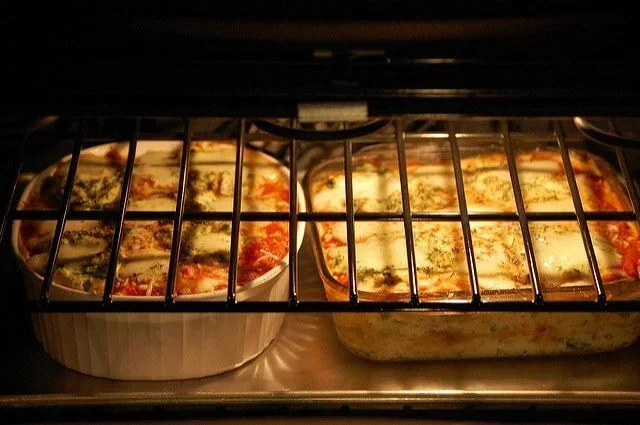
How Long To Cook 2 Lasagnas In A Conventional Oven
How long to cook 2 lasagnas in oven depends on oven size, dish type, and recipe. Generally, expect 45 to 60 minutes at 375°F for two standard lasagnas. This guide covers everything from prep to plating so you can serve flawless homemade lasagna with confidence.
Cooking two lasagnas at the same time can feel like a big challenge. You might wonder whether your conventional oven can handle the load. Will they cook evenly? Should you adjust the lasagna baking time? These are all fair questions, and this guide answers every single one of them.
Whether you are feeding a large family, hosting a dinner party, or meal prepping for the week, knowing the right oven temperature for lasagna and timing makes all the difference. This article walks you through the full process step by step. You will learn exactly how long to cook 2 lasagnas in oven, what dishes to use, and how to get that perfect golden crust on both.
The good news is that cooking two lasagnas at once is totally doable. You just need a little planning and the right technique. By the end of this guide, you will feel confident enough to tackle two homemade lasagna dishes in a single baking session without any stress.
Key Takeaways
- Standard Bake Time: Two lasagnas typically need 45 to 60 minutes at 375°F in a conventional oven.
- Oven Size Matters: A cramped oven slows heat circulation, so plan for extra time if needed.
- Cover and Uncover Method: Always bake covered for the first 30 minutes, then uncover to brown the top.
- Internal Temperature Is Key: Your lasagna is done when it reaches 165°F in the center.
- Resting Time Counts: Let both lasagnas rest for 15 minutes before cutting for cleaner slices.
- Staggered Placement Works: Rotating dishes halfway through ensures even cooking for both lasagnas.
- Prep Time Adds Up: Budget at least 30 to 45 minutes for assembly before the oven even heats up.
📑 Table of Contents
- Understanding Your Conventional Oven for Lasagna
- How Long To Cook 2 Lasagnas In Oven: Time and Temperature Guide
- Step-by-Step Instructions for Baking Two Lasagnas
- Tips for Even Cooking When Baking Two Lasagnas
- Common Mistakes to Avoid When Cooking Two Lasagnas
- How to Tell When Both Lasagnas Are Done
- Expert Insights on Baking Multiple Lasagnas
- Conclusion
Understanding Your Conventional Oven for Lasagna
A conventional oven works differently from a convection oven. It uses static heat that rises from the bottom element. This means the top of your oven runs hotter than the bottom. When you are baking two lasagnas at once, this heat pattern matters a lot.
How Heat Distributes in a Standard Oven
Most conventional ovens have hot spots. The area near the back wall tends to be the hottest. The front and center areas stay slightly cooler. This uneven heat can affect how your deep dish lasagna cooks. Knowing this helps you place your dishes in the best spots inside the oven.
When you put two oven-safe dishes on different racks, the top lasagna gets more direct heat from above. The bottom lasagna benefits from the rising hot air. This setup can actually work in your favor if you rotate the dishes halfway through.
Preheat Temperature for Lasagna
Always preheat your oven to 375°F before placing any lasagna inside. This is the sweet spot for most lasagna recipes. It cooks the noodles evenly and melts the cheese without burning the sauce. Some recipes call for 350°F or 400°F, but 375°F gives the most consistent results for two lasagnas at once.
Give your oven at least 15 to 20 minutes to reach the target temperature. Rushing this step leads to uneven lasagna cooking and a longer overall bake time. Patience here pays off big time.
How Long To Cook 2 Lasagnas In Oven: Time and Temperature Guide
The short answer is 45 to 60 minutes at 375°F. But the full answer depends on several factors. Let us break them down so you can plan your cooking session with confidence.
Standard Bake Time for Two Lasagnas
For two standard 9×13-inch lasagna dishes, here is what to expect:
- First 30 minutes: Bake both lasagnas covered with foil. This traps steam and cooks the noodles through.
- Next 15 to 25 minutes: Remove the foil to let the top layer brown and bubble.
- Total time: Around 45 to 60 minutes depending on your oven and dish size.
If your lasagnas are in smaller pans, they may finish faster, closer to the 40-minute mark. Larger or deeper pans might need the full 60 minutes or even a few extra minutes.
Factors That Affect Cooking Time
Several things change how long your lasagna bake time will be. Keep these in mind before you start:
- Oven size: A full-size oven handles two lasagnas better than a compact one.
- Dish material: Glass and ceramic take longer to heat up than metal pans.
- Lasagna thickness: Thicker lasagnas with more layers need more time.
- Refrigerated vs. room temperature: A cold lasagna straight from the fridge needs extra bake time.
- Filling density: Hearty meat sauce lasagna takes longer than a lighter vegetable version.
All of these factors stack up. If your oven runs cold, add 5 to 10 minutes. If your dishes are glass, add a few extra minutes too. Always use a meat thermometer to check the internal temperature.
Step-by-Step Instructions for Baking Two Lasagnas
Now that you know the basics, let us walk through the actual process. Following these steps ensures both lasagnas come out perfect every time.
Step 1: Prepare Your Lasagna Assemblies
Before you even think about the oven, assemble both homemade lasagnas completely. Layer your noodles, meat sauce, béchamel, and cheese in the correct order. Make sure each layer is spread evenly. Uneven layers create uneven lasagna cooking and hot or cold spots.
Use oven-safe dishes that are the same size if possible. Matching dishes make it easier to rotate them for even heat exposure. If you only have one large dish, you can bake them one at a time, but that doubles your total kitchen time.
Step 2: Position the Dishes in the Oven
Place one lasagna on the upper-middle rack and the other on the lower-middle rack. This arrangement lets hot air circulate around both dishes. It also prevents one lasagna from blocking heat to the other.
Leave at least one inch of space between the dishes and the oven walls. Crowding the oven blocks airflow and creates uneven heat distribution. If your oven is small, consider baking them one at a time to avoid this problem.
Step 3: Cover with Foil and Bake
Tent a piece of foil over each lasagna. Do not let the foil touch the cheese. The foil creates a steamy environment that cooks the noodles and melts the cheese inside without browning the top too early.
Set your timer for 30 minutes. After this point, the lasagnas should be hot all the way through. The internal temperature should be around 140°F to 150°F at this stage.
Step 4: Uncover and Brown the Top
Remove the foil from both dishes carefully. Return them to the oven and continue baking for another 15 to 25 minutes. This uncovered phase allows the top layer of cheese to turn golden brown and develop that irresistible crispy texture.
Watch the lasagnas closely during this phase. Ovens vary, and some tops can burn quickly. If one lasagna is browning faster than the other, tent it loosely with a new piece of foil.
Step 5: Check for Doneness
Insert a meat thermometer into the center of each lasagna. The target internal temperature is 165°F. If it is below that, keep baking for 5-minute intervals until you hit the mark.
You can also check by inserting a knife into the center. It should slide through easily with no resistance from uncooked noodles. The sauce should be bubbling around the edges too, which signals that the lasagna is fully cooked through.
Tips for Even Cooking When Baking Two Lasagnas
Getting two lasagnas to cook evenly at the same time takes a little technique. These cooking tips make a huge difference in the final result.
Rotate the Dishes Halfway Through
After the first 25 to 30 minutes, pull both dishes out and swap their positions. Move the top one to the lower rack and the bottom one to the upper rack. This simple trick balances out any hot spots in your conventional oven.
Rotate them 180 degrees as well, so the front of each dish now faces the back. This double rotation method is a favorite among experienced home cooks who regularly bake multiple dishes at once.
Use the Same Pan Size and Material
Mixing pan sizes or materials leads to uneven results. A glass pan and a metal pan will cook at different rates. If both dishes are identical, they will finish at roughly the same time.
If you must use different pans, check the smaller or thinner dish first. It will likely be done sooner. You can always keep the other one going for a few extra minutes.
Let the Lasagnas Rest Before Serving
This is one of the most overlooked lasagna cooking tips. After removing both dishes from the oven, let them rest for 15 to 20 minutes before cutting. Resting allows the layers to set and the sauce to thicken slightly.
Cutting too early causes the lasagna to fall apart. The cheese slides off, the noodles stick together messily, and the sauce pools at the bottom. A little patience here gives you clean, beautiful slices every time.
Quick Tips for Perfect Lasagna Every Time
- Room temperature lasagna cooks more evenly than cold lasagna straight from the fridge.
- Thaw frozen lasagnas completely before baking to avoid undercooked centers.
- Use a light-colored pan if possible. Dark pans absorb more heat and can burn the bottom.
- Do not overfill the dishes. Leave about half an inch of space at the top for bubbling.
- Add a splash of water around the dishes if your oven tends to run dry.
Common Mistakes to Avoid When Cooking Two Lasagnas
Even experienced cooks make mistakes when baking two lasagnas together. Knowing what to avoid saves you time, ingredients, and frustration.
Skipping the Preheat
Never put lasagna into a cold oven. Starting at a low temperature cooks the noodles too slowly and creates a gummy texture. Always preheat oven for lasagna and wait until it reaches the full target temperature before loading the dishes.
Overcrowding the Oven
Tossing two large lasagna dishes into a small oven blocks airflow. The result is uneven heat distribution and longer cook times. If your oven cannot fit both dishes comfortably, bake them one at a time instead.
Opening the Oven Door Too Often
Every time you open the oven door, you lose significant heat. The temperature can drop by 25°F or more. This extends the lasagna bake time and affects the final texture. Check on the lasagnas through the oven window instead of opening the door repeatedly.
Ignoring the Resting Period
Cutting into a lasagna the moment it comes out of the oven is a recipe for disaster. The layers need time to set. Skipping the resting time for lasagna means messy slices and a less satisfying eating experience.
How to Tell When Both Lasagnas Are Done
Knowing the signs of a perfectly baked homemade lasagna takes the guesswork out of the process. Here is what to look for in both dishes.
- Bubbling edges: The sauce should be actively bubbling around the sides of the dish.
- Golden top: The cheese layer should be a deep golden brown, not pale yellow.
- Firm center: When you gently shake the dish, the center should wobble slightly but not be liquid.
- Internal temperature: A meat thermometer reading of 165°F in the center confirms doneness.
- Clean knife test: A knife inserted in the center should come out clean with no raw noodle bits.
If one lasagna is done before the other, cover the finished one with foil to keep it warm. This prevents the top from drying out while the second lasagna finishes baking.
Expert Insights on Baking Multiple Lasagnas
Professional chefs and experienced home cooks share a few insights that can elevate your lasagna baking game significantly.
The Importance of Sauce Consistency
A thick, well-reduced sauce holds the lasagna together better during baking. Runny sauce creates a soupy lasagna that falls apart when you cut it. Simmer your meat sauce on the stove until it coats the back of a spoon before assembling the lasagna.
Room Temperature Ingredients Work Best
Let your eggs, ricotta, and sauce sit at room temperature for about 20 minutes before assembling. Cold ingredients create uneven pockets inside the lasagna that do not cook consistently. This small step makes a noticeable difference in the final lasagna texture.
Invest in Quality Oven-Safe Dishes
Good-quality ceramic or glass oven-safe dishes distribute heat more evenly than cheap alternatives. They also look beautiful for serving straight at the table. When you are making two lasagnas, matching dishes create a polished presentation and consistent results.
The lasagna resting time is just as important as the baking time. Professional kitchens always let lasagna rest after it comes out of the oven. This allows the layers to firm up and the flavors to meld together beautifully. Trust the process and resist the urge to cut in too early.
Conclusion
So, how long to cook 2 lasagnas in oven at 375°F in a conventional oven? The answer is 45 to 60 minutes total, with the first 30 minutes covered and the last 15 to 25 minutes uncovered. This timeline works for standard 9×13-inch dishes with typical lasagna recipes.
Remember that oven size, dish material, and lasagna thickness all influence the final bake time. Use a meat thermometer to confirm doneness at 165°F. Let both lasagnas rest for 15 to 20 minutes before serving for the cleanest slices.
Baking two lasagnas at once saves significant time and effort. With the right oven temperature for lasagna, proper placement, and a little patience, you can serve two beautiful, bubbling homemade lasagnas that will impress everyone at the table. Now go ahead and put these tips into action. Your next lasagna dinner is going to be a hit.
Frequently Asked Questions
Can I cook two lasagnas in a small conventional oven?
Yes, but you may need to bake them one at a time if the oven is too cramped. A crowded oven blocks airflow and leads to uneven lasagna cooking. If you must bake both at once, rotate the dishes halfway through for more even results.
What temperature is best for cooking two lasagnas?
375°F is the ideal oven temperature for lasagna when baking two dishes at once. This temperature cooks the noodles evenly and melts the cheese without burning the sauce. Some recipes use 350°F or 400°F, but 375°F gives the most reliable outcomes.
Do I need to adjust the time when baking two lasagnas instead of one?
Generally, you do not need to adjust the time significantly. Two standard lasagnas in a full-size oven still take about 45 to 60 minutes. However, if your oven is small or the dishes are thick, add a few extra minutes and always check the internal temperature.
Should I cover both lasagnas with foil during baking?
Yes, cover both lasagnas with foil for the first 30 minutes. This traps steam and cooks the noodles through evenly. Then remove the foil for the final 15 to 25 minutes to allow the top layer to brown and develop a crispy texture.
How do I know when both lasagnas are fully cooked?
Check the internal temperature with a meat thermometer. The center should read 165°F. You should also see bubbling around the edges and a golden-brown cheese top. A knife inserted in the center should come out clean with no raw noodle bits.
Can I assemble both lasagnas ahead of time and bake them later?
Absolutely. Assembled homemade lasagna can be refrigerated for up to 24 hours before baking. If baking from cold, add 10 to 15 extra minutes to the lasagna baking time. Make sure the internal temperature reaches 165°F before serving.