How Much Is A Commercial Pizza Oven And What To Know
A commercial pizza oven typically costs between $1,000 and $15,000 or more, depending on the type, size, and fuel source. Whether you are opening a pizzeria or upgrading a restaurant kitchen, understanding oven types and price ranges helps you make a smart investment. This guide breaks down everything you need to know before buying.
Starting a pizzeria or upgrading a restaurant kitchen? One of the biggest decisions you will face is choosing the right oven. And let us be honest, the price tag on a commercial pizza oven can make your jaw drop. But here is the thing, knowing what you are paying for makes the whole process much less scary.
This guide walks you through everything you need to know about commercial pizza oven cost. We will cover the different types, what drives the price, and how to pick the right one for your business. Whether you are a first-time restaurant owner or a seasoned chef, you will find practical advice here.
We will also touch on things like energy costs, oven maintenance, and how to spot a good deal. By the end, you will feel confident walking into a purchase. So let us dive right in and break down the world of pizza oven cost once and for all.
Key Takeaways
- Price Range: Commercial pizza ovens range from around $1,000 for basic countertop models to over $15,000 for high-end deck or wood-fired units.
- Oven Type Matters: Conveyor, deck, wood-fired, and countertop ovens all serve different purposes and come with different price tags.
- Fuel Source Aects Cost: Gas, electric, and wood-fired ovens vary in both upfront price and long-term operating expenses.
- Size and Capacity: Larger ovens with higher throughput cost more but can serve busy restaurants better.
- Maintenance Adds Up: Budget for regular cleaning and occasional repairs to keep your oven running smoothly.
- Where You Buy Matters: Authorized dealers often offer better support and warranties than third-party sellers.
📑 Table of Contents
- Why the Price of a Commercial Pizza Oven Varies So Much
- Breaking Down the Costs by Oven Type
- How to Choose the Right Commercial Pizza Oven for Your Business
- Installation and Setup Costs You Should Not Ignore
- Maintenance Tips to Keep Your Oven Running Strong
- Common Mistakes People Make When Buying a Commercial Pizza Oven
- Final Thoughts on Choosing a Commercial Pizza Oven
Why the Price of a Commercial Pizza Oven Varies So Much
When you start shopping, you will quickly notice that prices differ wildly. A basic countertop model might set you back a thousand dollars, while a top-of-the-line deck oven can go well past ten thousand. So what is driving these differences?
Several key factors play a role in determining the final pizza oven cost. Let us walk through them so you know exactly what you are paying for.
Oven Type and Design
The type of oven you choose has the biggest impact on price. Each design serves a different purpose and comes with its own set of features. Here is a quick look at the main types you will encounter:
- Countertop Pizza Ovens: These are compact and affordable. They work great for small cafés or food trucks. Prices usually start around $1,000 to $3,000.
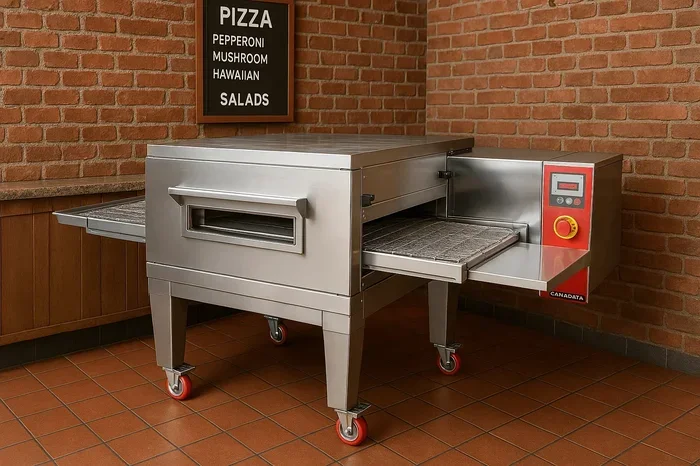
- Conveyor Ovens: These move pizza through a heated chamber automatically. They are perfect for high-volume spots. Expect to pay $3,000 to $8,000.
- Deck Ovens: These give you that classic stone-baked crust. They are a favorite among artisan pizzerias. Prices range from $5,000 to $15,000.
- Wood-Fired Ovens: These bring an authentic smoky flavor. They are beautiful and impressive but come with a higher price tag of $5,000 to $20,000+.
Each type also affects how many pizzas you can bake per hour. If you are serving a busy lunch crowd, a conveyor oven might be worth the extra money. If you focus on gourmet pies, a deck oven could be your best bet.
Fuel Source and Operating Costs
The fuel your oven uses also affects both the purchase price and the ongoing cost of running it. Here is a simple breakdown:
- Gas Ovens: These are the most common in commercial kitchens. They heat up fast and offer steady temperatures. Gas models tend to fall in the mid-range price bracket.
- Electric Ovens: These are easier to install since they just need a power outlet. However, electricity costs can add up over time, especially if you are baking dozens of pizzas daily.
- Wood-Fired Ovens: These use real wood or wood pellets. The fuel itself can be inexpensive, but the oven requires more attention and skill to manage.
Some owners also worry about whether they can use items like parchment paper inside their ovens. For example, if you are using a smaller unit alongside your main oven, you might wonder, is parchment paper toaster oven safe? The answer depends on the specific oven, so always check the manufacturer guidelines.
Size and Capacity
Bigger ovens cost more, and that is simple. But size is not just about the price tag. It also affects how much you can produce in a single shift.
A small countertop oven might fit two or three pizzas at a time. A full-size deck oven can handle six to ten. If you are running a busy pizza business, you need throughput. Think about your average number of covers per night and work backward from there.
Also consider the physical footprint of the oven. Do you have enough kitchen space? Will it fit through your kitchen door and around your existing equipment? These practical details matter just as much as the sticker price.
Breaking Down the Costs by Oven Type
Let us get into the numbers. Below is a general price comparison to give you a clearer picture of what to expect when shopping for a commercial pizza oven.
Price Comparison Table
Oven Type | Approximate Price Range | Best For
Countertop Electric | $1,000 – $3,000 | Small cafés, food trucks, food booths
Conveyor Gas | $3,000 – $8,000 | High-volume pizzerias, chains
Stone Deck Oven | $5,000 – $15,000 | Artisan pizzerias, bakeries
Wood-Fired Brick Oven | $5,000 – $20,000+ | Authentic pizzerias, upscale restaurants
Keep in mind that these are general ranges. Prices can shift based on brand, features, and where you purchase. Some brands charge a premium for proven durability and strong customer support.
Also, remember that the pizza oven cost is not the only expense. You may need to budget for ventilation upgrades, gas line installation, or electrical work. These hidden costs can add several hundred or even a few thousand dollars to your total setup.
What About Used Ovens?
If you are watching your budget, a used commercial oven can be a smart move. Many restaurants sell perfectly good equipment when they close or upgrade. You can often find used deck ovens for 30 to 50 percent less than new ones.
However, buying used comes with risks. You do not always know the full history of the machine. Has it been well maintained? Are parts still available? Before you commit, inspect the oven carefully or ask for a service record. A reputable dealer can also help you evaluate used equipment.
How to Choose the Right Commercial Pizza Oven for Your Business
Picking the right oven is about more than just picking the cheapest option. You need to think about your menu, your volume, and your long-term goals.
Consider Your Menu and Pizza Style
Are you making thin-crust Neapolitan pies? A wood-fired oven gives you that authentic char and smoky flavor. Are you cranking out pepperoni pizzas by the dozen? A conveyor oven will keep up with demand and deliver consistent results every time.
If you are also baking bread, calzones, or other items, a deck oven offers versatility. You can adjust the stone temperature and bake different products throughout the day. This kind of flexibility can justify a higher upfront oven investment.
Think about your cooking times too. Some ovens reach full temperature in under 15 minutes. Others need 30 to 45 minutes to preheat. In a busy kitchen, faster preheat times mean less downtime and more pizzas served.
Think About Energy Efficiency
Energy costs are a real part of running a restaurant kitchen. An oven that heats quickly and holds temperature well will save you money over time. Look for models with good insulation and efficient heating elements.
Some newer commercial kitchen equipment models are designed specifically for energy savings. They may cost a bit more upfront but pay for themselves through lower utility bills. Over a five-year span, the savings can be significant.
If you are also using smaller appliances in your kitchen, such as a toaster oven for quick sides or snacks, make sure you follow proper guidelines. For instance, you might ask yourself, can I put a plate in the oven? Knowing these small details helps you run a safer and more efficient kitchen overall.
Brand Reputation and Warranty
When you are spending thousands of dollars, brand reputation matters. Well-known manufacturers often offer better build quality, more reliable heating elements, and stronger warranty coverage.
A solid warranty can save you a lot of money if something goes wrong. Look for warranties that cover parts and labor for at least one year. Some premium brands offer extended warranties of two to three years.
Also check if the brand has a good network of service technicians. If your oven breaks down, you want someone who can fix it quickly. A long wait for parts can mean lost revenue and unhappy customers.
Installation and Setup Costs You Should Not Ignore
The price of the oven itself is only part of the story. There are additional costs that come with setting up a commercial pizza oven in your kitchen.
Ventilation and Hood Systems
Most commercial ovens require a proper ventilation system. This means a hood over the oven that captures grease, smoke, and heat. Depending on your kitchen layout, a new hood system can cost anywhere from $2,000 to $10,000 or more.
Some areas also require fire suppression systems above the hood. These are non-negotiable for safety and code compliance. Factor these costs into your total budget early on.
Gas and Electrical Work
If you are switching from electric to gas, you may need a licensed plumber or technician to run a new gas line. This can add $500 to $2,000 depending on the complexity of the job.
Electric ovens also have specific power requirements. A large deck oven might need a dedicated 240-volt circuit. If your kitchen does not already have this, an electrician will need to install it.
Oven Placement and Kitchen Flow
Where you place your oven affects both workflow and safety. The oven should be positioned away from flammable materials and in a spot where your staff can move freely. Poor placement can lead to accidents and slower service during rushes.
Also think about how you will load and unload pizzas. If the oven door opens upward, make sure there is enough clearance. If it opens to the side, ensure there is room for your peels and trays.
Maintenance Tips to Keep Your Oven Running Strong
A commercial pizza oven is a big investment, and maintenance is the key to protecting it. Regular care keeps your oven performing at its best and extends its lifespan significantly.
Daily Cleaning Habits
After every shift, give your oven a quick once-over. Remove any crumbs, cheese, or sauce buildup from the cooking surface. This prevents flare-ups and keeps your pizzas tasting clean.
For ovens with stone decks, sweep out any flour or debris. Do not use water on hot stone, as it can cause cracking. Let the oven cool down before doing any deep cleaning.
If you also use a smaller oven in your kitchen for other tasks, keeping it clean matters too. For example, knowing how to properly maintain a Hamilton Beach toaster oven or any other small appliance helps you avoid buildup and extends its life.
Weekly and Monthly Maintenance
Once a week, inspect the heating elements for signs of wear or damage. Replace any parts that look corroded or are not heating evenly. Uneven heating leads to inconsistent pizza quality.
Once a month, check the oven seals and gaskets. Damaged seals let heat escape, which drives up energy costs and slows cooking times. Replacing a gasket is usually inexpensive and easy to do.
Also, calibrate your oven thermometer regularly. Many ovens drift over time, and if your internal temperature is off by even 25 degrees, it can affect your pizza crust quality.
When to Call a Professional
Some maintenance tasks are best left to the pros. If you notice unusual noises, gas smells, or inconsistent temperatures, call a technician right away. Trying to fix a gas oven issue yourself can be dangerous.
Schedule an annual professional inspection for your commercial pizza oven. A technician can spot small problems before they become expensive repairs. This proactive approach saves money and keeps your oven running smoothly year after year.
Common Mistakes People Make When Buying a Commercial Pizza Oven
Even experienced restaurant owners sometimes make costly mistakes when purchasing a new oven. Here are a few to watch out for.
- Buying based on price alone: The cheapest oven is not always the best value. A slightly pricier model with better energy efficiency and a stronger warranty can save you money in the long run.
- Ignoring kitchen space: Measure your available space twice before ordering. An oven that does not fit properly can delay your opening and create safety hazards.
- Overlooking ventilation needs: Many buyers forget to budget for a proper hood and ventilation system. This is a must-have, not an optional extra.
- Skipping the pre-purchase inspection: Whether buying new or used, always inspect the oven in person or through a trusted representative. Do not buy sight unseen.
- Underestimating operating costs: Gas, electricity, and maintenance all add up. Build these ongoing costs into your business plan from the start.
One mistake that catches many people off guard is not thinking about what else they need alongside the oven. For instance, if you plan to bake potatoes as a side item, you might ask, how long do potatoes take to cook in the oven? Knowing this helps you plan your kitchen workflow and oven scheduling more effectively.
Final Thoughts on Choosing a Commercial Pizza Oven
Choosing a commercial pizza oven is one of the most important decisions you will make for your food business. The right oven can help you produce amazing pizza consistently, keep your energy costs in check, and serve customers faster.
Start by understanding your needs. How many pizzas do you plan to bake per day? What style of pizza are you making? What is your budget for both the oven and installation? Answer these questions first, and the rest becomes much easier.
Remember, the pizza oven cost is not just a number on a price tag. It is an investment in the quality of your food, the efficiency of your kitchen, and the success of your business. Take your time, do your research, and do not be afraid to ask questions before you buy.
Whether you choose a sleek conveyor oven, a classic deck oven, or the rustic charm of a wood-fired oven, the right choice will serve your kitchen well for years to come. Happy baking.
Frequently Asked Questions
What is the average cost of a commercial pizza oven?
The average cost ranges from about $1,000 for a basic countertop model to $15,000 or more for a high-end deck or wood-fired oven. The exact price depends on the oven type, fuel source, size, and brand. Always budget extra for installation, ventilation, and any necessary kitchen upgrades.
Which type of commercial pizza oven is the most energy efficient?
Gas-powered deck ovens and modern conveyor ovens tend to be the most energy efficient. They heat up quickly and maintain consistent temperatures with less wasted energy. Electric models are easy to install but can cost more to run over time due to higher electricity rates.
Can I buy a used commercial pizza oven and save money?
Yes, buying used can save you 30 to 50 percent off the original price. However, always inspect the oven thoroughly or ask for maintenance records. A reputable dealer can help you evaluate the condition and remaining lifespan of a used unit.
How long does a commercial pizza oven last with proper care?
A well-maintained commercial pizza oven can last anywhere from 10 to 20 years or more. Regular cleaning, timely part replacements, and annual professional inspections all contribute to a longer lifespan. The brand and build quality also play a big role in durability.
Do I need a special ventilation system for a commercial pizza oven?
Yes, most commercial ovens require a hood and ventilation system to meet safety and building codes. The hood captures grease, smoke, and excess heat from the oven. Installation costs for a proper system can range from $2,000 to $10,000 depending on your kitchen setup.
What should I consider before ordering a commercial pizza oven?
Think about your daily pizza volume, the style of pizza you make, your available kitchen space, and your budget for both the oven and installation. Also consider fuel costs, energy efficiency, and the availability of parts and service in your area. Planning ahead saves money and prevents costly mistakes down the road.
=== INTERNAL LINKS ===
For more helpful kitchen tips, check out these guides on our site: