How To Clean Burnt Cheese From Oven Quickly And Easily
How to clean burnt cheese from oven is simpler than most people think. You can remove baked-on cheese in minutes using common kitchen items like baking soda and vinegar. This guide gives you oven cleaning methods that are safe, effective, and easy to follow.
Burnt cheese is one of the messiest problems you can face in the kitchen. It sticks to every surface, fills your kitchen with smoke, and leaves a lingering smell. When you look at the charred mess, the first thought is often, “How do I even clean this?” The good news is that how to clean burnt cheese from oven is a skill you can master with a few simple tricks. You do not need expensive products or hours of scrubbing. With the right approach, you can restore your oven to a like-new condition in under an hour.
Whether you have a standard range oven or a compact toaster oven, the principles of burnt cheese removal remain the same. The key is to soften the hardened cheese before you wipe it away. Most people reach for harsh chemical sprays, but gentle household items often work better. This guide walks you through every step, from the easiest natural method to prevention tips that stop the mess before it starts. By the end, you will know exactly what to do the next time cheese bubbles over.
Key Takeaways
- Baking soda and vinegar paste is the most effective natural way to dissolve burnt cheese without scratching surfaces.
- Steam cleaning loosens stubborn cheese residue quickly and requires no harsh chemicals.
- Prevention is key – using foil or a baking sheet catches drips and saves you from future scrubbing.
- Never use metal scrubbers on oven surfaces, as they can cause permanent damage and scratches.
- Regular light cleaning after each use makes deep cleaning much faster and easier.
- Commercial cleaners work well for tough messes but always choose oven-safe, non-toxic formulas.
- Know your oven type – self-cleaning cycles and toaster ovens need slightly different care.
📑 Table of Contents
- Why Burnt Cheese Sticks So Hard (and Why It’s So Frustrating)
- The Best Methods to Remove Burnt Cheese From Your Oven
- Step-by-Step Guide to Cleaning Burnt Cheese Safely
- How to Prevent Burnt Cheese Spills in the Future
- Quick Tips for Different Oven Types
- Common Mistakes to Avoid When Cleaning Burnt Cheese
- Expert Insights: How Professional Cleaners Tackle Burnt Cheese
- Key Takeaways
- Frequently Asked Questions
- Conclusion
Why Burnt Cheese Sticks So Hard (and Why It’s So Frustrating)
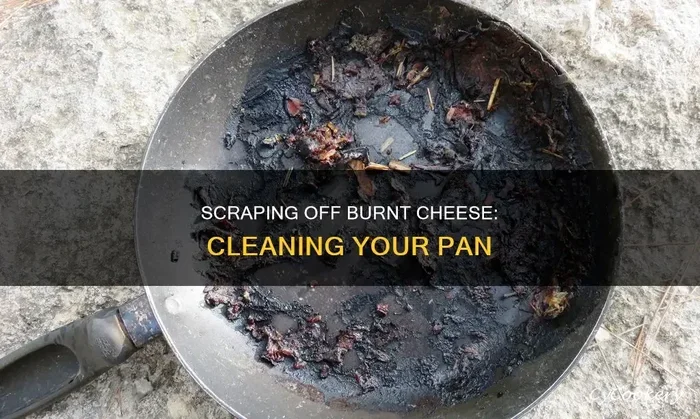
Cheese is a tricky food. It contains proteins and fats that bond strongly with heat. When cheese melts and then dries out, it undergoes a chemical change called the Maillard reaction. This creates a hard, crusty layer that clings tightly to metal and glass. That is why a quick wipe right after cooking does not always work. The longer the cheese sits, the harder it becomes. Understanding this helps you choose the right oven cleaning method from the start.
The temperature of your oven also plays a big role. High heat caramelizes the sugars in cheese, making it almost impossible to remove with a damp cloth alone. That is why many people turn to oven deglazing techniques. Deglazing uses moisture and mild abrasion to break down the bond between the cheese and the oven surface. It is a gentler approach that protects your appliance. Once you learn this simple process, you will never fear a cheese spill again.
The Best Methods to Remove Burnt Cheese From Your Oven
Not all burnt cheese messes are the same. A light spill on the oven floor needs a different approach than a thick, blackened crust on the rack. Below are the three most effective methods for cleaning baked-on cheese. Each one uses safe, affordable ingredients you likely already have at home.
Method 1: Baking Soda and Vinegar Paste
This is the gold standard for natural oven cleaning. Baking soda is a mild abrasive that lifts stains without scratching. Vinegar adds fizz that helps penetrate the crust. Together, they create a powerful cleaning paste that dissolves burnt cheese safely.
- Mix 3 tablespoons of baking soda with 1 tablespoon of water to form a thick paste.
- Spread the paste evenly over the burnt cheese area. Avoid the heating elements.
- Let it sit for at least 30 minutes. For stubborn spots, leave it for 2 hours.
- Spray white vinegar over the paste. It will bubble and fizz, breaking down the residue.
- Wipe away the loosened cheese with a damp sponge. Rinse and repeat if needed.
This method works beautifully on both the oven floor and the racks. It is especially gentle on porcelain and glass surfaces. The fizzing action is satisfying to watch and very effective.
Method 2: Steam Cleaning
Steam is a powerful oven cleaning hack that requires zero chemicals. The moisture softens the cheese so you can wipe it away with minimal effort. This method is ideal for fresh spills or light to moderate burnt cheese.
- Fill a small oven-safe bowl with water and add a splash of lemon juice or white vinegar.
- Place the bowl on the bottom rack of the oven.
- Heat the oven to 200°F (95°C) for about 10 minutes. The steam will fill the cavity.
- Turn off the oven and let it sit for another 15 minutes. Do not open the door yet.
- Remove the bowl carefully. Use a damp cloth to wipe the softened cheese away.
Steam cleaning is a great way to prevent baked-on cheese from building up over time. It also eliminates light odors. If you have a lot of residue, combine this method with the baking soda paste for best results.
Method 3: Commercial Oven Cleaner
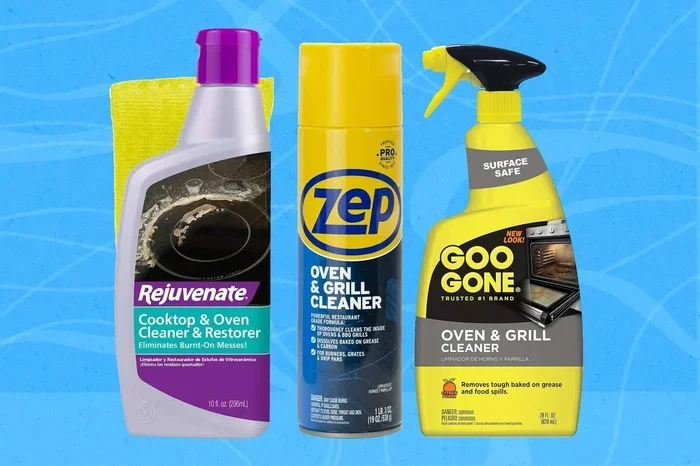
For extremely tough, blackened cheese crusts, a commercial oven cleaner may be necessary. These products contain stronger solvents that dissolve carbonized food quickly. However, they must be used with caution.
- Choose a cleaner labeled non-toxic and oven-safe. Look for foaming formulas that cling to surfaces.
- Always wear gloves and work in a well-ventilated area.
- Spray the cleaner on cool surfaces and let it sit for the time listed on the label.
- Wipe away the residue with a damp cloth. Rinse the oven thoroughly with water.
- Run the oven empty at 200°F for 10 minutes to remove any chemical traces.
Commercial cleaners are effective but should be a last resort. They are not safe for all surfaces, especially if you have a self-cleaning oven. Always check your manufacturer’s instructions before using any chemical product.
Comparison Table: Which Method Works Best?
| Method | Best For | Time Required | Eco-Friendly | Effort Level |
|---|---|---|---|---|
| Baking Soda Paste | Moderate burnt cheese, regular cleaning | 30 minutes – 2 hours | Yes | Low |
| Steam Cleaning | Light spills, fresh messes | 25 minutes | Yes | Very Low |
| Commercial Cleaner | Heavy, blackened crusts | 15 minutes + dwell time | No | Medium |
As you can see, the baking soda and vinegar paste is the most versatile option. It handles most situations without exposing your kitchen to harsh fumes. Steam cleaning is perfect for quick maintenance. Save commercial cleaners for the toughest jobs only.
Step-by-Step Guide to Cleaning Burnt Cheese Safely
Now that you know the best methods, let’s walk through a complete cleaning session. Follow these steps in order for the safest and most effective burnt cheese removal. Whether you are cleaning a standard oven or a toaster oven, the process is similar.
Step 1: Remove the racks and trays. Take out all removable parts. Soak them in hot, soapy water in the sink. This loosens any cheese that has dripped onto the metal. For baked-on spots on racks, apply the baking soda paste directly and let it sit.
Step 2: Apply your chosen cleaning method. If the cheese is fresh, start with steam. If it has been there for days, use the baking soda paste. For heavy black crusts, spray a commercial cleaner. Always follow the product instructions carefully.
Step 3: Scrub gently. Use a non-abrasive sponge or a soft microfiber cloth. Never use steel wool or metal scrubbers. These can scratch the oven’s protective coating and cause permanent damage. A plastic scraper works well for lifting large pieces of hardened cheese without scratching.
Step 4: Wipe clean and dry. Rinse all surfaces with a clean damp cloth. Remove any cleaning residue completely. Dry the oven with a soft towel to prevent water spots. Replace the racks and trays once they are fully dry.
Step 5: Inspect and repeat if needed. Check for any remaining cheese spots. If some areas still look stained, apply the cleaning method again. Most oven cleaning hacks require a second application for the best results. Patience is your best tool here.
How to Prevent Burnt Cheese Spills in the Future
Cleaning is easier when you prevent the mess in the first place. A few simple habits can save you from the frustration of burnt cheese cleanup every time you bake. These tips work for full-size ovens and toaster ovens alike.
- Use a baking sheet or foil liner. Place a sheet of aluminum foil or a silicone baking mat on the rack below your dish. This catches drips before they hit the oven floor. Just make sure the foil does not touch the heating elements.
- Cover dishes with foil or a lid. When baking casseroles or gratins, cover them with foil for the first part of cooking. This traps steam and prevents cheese from bubbling over.
- Set a timer and check early. Overcooking is the number one cause of burnt cheese. Check your dish a few minutes before the recipe suggests. You can always add more time if needed.
- Clean spills right after cooking. Once the oven cools slightly but is still warm, wipe the floor with a damp cloth. Warm cheese is much easier to remove than cold, hardened cheese.
- Consider oven-safe liners. Reusable oven liners sit on the bottom rack and catch all spills. They are easy to wash and replace. This is one of the best prevention tips for oven messes.
If you are wondering about using certain materials in your oven, you might ask, can I put a plate in the oven? The answer is yes, and we cover that here. Using a plate as a drip catcher is a common and safe practice. Just ensure the plate is oven-safe and does not touch the heating elements. This small habit can dramatically reduce cheese spill oven incidents.
Quick Tips for Different Oven Types
Every oven has its quirks. A standard range oven behaves differently than a countertop toaster oven. Here are a few tailored tips to make your cleaning routine smoother.
For toaster ovens: The small interior means spills happen fast. Line the tray with parchment paper or foil. Because space is tight, you can also use a smaller baking dish to contain the food. If you are curious about using parchment paper, is parchment paper toaster oven safe? We explain that in our dedicated guide. Generally, it is safe up to 425°F, but always check the manufacturer’s limits.
For self-cleaning ovens: These ovens have a pyrolytic cycle that burns off food residue at very high temperatures. Before starting the self-clean cycle, remove any large pieces of cheese or food debris. The cycle can cause smoke and odors if the mess is too thick. Also, never use chemical cleaners in a self-cleaning oven. The high heat is all you need.
For convection ovens: The fan circulates hot air, which can cause cheese to brown and stick faster. Use lower racks and shield delicate dishes with foil. Cleaning the oven interior after each use is especially important here because the fan can spread grease and crumbs.
If you own a specific brand like Hamilton Beach, you can find detailed guidance in our article on how to clean a Hamilton Beach toaster oven. It covers brand-specific parts and cleaning solutions that keep your appliance running smoothly.
Common Mistakes to Avoid When Cleaning Burnt Cheese
Even with the best intentions, people often make mistakes that damage their oven or make the mess worse. Avoid these common pitfalls to keep your oven in great shape.
- Using abrasive pads or steel wool. These scratch the oven’s enamel or non-stick coating. Scratches trap food and make future cleaning harder. Stick to soft sponges and cloths.
- Applying chemical cleaners on a hot oven. This can create toxic fumes or cause the cleaner to evaporate too quickly. Always clean your oven when it is completely cool.
- Soaking the oven floor with too much water. Water can seep under the heating elements and cause electrical issues. Use a damp cloth, not a dripping wet one.
- Ignoring the oven racks. Cheese often drips onto the racks and bakes on there. If you only clean the floor, the racks will continue to shed residue onto the bottom.
- Using too much vinegar with baking soda. The reaction neutralizes both ingredients, reducing their cleaning power. Apply the baking soda paste first, then spray vinegar lightly on top.
Another mistake is waiting too long between cleanings. If you notice a burnt cheese smell, address it immediately. The odor can permeate your kitchen and even your food. A quick wipe with a steamy cloth can prevent the smell from setting in. This is a simple oven cleaning hack that saves you a lot of effort later.
Expert Insights: How Professional Cleaners Tackle Burnt Cheese
Professional oven cleaners use a few tricks that you can easily replicate at home. The first is the “soak and soften” approach. They never try to scrub dried cheese immediately. Instead, they apply a moisture source and let it work for at least 30 minutes. This breaks down the protein bonds that make cheese so stubborn.
The second trick is using heat to your advantage. Some professionals warm the oven to about 150°F and place a bowl of ammonia inside (never mix ammonia with bleach). The ammonia fumes loosen the carbonized residue. However, for a safer home alternative, the steam method described earlier works just as well without the harsh chemicals.
Professionals also emphasize the importance of regular maintenance. A quick wipe with a damp cloth after every use takes only 30 seconds. This prevents the buildup that leads to difficult burnt cheese removal. By making this a habit, you will spend less time on deep cleaning and more time enjoying your kitchen.
Key Takeaways
- Baking soda and vinegar paste is the most effective natural way to dissolve burnt cheese without scratching surfaces.
- Steam cleaning loosens stubborn cheese residue quickly and requires no harsh chemicals.
- Prevention is key – using foil or a baking sheet catches drips and saves you from future scrubbing.
- Never use metal scrubbers on oven surfaces, as they can cause permanent damage and scratches.
- Regular light cleaning after each use makes deep cleaning much faster and easier.
- Commercial cleaners work well for tough messes but always choose oven-safe, non-toxic formulas.
- Know your oven type – self-cleaning cycles and toaster ovens need slightly different care.
Frequently Asked Questions
Can I use bleach to clean burnt cheese from my oven?
No, you should never use bleach inside an oven. Bleach can react with food residue and heating elements, creating dangerous fumes. Stick to baking soda, vinegar, or a dedicated oven cleaner that is explicitly labeled safe for food appliances.
How long does it take to clean burnt cheese with baking soda?
The baking soda paste needs at least 30 minutes to work, but 2 hours is ideal for tough stains. If you let it sit overnight, the cheese will soften significantly, making it easy to wipe away with a damp cloth.
Is it safe to use a razor blade to scrape burnt cheese off oven glass?
Yes, but only if the glass is cool and you use a plastic scraper or a razor blade specifically designed for oven glass. Hold the blade at a 45-degree angle and scrape gently. Metal scrapers can scratch the glass, so always choose a plastic alternative first.
What is the best way to remove burnt cheese smell from the oven?
Place a bowl of water with sliced lemons or a cup of white vinegar inside the oven and heat it to 200°F for 15 minutes. The steam neutralizes odors. You can also leave an open box of baking soda in the oven overnight to absorb lingering smells.
Can I use the self-cleaning cycle to remove burnt cheese?
Yes, the self-cleaning cycle works well for burnt cheese, but only if the mess is not too thick. Large pieces of cheese can create excessive smoke during the cycle. Remove large debris first, then run the self-clean cycle. Ventilate your kitchen well, as the process can produce odors.
How often should I deep clean my oven to prevent burnt cheese buildup?
A light wipe after each use is ideal. A deep cleaning with baking soda paste should be done every 1 to 3 months, depending on how often you cook with cheese. If you bake casseroles weekly, aim for a cleaning every 4 weeks to keep the oven in top condition.
Conclusion
How to clean burnt cheese from oven quickly and easily is a skill that saves you time, money, and frustration. The baking soda and vinegar paste remains the best go-to method for most home cooks. Steam cleaning offers a gentle alternative for fresh spills, while commercial cleaners handle the toughest carbonized crusts. Prevention through simple habits like using foil liners and cleaning spills promptly keeps your oven in excellent shape between deep cleanings.
Remember to avoid abrasive scrubbers and harsh chemicals. Treat your oven with care, and it will serve you well for years. The next time cheese bubbles over, you will know exactly what to do. Grab your baking soda, put on some gloves, and tackle the mess with confidence. A clean oven is the foundation of a happy kitchen, and now you have all the tools to keep it that way.