How To Make Dried Beef In The Oven Quickly And Easily
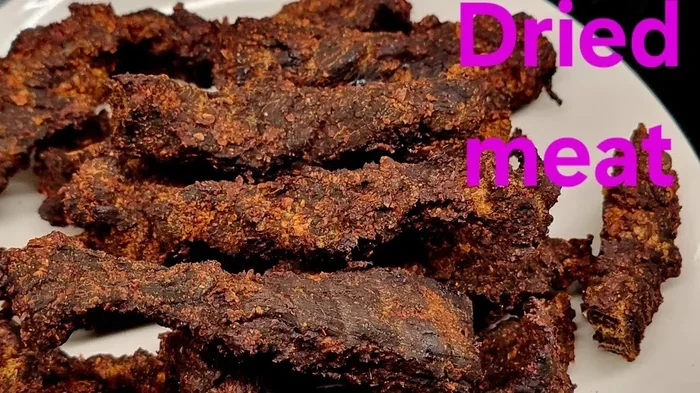
Making dried beef in the oven is one of the easiest ways to create delicious homemade beef jerky without any special equipment. You only need a few simple ingredients, a sharp knife, and your oven to produce perfectly seasoned, chewy dried beef in just a few hours. This guide walks you through every step so you can make oven-dried beef like a pro, even if you have never tried it before.
There is something deeply satisfying about making your own dried beef at home. Whether you are looking for a high-protein snack, a trail food for your next hike, or a fun weekend cooking project, learning how to make dried beef in the oven is a game changer. You do not need any fancy dehydrators or expensive equipment. Your regular kitchen oven does all the heavy lifting.
Dried beef, often known as beef jerky, has been a beloved snack for centuries. People from different cultures around the world have been preserving meat through drying for thousands of years. Today, you can recreate this timeless process right in your own kitchen. The best part? It is surprisingly simple and takes only a few hours from start to finish.
In this guide, I will show you exactly how to make dried beef in the oven with clear, easy-to-follow steps. You will learn about choosing the right cut, preparing your marinade, slicing techniques, and the ideal oven settings. By the end, you will be confident enough to make your own homemade beef jerky whenever the craving strikes. Let us get started.
Key Takeaways
- Simple Process: Making dried beef in the oven requires minimal ingredients and basic kitchen tools you already own.
- Low and Slow is Key: Keeping your oven temperature between 150°F and 200°F ensures tender, perfectly dried beef without overcooking.
- Customizable Flavors: You can adjust your beef marinade to suit any taste preference, from smoky to spicy to savory.
- Cost Effective: Homemade oven-dried beef costs a fraction of store-bought jerky and tastes far better.
- Long Shelf Life: Properly dried and stored beef jerky can last for weeks, making it a great snack for camping or meal prep.
- Oven Versatility: The same oven you use for baking can also be used to create delicious dehydrated beef snacks.
📑 Table of Contents
- Why Make Dried Beef In The Oven?
- Choosing the Right Beef for Drying
- Preparing Your Beef for the Oven
- Oven Setup and Drying Process
- Storing Your Dried Beef Properly
- Flavor Variations for Dried Beef
- Common Mistakes to Avoid When Making Dried Beef
- Expert Tips for Perfect Dried Beef Every Time
- Conclusion
Why Make Dried Beef In The Oven?
Before we dive into the recipe, let us talk about why the oven method is so popular. There are many ways to dry beef, but using your oven offers some clear advantages that make it the best choice for most people.
Convenience and Accessibility
Almost every household has an oven. You do not need to buy a special dehydrator or any additional gadgets. Simply grab your baking sheet, line it with parchment paper, and you are ready to go. Making dried beef in the oven fits right into your existing kitchen routine.
Think about it. When you want to bake potatoes, you use your oven. When you want to reheat pizza, you use your oven. Now you can add oven-dried beef to that list. It is one of the most accessible methods for making beef jerky at home.
Cost Savings
Store-bought beef jerky can be expensive. A small bag often costs five to ten dollars. When you make your own dried beef at home, you control the quality of the meat and the ingredients in your marinade. A single pound of beef can yield a generous amount of jerky, saving you money in the long run.
Plus, you can make larger batches and store them for later. It is a smart way to snack without breaking the bank.
Full Control Over Ingredients
One of the biggest benefits of making your own beef jerky is knowing exactly what goes into it. Many store-bought brands contain added preservatives, excess sodium, and artificial flavors. When you make dried beef at home, you choose every ingredient. You can go low-sodium, use organic beef, or skip any allergens you are concerned about.
Choosing the Right Beef for Drying
The foundation of great dried beef starts with selecting the right cut. Not all beef is created equal when it comes to making jerky. Choosing the proper cut will save you time and give you better results.
Best Cuts of Beef for Drying
Lean cuts work best for dried beef because they have less fat, which can cause the jerky to spoil faster. Here are the top cuts to consider:
- Top Round: This is the most popular choice for beef jerky. It is lean, affordable, and has a consistent texture that dries evenly.
- Bottom Round: Similar to top round, this cut is also lean and works beautifully for oven-dried beef.
- Flank Steak: Flank steak has a slightly more intense beef flavor and dries well when sliced correctly.
- Sirloin Tip: This cut offers a good balance of lean meat and mild flavor, making it excellent for beginners.
- Eye of Round: Very lean and budget-friendly, though it can be slightly tougher, which is actually fine for jerky.
Cuts to Avoid
Some cuts are not ideal for making dried beef. Avoid fatty cuts like ribeye or brisket with heavy marbling. Fat does not dry out the same way muscle meat does, and it can make your jerky go rancid much faster. Stick with lean options for the best shelf life and texture.
Fresh vs. Frozen Beef
You can use either fresh or frozen beef for this recipe. If you are using frozen beef, make sure it is fully thawed before you start slicing. Partially frozen meat actually slices easier in some cases, so some people prefer to put their beef in the freezer for about 30 minutes before cutting.
Just remember that if you are buying from a store like Omaha Steaks, you have many great options available. Omaha steak burgers and their other products are widely accessible and work well for jerky making too. You can explore their selection at how to cook Omaha steak burgers in the oven for additional beef cooking inspiration.
Preparing Your Beef for the Oven
Proper preparation is the secret to perfect dried beef. This step takes a little extra time, but it makes a huge difference in the final result.
Slicing the Beef
How you slice your beef directly affects the texture and drying time of your jerky. Here are the key slicing guidelines:
- Place your beef on a clean cutting board.
- Using a sharp knife, slice the beef against the grain. This means cutting perpendicular to the muscle fibers.
- Aim for slices that are about 1/4 inch to 1/8 inch thick.
- Try to keep your slices as uniform as possible so they dry evenly.
- If a slice is too thick, it will take longer to dry. Too thin, and it may become overly crispy.
Slicing against the grain is important because it gives your dried beef a tender, chewy texture. If you slice with the grain, the jerky can be very tough and difficult to chew.
Patting Dry
Before you apply your marinade, use paper towels to pat your beef slices dry. Removing excess surface moisture helps the marinade penetrate better and speeds up the drying process in the oven.
The Marination Process
The marinade is where your dried beef gets its flavor. This is your chance to get creative. A basic marinade includes soy sauce, Worcestershire sauce, garlic, and a touch of sweetness. Here is a simple marinade to get you started:
- 1/2 cup soy sauce
- 2 tablespoons Worcestershire sauce
- 1 tablespoon brown sugar or honey
- 1 teaspoon garlic powder
- 1 teaspoon onion powder
- 1/2 teaspoon black pepper
- 1/2 teaspoon smoked paprika (optional, for a smoky flavor)
Place your beef slices in a large zip-lock bag or a shallow dish. Pour the marinade over the beef and make sure every piece is coated. Seal the bag and refrigerate for at least 4 hours, or ideally overnight. The longer the marination, the deeper the flavor.
If you want to experiment with different flavors, you can look at how other oven recipes handle seasoning. For example, baking brie in the oven uses different techniques, but the principle of oven-based cooking is the same. You can read more about how long to bake brie in the oven for general oven timing insights.
Oven Setup and Drying Process
Now comes the exciting part. This is where your marinated beef transforms into delicious dried beef. Setting up your oven correctly is essential for even drying and perfect texture.
Oven Temperature Settings
The most important factor in making dried beef in the oven is temperature. You want to keep it low and steady. Here is what you need to know:
- Ideal Temperature Range: 150°F to 200°F (65°C to 93°C).
- Why Low Heat: Low heat slowly removes moisture from the beef without cooking it completely. This preserves the chewy texture that makes jerky so enjoyable.
- Avoid High Temperatures: Temperatures above 250°F will cook the beef too quickly, resulting in dry, tough jerky that lacks the desired texture.
If your oven does not go as low as 150°F, crack the oven door slightly to allow moisture to escape and keep the temperature lower. Some people place a wooden spoon in the door to hold it open a few inches.
Preparing the Baking Sheet
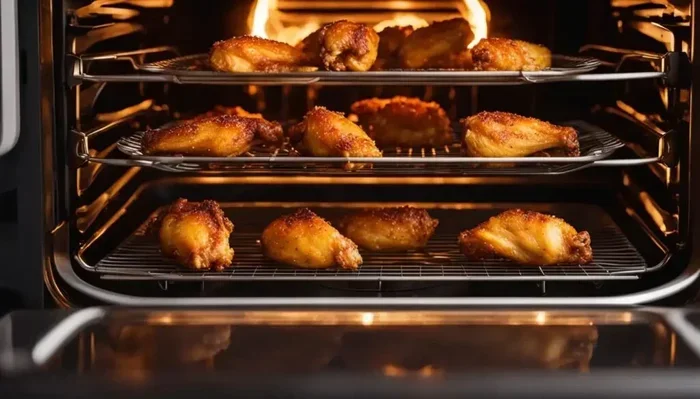
Line a baking sheet with parchment paper or a wire rack. Using a wire rack is actually better because it allows air to circulate around all sides of the beef slices. If you use parchment paper, make sure to flip the slices halfway through for even drying.
Before placing your beef in the oven, it helps to know a bit about parchment paper safety in the oven. Parchment paper is generally safe for oven use at the temperatures required for drying beef, so you can use it without worry.
Arranging the Beef Slices
Lay your marinated beef slices flat on the prepared baking sheet. Make sure the slices do not overlap. Overlapping creates uneven drying and can lead to some pieces being under-dried while others are over-dried.
Leave a small gap between each slice to allow proper airflow. If you need to use multiple baking sheets, rotate them halfway through the drying process for consistent results.
Drying Time and Monitoring
Drying time varies depending on the thickness of your slices, your oven temperature, and the humidity in your kitchen. Here is a general timeline to follow:
- At 150°F: 3 to 4 hours
- At 175°F: 2.5 to 3.5 hours
- At 200°F: 2 to 3 hours
Check your beef every 30 to 45 minutes after the first two hours. Look for a darkening in color and a firm, slightly bendable texture. The beef should not be completely stiff, but it should not feel wet or soft either.
Keep in mind that the beef will continue to firm up as it cools. So take it off the oven when it still feels slightly soft to the touch. It will reach the perfect texture once it reaches room temperature.
How Long Does It Take to Cook Potatoes in the Oven?
While we are on the topic of oven cooking times, you might wonder how oven times compare across different foods. For reference, potatoes take significantly longer to cook in the oven than dried beef does. Potatoes usually need 45 minutes to an hour at 400°F, while dried beef only takes 2 to 4 hours at much lower temperatures. The difference comes down to the goal: potatoes need to cook through, while dried beef needs to lose moisture slowly.
Storing Your Dried Beef Properly
Once your dried beef is ready, proper storage is key to maintaining its flavor and extending its shelf life.
Storage Containers
Store your homemade beef jerky in airtight containers. Mason jars, vacuum-sealed bags, or airtight plastic containers all work well. The goal is to keep moisture out, because any added moisture can cause the jerky to spoil or become soggy.
Shelf Life
When stored correctly at room temperature, homemade dried beef can last for one to two weeks. If you refrigerate it, it can last up to one month. For the longest storage, you can freeze dried beef for up to three months. Just make sure to thaw it at room temperature before eating.
Signs of Spoilage
Always check your dried beef before eating. Throw it away if you notice any of the following:
- An off or sour smell
- Visible mold or discoloration
- A slimy or sticky texture
- An unusual taste
When in doubt, it is better to be safe and discard the jerky. Proper drying and storage make a big difference in keeping your homemade beef jerky fresh and safe to eat.
Flavor Variations for Dried Beef
One of the best things about making dried beef in the oven is that you can customize the flavors to match your personal taste. Here are some popular variations to try:
Smoky BBQ Flavor
Add liquid smoke, smoked paprika, and a touch of brown sugar to your marinade for a classic barbecue-inspired jerky. This variation pairs beautifully with a cold drink on a weekend afternoon.
Spicy Kick
If you like heat, add crushed red pepper flakes, cayenne pepper, or a splash of hot sauce to your marinade. You can also sprinkle some chili powder on the beef slices before they go in the oven.
Teriyaki Style
Swap soy sauce for teriyaki sauce and add a bit of ginger and sesame oil. This creates a sweet and savory jerky that is incredibly popular. You can find similar flavor profiles explored in Omaha steak filet mignon recipes that use rich, savory seasonings.
Simple Salt and Pepper
Sometimes less is more. A simple seasoning of coarse salt, black pepper, and a little garlic powder lets the natural beef flavor shine through. This is perfect for purists who want to taste the quality of the meat itself.
Sweet and Savory
Add brown sugar, honey, and a dash of cinnamon for a sweet jerky that is great for those who prefer a milder, slightly candy-like flavor profile.
Common Mistakes to Avoid When Making Dried Beef
Even with a simple recipe, it is easy to make mistakes. Here are some common pitfalls and how to avoid them:
Using Too Much Fat
Fat does not dry out like lean meat does. It can turn rancid and ruin the flavor of your jerky. Always trim excess fat from your beef before slicing. This single step will dramatically improve the shelf life of your dried beef.
Slicing Too Thick
Thick slices take much longer to dry and may not dry evenly. If your slices are too thick, the outside might be done while the inside is still raw and moist. Aim for a consistent thickness of 1/8 to 1/4 inch for the best results.
Setting the Oven Too Hot
It can be tempting to turn up the heat to speed things along, but high temperatures will cook the beef rather than dry it. The result is tough, overcooked jerky that lacks the signature chewy texture. Patience is your best friend here.
Skipping the Marination
While plain dried beef is edible, marinating adds flavor and helps preserve the meat. Do not skip this step if you want delicious, restaurant-quality jerky at home.
Not Letting the Beef Cool Completely
Your dried beef will continue to dry out as it cools. If you store it while it is still warm, trapped moisture can lead to mold. Always let your jerky cool to room temperature before storing it.
Expert Tips for Perfect Dried Beef Every Time
Here are some bonus tips from experienced jerky makers that will help you elevate your homemade dried beef:
- Partially freeze your beef before slicing. This makes it much easier to cut thin, even slices.
- Pat your beef dry after marinating and before placing it on the baking sheet. Excess liquid slows down the drying process.
- Use a wire rack instead of placing beef directly on a baking sheet. Airflow around the meat is crucial for even drying.
- Rotate your baking sheets halfway through the process. Ovens have hot spots, and rotating ensures all pieces dry at the same rate.
- Taste test a piece after the minimum drying time. You can always dry it longer, but you cannot undo over-drying.
- Label and date your storage containers. Homemade jerky does not contain preservatives, so tracking freshness is important.
- Experiment with different marinades each time you make a batch. Keeping a journal of your favorite recipes helps you refine your technique.
If you are interested in learning more about oven-based cooking techniques, you can also explore how to clean your oven after heavy use. Check out this guide on how to clean a Hamilton Beach toaster oven for practical maintenance tips that keep your oven running efficiently for all your cooking projects.
Conclusion
Making dried beef in the oven is one of the most rewarding and straightforward cooking projects you can take on at home. It requires minimal equipment, a handful of affordable ingredients, and a little patience. The result is a delicious, healthy, and customizable snack that beats anything you can buy at the store.
From selecting the right lean cut to mastering your marinade and dialing in the oven temperature, every step is simple and enjoyable. Once you make your first batch, you will wonder why you ever bought expensive jerky from the grocery store. Homemade oven-dried beef is not just a snack, it is a skill that you can proudly share with friends and family.
So the next time you have a free afternoon, give it a try. Follow the steps in this guide, experiment with flavors, and enjoy the process. Whether you are a complete beginner or a seasoned home cook, making dried beef in the oven is a satisfying experience that delivers amazing results every single time.
Grab your favorite cut of beef, fire up your oven, and start making your own homemade beef jerky today. Your taste buds will thank you.
Frequently Asked Questions
Can I use a toaster oven to make dried beef?
Yes, a toaster oven works perfectly for making dried beef. The smaller size can actually be an advantage because it heats up faster and uses less energy. Just make sure your toaster oven can maintain a low temperature setting between 150°F and 200°F for best results.
How long does dried beef last in the oven after cooking?
This question refers to storage, not cooking time. Properly dried and cooled beef jerky stored in an airtight container at room temperature lasts one to two weeks. Refrigerated, it can last up to one month. Frozen jerky stays good for up to three months.
Do I need to marinate the beef before drying it in the oven?
Marinating is not strictly required, but it is highly recommended. A good marinade adds flavor and helps preserve the meat. Even a simple marinade of soy sauce and garlic makes a noticeable difference in taste compared to plain dried beef.
What is the best way to slice beef for oven drying?
The best way is to slice the beef against the grain at a thickness of 1/8 to 1/4 inch. Use a sharp knife and a steady hand. If the beef is difficult to slice, partially freezing it for 30 minutes makes it firmer and easier to cut into thin, even pieces.
Can I rehydrate dried beef if it gets too tough?
Yes, you can soften dried beef by soaking it in warm water or your favorite marinade for 10 to 15 minutes. This trick works well if your jerky turns out tougher than expected. However, it is better to pull the beef out of the oven a little earlier, as it will firm up as it cools.
Is dried beef a healthy snack option?
Yes, dried beef is a high-protein, low-fat snack when made with lean cuts and a controlled amount of sodium. It is an excellent option for people looking for a protein-rich snack without the added sugars and preservatives found in many commercial jerky brands. It pairs well with other healthy snacks like dried fruits or nuts.