Can You Brine A Turkey In An Oven Bag For Juicy Results
Yes, you absolutely can brine a turkey in an oven bag, and it is one of the easiest ways to get juicy, flavorful results. This method keeps your turkey moist, simplifies cleanup, and locks in seasonings. We will walk you through the full brining process, oven bag safety, timing, and pro tips so your holiday turkey turns out perfect.
Thanksgiving is right around the corner, and you want your turkey to come out perfect. Juicy, tender, and full of flavor. But let us be honest, cooking a whole turkey can feel intimidating. There is the thawing, the seasoning, the timing, and the worry that it will turn out dry. So what if there was a simple trick that could take your turkey from good to amazing?
That is where brining a turkey in an oven bag comes in. This method has been around for a while, but many home cooks still do not know about it. The idea of using an oven bag for turkey might sound unusual at first. But once you try it, you will wonder why you ever roasted turkey without one. In this guide, we will show you exactly how it works, why it works, and how you can do it yourself.
Key Takeaways
- Oven bags work great for brining: They trap moisture and flavor, making your turkey extra juicy.
- Brining time matters: A whole turkey needs 12 to 24 hours in the brine for the best results.
- Food safety comes first: Always keep your brine refrigerated and follow proper turkey handling guidelines.
- Cleanup is a breeze: Oven bags reduce mess and make post-cooking cleanup much easier.
- You can customize your brine: Add herbs, citrus, and spices to tailor the flavor to your family’s taste.
- Temperature control is key: Roast your brined turkey at the right oven temperature for tender, evenly cooked meat.
📑 Table of Contents
What Is Brining and Why Does It Matter?
Brining is the process of soaking your turkey in a saltwater solution before cooking. It might sound simple, but the science behind it is powerful. The saltwater solution helps the meat absorb and retain moisture during cooking. This means your turkey stays juicy even if you accidentally cook it a few minutes too long.
How Brining Works
When you submerge turkey in a brine, the salt breaks down some of the muscle proteins. This allows the meat to hold onto more water during cooking. Think of it like a sponge soaking up flavorful liquid. The turkey becomes more tender and flavorful from the inside out. You can also add sugar, herbs, and spices to your brine for extra depth of flavor.
Wet Brine vs. Dry Brine
There are two main types of brining methods. A wet brine involves submerging the turkey in a liquid solution. A dry brine involves rubbing salt directly onto the surface of the bird. Both methods work well, but a wet brine is easier for beginners. It also pairs perfectly with oven bags because the liquid stays contained inside the bag.
Can You Put an Oven Bag in the Oven?
This is the question on everyone’s mind. The short answer is yes. Oven bags are designed to withstand high temperatures. They are made from heat-safe materials that can handle the temperatures needed to cook a turkey. Most oven bags are rated for temperatures up to 400 degrees Fahrenheit or higher, which is more than enough for roasting a turkey.
Are Oven Bags Safe for Cooking?
Oven bags are generally safe when used according to the manufacturer’s instructions. They help trap steam and moisture, which creates a self-basting environment for your turkey. This is exactly why they work so well for brining and roasting. The bag keeps all the flavorful juices inside, so nothing dries out.
Just like you would check if a plate is oven-safe before using it, you should always check the label on your oven bag. Make sure it is specifically designed for cooking. Not all plastic bags are created equal, and using the wrong one can be dangerous. Stick with brands that are made for oven use.
Benefits of Using an Oven Bag for Turkey
There are several reasons why using an oven bag for turkey is a smart move:
- Moisture retention: The bag traps steam, keeping your turkey juicy.
- Easy cleanup: Less splatter in your oven means less scrubbing afterward.
- Faster cooking: The trapped heat can reduce cooking time slightly.
- Flavor lock: All those herbs and seasonings stay right where they belong.
- Even cooking: The self-basting effect helps the turkey cook more uniformly.
How to Brine a Turkey in an Oven Bag
Now for the fun part. Let us get into the step-by-step process of brining your turkey in an oven bag. This method is straightforward, and even first-time cooks can nail it.
Step 1: Gather Your Ingredients
For a basic turkey brine, you will need:
- 1 whole turkey (12 to 16 pounds works best)
- 1 cup of kosher salt
- 1 cup of brown sugar
- 1 gallon of water (or enough to fully submerge the turkey)
- Bay leaves, peppercorns, and garlic cloves for extra flavor
- One large oven bag, sized for your turkey
Step 2: Prepare the Brine
Start by bringing water, salt, and sugar to a boil in a large pot. Stir until everything dissolves completely. Remove the pot from heat and let the brine cool to room temperature. You can speed this up by adding ice cubes or placing the pot in the refrigerator. Never add raw turkey to warm brine, as this creates a food safety risk.
Step 3: Place the Turkey in the Oven Bag
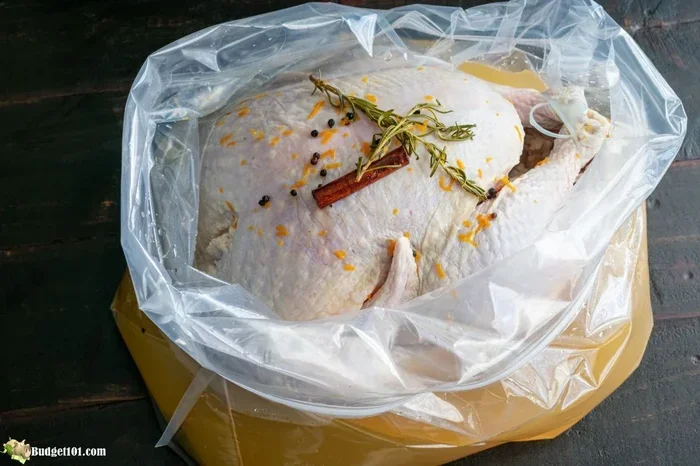
Once your brine is cool, it is time to assemble everything. Place your turkey inside the oven bag. Pour the cooled brine over the turkey, making sure it is fully submerged. Add your aromatics like bay leaves, garlic, and peppercorns directly into the bag. Seal the oven bag according to the package instructions, leaving a small opening for steam to escape.
Step 4: Refrigerate and Wait
Place the sealed oven bag with the turkey into a large container or roasting pan. Put it in the refrigerator and let it brine for 12 to 24 hours. The longer the turkey sits in the brine, the more flavorful and juicy it will become. If you are short on time, even 8 hours will make a noticeable difference.
Quick Tip: If your refrigerator is too small for the bag, you can place it in a cooler with ice. Just make sure the temperature stays below 40 degrees Fahrenheit for food safety.
Step 5: Remove, Rinse, and Roast
After brining, remove the turkey from the bag and discard the brine. Rinse the turkey thoroughly under cold water, both inside and out. Pat it dry with paper towels. Now you are ready to roast. You can season the outside with your favorite herbs and place the turkey directly into a roasting pan or back into a fresh oven bag for cooking.
Oven Temperature and Cooking Time
Getting the temperature right is crucial for a perfectly cooked turkey. Most experts recommend roasting at 325 degrees Fahrenheit. This low and slow approach ensures the turkey cooks evenly without drying out.
How Long to Cook a Brined Turkey
Cooking time depends on the size of your bird. As a general rule, plan for about 13 minutes per pound at 325 degrees Fahrenheit. So a 14-pound turkey would take roughly 3 hours. Always use a meat thermometer to check for doneness. The internal temperature should reach 165 degrees Fahrenheit in the thickest part of the thigh.
Some cooks like to start the turkey at a higher temperature for the first 30 minutes to get a nice golden brown skin. Then they reduce the heat to 325 degrees for the remainder of cooking. This technique works well with oven bags because the bag helps maintain consistent moisture throughout.
Turkey Size and Cooking Time Reference
- 8 to 10 pounds: About 2.5 to 3 hours
- 12 to 14 pounds: About 3 to 3.5 hours
- 16 to 18 pounds: About 3.5 to 4 hours
- 20 to 22 pounds: About 4 to 4.5 hours
Keep in mind that these times are approximate. Always rely on your meat thermometer for accuracy. Just as timing matters with other dishes, like how long potatoes take to cook in the oven, every bird is a little different based on its size and shape.
Common Mistakes to Avoid
Even experienced cooks make mistakes when brining and roasting turkey. Here are some pitfalls to watch out for.
Using Too Much Salt
More salt does not mean better brine. Too much salt can make your turkey taste overly salty and even change the texture of the meat. Stick to the recommended ratio of 1 cup of kosher salt per gallon of water. If you are unsure, it is better to brine for a shorter time with less salt than to overdo it.
Skipping the Rinse
After removing the turkey from the brine, always rinse it thoroughly. Residual salt on the surface can lead to an unpleasant taste. Some people forget this step and end up with a turkey that is salty on the outside but bland in the center.
Not Drying the Turkey Before Roasting
A wet turkey skin will not get crispy in the oven. After rinsing, pat the turkey completely dry with paper towels. For even crispier skin, you can leave the turkey uncovered in the refrigerator for a few hours before roasting. This lets the surface dry out, which leads to a beautiful golden-brown finish.
Overfilling the Oven Bag
Oven bags need room for steam to circulate. If you stuff the bag too tightly, it can tear during cooking. Leave at least 6 inches of space at the top of the bag. Also, make sure to poke a few small holes in the bag to allow steam to escape safely.
Forgetting Food Safety
Raw turkey should never sit at room temperature for more than two hours. Always keep your brining turkey refrigerated. If you are using a cooler method, monitor the ice and make sure the temperature stays in the safe zone below 40 degrees Fahrenheit.
Expert Tips for the Juiciest Brined Turkey
Want to take your oven bag turkey to the next level? Here are some expert-approved tips that make all the difference.
Add Aromatics Directly to the Bag
Toss whole oranges, lemon halves, onion wedges, and fresh herbs into the oven bag with the turkey. As the turkey cooks, these aromatics release their oils and infuse the meat with incredible flavor. The oven bag traps all of those fragrant compounds right around the bird.
Use the Self-Basting Feature
One of the biggest advantages of using an oven bag is the self-basting effect. As the turkey cooks, the juices collect at the bottom of the bag and baste the bird continuously. You do not need to open the oven and baste manually. This also means you avoid losing heat every time you open the oven door.
Let the Turkey Rest After Cooking
Once your turkey comes out of the oven, let it rest for at least 20 to 30 minutes before carving. This allows the juices to redistribute throughout the meat. If you carve too soon, those precious juices will run all over your cutting board instead of staying in the bird.
Save the Drippings
The juices left in the oven bag are pure gold. They make an incredible base for gravy. After removing the turkey, pour the bag contents into a fat separator or a jar and let the fat rise to the top. The resulting liquid is a rich, flavorful foundation for your Thanksgiving gravy.
Compare Oven Bags to Traditional Roasting
How does oven bag cooking stack up against traditional roasting? Here is a quick comparison:
| Factor | Oven Bag Method | Traditional Roasting |
|---|---|---|
| Moisture Retention | Excellent – bag traps steam | Good – requires basting |
| Cleanup | Very easy – bag contains all drips | Moderate – pan drips to clean |
| Cooking Time | Slightly faster | Standard time |
| Skin Crispiness | Good – may need extra drying | Excellent – direct heat exposure |
| Flavor Concentration | Very high – self-basting effect | Good – depends on basting frequency |
| Beginner-Friendly | Very easy | Requires more attention |
If you are looking for a low-effort, high-reward method, the oven bag approach wins for most home cooks. It is forgiving, simple, and produces consistently moist results.
Cleaning Up After Cooking with Oven Bags
One of the best things about using oven bags is how easy cleanup is. After you remove the turkey, simply turn the bag inside out and throw it away. Your roasting pan stays mostly clean. If any drips have escaped, a quick wipe with warm soapy water handles it. Keeping your oven clean after cooking is much simpler when you use oven bags, which is especially helpful if you also use your oven for other tasks, like checking if parchment paper is toaster oven safe or preparing other sheet pan dishes.
For those who use a toaster oven or smaller oven regularly, maintaining a clean appliance is important for performance and safety. A quick cleaning routine after each use keeps your oven in great shape for the next meal.
Frequently Asked Questions
Can You Brine a Turkey Too Long?
Yes, brining for too long can make your turkey mushy and overly salty. The ideal brining time for a whole turkey is 12 to 24 hours. If you brine for more than 24 hours, the texture of the meat can start to break down, and the saltiness can become overwhelming. Stick to the recommended time frame for the best results.
Do You Need to Poke Holes in the Oven Bag?
Yes, you should poke a few small holes in the oven bag before cooking. These holes allow steam to escape and prevent the bag from bursting. They also help circulate heat evenly around the turkey. Most oven bag instructions recommend 4 to 6 small holes near the top of the bag.
Can You Reuse the Brine?
No, you should never reuse brine that has had raw turkey in it. The brine becomes contaminated with raw meat juices, which poses a serious food safety risk. Always discard the brine after removing the turkey and never use it for anything else.
Is It Better to Brine in the Oven Bag or in a Separate Container?
You can brine in either way, but brining directly in the oven bag is more convenient. It reduces the number of dishes you need and keeps everything contained. However, make sure the bag is large enough to hold the turkey and the full brine solution comfortably.
Can You Use a Regular Plastic Bag Instead of an Oven Bag?
Absolutely not. Regular plastic bags are not designed to withstand oven temperatures and can melt or release harmful chemicals. Always use bags that are specifically labeled as oven-safe and approved for cooking. Check the packaging for temperature ratings before using any bag in the oven.
What Is the Best Oven Temperature for a Brined Turkey in an Oven Bag?
325 degrees Fahrenheit is the recommended temperature for roasting a brined turkey in an oven bag. This moderate heat allows the turkey to cook evenly and stay moist. If you prefer crispier skin, you can increase the temperature to 350 degrees for the last 30 minutes of cooking, but keep an eye on it to prevent burning.
Conclusion
Brining a turkey in an oven bag is one of the simplest and most effective ways to achieve juicy, flavorful results. Whether you are a Thanksgiving beginner or a seasoned cook looking for an easier method, this technique delivers. The oven bag traps moisture, locks in flavor, and makes cleanup a breeze. With the right brine, proper timing, and a steady oven temperature, you will have a show-stopping turkey that your whole family will love.
Give it a try at your next gathering. Once you see how easy and rewarding it is, you might never go back to traditional roasting. Happy cooking, and here is to a perfectly juicy turkey every single time.