Can You Put Aluminum Foil In The Microwave Oven Safely
Yes, you can put aluminum foil in the microwave, but only under specific conditions. Using foil improperly causes sparking, fires, and damage to your appliance. Always follow microwave-safe guidelines and keep foil smooth and away from walls. Understanding foil behavior in microwaves keeps your kitchen safe.
You are standing in your kitchen, ready to reheat last night’s dinner. The recipe says to cover the dish with aluminum foil. But then a question hits you. Can you put aluminum foil in the microwave oven safely? This is one of those kitchen questions that sparks debate. Some people say foil in the microwave is a fire hazard. Others say it works perfectly fine. The truth lies somewhere in between. Using aluminum foil in a microwave is safe, but only when you follow the right rules.
Many of us use microwaves every single day without thinking twice. We toss containers, wraps, and covers into the appliance without a second thought. But when it comes to metal, things change. Microwaves and metal do not always mix well. Understanding how your microwave works with foil can save you from a kitchen disaster. This guide walks you through everything you need to know. We cover safety tips, risks, correct usage, and common mistakes. By the end, you will feel confident about using foil in your microwave the right way.
If you have ever wondered about microwave safety rules, you are not alone. This topic comes up in kitchens everywhere. People want to know what is safe and what is not. Let us break it down simply and clearly.
Key Takeaways
- Small amounts of smooth foil are safe: The USDA confirms that foil can be used in microwaves if done correctly.
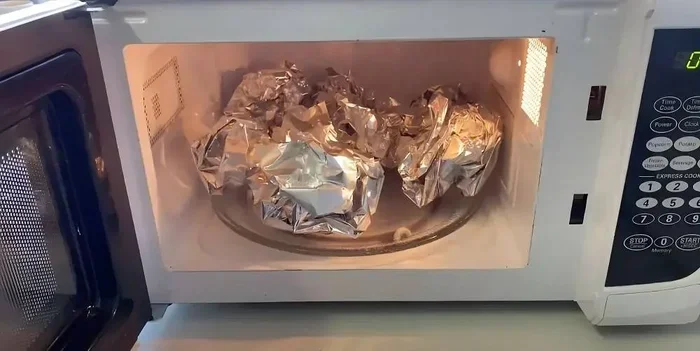
- Never crumple foil: Crinkled foil creates sharp edges that cause sparking and arcing inside the microwave.
- Keep foil away from walls and the ceiling: Metal touching microwave walls causes dangerous electrical discharges.
- Use new foil only: Old, damaged foil with tears or sharp edges increases fire risk significantly.
- Cover no more than 25% of food: Over-foiling blocks microwaves and causes uneven cooking or damage.
- Always monitor food while microwaving with foil: Never leave foil-covered food unattended in the microwave.
- Know when to avoid foil entirely: Certain foods and microwave types make foil use dangerous or unnecessary.
📑 Table of Contents
- Why Does Aluminum Foil React in a Microwave?
- Can You Put Aluminum Foil in the Microwave Oven Safely?
- Rules for Using Aluminum Foil in the Microwave
- What Happens When You Put Foil in the Microwave Wrong?
- Safe Alternatives to Aluminum Foil in the Microwave
- Common Mistakes People Make with Foil in the Microwave
- Expert Tips for Using Aluminum Foil in the Microwave
- Frequently Asked Questions
- Final Thoughts
Why Does Aluminum Foil React in a Microwave?
How Microwaves Heat Food
A microwave oven uses electromagnetic waves to heat food. These waves bounce around inside the oven cavity. They hit water molecules in your food. This creates friction and heat. Simple enough, right? But here is where foil comes into the picture. Microwaves cannot pass through metal. When waves hit aluminum foil, they bounce off. This creates a conflict inside the oven.
Think of it like throwing a tennis ball at a wall. The ball bounces back. Now imagine throwing many balls at once. That is what happens inside your microwave. The waves hit the foil and reflect back. This can cause uneven heating. In worse cases, it causes sparks. Understanding this basic science helps you see why foil rules exist.
The Science Behind Sparks and Arcing
When microwaves hit a smooth piece of foil, they generally bounce off harmlessly. But when the foil has crinkles, wrinkles, or sharp edges, the energy concentrates at those points. This concentration of energy creates heat. That heat can ignite the foil. The sparks you see are called arcing. Arcing happens when electrical current jumps across a gap. Sharp foil edges act like tiny lightning rods inside your microwave.
This is why smooth foil behaves differently than crumpled foil. The shape matters more than most people realize. A flat piece of foil with rounded edges is much safer than a ball of crinkled foil. This is a key point many people miss. Your foil shape directly affects microwave safety.
Can You Put Aluminum Foil in the Microwave Oven Safely?
When Foil Is Safe to Use
The short answer is yes. You can use aluminum foil in the microwave under certain conditions. The USDA and microwave manufacturers agree on a few key rules. First, the foil must be smooth. No crinkles, no wrinkles, no sharp edges. Second, the foil must not touch the walls of the microwave. Third, you should only cover a small portion of the food. These simple rules make foil use safe and effective.
Many microwave recipes actually call for foil. Some casseroles need foil draped loosely over the top. This helps prevent overcooking while the center finishes heating. Using foil this way is perfectly safe as long as you follow the guidelines. You are not doing anything wrong by using foil. You just need to do it the right way.
When Foil Is Dangerous in the Microwave
There are clear situations where foil in the microwave becomes dangerous. Crumpled foil is the biggest culprit. When you ball up foil or twist it, sharp points form. These points concentrate microwave energy. Sparks fly almost immediately. This can damage your microwave or start a fire.
Another dangerous situation is covering the entire dish with foil. This blocks microwaves from reaching the food. The energy has nowhere to go. It reflects back into the microwave magnetron. This can damage the appliance. Never fully wrap food in foil for microwaving.
Using foil with certain foods also poses risks. Foods with high sugar content can heat up rapidly on foil. This creates hot spots that can ignite the foil. Always be cautious with sugary or fatty foods under foil.
Rules for Using Aluminum Foil in the Microwave
Use Only Small Amounts
The golden rule is less is more. Use only small pieces of foil. Never cover more than one-quarter of your food with foil. This allows microwaves to reach most of the food while protecting specific areas from overcooking. Think of foil as a shield, not a blanket.
For example, if you are reheating a chicken drumstick, you might wrap just the thin parts with foil. This prevents those parts from drying out while the thicker parts cook through. This targeted use of foil is both safe and effective.
Keep Foil Smooth and Shaped Properly
Smooth foil is your best friend. Before placing foil in the microwave, check it carefully. Run your fingers over the surface. Feel for any sharp edges or crinkles. If you find any, smooth them out or use a new piece. The smoother the foil, the safer it is.
Shape matters too. Fold foil into loose shapes rather than tight creases. Rounded edges are always better than sharp corners. If you need to cover a dish, drape the foil loosely over the top. Do not press it down tightly against the food. Leave space between the foil and the food surface. This gap allows microwaves to circulate properly.
Maintain Proper Distance from Microwave Walls
Foil should never touch the interior walls of the microwave. Always keep at least one inch of space between the foil and any metal surface inside the oven. This prevents electrical discharge and sparking.
This rule applies to the turntable area as well. If your microwave has a metal turntable or metal racks, keep foil away from those too. Metal touching metal inside a microwave is a recipe for disaster.
Never Use Foil with Certain Microwave Types
Not all microwaves handle foil the same way. Convection microwaves, for example, have different cooking mechanisms. Some convection microwaves actually allow foil use during convection-only mode. But in microwave-only mode, the same rules apply. Always check your microwave manual before using foil.
If you own a toaster oven or convection oven, foil rules may differ slightly. However, the basic principle remains the same. Smooth foil, no contact with walls, and careful monitoring keep things safe. When in doubt, consult your appliance manual or the manufacturer.
What Happens When You Put Foil in the Microwave Wrong?
Sparks and Arcing
The most common result of incorrect foil use is sparking. You will see bright flashes inside the microwave. This is arcing in action. The sparks jump from the sharp edges of the foil to the microwave walls or other metal components. It looks dramatic and is very dangerous.
If you see sparks, turn off the microwave immediately. Unplug it if you can safely do so. Do not open the door right away. Wait a moment for the sparks to stop. Then carefully remove the foil. Inspect the microwave interior for any damage. If the walls or ceiling show burn marks, do not use the appliance until it is checked by a professional.
Fire Hazards
In severe cases, foil can cause a fire inside the microwave. This is rare but very serious. Foil can ignite if it overheats. Once on fire, the flames can spread to food or other materials inside the oven. Never try to fight a microwave fire with water.
If a fire starts, turn off the microwave and unplug it. Keep the door closed. The lack of oxygen will eventually extinguish the flames. Call emergency services if needed. Your safety always comes first.
Damage to the Microwave
Even if no fire occurs, incorrect foil use can damage your microwave. The magnetron, which generates microwaves, can be harmed by reflected energy. A damaged magnetron means a broken microwave. Repair costs can be high. Sometimes it is more economical to replace the entire unit.
This is why following foil rules matters so much. A few minutes of care can save you hundreds of dollars in repairs. Your microwave is an investment. Treat it with respect.
Safe Alternatives to Aluminum Foil in the Microwave
Paper Towels and Microwave-Safe Covers
Not sure about foil? Paper towels make a great alternative. They cover food, absorb steam, and prevent splatters. Paper towels are microwave-safe and very convenient. Just make sure the paper towel is plain and does not have printed designs or recycled content that could leach chemicals.
Microwave-safe plastic covers and silicone lids are also excellent options. These reusable covers fit most bowls and plates. They let steam escape while keeping splatters contained. They are safer than foil for most microwave tasks.
Parchment Paper and Microwave-Safe Containers
Parchment paper works well in the microwave for many tasks. It can line plates, cover dishes, or wrap food loosely. Just like with foil, keep parchment paper away from the microwave walls. If you are curious about parchment paper safety, check out our guide on is parchment paper toaster oven safe for more details.
Glass and ceramic microwave-safe containers are the gold standard. They heat evenly, do not cause sparking, and are easy to clean. If you have ever wondered about plates in the oven, our article on can I put a plate in the oven covers oven-safe dishware in detail.
Common Mistakes People Make with Foil in the Microwave
Using Crumpled or Old Foil
This is the number one mistake people make. They grab a piece of foil, crumple it up, and toss it in the microwave. Maybe they smooth it out a bit before placing it on food. But those tiny crinkles create sharp edges. These edges are sparking hazards.
Old foil is even worse. Over time, foil develops thin spots, tears, and rough edges. These imperfections concentrate microwave energy. Always use fresh, smooth foil for microwave use.
Covering Too Much Food
Another common mistake is covering the entire dish with foil. People think this helps food heat faster. In reality, it does the opposite. Foil blocks microwaves from penetrating the food. The result is cold spots and uneven heating. Less is always more when it comes to foil in the microwave.
Ignoring Microwave Wattage
Not all microwaves are created equal. A high-wattage microwave heats food faster and more aggressively. Foil in a 1200-watt microwave behaves differently than foil in a 700-watt microwave. Higher wattage increases the risk of sparking.
If you have a powerful microwave, be extra cautious with foil. Use smaller pieces and monitor food closely. Know your appliance and adjust your foil use accordingly.
Expert Tips for Using Aluminum Foil in the Microwave
Test Before You Commit
When trying foil in the microwave for the first time, start small. Use a tiny piece of foil and microwave for just a few seconds. Watch closely for any sparking. If everything looks fine, you can gradually increase the amount. This cautious approach keeps you safe while building confidence.
Shape Foil Loosely
When covering food, create a tent shape with the foil. Drape it loosely so it does not touch the food directly. This allows steam to escape and microwaves to penetrate. A loose tent shape is the safest and most effective foil configuration.
Use Foil to Protect Delicate Foods
Foil shines when used to protect thin or delicate parts of food. Chicken wings, for example, can burn easily. Wrapping just the wing tips in foil prevents them from drying out. This targeted protection is where foil truly excels in the microwave.
Clean Up Immediately After Use
If you use foil in the microwave, remove it promptly after cooking. Leftover foil sitting inside the microwave can cause issues during future use. Dispose of used foil properly and wipe down the interior.
Keeping your microwave clean extends its lifespan. If you own a Hamilton Beach toaster oven or similar appliance, regular cleaning prevents buildup and ensures safe operation.
Frequently Asked Questions
Can I put aluminum foil in the microwave if it is smooth?
Yes, smooth aluminum foil can be used in the microwave safely. The key is to keep it smooth with no crinkles or sharp edges. Use only small amounts and keep it away from the microwave walls. Always monitor the food while it heats.
Why does aluminum foil spark in the microwave?
Foil sparks because sharp edges and crinkles concentrate microwave energy at those points. The concentrated energy creates heat and electrical discharge, which you see as sparks or arcs. This is why smooth, flat foil is much safer than crumpled foil.
Is it safe to reheat food covered with foil in the microwave?
It is safe when done correctly. Use a small piece of smooth foil to cover only part of the food. Leave gaps for steam to escape. Do not cover the entire dish. Always watch the food while it reheats and stop immediately if you see sparks.
Can you put aluminum foil in the microwave oven if it is folded?
Avoid folded foil in the microwave. Folds create sharp edges and creases where energy concentrates. If you need to use foil, shape it loosely without tight folds. A smooth, rounded shape works much better and reduces sparking risk significantly.
What should I do if foil catches fire in the microwave?
Turn off the microwave immediately and unplug it if possible. Keep the door closed to cut off oxygen. Do not open the door or spray water on the fire. Wait for the flames to extinguish, then call emergency services if needed. Always prioritize your safety above all else.
Are there any foods that should never be covered with foil in the microwave?
Foods with high sugar or fat content can heat up too quickly on foil and cause ignition. Avoid using foil with chocolate, sugary sauces, and very fatty meats in the microwave. Stick to using foil only for protecting thin or delicate parts of food from overcooking.
Final Thoughts
Can you put aluminum foil in the microwave oven safely? The answer is a clear yes, with important caveats. Smooth foil, small amounts, proper distance from walls, and constant monitoring make foil use perfectly safe in the microwave. Understanding these rules empowers you to cook with confidence.
Avoid crumpled foil, never cover the entire dish, and always know your microwave’s wattage. These simple habits protect both you and your appliance. Microwave safety is not complicated. It just requires awareness and a little care.
Next time your recipe calls for foil, do not panic. Reach for the foil with confidence. Smooth it out, shape it loosely, and place it carefully. You now have the knowledge to use aluminum foil in the microwave safely and effectively. Share these tips with friends and family. A little knowledge goes a long way in keeping kitchens safe and meals delicious.
Remember, the microwave is a powerful tool. Treat it with respect, follow the guidelines, and it will serve you well for years to come. Stay safe, stay informed, and enjoy your perfectly heated meals.