Do You Broil In The Bottom Of The Oven Here Is The Truth
Many home cooks wonder whether broiling happens at the top or bottom of the oven. The truth is simple: most ovens broil from the top element, but some models offer a bottom broil function. Understanding your oven’s broil setting helps you cook food evenly, avoid burnt meals, and get that perfect golden crust on meats and vegetables.
Have you ever stood in front of your oven wondering where the broil heat actually comes from? You are not alone. broiling in the oven confuses a lot of people, especially when you look at the different settings and rack positions available.
The short answer is that most ovens broil from the top element. But there is more to it than that. Some ovens do offer a bottom broil function, and knowing the difference can completely change your cooking results. In this guide, we will walk you through everything you need to know about broiling in the bottom of the oven and why it matters for your meals.
Whether you are new to cooking or a seasoned home chef, understanding your oven’s broil function helps you get better results. Let us break it all down in simple, easy-to-follow steps.
Key Takeaways
- Top Broiling Is Standard: Most ovens use the top heating element for broiling, delivering intense direct heat from above.
- Bottom Broil Exists On Some Models: Certain ovens and toaster ovens include a bottom broil option for specific cooking needs.
- Rack Position Matters: Placing your rack in the correct position ensures even cooking and prevents burning.
- Broiling Differs From Baking: Broil uses high direct heat while baking uses indirect, surrounding heat for slower cooking.
- Safety First: Always use a broiler pan and stay near the oven while broiling to prevent flare-ups.
- Not All Dishes Suit Broiling: Delicate foods and items with high moisture content may not broil well.
- Cleaning After Broiling Is Essential: Grease and food debris from broiling can build up and affect oven performance.
📑 Table of Contents
- What Does It Mean To Broil In The Oven
- Where Is The Broiler Located In Your Oven
- Can You Broil From The Bottom Of The Oven
- How To Broil Properly For Best Results
- Common Broiling Mistakes And How To Avoid Them
- Broiling In Different Types Of Ovens
- Quick Tips For Perfect Broiling Every Time
- How Broiling Compares To Other Cooking Methods
- Final Thoughts On Broiling In The Bottom Of The Oven
What Does It Mean To Broil In The Oven
Broiling is a cooking method that uses direct, high heat to cook food quickly. Think of it like grilling, but inside your oven instead of on an outdoor barbecue. The heat source sits above the food, which creates a intense sear on the surface.
When you use the broil setting, your oven switches to its highest temperature. Most broilers reach between 500°F and 550°F. This extreme heat browns and caramelizes the top of your food fast. It is perfect for finishing steaks, melting cheese, or getting crispy edges on casseroles.
Now, here is where it gets interesting. Not all ovens work the same way. The position of the heating element determines how your food cooks. Let us look at the different broil setups you might encounter.
How Standard Ovens Broil
In most traditional ovens, the upper heating element handles broiling. When you select broil mode, only the top element turns on. The bottom element stays off completely. This design sends intense heat straight down onto your food.
This is why rack position is so important. You want your food close to the top element for maximum heat. But you also need enough clearance so the food does not burn. A good rule of thumb is to keep your food about 4 to 6 inches from the top element.
Ovens With A Bottom Broil Element
Some ovens, especially certain convection ovens and toaster oven models, include a bottom broil option. This is less common but still useful. A bottom broil element heats from below, which can help with even cooking on thicker foods.
However, bottom broiling is not the same as regular baking. The heat is still much more intense than a standard bake cycle. It just comes from a different direction. If your oven has this feature, check your manual to understand how it works.
For example, if you are baking brie in the oven, you might choose a top broil for a quick golden finish. But if you are using a model with bottom broil, you could get more even heat distribution through the cheese.
Where Is The Broiler Located In Your Oven
Finding the broiler in your oven is easier than you might think. In most cases, you can see the heating element at the top of the oven cavity. It usually looks like a metal bar or tube running along the ceiling of the oven.
Some older ovens have the broiler element hidden behind a metal panel at the top. You might need to remove the panel to see it. In other models, especially wall ovens, the broiler is clearly visible once you open the door.
But what about the bottom? The bottom heating element in most ovens is used for baking, not broiling. When you bake, both the top and bottom elements work together to create even, surrounding heat. Broiling only uses one element at full power.
Here is a quick comparison to help you understand the difference:
- Top Element Only: This is your broil setting. Heat comes from above for direct, intense cooking.
- Bottom Element Only: Some ovens use this for a bottom broil function or for keeping food warm.
- Both Elements: This is your bake setting. Heat surrounds the food for even cooking at lower temperatures.
- Fan + Elements: This is convection mode. A fan circulates hot air for faster, more even cooking.
If you are unsure which element your oven uses for broiling, check the oven control panel. Most ovens label the broil setting clearly. If you still cannot tell, your owner’s manual will have the answer.
Can You Broil From The Bottom Of The Oven
This is the question that brings most people here. The truth is, it depends on your oven. Most standard ovens do not broil from the bottom. The broil function is designed to work with the top element only.
However, some oven models do include a bottom broil feature. These are often found in higher-end ranges or certain toaster oven models. A bottom broil can be useful for cooking foods that need heat from below, like pizza or flatbreads.
If you want to cook potatoes in the oven with a crispy bottom, you might be tempted to use the bottom broil. But in most cases, simply placing your potatoes on the top rack and using the standard top broil works just as well.
Why Most Ovens Broil From The Top
The design of the oven makes top broiling the standard. Heat naturally rises, so placing the broil element at the top makes sense. The hot air flows down over the food, creating that signature sear and caramelization.
Top broiling also gives you better control. When you watch your food through the oven window, you can see the browning happening in real time. This makes it easier to prevent burning and achieve the perfect level of crispness.
When Bottom Broiling Makes Sense
There are a few situations where bottom broiling is helpful. If you are cooking something very thick, heat from below can help cook the center more evenly. Some people also prefer bottom broiling for foods that need a crispy base, like frozen pizzas or oven-baked sandwiches.
That said, bottom broiling requires careful monitoring. Because the heat comes from below, the bottom of your food can burn quickly if you are not paying attention. Always stay near the oven when using any broil setting.
And if you are ever worried about what cookware is safe, remember that you can safely put a plate in the oven as long as it is oven-safe and rated for high temperatures. Broiling generates extreme heat, so only use cookware that can handle it.
How To Broil Properly For Best Results
Now that you understand where the broil heat comes from, let us talk about how to actually use it. Broiling is simple, but a few tips can make a big difference in your results.
Step By Step Broiling Guide
- Preheat the broiler: Turn your oven to broil and let it heat for 5 to 10 minutes. This ensures the element is fully hot before your food goes in.
- Position the rack: Place your oven rack about 4 to 6 inches below the top element. This is the sweet spot for most broiling tasks.
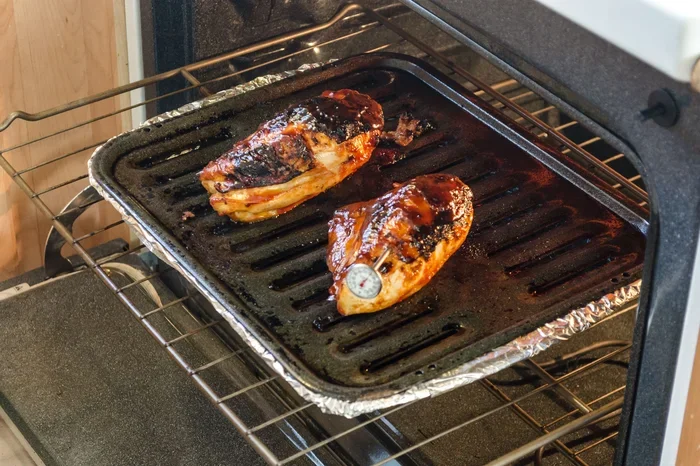
- Use a broiler pan: A broiler pan elevates your food and allows grease to drip away. This prevents flare-ups and helps food cook evenly.
- Watch your food closely: Broiling happens fast. Check your food every few minutes to prevent burning.
- Flip halfway through: For thicker items like steaks or chicken breasts, flip them halfway to cook both sides evenly.
- Let food rest: After broiling, give your food a few minutes to rest before cutting. This keeps the juices inside.
Best Foods To Broil
Not every dish benefits from broiling. Here are some foods that work great under the broiler:
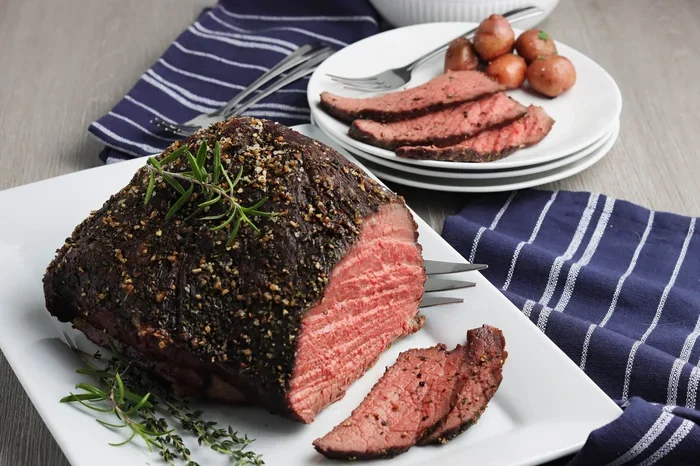
- Steaks and chops: Broiling gives a beautiful crust on thick cuts of meat.
- Chicken breasts: A quick broil finishes off roasted chicken with crispy skin.
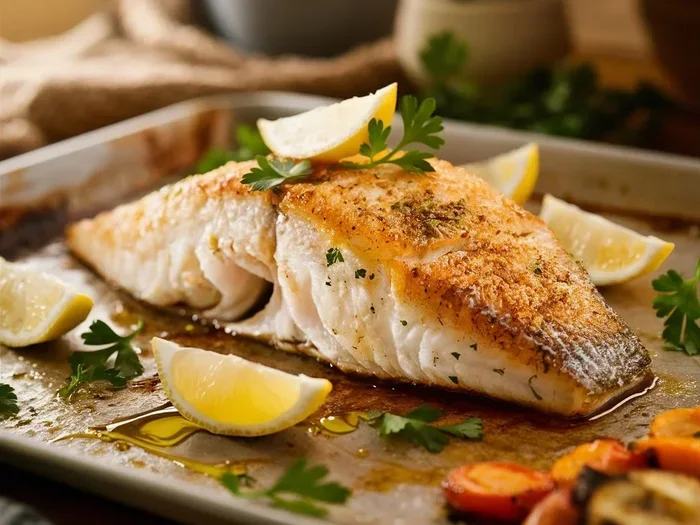
- Salmon and fish fillets: Broiling cooks fish fast and adds a nice char.
- Vegetables: Broiled asparagus, broccoli, and bell peppers develop amazing flavor.
- Grilled cheese sandwiches: A broiler melts cheese perfectly and crisps the bread.
- Casseroles and gratins: A final broil creates a golden, bubbly top layer.
If you enjoy broiling meats, you might also want to try cooking Omaha steak burgers in the oven using a combination of bake and broil settings for the best results.
Foods To Avoid Broiling
Some foods simply do not work well under the broiler. Avoid broiling items that are very thin, as they can burn in seconds. Also, skip broiling foods with a lot of sauce, as the sugar in sauces can caramelize too quickly and turn bitter.
Common Broiling Mistakes And How To Avoid Them
Even experienced cooks make mistakes when broiling. Here are the most common errors and how to fix them.
Placing The Rack Too Far From The Element
If your rack is too low, your food will not get enough direct heat. The result is food that steams instead of browning. Move the rack closer to the top element, but always leave at least 4 inches of space to prevent burning.
Leaving The Oven Door Fully Open
Some people leave the oven door wide open while broiling. This is a mistake on most ovens. The oven door should stay slightly ajar to allow heat to escape. A fully open door can cause the broiler to overheat and shut off automatically.
Not Preheating The Broiler
Skipping the preheat step leads to uneven cooking. Give your broiler 5 to 10 minutes to reach full temperature before adding food. Your patience will be rewarded with better browning and flavor.
Using The Wrong Pan
Do not use glass, plastic, or regular baking sheets in the broiler. These materials can warp, melt, or even shatter under extreme heat. Stick to metal broiler pans, cast iron skillets, or oven-safe metal trays.
Broiling In Different Types Of Ovens
Not all ovens are created equal. The type of oven you have affects how broiling works. Let us look at the most common types.
Standard Electric Ovens
Most electric ovens have a top broil element and a bottom bake element. Broiling uses only the top element. These ovens are reliable and straightforward to use for broiling tasks.
Gas Ovens
Gas ovens typically have a broil element at the top, just like electric models. The broil setting ignites the top element to produce high heat. Gas ovens are known for their even heat distribution, which can make broiling more consistent.
Convection Ovens
Convection ovens use a fan to circulate hot air. Some convection ovens offer a convection broil setting. This combines the top broil element with the fan for faster, more even cooking. Convection broiling is excellent for cooking multiple items at once.
Toaster Ovens
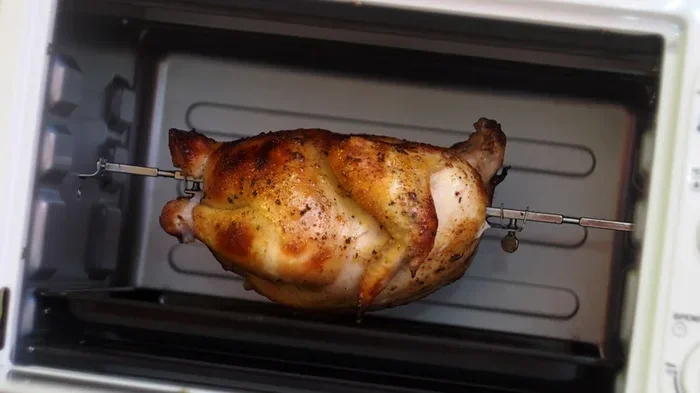
Many toaster ovens come with a broil function. These compact ovens usually have the broil element at the top. When using a toaster oven for broiling, keep a close eye on your food because the smaller cavity heats up faster.
If you need to clean your toaster oven after broiling, you can learn how to clean your Hamilton Beach toaster oven effectively to keep it in top shape.
Wall Ovens Vs. Range Ovens
Wall ovens are built into the kitchen cabinetry and often have more precise temperature controls. Range ovens sit on top of a cooktop and may have slightly different broil settings. Both types work well for broiling, but wall ovens tend to offer more even heat distribution.
Quick Tips For Perfect Broiling Every Time
Want to level up your broiling game? Here are some quick tips that make a real difference:
- Line your broiler pan with foil: This makes cleanup a breeze and prevents grease from smoking.
- Cut food into even pieces: Uniform sizes ensure everything cooks at the same rate.
- Pat food dry before broiling: Moisture creates steam, which prevents browning. Dry surfaces brown better.
- Season generously: The high heat of broiling can wash out subtle flavors. Use a little extra salt and pepper.
- Use the oven light and window: Watch your food closely without opening the door and losing heat.
- Keep a spray bottle of water nearby: If grease flares up, a quick spray can prevent a fire.
- Experiment with rack positions: Moving the rack up or down by just one level can change your results dramatically.
How Broiling Compares To Other Cooking Methods
Understanding how broiling fits into the bigger picture of oven cooking helps you choose the right method for each meal.
| Method | Heat Source | Temperature | Best For |
|---|---|---|---|
| Broiling | Top element only | 500°F – 550°F | Browning, searing, finishing |
| Baking | Top and bottom elements | 300°F – 450°F | Cakes, bread, casseroles |
| Roasting | Top and bottom elements | 350°F – 425°F | Meats, vegetables, whole chickens |
| Toasting | Top and bottom elements | 350°F – 400°F | Bread, bagels, tortillas |
| Convection Bake | Elements + fan | 250°F – 400°F | Even cooking, multiple dishes |
As you can see, broiling is all about high, direct heat from above. It is not meant to replace baking or roasting. Instead, it is a finishing tool that adds texture and flavor to your dishes.
When you are planning your next meal, think about whether broiling fits the dish. If you want a crispy top on a casserole or a perfect sear on a steak, broiling is your go-to method. But for slower, even cooking, stick with bake or roast settings.
Final Thoughts On Broiling In The Bottom Of The Oven
So, do you broil in the bottom of the oven? For most ovens, the answer is no. The broil function uses the top element to deliver intense, direct heat from above. This is by design and works well for most cooking tasks.
However, some ovens do feature a bottom broil element. If you have this type of oven, you have an extra tool in your kitchen that can help with specific recipes. Just remember to monitor your food closely and adjust your cooking times accordingly.
The most important thing is to understand your specific oven. Read the manual, experiment with different rack positions, and pay attention to how your food responds. Over time, you will develop an instinct for when to use broil and how to get the best results.
Broiling is a simple but powerful cooking technique. Once you master it, you will use it all the time. It adds a restaurant-quality finish to home-cooked meals and takes your dishes to the next level. So go ahead, fire up your broiler, and start cooking with confidence.
Remember, whether you are finishing a steak, browning a casserole, or making crispy vegetables, the broil function is one of the most versatile tools in your oven. Use it well, and your meals will never be the same.
Frequently Asked Questions
Can you broil in the bottom of a standard oven?
No, most standard ovens broil using only the top heating element. The bottom element is used for baking, not broiling. If your oven has a bottom broil function, it will be clearly marked on the control panel.
What is the difference between broiling and baking in an oven?
Broiling uses high direct heat from the top element, while baking uses indirect heat from both the top and bottom elements. Broiling cooks food faster and creates a crispy, browned surface, whereas baking cooks food more evenly at lower temperatures.
How close should food be to the broiler element?
Food should be placed about 4 to 6 inches from the top broiler element. This distance allows for even browning without burning. Adjust the rack position based on how quickly your food cooks.
Is it safe to leave the oven door open while broiling?
You should leave the oven door slightly ajar while broiling, not fully open. A slightly open door allows heat and steam to escape, which prevents the oven from overheating. However, always check your oven manual for specific guidance.
Can you use a regular baking sheet for broiling?
It is best to use a broiler pan or a cast iron skillet for broiling. Regular baking sheets can warp under extreme heat, and grease can pool and cause smoke. Always use oven-safe metal cookware when broiling.
Why does my broiler not heat up?
If your broiler is not heating, the top heating element may be faulty. Check that the oven is set to broil mode and that the correct rack position is used. If the element still does not glow or heat, you may need to replace it or contact a professional for repair.
=== CONCLUSION ===
Broiling in the bottom of the oven is not the standard for most cooking appliances. The broil function is designed to work with the top element, delivering intense direct heat from above. Understanding this simple fact transforms the way you cook and helps you avoid common kitchen mistakes.
Now that you know the truth about broiling, you can use your oven with more confidence. Try different rack positions, experiment with various foods, and enjoy the delicious results that broiling can bring to your kitchen.