How To Clean Oven Glass Door With Simple Household Items
The oven glass door can collect grease and grime fast, but you don’t need harsh chemicals to restore it. This guide shows you how to clean oven glass door using everyday household items like baking soda, white vinegar, and dish soap. You’ll learn safe, effective methods that save money and keep your oven sparkling.
Key Takeaways
- Baking soda paste is the top choice for cutting through baked-on grease on oven glass.
- A mix of white vinegar and water removes light haze and water spots without streaks.
- Always use a non-abrasive sponge or microfiber cloth to avoid scratching the glass.
- Regular wipe-downs after use prevent heavy buildup and make deep cleaning easier.
- Avoid abrasive scrubbers and steel wool, which can permanently damage the glass surface.
- Steam cleaning can loosen stubborn grime before you apply any paste.
📑 Table of Contents
Why Oven Glass Doors Get So Dirty
Every time you roast, bake, or broil, tiny grease particles become airborne. They settle on the glass door and stick. Over time, this layer turns into a sticky, yellowish film. The heat of the oven bakes the grease onto the surface, making it hard to remove. Oven glass cleaning is essential not just for looks, but for safety. A dirty door can block your view of the food, leading to overcooking or spills.
The good news is that you don’t need expensive store-bought sprays. Most of what you need is already in your kitchen pantry. With the right household oven cleaner substitutes, you can bring back the clarity of your glass in under an hour.
The Science Behind Grease Buildup
Grease is made of fats and oils. When these molecules hit a hot glass surface, they oxidize and polymerize. That means they turn into a hard, plastic-like coating. This is why simple wiping doesn’t work after a few weeks. You need a cleaning agent that can break down that polymerized fat. Baking soda and vinegar are perfect for this job because they react chemically with the grease.
Common Culprits In Every Kitchen
Several habits speed up the dirtiness of your oven glass. Frequent broiling of fatty meats leaves splatter. Parchment paper can sometimes smoke and leave a residue. Even boiling liquids like pasta water can create steam that carries grease particles upward. Understanding these triggers helps you adopt preventive habits later.
Household Items That Work Wonders
You probably already own everything you need for oven glass cleaning. Here are the most effective household items and why they work.
Baking Soda: The Heavy Lifter
Baking soda is a mild alkali. It dissolves grease and breaks down organic stains without scratching. When mixed with water, it forms a thick paste that clings to vertical glass surfaces. This paste is the backbone of most DIY oven cleaner recipes. It’s safe, non-toxic, and gentle on the environment.
White Vinegar For Light Stains
White vinegar is a natural acid. It cuts through soap scum, water spots, and light grease. When combined with baking soda, the fizzing reaction helps lift dirt from microscopic pores. This makes vinegar an excellent final rinse or standalone cleaner for maintenance oven door glass care.
Dish Soap And Warm Water
A simple solution of warm water and a few drops of dish soap can handle light grime. The surfactants in dish soap break the surface tension of grease, allowing it to wipe away easily. This is your go-to method for weekly upkeep.
Lemon Juice And Steam
Lemon juice adds a natural degreasing power and a fresh scent. Boiling a pot of water with lemon slices inside the oven creates steam. The steam softens baked-on grease, making it easier to wipe off. This method is especially useful for remove baked-on grease that has been sitting for weeks.
Step-By-Step Guide To Cleaning Your Oven Glass Door
Follow this detailed process for a sparkling, streak-free finish. The method works for both standard and self-cleaning oven models, though you should never use the self-cleaning cycle just for the glass door.
Preparing The Cleaning Solution
Start by making a baking soda paste. Mix three parts baking soda with one part water. Stir until it forms a spreadable consistency, like toothpaste. If the grime is heavy, let the paste sit for a few minutes to thicken. For a lighter cleaning, mix equal parts white vinegar and warm water in a spray bottle.
Applying The Paste
Remove the oven racks first. This gives you full access to the glass. Using a soft cloth or your fingers, spread the baking soda paste evenly across the door glass. Avoid the edges where the glass meets the metal frame, as paste can get trapped there. Let the paste sit for at least 15 to 20 minutes. During this time, the alkali works to dissolve the grease.
Scrubbing And Wiping
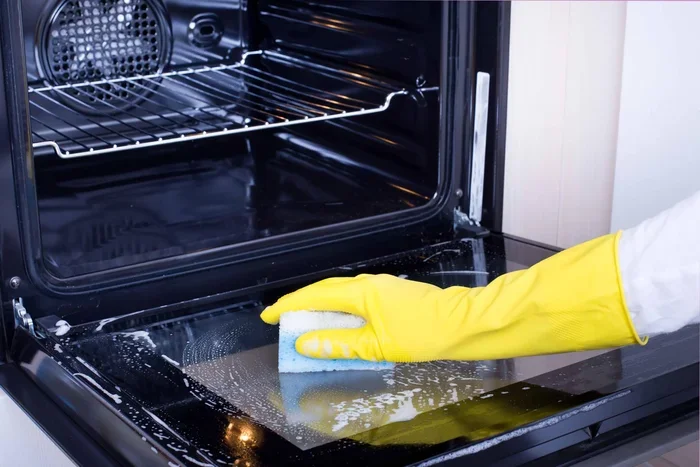
Dip a non-abrasive sponge in warm water and gently scrub the paste in circular motions. You will see the grime lift away. For tough spots, let the paste sit for another 10 minutes. Never use steel wool or abrasive pads. Once the grime is gone, wipe the door with a clean, damp cloth to remove all residue. Finally, spray the vinegar and water solution over the glass. The fizzing reaction will lift any remaining baking soda, leaving a streak-free shine.
Drying For A Perfect Finish
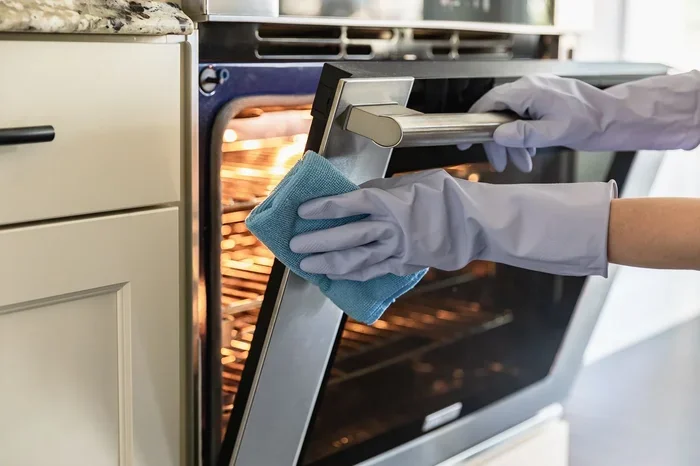
Use a dry microfiber cloth to buff the glass dry immediately. This prevents water spots from forming. A microfiber cloth is lint-free and gentle, making it the best tool for clean oven door glass without streaks.
Quick Fixes For Stubborn Baked-On Grease
Sometimes, regular cleaning isn’t enough. Here are two quick methods for heavy buildup.
The Steam Method
Boil a pot of water on the stove and place it inside the oven on the lowest rack. Close the door and let the steam work for 10 to 15 minutes. The moisture will soften the hardened grease. Remove the pot carefully, then apply your baking soda paste and wipe away the loosened grime. Before you heat up a plate to use the steam method, make sure it’s safe to put a plate in the oven by reading our guide on can I put a plate in the oven.
Using A Razor Scraper Safely
For extremely stubborn, carbonized crusts, a single-edge razor scraper can work. Hold the scraper at a 45-degree angle to the glass and gently scrape. This must be done carefully to avoid scratches. Always use a new, sharp blade. This method is a last resort and should only be used on glass, not on plastic or rubber seals.
Preventive Habits To Keep Glass Sparkling
Prevention is the easiest form of oven glass cleaning. A few small habits can save you hours of deep cleaning later.
Wipe After Every Use
After the oven cools down, give the glass door a quick wipe with a damp cloth. This removes fresh grease before it has a chance to bake on. Keep a small bowl of warm soapy water near the oven for this purpose.
Use Oven Liners And Covers
Placing a silicone oven liner on the bottom rack catches drips before they reach the glass door. You can also use a piece of aluminum foil on the rack below to catch splatter. Just make sure the foil does not touch the heating elements. For more information on safe oven accessories, check out our article on is parchment paper toaster oven safe.
Clean The Racks Regularly
Dirty racks can drip grease onto the glass during cooking. Soak your oven racks in the bathtub with dish soap and baking soda, then scrub them clean. This reduces the amount of grime that reaches the door.
Common Mistakes To Avoid
Knowing what not to do is just as important as knowing the right method.
Abrasive Cleaners And Steel Wool
Never use abrasive scouring powders or steel wool on oven glass. They create micro-scratches that trap grease permanently. Over time, the glass becomes cloudy and difficult to clean. Stick to soft sponges and microfiber cloths.
Skipping The Rinse
Residual cleaning solution can leave a film that attracts dirt. Always rinse thoroughly with clean water and dry with a separate cloth.
Using Harsh Chemical Sprays
Many commercial oven cleaners contain strong fumes and chemicals that can damage the glass seal over time. A DIY oven cleaner with baking soda and vinegar is just as effective and much safer for your kitchen air.
Neglecting The Frame And Seals
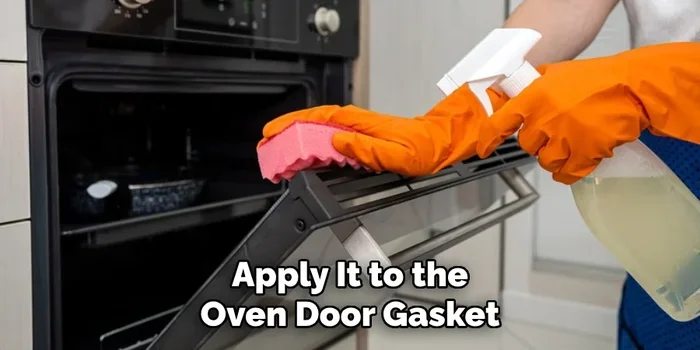
Grease often builds up around the edges of the glass and on the rubber seals. Wipe these areas during your regular cleaning to prevent odors and maintain an airtight seal.
Final Thoughts
Cleaning your oven glass door doesn’t have to be a dreaded chore. With baking soda, vinegar, and a little elbow grease, you can achieve professional results using simple household items. The key is consistency. A quick wipe after each use and a deeper clean once a month will keep your oven looking like new. Remember to always use gentle tools and avoid harsh abrasives. Your oven glass door will stay clear, letting you watch your food cook to perfection. If you want even more cleaning hacks, check out our guide on how to clean a Hamilton Beach toaster oven for additional tips.
Frequently Asked Questions
Can I use oven cleaner on the glass door of a self-cleaning oven?
It’s best to avoid commercial oven cleaners on self-cleaning models. The high heat of the self-cleaning cycle can react with chemical residues. Stick to the baking soda and vinegar method for safe, gentle cleaning.
How often should I clean my oven glass door?
A quick wipe after every few uses keeps grime from building up. A deep clean with baking soda paste should be done every one to two months, depending on how often you cook fatty foods.
Will vinegar damage the oven glass?
No. White vinegar is safe for oven glass. It’s a mild acid that cuts grease and removes water spots without causing any harm to the glass surface.
What if the baking soda paste dries completely before I scrub?
Dried paste can be hard to remove. Re-wet it with a damp cloth and let it sit for another 10 minutes. The moisture will soften it again, making it easy to wipe away.
Is it safe to use a razor blade on oven glass?
Yes, but only with extreme caution. Use a single-edge razor scraper at a 45-degree angle and apply very little pressure. This works best on carbonized crusts that won’t budge with paste alone.
Can I clean the glass door while the oven is still warm?
Wait until the oven is completely cool. Cleaning a warm glass door can cause the cleaning solution to evaporate too quickly, reducing its effectiveness. It can also risk burns.