How to Finish Filet Mignon in Oven for Juicy Results
Learn how to finish filet mignon in oven for a juicy, restaurant-quality steak every time. This guide covers the simple sear-and-finish method, from seasoning and searing to oven temperature and resting. You’ll get a perfect crust and a tender, pink center with minimal effort.
There’s nothing quite like a perfectly cooked filet mignon. The outside is deeply browned and caramelized, while the inside stays tender, juicy, and pink. Many home cooks think this kind of steak requires a fancy grill or a restaurant kitchen. But you can achieve the same stunning results right in your own oven.
Finishing filet mignon in the oven is a simple technique that gives you total control. You sear the steak on the stovetop first, then move it into a hot oven to finish cooking. This method, often called the sear-and-finish method, works beautifully for thick cuts of beef tenderloin. It’s reliable, easy to learn, and almost foolproof.
In this guide, I’ll walk you through every step of how to finish filet mignon in oven. You’ll learn how to prep the steak, what pan to use, the right oven temperature, and how long to cook it. I’ll also share pro tips for a perfect crust, a juicy center, and a restaurant-quality meal without the hassle.
Key Takeaways
- Bring steak to room temperature: Pat dry and season 30 minutes before cooking for even heat.
- Use a hot cast iron skillet: A heavy pan gives a deep, golden crust on your filet.
- Finish in a 400°F oven: This temperature cooks the center gently without overcooking the edges.
- Use a meat thermometer: Pull the steak at 120°F for medium-rare and let carryover heat do the rest.
- Rest for 5–8 minutes: Tent with foil to keep juices locked inside the meat.
- Add a simple butter baste: Garlic and fresh herbs elevate the flavor instantly.
📑 Table of Contents
Why You Should Finish Filet Mignon in the Oven
The sear-and-finish method has been used by chefs for decades. It solves the biggest challenge of cooking thick steaks at home: uneven cooking. If you only use a skillet, the edges often overcook while you wait for the center to reach temperature. The oven finishes the steak gently and evenly, so the edge-to-edge temperature stays consistent.
The Sear-and-Finish Method
This technique starts with a hot pan. You sear the filet mignon for a few minutes on each side to build a flavorful crust. Then you transfer the skillet directly into the oven. The oven’s ambient heat cooks the interior slowly, giving you a perfect gradient from crust to center. It’s the same method steakhouses use, and it works incredibly well for filet mignon because the cut is naturally tender and lean.
Why Oven Finishing Works So Well
Oven finishing gives you a gentle, surround heat. Unlike a direct flame or electric coil, the oven warms the steak evenly from all sides. This means the outer layers don’t burn while the center catches up. For a thick filet mignon, this is a game-changer. You get a beautiful crust from the sear and a juicy, evenly cooked interior from the oven. The result is a steak that looks and tastes like it came from a high-end restaurant.
How to Prep Your Filet Mignon for the Oven
Good prep work makes all the difference. Before you turn on the stove, take a few minutes to get your steak ready. Proper preparation ensures even cooking and maximum flavor.
Choosing the Right Cut
Look for filet mignon steaks that are at least 1.5 inches thick. Thicker cuts handle the sear-and-finish method much better. They develop a deep crust without overcooking the center. Beef tenderloin is the primal cut that gives you filet mignon, and it’s naturally lean and buttery. Ask your butcher for a center-cut piece if possible, as it’s the most uniform.
When you buy the steak, check for a bright red color and fine marbling. The fat should look creamy white, not yellow. Avoid any steak with a grayish tint or large pools of liquid in the packaging. A good-quality filet mignon will give you the best oven finish results.
Seasoning and Bringing to Room Temperature
Take the filet mignon out of the refrigerator 30–45 minutes before cooking. This lets the steak come to room temperature, which means it cooks more evenly. Cold steak straight from the fridge can have a gray band of overcooked meat around the pink center.
Pat the steak dry with paper towels. Moisture is the enemy of a good sear. Then season generously with kosher salt and freshly cracked black pepper. You can also add a light brush of olive oil to help the seasoning stick. Keep it simple: salt, pepper, and maybe a touch of garlic powder. The steak’s natural flavor should shine through.
The Perfect Sear: Getting a Beautiful Crust
The sear is what gives your filet mignon that deep, savory crust. It’s all about high heat and a good pan. Don’t rush this step—take your time and let the pan do the work.
Choosing the Right Pan
A cast iron skillet is the best choice for finishing filet mignon in the oven. Cast iron holds heat incredibly well and distributes it evenly. When you place the steak in, the pan stays hot enough to create a deep brown crust in just a couple of minutes. Stainless steel and heavy-bottomed ovens-safe skillets also work, but cast iron is the gold standard.
Make sure your skillet is truly oven-safe. Some pans have plastic handles or non-stick coatings that can’t handle high oven temperatures. Check the manufacturer’s rating before you start.
Searing Tips for a Golden Crust
Place the skillet over high heat and let it get really hot. Add a high-smoke-point oil like avocado oil or grapeseed oil. You’ll know the pan is ready when the oil shimmers and just starts to smoke. Carefully lay the filet mignon in the pan and don’t touch it for 2–3 minutes. Let the crust form. Then flip it once and sear the other side for another 2 minutes.
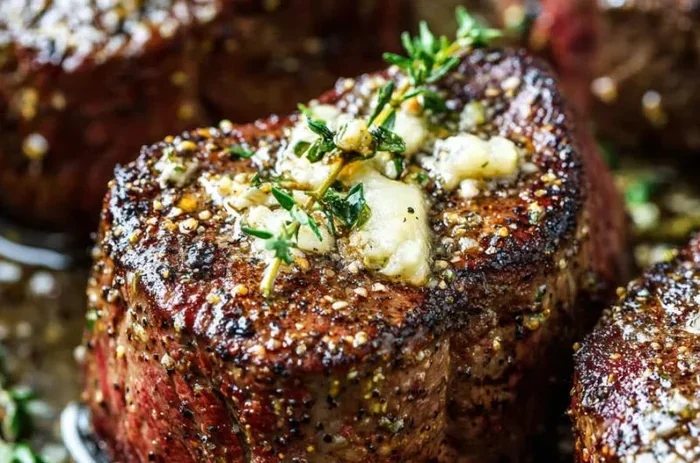
For extra flavor, add a tablespoon of butter, a few crushed garlic cloves, and a sprig of fresh thyme or rosemary to the pan during the last minute of searing. Tilt the pan slightly and spoon the hot, foaming butter over the steak. This is called basting, and it adds richness and aroma to the crust. After searing, transfer the entire skillet to the oven.
Oven Finish: Temperature and Timing
Now that your filet mignon has a beautiful crust, it’s time to finish it in the oven. The oven temperature and timing depend on the thickness of your steak and how done you like it.
| Steak Thickness | Oven Temp | Approx. Cook Time (from oven start) | Target Internal Temp |
|---|---|---|---|
| 1.5 inches | 400°F | 5–7 minutes | 120°F (medium-rare) |
| 2 inches | 400°F | 7–10 minutes | 120°F (medium-rare) |
| 2.5 inches | 400°F | 10–13 minutes | 125°F (medium-rare) |
| 1.5 inches | 375°F | 6–8 minutes | 115°F (rare) |
| 2 inches | 375°F | 8–11 minutes | 115°F (rare) |
Setting the Right Oven Temperature
400°F is the sweet spot for finishing filet mignon in oven. It’s hot enough to cook the steak in a reasonable time, but not so hot that it dries out the edges. If you prefer a rarer steak, drop the temperature to 375°F and add a couple of extra minutes. Avoid temperatures above 425°F, as they can overcook the outer layers before the center reaches your desired doneness.
Preheat the oven while the skillet is searing. This way, the oven is fully hot when the steak goes in. A hot oven from the start ensures even cooking and a better finish.
How Long to Cook Filet Mignon in the Oven
Timing varies with thickness and starting temperature. A 2-inch filet mignon at 400°F usually takes about 8 minutes for medium-rare. Use a meat thermometer inserted into the thickest part of the steak. Pull the steak out when it reads about 5°F below your target temperature. The internal temp will rise during resting, a process called carryover cooking.
For medium-rare, aim for 120°F off the heat. For medium, pull at 125°F. For medium-well, pull at 130°F. Remember, filet mignon is lean, so it can dry out quickly if you cook it past medium. Keeping it in the medium-rare range gives the juiciest, most tender result.
Resting and Serving Your Filet Mignon
Resting is just as important as the sear and the oven finish. It’s the step that turns a good steak into a great steak.
Why Resting Is Crucial
When a steak cooks, the juices inside get pushed toward the center by the heat. If you cut into it right away, those juices run out onto the plate, and the steak loses flavor and moisture. Resting lets the juices redistribute evenly throughout the meat. Tent the steak loosely with aluminum foil and let it sit for 5–8 minutes. The internal temperature will rise by about 5°F during this time, taking it to the perfect doneness.
Don’t skip this step, even if you’re eager to eat. Those extra minutes make a noticeable difference in juiciness and tenderness.
Simple Butter Baste for Extra Flavor
While the steak rests, you can make a quick pan sauce. Pour off excess fat from the skillet, leaving the browned bits and any herbs behind. Place the pan over low heat and add a tablespoon of butter. Swirl it around until it turns nutty and fragrant. Spoon this garlic-herb butter over the rested steak right before serving. It adds a rich, savory finish that pairs beautifully with the tender filet mignon.
Common Mistakes to Avoid
Even with a great recipe, small mistakes can ruin a perfect filet mignon. Here are the most common pitfalls and how to avoid them.
Overcooking the Edge
The biggest complaint about oven-finished steak is a thick gray band around the pink center. This happens when the steak starts too cold or the oven temperature is too low. Always bring the steak to room temperature before searing, and make sure your oven is fully preheated. A hot oven and a warm steak mean a thinner gray band and more pink throughout.
Skipping the Rest
Cutting into a steak immediately after cooking releases all the juices. The steak may look juicy on the plate, but it’s actually losing moisture. Give it at least 5 minutes of rest. Use a loose foil tent to keep it warm without trapping steam, which can soften the crust.
Using a Cold Pan
A lukewarm pan won’t give you a good sear. The steak will steam instead of brown. Heat the skillet over medium-high to high heat for a full 2–3 minutes before adding oil. The pan should be smoking slightly when the steak hits it.
Over-Salting Too Early
Salt draws moisture out of the meat. If you salt too far in advance, the steak can get a wet surface that hinders searing. Salt the steak right before it goes into the hot pan, or up to 45 minutes ahead if you’re bringing it to room temperature. Pat it dry again if needed.
Quick Tips for Perfect Oven-Finished Filet Mignon
- Dry the steak thoroughly with paper towels before seasoning. A dry surface browns faster.
- Use tongs to flip the steak—never poke it with a fork, which lets juices escape.
- Let the skillet rest on a heat-safe mat after the oven finish to prevent overcooking from the hot pan bottom.
- Slice against the grain when serving, even though filet mignon is naturally tender, for the most tender bite.
- Pair with a simple side like roasted garlic butter mushrooms or a crisp arugula salad to complement the rich steak.
Conclusion
Learning how to finish filet mignon in oven is one of the easiest ways to elevate your home cooking. The sear-and-finish method gives you a deep, flavorful crust and a perfectly juicy center every single time. With a hot cast iron skillet, a preheated 400°F oven, and a reliable meat thermometer, you can serve steakhouse-quality filet mignon without any special equipment.
Remember the key steps: bring the steak to room temperature, dry it well, season simply, sear hard, finish in the oven, and rest patiently. These small habits add up to a big difference in flavor and texture. Once you master this technique, you’ll never go back to guessing doneness or settling for a gray-edged steak again.
Next time you want a special meal, grab a thick filet mignon, heat your skillet, and let the oven do the rest. You’ll be amazed at how easy it is to create a juicy, restaurant-worthy steak right on your stovetop and in your oven. Enjoy the process, savor the results, and share the deliciousness with the people you love.
Frequently Asked Questions
What temperature should I finish filet mignon in the oven?
400°F is the ideal oven temperature for finishing filet mignon. It cooks the steak evenly without drying out the edges. If you prefer a rarer steak, you can lower the temperature to 375°F and add a couple of extra minutes.
Can I use a broiler to finish filet mignon?
Yes, a broiler works as an alternative to a hot oven. Place the seared steak on a broiler pan about 4–6 inches from the heating element. Broil for 3–5 minutes per side, watching closely to prevent burning. This method gives a similar charred finish but requires more attention.
How long should I rest filet mignon after cooking?
Rest your filet mignon for at least 5 minutes, and up to 8 minutes for thicker cuts. Tent it loosely with aluminum foil to keep it warm. This resting period allows the juices to redistribute, resulting in a much juicier steak when you slice into it.
What is the best pan for searing filet mignon?
A cast iron skillet is the best pan for searing filet mignon. It holds heat exceptionally well and creates a deep, even crust. Stainless steel and heavy-bottomed ovens-safe pans also work well, but avoid non-stick pans for high-heat searing.
Can I finish filet mignon in the oven without searing first?
You can, but you’ll miss the flavorful crust that makes oven-finished filet mignon so special. Searing adds a rich, savory layer of flavor through the Maillard reaction. If you skip the sear, you can still cook the steak in the oven, but the result will be more like a gentle roast than a classic steakhouse experience.
How do I know when filet mignon is done?
Use an instant-read meat thermometer inserted into the thickest part of the steak. For medium-rare, pull the steak at 120°F and let carryover heat bring it to 125°F. For medium, pull at 125°F to reach 130°F. The steak will continue to rise in temperature by about 5°F during resting.