How Much Oven Temperature For Pizza To Cook Perfectly
Knowing how much oven temperature for pizza makes all the difference between a soggy crust and a perfectly crispy pie. The ideal temperature ranges from 450°F to 500°F for home ovens, while wood-fired ovens reach 800°F or higher. Whether you use a pizza stone, baking sheet, or convection setting, getting the heat right is the single most important step in making great pizza at home.
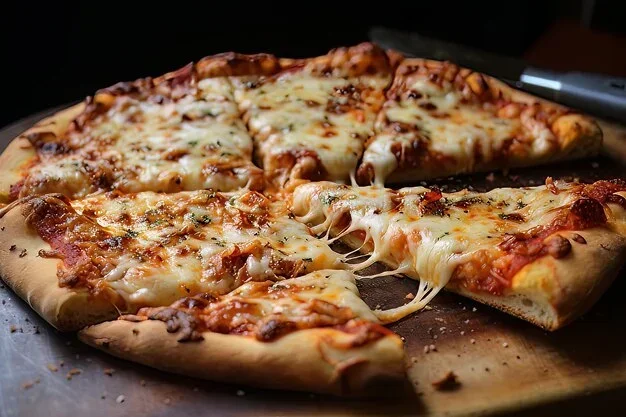
There is nothing quite like pulling a homemade pizza out of the oven. The crust is golden. The cheese is bubbly. The toppings are perfectly cooked. But none of that magic happens by accident. The secret starts with one simple thing: how much oven temperature for pizza you use. Get the heat right, and your pizza will turn out restaurant quality every single time.
Many home cooks struggle with this one question. They wonder if 400 degrees is enough. Or if they should crank it up to 550. The truth is, the answer depends on your oven type, the pizza style you are making, and the tools you have. This guide breaks it all down so you never have to guess again.
Key Takeaways
- Best Temperature Range: Most homemade pizzas bake perfectly between 450°F and 500°F.
- Use a Pizza Stone: Preheating a pizza stone helps mimic the intense heat of a professional oven.
- Convection vs. Conventional: Convection ovens work great but may need a slight temperature adjustment.
- Thin Crust Needs Higher Heat: Neapolitan-style and thin crust pizzas require higher temperatures for the right char and crispness.
- Preheat Thoroughly: Always preheat your oven for at least 30 minutes before baking.
- Oven Thermometer Matters: Built-in oven thermostats can be inaccurate, so a standalone thermometer helps.
- Position the Rack: The middle or lower rack gives the best results for most pizza styles.
📑 Table of Contents
- Why Oven Temperature Matters So Much for Pizza
- Best Oven Temperature for Different Pizza Styles
- How to Use a Pizza Stone for Better Results
- The Role of an Oven Thermometer
- Convection Oven vs. Conventional Oven for Pizza
- Pizza Rack Position: Where to Place Your Pizza
- How Long to Bake Pizza at the Right Temperature
- Common Mistakes People Make with Pizza Oven Temperature
- Expert Tips for Perfect Pizza Every Time
- Key Takeaways
- Frequently Asked Questions
- Final Thoughts
Why Oven Temperature Matters So Much for Pizza
Temperature is the backbone of great pizza. Too low, and your crust turns out doughy and pale. Too high, and the cheese burns before the crust cooks through. Finding the sweet spot matters more than most people realize.
When you bake pizza at the right oven temperature for homemade pizza, several things happen at once. The dough rises quickly. The crust develops those beautiful brown spots. The cheese melts evenly. And the toppings cook without drying out. All of this depends on having the correct pizza baking temperature from the very start.
The Science Behind Pizza Heat
Here is a quick look at what happens inside the oven. When the heat hits the dough, the yeast creates tiny air pockets. This makes the crust light and airy. At the same time, the Maillard reaction kicks in. This is the chemical process that gives bread and crust that golden-brown color and rich flavor. It only works properly when the temperature is high enough.
If your oven runs too cool, the Maillard reaction slows down. The crust stays pale. The cheese releases too much moisture. The bottom of the pizza becomes soggy instead of crispy. This is why understanding how much oven temperature for pizza truly matters. It is not just a number on a dial. It is the key to unlocking the perfect texture and flavor.
Best Oven Temperature for Different Pizza Styles
Not all pizza is the same. A thin Neapolitan-style pizza needs different heat than a thick Chicago deep dish. Your pizza oven settings should match the style you are making. Here is a detailed look at the best temperatures for each popular type.
Thin Crust Pizza Temperature
Thin crust pizza needs high heat to cook properly. The ideal bake pizza at what temperature for thin crust is between 475°F and 500°F. At this range, the dough cooks quickly. The edges get crispy. The bottom stays firm without burning.
If you are making a cracker-thin style, you may want to push the temperature even higher. Some bakers go up to 525°F for ultra-thin crusts. The key is to watch it closely. Thin dough can go from perfectly golden to burnt in just a few minutes.
Thick Crust and Pan Pizza Temperature
Thick crust pizzas need a slightly lower temperature. Aim for 425°F to 450°F. The thicker dough needs more time to cook through. If you use the same high heat as thin crust, the top will burn before the inside is done.
Pan pizza is a bit different. The oil in the pan helps the bottom crisp up. So you can bake it at 425°F to 450°F and get a beautifully golden crust. The inside stays soft and fluffy while the outside has that satisfying crunch.
Neapolitan-Style Pizza Temperature
Neapolitan pizza is the gold standard of pizza making. Traditional Neapolitan pizza bakes at incredibly high temperatures. A wood-fired oven runs between 800°F and 900°F. The pizza cooks in just 60 to 90 seconds.
Now, most home ovens cannot reach that heat. But you can get closer. Set your oven to its highest setting, usually 500°F to 550°F. Use a pizza stone or steel to store extra heat. This will help you achieve a similar char and texture. The pizza oven temperature for Neapolitan style should always be as high as your oven allows.
Deep Dish Pizza Temperature
Deep dish pizza is a whole different beast. This thick, hearty pie needs a gentle, steady heat. Bake deep dish pizza at 375°F to 400°F. The longer cooking time allows the thick dough to rise fully. The cheese melts slowly. The sauce heats through without boiling over.
Deep dish usually takes 25 to 35 minutes. So the lower temperature is essential. Rushing it with high heat will leave you with a raw center and a burnt top.
How to Use a Pizza Stone for Better Results
A pizza stone is one of the best tools you can own. It absorbs moisture from the dough. This creates a crispy bottom crust that is hard to achieve any other way. But the stone only works if you use it correctly.
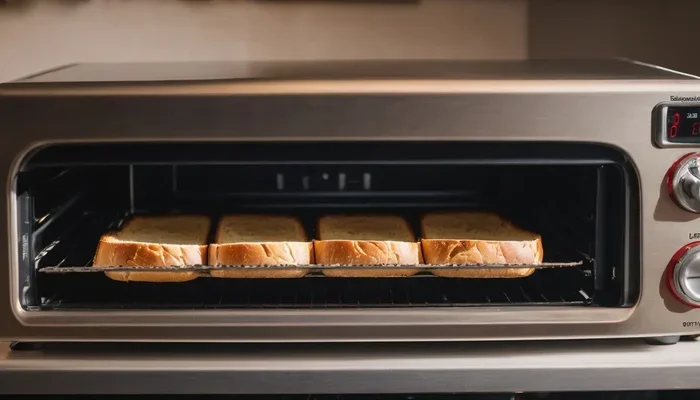
The most important step is preheating. Place your pizza stone on the middle or lower rack. Then set your oven to the desired pizza baking temperature. Let the stone heat for at least 30 to 45 minutes. The stone needs to be completely hot before the dough touches it.
When the stone is properly heated, it mimics the floor of a professional pizza oven. The dough gets an instant burst of heat from below. This causes the bottom to crisp up quickly. The result is a crust that is chewy on the inside and crispy on the outside.
How Long to Preheat Your Oven for Pizza
Many people make the mistake of not preheating long enough. A quick 10-minute warm-up is not enough. Your oven needs at least 20 to 30 minutes to reach a stable temperature. The walls, the racks, and especially the pizza stone all need time to absorb heat.
If you want truly great results, preheat for 45 minutes. This gives everything time to reach peak temperature. When you slide the pizza onto the hot stone, the heat transfer is immediate and powerful. This is what creates that professional-quality crispy pizza crust at home.
Can You Use a Baking Sheet Instead?
Yes, you can. A baking sheet works in a pinch. But it does not conduct heat the same way a pizza stone does. The crust will not be as crispy. You can improve results by placing the baking sheet in the oven while it preheats. A hot baking sheet helps the bottom crust cook faster.
Another option is an inverted baking sheet. Place it upside down on the rack. This gives you a flat, smooth surface similar to a pizza stone. It is not as effective, but it does a decent job for homemade pizza tips when you do not have a stone.
The Role of an Oven Thermometer
Here is something most people do not think about. The temperature dial on your oven is not always accurate. Many ovens run 25°F to 50°F hotter or cooler than what the display says. This can completely throw off your pizza bake temperature.
An oven thermometer is a simple and inexpensive fix. Place it inside your oven and compare the reading to the dial setting. You might be surprised at the difference. Once you know the actual temperature, you can adjust accordingly.
This small tool is a game changer for anyone serious about making great pizza. It takes the guesswork out of the equation. You will always know exactly what how much oven temperature for pizza your oven is actually producing.
Convection Oven vs. Conventional Oven for Pizza
If you have a convection oven, you have an advantage. The fan circulates hot air evenly around the pizza. This means faster cooking and more consistent results. But it also means you need to adjust your approach slightly.
Converting Temperatures for Convection
As a general rule, reduce the temperature by 25°F when using a convection oven. So if a recipe calls for 500°F in a conventional oven, use 475°F in a convection oven. The fan does the work of distributing heat more efficiently.
Convection ovens are excellent for achieving a crispy pizza crust. The constant airflow removes moisture from the surface faster. This helps the crust brown and crisp up more evenly. Just keep an eye on your pizza. Convection can cook things faster than you expect.
When to Avoid Convection for Pizza
There are times when convection is not ideal. If you are making a pizza with very delicate toppings, the fan can blow them around. Fresh basil leaves, for example, can dry out or scatter. In these cases, use conventional heat instead.
Also, if your pizza has a lot of sauce and cheese, the fan might cause the top to dry out before the bottom is fully cooked. In that situation, stick with conventional baking at the standard pizza oven temperature.
Pizza Rack Position: Where to Place Your Pizza
Where you place the rack inside the oven matters more than most people think. The position affects how the heat reaches the pizza. It influences crust crispness, cheese browning, and overall cooking time.
For most styles of pizza, the middle rack is the best spot. It allows heat to circulate evenly around the dough. The top and bottom cook at a balanced rate. The cheese melts uniformly. The crust browns without burning.
If you want an extra crispy bottom, move the pizza to the lower rack. This puts it closer to the heat source. The bottom gets more direct heat. This is especially helpful if you are using a baking sheet instead of a pizza stone.
For a more browned and bubbly top, move the rack higher. This works well for thick-crust pizzas where you want a golden cheese layer on top. Just be careful not to go too high. The top can burn quickly if it is too close to the heating element.
Quick Tips for Rack Positioning
- Use the middle rack for even cooking on all styles of pizza.
- Move to the lower rack for extra crispy bottoms.
- Use the upper rack only if you want a more browned top.
- Never place pizza directly on the oven floor or under the top heating element.
- Rotate the pizza halfway through cooking for even browning.
How Long to Bake Pizza at the Right Temperature
Temperature and time go hand in hand. The higher the heat, the shorter the cooking time. Here is a simple guide to help you pair the right temperature with the right bake time.
| Pizza Style | Temperature | Bake Time |
|---|---|---|
| Thin Crust | 475°F – 500°F | 8 – 12 minutes |
| Thick Crust | 425°F – 450°F | 15 – 20 minutes |
| Pan Pizza | 425°F – 450°F | 15 – 20 minutes |
| Neapolitan Style | 500°F – 550°F | 6 – 10 minutes |
| Deep Dish | 375°F – 400°F | 25 – 35 minutes |
These times are guidelines. Every oven is different. Start checking your pizza a few minutes before the suggested time. Look for a golden brown crust and fully melted cheese. Those are your best visual cues that the pizza is done.
Common Mistakes People Make with Pizza Oven Temperature
Even experienced home cooks make mistakes with oven temperature. Here are the most common ones and how to avoid them.
Not Preheating Long Enough
This is the number one mistake. A lot of people put their pizza in the oven before it has fully heated up. The dough sits on a cold stone or pan. The result is a soggy, undercooked crust. Always wait until the oven has reached the target pizza oven temperature before baking.
Opening the Oven Door Too Often
Every time you open the oven door, heat escapes. The temperature can drop by 25°F or more. This slows down the cooking process and affects crust quality. Resist the urge to peek. Use the oven light to check on your pizza instead.
Using the Wrong Rack Position
Placing the pizza too high or too low can cause uneven cooking. A rack that is too high burns the top. A rack that is too low leaves the bottom pale and soft. Always start with the middle rack and adjust from there based on your results.
Ignoring the Oven Thermometer
As mentioned earlier, built-in oven thermostats are often inaccurate. Without a separate thermometer, you are guessing. And guessing leads to inconsistent results. A simple oven thermometer costs just a few dollars and takes the guesswork out completely.
Expert Tips for Perfect Pizza Every Time
Here are some pro tips that will take your homemade pizza to the next level. These are the small details that make a big difference.
- Use room temperature dough. Cold dough does not spread or cook evenly. Take it out of the fridge 30 minutes before baking.
- Less is more with toppings. Too many toppings trap moisture. This makes the crust soggy. Keep it simple for the best results.
- Brush the crust with olive oil. A light coat of oil before baking adds flavor and helps the crust brown faster.
- Use a peel or parchment paper. Sliding the pizza onto a hot stone is easier with a peel or a piece of parchment paper.
- Let the pizza rest for a minute. After baking, let it cool on a wire rack for a minute. This prevents the bottom from getting soggy from trapped steam.
- Experiment with your oven. Every oven has hot spots. Run a few test bakes to learn how your specific oven behaves.
These tips may seem small, but they add up. They are what separate a good homemade pizza from a great one. Once you get the oven temperature for homemade pizza dialed in, these extra steps will make your results even better.
Key Takeaways
- Ideal Temperature Range: Most homemade pizzas bake best between 450°F and 500°F, depending on the style.
- Preheat Your Pizza Stone: Always preheat for at least 30 minutes for the crispiest crust.
- Match Temperature to Pizza Style: Thin crust needs higher heat; thick crust and deep dish need lower, slower heat.
- Use an Oven Thermometer: Built-in thermostats are often inaccurate, so a standalone thermometer helps ensure precision.
- Convection Ovens Work Well: Just reduce the temperature by 25°F and watch your pizza closely.
- Rack Position Matters: The middle rack is best for even cooking, while the lower rack adds crispness to the bottom.
- Avoid Common Mistakes: Don’t skip preheating, avoid opening the door too often, and never ignore your oven’s actual temperature.
Frequently Asked Questions
What is the best oven temperature for pizza?
The best oven temperature for pizza is generally between 450°F and 500°F for most home ovens. This range works well for thin crust, hand-tossed, and standard homemade pizzas. If you are making Neapolitan-style pizza, push your oven to its highest setting, around 500°F to 550°F. For thick crust or deep dish, lower the temperature to 375°F to 450°F and bake for a longer time.
Can I bake pizza at 400 degrees?
Yes, you can bake pizza at 400°F, but the results will differ. At this temperature, the crust takes longer to crisp up. The cheese and toppings cook more slowly. This works fine for thick-crust or pan-style pizzas. For thin crust, 400°F may leave the bottom soft instead of crispy. If you must use 400°F, try using a pizza stone and extending the bake time slightly.
How long should I bake pizza at 450 degrees?
At 450°F, most standard pizzas bake in 10 to 14 minutes. Thin crust pizzas tend to be on the shorter end, around 8 to 10 minutes. Thicker crusts may need 12 to 15 minutes. Keep an eye on the pizza and look for a golden brown crust and fully melted cheese. These visual cues are the best indicators that your pizza is done.
Do I need a pizza stone to make good pizza at home?
A pizza stone is not absolutely necessary, but it makes a huge difference. The stone absorbs moisture from the dough and radiates heat evenly. This creates a much crispier crust compared to a baking sheet. If you do not have a pizza stone, you can use an inverted baking sheet or even a cast iron skillet. Preheat whatever surface you use for at least 20 to 30 minutes for the best results.
Why is my pizza crust soggy even though I preheated the oven?
A soggy crust usually comes from excess moisture. This can happen if you use too many wet toppings, like fresh tomatoes or watery vegetables. It can also happen if the pizza stone was not hot enough when the dough went on. Make sure your pizza baking temperature is correct and your stone has been preheating for at least 30 minutes. Also, try using less sauce and patting wet toppings dry before adding them.
Is it better to use convection or conventional heat for pizza?
Both work well, but they produce slightly different results. Convection ovens circulate hot air, which cooks the pizza faster and more evenly. The crust tends to be crispier. However, the fan can sometimes blow toppings around or dry out the cheese. Conventional heat is gentler and works well for pizzas with lots of toppings. If you use convection, reduce the temperature by 25°F and keep a close eye on the pizza.
Final Thoughts
Making great pizza at home is easier than most people think. The key is understanding how much oven temperature for pizza to use. Once you know the right temperature for your pizza style, everything else falls into place. The crust crisps up. The cheese melts perfectly. The toppings cook just right.
Start with the guidelines in this article. Use a pizza stone. Preheat thoroughly. Check your oven with a thermometer. These small steps make a massive difference. You will notice the improvement in your very first pizza.
Do not be afraid to experiment. Try different temperatures. Adjust the bake time. Move the rack up or down. Every oven is unique. Once you learn how yours behaves, you will be able to make perfect pizza every single time. The knowledge of pizza oven temperature is the foundation. Build on it, and you will never look back.
So go ahead. Preheat your oven. Gather your ingredients. And make the best pizza you have ever tasted at home. The perfect oven temperature for pizza is waiting for you.