How Long To Cook Salmon In The Oven At 325 Degrees
Cooking salmon in the oven at 325°F is one of the easiest and most reliable methods for a perfect meal. A standard fillet takes about 15 to 20 minutes depending on thickness, while thicker cuts may need up to 25 minutes. This guide covers everything from timing and temperature to seasoning tips so you can bake salmon like a pro.
There is something truly special about a perfectly baked salmon fillet. The flesh flakes apart so easily, the edges are just slightly caramelized, and the center stays moist and buttery. Whether you are a weeknight cook or a weekend meal planner, learning how long to cook salmon in oven at 325 changes everything.
Oven temperature plays a huge role in getting great results. At 325°F, the heat surrounds the fish gently. This low and steady approach prevents drying out. It also gives you more room for error compared to higher temperatures. In this article, we walk through every detail you need to know.
You will learn exact cooking times for different fillet sizes, the best seasoning ideas, and pro tips that make restaurant-quality salmon at home. Let us get into it.
Key Takeaways
- Standard Bake Time: A salmon fillet at 325°F typically cooks in 15 to 20 minutes.
- Internal Temperature Matters: The FDA recommends cooking salmon to 145°F for food safety.
- Thickness Changes Everything: Thicker fillets need more time, while thin pieces cook faster.
- Seasoning Is Simple: Olive oil, salt, pepper, and lemon go a long way for flavor.
- Resting Helps: Letting salmon rest for a few minutes keeps it juicy and tender.
- Foil vs. No Foil: Foil traps moisture; no foil gives crispier skin.
- Fresh or Frozen Works: You can cook frozen salmon at 325°F with slight time adjustments.
📑 Table of Contents
- Why 325°F Is the Perfect Temperature for Salmon
- How Long To Cook Salmon In Oven At 325: Time by Thickness
- Step-by-Step Guide to Baking Salmon at 325°F
- Common Mistakes to Avoid When Baking Salmon
- Seasoning Ideas and Flavor Combinations for Oven-Baked Salmon
- Quick Tips for Perfect Salmon Every Time
- How Long To Cook Salmon In Oven At 325: Frozen vs Fresh
- Pairing Suggestions for Your Salmon Dinner
- How to Tell When Salmon Is Done
- Expert Insights on Oven-Baked Salmon
- Frequently Asked Questions
- Conclusion
Why 325°F Is the Perfect Temperature for Salmon
Choosing the right oven temperature is the first step to great salmon. While some recipes call for 400°F or 425°F, 325°F offers real advantages. The lower heat cooks the fish more evenly from edge to center.
Gentle Cooking Preserves Moisture
At higher temperatures, the outside of the salmon can overcook before the center is done. At 325°F, the heat moves slowly into the fillet. This means the entire piece cooks at a more consistent rate. The result is juicy, tender salmon with a delicate texture.
For thicker fillets especially, this gentle approach works wonders. You get a uniform pink color throughout. There is no dry, chalky center or overcooked edges.
Better Flavor Development
Slower cooking also allows seasonings to penetrate deeper into the fish. Olive oil, garlic, herbs, and lemon have time to infuse the salmon as it bakes. This creates a richer, more complex flavor profile compared to a quick high-heat roast.
If you are new to baking salmon, 325°F is the ideal starting point. It is forgiving and hard to mess up.
How Long To Cook Salmon In Oven At 325: Time by Thickness
The single most important factor in determining cook time is the thickness of your fillet. A thin piece of salmon will cook much faster than a thick steak. Here is a practical breakdown.
Thin Fillets (Half Inch to One Inch)
For fillets that are about half an inch to one inch thick, plan on 12 to 15 minutes at 325°F. These smaller pieces are perfect for weeknight dinners. They cook through quickly and pair well with rice, vegetables, or a simple salad.
A thin salmon filet around 4 to 6 ounces will likely be done in about 12 minutes. Check it early to avoid overcooking.
Standard Fillets (One Inch to One and a Half Inches)
This is the most common thickness you will find at the grocery store. A standard fillet in this range takes about 15 to 20 minutes at 325°F. For a 6-ounce piece, 17 minutes is a solid target.
Always use a meat thermometer to check doneness. The internal temperature should reach 145°F at the thickest part of the fillet.
Thick Steaks and Center-Cut Pieces (One and a Half Inches or More)
Thicker cuts need more time. A salmon steak that is one and a half inches thick may take 20 to 25 minutes at 325°F. Very thick center-cut pieces can go up to 28 minutes.
These thicker portions benefit from being covered with foil for the first half of cooking. This traps steam and helps the center cook through without burning the outside.
Step-by-Step Guide to Baking Salmon at 325°F
Now let us walk through the actual process. Follow these steps for consistently great results every time you bake salmon.
Step 1: Prep Your Salmon
Take your salmon fillet out of the refrigerator about 10 to 15 minutes before cooking. Letting it come to room temperature helps it cook more evenly. Pat it dry with a paper towel. This step is key for getting crispy skin if you leave the skin on.
If you are using frozen salmon, thaw it first in the fridge overnight. Cooking frozen salmon at 325°F is possible but adds extra time and can lead to uneven results.
Step 2: Season Simply or Go Bold
Seasoning salmon does not have to be complicated. A basic mix of olive oil, salt, pepper, and a squeeze of lemon juice works beautifully. For something more flavorful, try these ideas:
- Garlic powder, smoked paprika, and a touch of honey
- Fresh dill, capers, and butter for a classic approach
- Maple mustard glaze with a dash of soy sauce
- Everything bagel seasoning for a quick and easy option
Brush the seasoning mixture evenly over the top and sides of the fillet. Let it sit for a couple of minutes so the flavors start to set.
Step 3: Choose Your Baking Method
You have two main options for oven-baked salmon at 325°F. The first is placing the fillet directly on a parchment-lined baking sheet. This gives you crispy skin on the bottom if you leave the skin on.
The second option is wrapping the salmon loosely in aluminum foil. This method traps moisture and creates a steamed effect. It is great for leaner fillets that tend to dry out. It also makes cleanup a breeze.
Step 4: Bake and Monitor
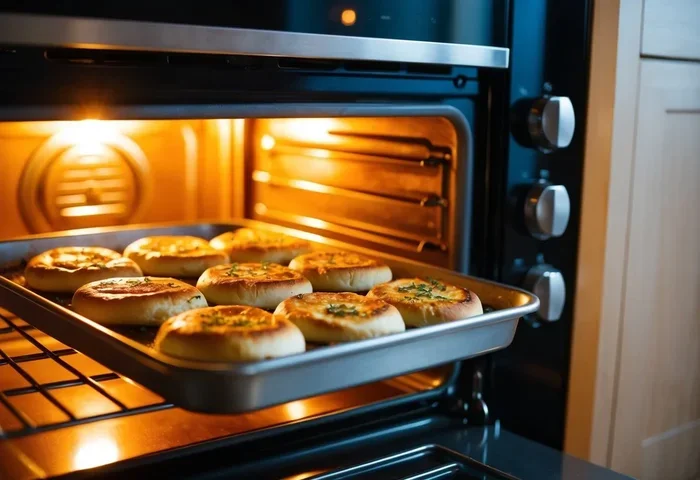
Place your seasoned salmon on the baking sheet or in a foil pouch. Put it in the oven on the middle rack. Set a timer for the recommended time based on thickness. Start checking the internal temperature about 5 minutes before the expected finish time.
A digital instant-read thermometer is your best friend here. Insert it into the thickest part of the fillet at an angle. You want the reading to hit 145°F for fully cooked salmon.
Step 5: Rest Before Serving
Once your salmon reaches the right temperature, take it out of the oven. Let it rest on the pan for 3 to 5 minutes. This resting period allows the juices to redistribute throughout the fillet. The result is a much juicier and more flavorful bite.
Do not skip this step. Resting makes a noticeable difference in texture and taste.
Common Mistakes to Avoid When Baking Salmon
Even experienced home cooks make mistakes with salmon. Here are the most common ones and how to avoid them.
Overcooking the Salmon
This is the number one mistake people make. Salmon continues to cook after you take it out of the oven. Pull it off when the internal temperature is around 140°F to 142°F. The carryover heat will bring it up to the safe 145°F during resting.
Overcooked salmon becomes dry, chalky, and loses its beautiful flaky texture. Keep an eye on your timer and thermometer.
Skipping the Parchment Paper
Placing salmon directly on a bare baking sheet can cause sticking and uneven cooking. Always line your pan with parchment paper or a silicone baking mat. This also makes cleanup much easier.
Not Accounting for Starting Temperature
A cold fillet straight from the fridge will take longer to cook than one at room temperature. This can throw off your timing. Always let your salmon sit out for about 10 to 15 minutes before it goes in the oven.
Using Too Much Oil or Seasoning
A light coat of olive oil is all you need. Too much oil can make the fillet greasy and prevent seasoning from sticking. Use just enough to lightly coat the surface.
Seasoning Ideas and Flavor Combinations for Oven-Baked Salmon
One of the best things about baking salmon at 325°F is that it pairs with almost any flavor profile. Here are some winning combinations to try.
Classic Lemon Herb
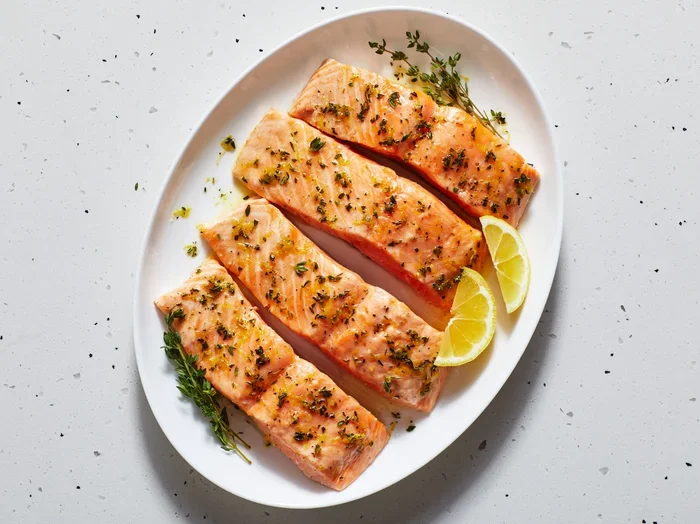
Mix olive oil with fresh dill, minced garlic, lemon zest, salt, and pepper. Brush it over the fillet and bake as usual. This is a timeless combination that never gets old.
Asian-Inspired Glaze
Combine soy sauce, honey, rice vinegar, sesame oil, and grated ginger. Brush this glaze on during the last 5 minutes of baking. The result is a sticky, savory-sweet salmon that feels restaurant-quality.
Mediterranean Style
Top your salmon with sliced olives, sun-dried tomatoes, capers, and a drizzle of olive oil. Add a sprinkle of oregano and fresh basil. This gives the fillet a bright, savory Mediterranean flavor.
Maple Brown Sugar Crust
For a sweet and savory twist, mix maple syrup, brown sugar, a pinch of cayenne pepper, and Dijon mustard. Spread it over the fillet and bake at 325°F for 18 to 22 minutes. The caramelized top is absolutely delicious.
Quick Tips for Perfect Salmon Every Time
Here are some fast, practical tips that make a big difference in your salmon cooking results.
- Buy skin-on fillets when possible. The skin protects the flesh and adds flavor during baking.
- Use a wire rack on your baking sheet for even air circulation around the fillet.
- Preheat your oven fully before placing the salmon inside. This ensures consistent cooking from the start.
- Check the thickest part of the fillet with a thermometer. Thin spots may be done while the center still needs time.
- Do not crowd the pan. Leave space between fillets so hot air circulates freely.
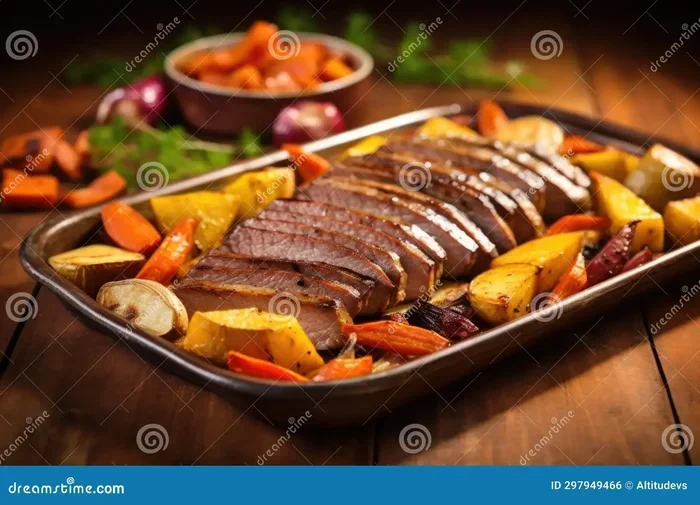
- Pair with roasted vegetables like asparagus, Brussels sprouts, or cherry tomatoes on the same pan for an easy one-pan dinner.
- Save the juices from the pan. Drizzle them over the salmon after baking for extra flavor and moisture.
How Long To Cook Salmon In Oven At 325: Frozen vs Fresh
Many people wonder whether they can cook frozen salmon at 325°F. The short answer is yes, but with some adjustments.
Fresh salmon cooks more predictably. A fresh fillet at room temperature will follow the timing guidelines we shared above. You can expect a one-inch fillet to be done in about 17 minutes.
Frozen salmon needs extra time because it starts at a much lower temperature. Add about 5 to 10 minutes to the standard cook time. However, the best practice is to thaw frozen salmon overnight in the refrigerator before cooking.
Thawed salmon cooks more evenly and absorbs seasonings better. If you must cook from frozen, use the foil method to trap moisture and prevent the outer edges from drying out before the center thaws.
Pairing Suggestions for Your Salmon Dinner
Baked salmon at 325°F pairs wonderfully with a variety of sides. Here are some ideas to build a complete meal around your salmon recipe.
- Rice: Steamed jasmine rice or coconut rice soaks up the salmon juices beautifully.
- Quinoa: A lighter grain option that adds protein and texture to your plate.
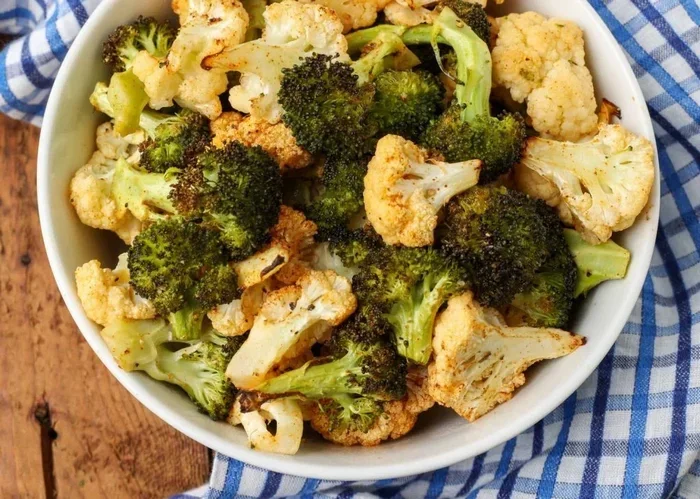
- Roasted Vegetables: Asparagus, sweet potatoes, broccoli, or green beans roasted on the same sheet pan.
- Salad: A fresh arugula salad with lemon vinaigrette cuts through the richness of the fish.
- Mashed Potatoes: Creamy mashed potatoes make this a comforting, crowd-pleasing dinner.
- Couscous or Farro: These grains add a nutty flavor that complements salmon perfectly.
The versatility of a 325°F salmon bake means you can change the sides and seasonings to match any mood or occasion. It works for a quick Tuesday dinner or an elegant weekend meal for guests.
How to Tell When Salmon Is Done
Knowing when your salmon is ready is essential for the best results. There are three reliable ways to check.
Use a Meat Thermometer: This is the most accurate method. Insert the probe into the thickest part of the fillet. When it reads 145°F, your salmon is done. The FDA considers this the safe internal temperature for fish.
Check for Flakiness: Gently press the top of the fillet with a fork. Properly cooked salmon will start to flake apart in large, moist chunks. If it still feels firm and resistant in the center, give it a few more minutes.
Look at the Color: Fully cooked salmon has an opaque pink color throughout. A translucent or raw-looking center means it needs more time. The flesh should be uniformly pink with no dark brown or gray areas.
Using a combination of these methods gives you the most confidence. Over time, you will learn to recognize the visual and tactile cues that tell you your salmon is perfect.
Expert Insights on Oven-Baked Salmon
Professional chefs and cooking experts agree that low and slow is the way to go for salmon. Chef Michael Chiarello once said that baking salmon at a moderate temperature like 325°F lets the natural flavor of the fish shine.
Culinary experts also point out that salmon is a nutrient-dense food packed with omega-3 fatty acids, protein, and vitamins. Keeping the cooking method simple and gentle helps preserve these nutritional benefits. A quick high-heat roast can degrade some of the healthy fats, while a slower bake at 325°F retains more of the good stuff.
Food safety experts also recommend never leaving raw salmon at room temperature for more than two hours. Always refrigerate leftovers promptly and consume them within three days for the best quality and safety.
Frequently Asked Questions
How long does it take to bake salmon at 325°F?
A standard one-inch-thick salmon fillet takes about 15 to 20 minutes at 325°F. Thinner fillets may be done in 12 to 15 minutes, while thicker cuts can take 20 to 25 minutes. Always use a meat thermometer to confirm doneness at 145°F internal temperature.
Is 325°F too low to cook salmon?
Not at all. In fact, 325°F is considered an ideal temperature for gentle, even cooking. It prevents the outside from overcooking while the center reaches the right temperature. This low and slow approach results in moist, tender salmon with great flavor.
Can I cook frozen salmon at 325°F?
Yes, you can. Frozen salmon will need about 5 to 10 extra minutes compared to fresh salmon. For the best results, thaw the salmon overnight in the refrigerator first. If cooking from frozen, use foil to trap moisture and prevent uneven cooking.
Should I cover salmon with foil when baking at 325°F?
It depends on your preference. Covering with foil traps moisture and creates a steamed effect, which is great for lean fillets. Leaving the salmon uncovered allows the skin to crisp up and the surface to caramelize slightly. Both methods work well at 325°F.
What is the best internal temperature for cooked salmon?
The FDA recommends an internal temperature of 145°F for fully cooked salmon. Many chefs prefer to pull salmon at 140°F to 142°F because carryover cooking will bring the temperature up to 145°F during resting. This prevents overcooking and keeps the fish juicy.
How do I prevent my salmon from drying out in the oven?
Let the salmon come to room temperature before baking. Use a light coating of olive oil or butter. Do not overcook it by relying only on time. Use a meat thermometer and pull the fillet when it reaches 140°F. Rest the salmon for 3 to 5 minutes after baking to lock in moisture.
Conclusion
Learning how long to cook salmon in oven at 325 opens the door to easy, delicious meals any night of the week. The low temperature of 325°F gives you a forgiving, gentle cook that brings out the best in every fillet. With the right timing, simple seasoning, and a reliable thermometer, you can serve restaurant-quality salmon at home with confidence.
Remember the key points. A standard fillet takes 15 to 20 minutes. Thicker cuts need more time. Always check the internal temperature. Let your salmon rest before serving. And do not be afraid to experiment with flavors and seasonings.
Salmon is one of the most nutritious and versatile proteins you can cook. It is rich in omega-3 fatty acids, high in protein, and quick to prepare. Once you master the 325°F method, you will never go back to overcooked, dry salmon again.
So preheat your oven, grab a fresh fillet, and give this method a try. Your taste buds will thank you. Happy cooking.