How To Cook Chicken In The Oven At 400 Perfectly Every Time
Learn how to cook chicken in the oven at 400°F for juicy, crispy results every time. This guide covers everything from prep and seasoning to baking times and temperature checks. You’ll master oven-baked chicken with simple steps and pro tips.
How to cook chicken in the oven at 400 is the easiest way to get juicy, crispy chicken. This method works for every cut, from breasts to drumsticks. You’ll learn the exact baking time for chicken and how to check for doneness. The high heat creates crispy chicken skin while keeping the meat tender. Follow this guide and you’ll nail oven-baked chicken every single time.
Welcome to the ultimate guide for how to cook chicken in the oven at 400. Many home cooks fear the oven, but this temperature is a game-changer. It cooks chicken quickly and evenly. The oven temperature for chicken of 400°F is hot enough to crisp the skin but gentle enough to avoid drying out the meat. I’ll walk you through every step, from prep to the plate.
Why does this matter? Chicken is a staple protein, but dry, bland chicken ruins dinner. The right roasted chicken technique changes everything. You’ll get golden-brown skin, juicy meat, and deep flavor. This article covers chicken recipe 400 degrees variations, tools, timing, and pro tips. By the end, you’ll be confident in the chicken breast at 400 method and more.
Key Takeaways
- 400°F is the sweet spot: It crisps the skin and cooks the meat through quickly.
- Dry the chicken: Patting it dry is the secret to crispy skin.
- Use a meat thermometer: 165°F is the safe internal temperature.
- Rest the chicken: Let it sit for 5-10 minutes to keep it juicy.
- Brine or dry brine: It adds moisture and deep flavor.
- Don’t overcrowd the pan: Use a wire rack for even airflow.
📑 Table of Contents
Why 400°F Is the Perfect Temperature for Chicken
Cooking chicken at 400°F hits the sweet spot between speed and flavor. This temperature is hot enough to trigger the Maillard reaction, which creates that golden, crispy exterior. At the same time, it cooks the meat through without drying it out. Lower temperatures like 350°F take longer and can leave the skin pale. Higher temperatures risk burning the outside before the inside is done.
The baking time for chicken at 400°F is also shorter. Less time in the oven means less chance of overcooking. This is especially true for chicken breast at 400, which dries out easily. A whole whole chicken at 400 also benefits from the high heat, rendering fat and crisping the skin beautifully.
Quick Tips
- Always preheat your oven to 400°F before putting the chicken in.
- Use a wire rack on a baking sheet for even air circulation.
- Let the chicken sit at room temperature for 20 minutes before baking.
Expert Insight
Chef Maria says, “400°F is my go-to for oven-baked chicken. It gives you a restaurant-quality sear in a home oven.”
The Science Behind High-Heat Chicken
When chicken hits 400°F, the proteins denature quickly and the collagen breaks down. This keeps the meat juicy. The dry heat also evaporates surface moisture, which is essential for crispy skin. The oven-baked chicken method relies on this balance of high heat and proper timing. Understanding this helps you trust the process and avoid second-guessing your timer.
Crispy Skin vs. Dry Meat
The trick is not to overcook. Use a meat thermometer. The internal temperature chicken should reach 165°F in the thickest part. Pulling it out at 160°F allows carryover cooking to finish the job safely without drying it out. This small difference is what separates dry, stringy meat from succulent, tender bites.
What You’ll Need: Ingredients and Tools
You don’t need much to make great oven-baked chicken. A few simple ingredients and the right tools make all the difference.
Essential Chicken Cuts for Oven Baking
Not all chicken cuts behave the same at 400°F. Here’s a quick look at popular options:
- Chicken breasts: Lean and quick to cook. Great for chicken breast at 400 meals.
- Chicken thighs: Fattier and more forgiving. Juicy chicken thighs stay moist even if you slightly overcook.
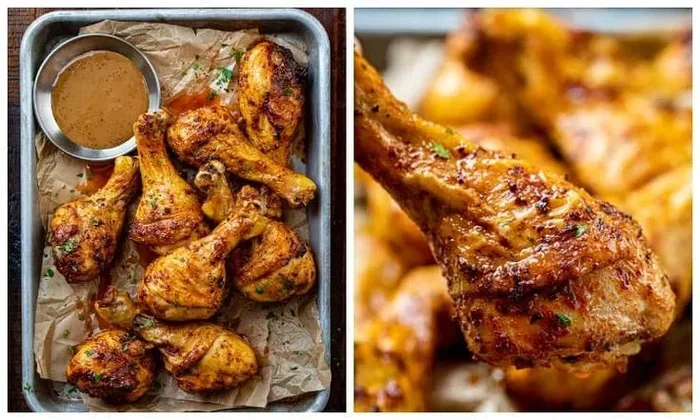
- Chicken drumsticks: Perfect for crispy skin and easy handling.
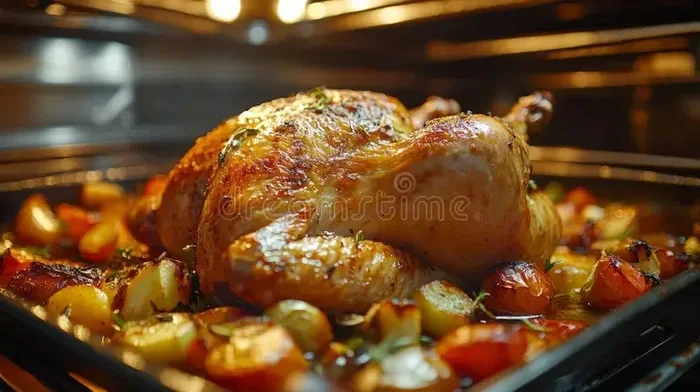
- Whole chicken: Impressive and flavorful. A whole chicken at 400 roasts in about 1.5 hours.
- Chicken wings: Small and fast. Great for roasted chicken appetizers.
Must-Have Tools and Prep Items
- Baking sheet: A sturdy, rimmed sheet pan.
- Parchment paper: Prevents sticking and makes cleanup easy.
- Wire rack: Elevates the chicken for even browning.
- Meat thermometer: The single most important tool for perfect doneness.
- Mixing bowl: For chicken seasoning and marinades.
- Aluminum foil: Optional for tenting if the chicken browns too fast.
Quick Tips
- Line the baking sheet with parchment paper for effortless cleanup.
- A wire rack ensures hot air circulates around the chicken, promoting even crispy chicken skin.
Step-by-Step Guide: How to Cook Chicken in the Oven at 400
This is the core method that guarantees perfect results. Follow these steps exactly for the best oven-baked chicken.
Preheating and Prep
Start by preheating your oven to 400°F. While the oven heats, remove the chicken from the fridge. Cold chicken takes longer to cook and cooks unevenly. Pat the pieces dry with paper towels. Dry skin crisps up much better. Place the chicken on a lined baking sheet or wire rack. If you’re using a whole whole chicken at 400, make sure it is completely dry inside and out.
Seasoning and Marinating
Seasoning is where you build flavor. A simple dry rub of salt, pepper, garlic powder, and paprika works wonders. For extra juiciness, try a brine chicken method. Soak the chicken in salted water for 30 minutes to 2 hours. Drain and pat dry before seasoning. You can also use a chicken seasoning blend with herbs like rosemary and thyme. The key is to coat the chicken evenly but not to drown it in wet marinades, which can steam the skin instead of crisping it.
Baking Times by Cut
The baking time for chicken varies by cut and thickness. Here’s a handy reference table:
| Chicken Cut | Thickness/Weight | Baking Time at 400°F | Internal Temp |
|---|---|---|---|
| Chicken Breast | 6-8 oz each | 20-25 minutes | 165°F |
| Chicken Thighs (bone-in) | 4-6 oz each | 35-40 minutes | 175°F (for tenderness) |
| Chicken Drumsticks | 2-3 oz each | 25-30 minutes | 165°F |
| Whole Chicken | 3-5 lbs | 60-75 minutes | 165°F in thigh |
| Chicken Wings | 2-3 oz each | 20-25 minutes | 165°F |
These times are for chicken pieces at room temperature. Always use a meat thermometer. The internal temperature chicken must reach 165°F for safety.
Checking Doneness
Visual cues help, but a thermometer is foolproof. The juices should run clear when you pierce the thickest part. The meat should be opaque white, not pink. For bone-in chicken, the meat should pull away from the bone easily. If you’re unsure, rest the chicken for 5 minutes and check again. Remember that carryover cooking will raise the temperature a few degrees after you pull it out.
Common Mistakes
- Skipping the dry pat: Wet skin steams instead of crisping.
- Overcrowding the pan: This lowers the oven temperature and causes steaming.
- Guessing doneness: Always use a thermometer. Guessing leads to dry chicken breast at 400.
Pro Tips for Juicy, Flavorful Chicken
These tips elevate your oven-baked chicken from good to great.
Brining and Dry Brining
Brining adds moisture. A wet brine uses salt water. A dry rub with salt and sugar left on the chicken for an hour draws out moisture and then reabsorbs it, seasoning deeply. This is called dry brining. It’s the secret to juicy chicken thighs and flavorful roasted chicken. Dry brining also dries the surface, which means crispier skin in the oven.
Resting the Chicken
Resting is non-negotiable. When you pull the chicken out, the juices are concentrated in the center. Cutting too soon releases them onto the cutting board. Let the chicken rest for 5-10 minutes under a loose tent of foil. This allows carryover cooking to finish the job and keeps the meat juicy. This step is just as important as the baking time for chicken.
Expert Insight
Food scientist Dr. James says, “Resting chicken is like letting a steak rest. The juices redistribute, and you get a far better eating experience.”
Quick Tips
- Use a dry rub at least 30 minutes before baking for deeper flavor.
- For extra crispy skin, pat the chicken dry and refrigerate uncovered for a few hours before baking.
Key Takeaways
- Dry brine for deeper seasoning and crispier skin.
- Rest the chicken for 5-10 minutes under foil.
- Carryover cooking raises the internal temperature by 5°F.
Common Mistakes to Avoid
Even experienced cooks make errors. Here are the top mistakes when how to cook chicken in the oven at 400 goes wrong.
Overcooking and Undercooking
Overcooking is the biggest enemy of juicy chicken. The baking time for chicken at 400°F is short, so set a timer. Undercooking is a food safety risk. Always hit 165°F internally. Use a probe thermometer inserted into the thickest part without touching bone. For chicken breast at 400, pulling it at 160°F is ideal because the residual heat will carry it to 165°F during rest.
Skipping the Rest
Cutting into hot chicken releases all the juices. You end up with dry meat. The carryover cooking process continues to raise the internal temperature by 5°F during rest. So pull the chicken at 160°F and let it rest. This simple habit transforms oven-baked chicken from dry to perfectly juicy.
Not Letting the Chicken Come to Room Temperature
Cold chicken from the fridge cooks unevenly. The outside overcooks while the center lags behind. Take the chicken out 20-30 minutes before baking. This simple step ensures even oven-baked chicken and reduces the total how long to bake chicken time.
Key Takeaways
- Dry the skin: Pat chicken dry for crispy results.
- Use a thermometer: 165°F is the safe minimum.
- Rest the meat: 5-10 minutes under foil.
- Don’t overcrowd: Leave space on the baking sheet.
- Brine or dry brine: It makes a huge difference in juiciness.
Variations and Flavor Ideas
The basic chicken recipe 400 degrees is versatile. Here are some delicious twists.
Herb Butter Chicken
Mix softened butter with minced garlic, rosemary, and thyme. Rub it under the skin of chicken breast at 400 pieces before baking. The butter melts and bastes the meat from within. This creates incredibly juicy chicken thighs and fragrant, aromatic chicken. This method takes how to cook chicken in the oven at 400 to the next level with minimal extra effort.
Spicy Roasted Chicken
For a kick, add cayenne pepper, smoked paprika, and a touch of brown sugar to your chicken seasoning. This creates a sweet-heat crispy chicken skin that’s irresistible. Works great on whole chicken at 400 or drumsticks. The sugar caramelizes in the high heat for a beautiful glaze.
Lemon and Garlic Chicken
Zest a lemon and mix with minced garlic, olive oil, and oregano. Toss chicken pieces in this marinade. The acid tenderizes the meat while the garlic adds depth. Bake as usual for bright, fresh roasted chicken. This is a light, summer-friendly option that pairs well with roasted vegetables.
Quick Tips
- Add a splash of chicken broth to the baking sheet for a simple pan sauce.
- For extra crunch, broil the chicken for the last 1-2 minutes. Watch it closely to avoid burning.
Conclusion
How to cook chicken in the oven at 400 is a skill every home cook should master. The high heat delivers crispy skin and juicy meat with minimal effort. You now know the baking time for chicken for every cut, the importance of temperature, and the pro tips that separate good chicken from great chicken.
Remember to dry the chicken, use a dry rub or brine, and always check the internal temperature chicken with a thermometer. Let the chicken rest before cutting. These simple steps guarantee perfect oven-baked chicken every time. Try a chicken recipe 400 degrees tonight and taste the difference.
Now you’re ready to roast. How to cook chicken in the oven at 400 has never been easier. Enjoy your roasted chicken with confidence.
Key Takeaways
- 400°F is the ideal temperature for crispy skin and juicy meat.
- Pat chicken dry and use a wire rack for best results.
- Use a meat thermometer to avoid overcooking.
- Rest the chicken for 5-10 minutes before serving.
- Brine or dry brine for extra juiciness.
Frequently Asked Questions
How long does it take to bake chicken at 400°F?
It depends on the cut. Chicken breasts take 20-25 minutes, thighs 35-40 minutes, and a whole chicken about 60-75 minutes. Always use a meat thermometer to confirm the internal temperature chicken reaches 165°F.
Can I use frozen chicken for this method?
It’s best to thaw the chicken first for even cooking. If you must use frozen, increase the baking time by about 50% and check the temperature in multiple spots. The baking time for chicken will be longer, but the oven temperature for chicken stays at 400°F.
Do I need to cover chicken with foil when baking at 400?
Usually, no. Leaving it uncovered allows the skin to crisp. If the top browns too quickly, tent loosely with foil for the last 10 minutes. This helps how to cook chicken in the oven at 400 without burning the surface.
What is the best way to keep chicken moist in the oven?
Brine the chicken, use a dry rub, and don’t overcook. Let the chicken rest after baking. Carryover cooking continues to cook the meat gently, keeping it juicy. Also, choose fattier cuts like juicy chicken thighs for more moisture.
Is it safe to eat chicken at 160°F if I rest it?
Yes. The USDA says chicken is safe at 165°F, but carryover cooking raises the temperature by 5-10°F during rest. Pulling the chicken at 160°F and letting it rest for 5-10 minutes will bring it to a safe 165°F. This is a great tip for chicken breast at 400 to keep it from drying out.
Can I bake a whole chicken at 400°F?
Absolutely. A 3-5 pound whole chicken roasts beautifully at 400°F in about 60-75 minutes. The high heat crisps the skin and cooks the meat evenly. Use a probe thermometer in the thigh, avoiding the bone, to ensure it’s done.