Can I Put Foil Directly On Oven Rack Without Any Problems
Yes, you can put foil directly on the oven rack, but there are important safety rules you must follow. Using aluminum foil on your oven rack can help with cleanup, protect the rack from drips, and even improve cooking results. However, improper use can cause sparks, uneven heating, or damage to your oven. This guide covers everything you need to know about foil directly on oven rack safely and effectively.
Many home cooks reach for aluminum foil when they want to make oven cleanup easier. You might wonder whether it is safe to place foil directly on the oven rack. The short answer is yes, you can. But there are some important rules and tips you need to know before you do it.
Using foil directly on oven rack setups is a common kitchen practice. It helps catch drips, protects your rack from grease, and sometimes even improves how your food cooks. But doing it wrong can lead to sparks, uneven cooking, or even damage to your oven. This article walks you through everything you need to know about using aluminum foil on your oven rack the right way.
Whether you are roasting vegetables, baking meat, or just trying to keep your oven clean, this guide has you covered. We will look at the benefits, the risks, the best techniques, and some great alternatives. By the end, you will feel confident about using foil in your oven safely and effectively.
Key Takeaways
- Safe to use: You can place foil directly on the oven rack for specific cooking tasks and cleanup purposes.
- Follow the rules: Never let foil touch the oven walls or heating elements, and avoid covering more than 75% of the rack.
- Improves cleanup: Lining the rack with foil catches drips and makes post-cooking cleaning much easier.
- Watch for risks: Foil can cause sparks if it touches metal parts, and it may block heat flow if used incorrectly.
- Alternatives exist: Parchment paper and silicone mats are safer options for some oven tasks.
- Temperature matters: Keep foil use below the maximum temperature rating of your oven and the foil itself.
📑 Table of Contents
- Can You Put Foil Directly On The Oven Rack?
- Benefits Of Putting Foil Directly On The Oven Rack
- Risks And Dangers Of Using Foil On The Oven Rack
- How To Properly Put Foil On The Oven Rack
- Best Practices For Using Foil In The Oven
- Foil On Oven Rack: Common Mistakes To Avoid
- Foil Vs Alternatives: What Works Best On The Oven Rack?
- Expert Tips For Cooking With Foil On The Oven Rack
- How Foil Affects Different Cooking Methods
- Temperature Guidelines For Foil On The Oven Rack
- Conclusion
Can You Put Foil Directly On The Oven Rack?
The simple answer is yes. You can place aluminum foil directly on the oven rack. Many people do this all the time without any problems. It is one of the most common kitchen hacks for keeping ovens clean. But the key word here is properly. How you place the foil matters a lot.
Not all foil uses are equal. There is a big difference between lining a baking sheet with foil and draping foil loosely over the oven rack. Each method has its own set of rules. Let us break down what works and what does not.
When It Is Safe To Use Foil On The Rack
You can safely put foil on the oven rack in several situations:
- Catching drips: Placing foil under food like ribs, roast chicken, or baked goods prevents grease from hitting the bottom of your oven.
- Easy cleanup: After cooking, you simply remove the foil and throw it away. No scrubbing required.
- Protecting food from burning: Foil can shield delicate foods from direct heat, especially during long cooking times.
- Roasting vegetables: Lining the rack with foil makes tossing and cleaning up roasted veggies a breeze.
When You Should Avoid Foil On The Rack
There are also times when you should skip the foil entirely:
- When the foil touches the oven walls: This can cause heat reflection issues and potentially damage the oven interior.
- When using a convection setting: The fan can blow loose foil around, which may cause sparks or block airflow.
- When covering more than 75% of the rack: Blocking too much airflow disrupts heat circulation and leads to uneven cooking.
- When cooking at extreme temperatures: Some ovens exceed the safe temperature range for standard aluminum foil.
Benefits Of Putting Foil Directly On The Oven Rack
Using foil on the oven rack offers several practical advantages. Most home cooks use it for one main reason: cleanup. But there are other benefits that might surprise you.
1. Makes Cleanup A Breeze
This is the number one reason people use foil on the oven rack. When you roast a chicken or bake a casserole, drips and spills are inevitable. Lining the rack with foil catches all of that mess. When you are done cooking, you just pull out the foil and toss it in the trash. Your oven rack stays spotless. This is especially helpful if you have a Hamilton Beach toaster oven or any smaller oven where reaching the rack is difficult. For more on keeping your oven clean, check out our guide on how to clean a Hamilton Beach toaster oven for additional tips.
2. Protects Your Food
Foil can act as a shield. If you are cooking something that tends to burn on top, covering it loosely with foil prevents over-browning. This works great for pot roasts, whole chickens, and lasagna. The foil reflects heat gently and keeps the top from getting too dark before the inside is fully cooked.
3. Improves Heat Distribution
When used correctly, foil can help distribute heat more evenly across the rack. This is especially useful when you are cooking multiple items at once. The foil acts as a heat buffer and reduces hot spots that can cause uneven browning.
4. Saves Time
Less mess means less time cleaning. Instead of scrubbing baked-on grease off your oven rack, you just replace the foil. Over time, this saves you a surprising amount of effort and keeps your oven looking new longer.
Risks And Dangers Of Using Foil On The Oven Rack
While foil on the oven rack is generally safe, there are real risks you should understand. Ignoring these can lead to kitchen accidents or oven damage.
1. Fire Hazard From Sparks
Aluminum foil can spark if it comes into contact with the oven walls, heating elements, or other metal parts inside the oven. This is especially true in convection ovens where the fan blows the foil around. Sparks can ignite nearby food debris or grease, creating a fire risk.
2. Uneven Cooking
Foil reflects heat. If you cover too much of the rack, it blocks heat from reaching the food properly. This leads to uneven cooking. Some parts of your meal may be undercooked while others are overcooked. The steam trapped under the foil can also make the bottom of your food soggy.
3. Damage To The Oven
Repeated use of foil on the rack can cause long-term damage. The foil can scratch the oven’s interior surfaces. It can also block heat sensors, which causes the oven to malfunction. Over time, this may lead to inaccurate temperature readings and poor cooking performance.
4. Foil Can Melt Or Warp
Standard aluminum foil has a melting point of around 1220 degrees Fahrenheit. Most cooking temperatures are well below this. However, if the foil is very thin or if it is crumpled tightly, heat can concentrate in small areas. This can cause the foil to warp, melt, or even stick to the rack. Heavy-duty foil handles high temperatures much better and is the safer choice.
How To Properly Put Foil On The Oven Rack
If you decide to use foil on your oven rack, doing it the right way matters. Follow these steps for safe and effective results.
Step 1: Choose The Right Foil
Always use heavy-duty aluminum foil for oven rack use. Regular thin foil tears easily, sticks to food, and can fall through the rack. Heavy-duty foil is thicker, more durable, and handles high temperatures better. Look for foil labeled “heavy-duty” or “extra strong” at your grocery store.
Step 2: Measure And Cut The Foil
Measure your oven rack and cut the foil to fit. Leave a little extra on the sides so the foil stays in place. Do not let the foil drape over the edges of the rack and touch the oven walls. Leave at least one inch of clearance on all sides.
Step 3: Place The Foil Loosely
This is the most important step. Do not stretch the foil tightly across the rack. Instead, lay it down loosely. The foil should have some give and should not be pulled drum-tight. Loose placement allows air to flow underneath, which promotes even cooking. It also prevents the foil from acting as a heat shield that blocks warmth from reaching your food.
Step 4: Poke Holes For Steam
Use a fork to poke several small holes in the foil. This allows steam to escape and prevents moisture from building up under the food. Steam trapped under the foil can make food soggy and can also cause the foil to bubble or tear.
Step 5: Check While Cooking
Never walk away and forget about foil in the oven. Check on your food periodically. Make sure the foil has not shifted, torn, or touched any oven walls or heating elements. If you see any sparks or unusual behavior, remove the foil immediately.
Best Practices For Using Foil In The Oven
To get the most out of using foil on your oven rack, follow these best practices:
- Always use the bottom rack position when lining with foil. This catches drips before they reach the oven floor and keeps the foil away from the top heating element.
- Do not preheat with foil on the rack. Wait until you put the food in before placing the foil. Preheating empty foil can cause it to heat unevenly and potentially stick to the rack.
- Replace the foil after each use. Do not reuse foil that has been baked on. Grease and food particles build up, and the foil can tear more easily on reuse.
- Keep the foil away from the broiler. The broiler element reaches extremely high temperatures and can cause foil to melt or spark. Never use foil under the broiler.
- Do not cover more than 75% of the rack surface. This ensures proper airflow and even heat distribution throughout the oven.
Foil On Oven Rack: Common Mistakes To Avoid
Even experienced cooks make mistakes when using foil in the oven. Here are the most common ones and how to avoid them.
Mistake 1: Covering Too Much Of The Rack
Some people cover the entire rack with foil to make cleanup even easier. This is a bad idea. Blocking airflow prevents heat from circulating properly. Your food will cook unevenly, and you may end up with raw spots or burned edges. Keep foil coverage to no more than 75% of the rack surface.
Mistake 2: Letting Foil Touch The Oven Walls
Foil that touches the oven walls can reflect heat onto the glass door or the interior lining. Over time, this can discolor or damage the oven interior. It can also cause the foil to heat up unevenly and potentially melt. Always keep a gap between the foil and any oven surface.
Mistake 3: Using Foil In A Toaster Oven Without Checking
Toaster ovens have smaller interiors and heating elements that are closer to the food. Foil in a toaster oven can block heat from the elements and cause uneven cooking or even damage. If you are using a toaster oven, be extra cautious. You can learn more about safe materials in toaster ovens in our article on is parchment paper toaster oven safe, which covers safe alternatives for smaller ovens.
Mistake 4: Forgetting About The Type Of Food
Some foods react with aluminum foil. Acidic foods like tomatoes, citrus, and vinegar-based sauces can cause a metallic taste and may even pit the surface of the foil. If you are cooking acidic foods, consider using parchment paper instead of foil.
Foil Vs Alternatives: What Works Best On The Oven Rack?
Foil is not the only option for lining your oven rack. Here is how it compares to other common alternatives.
| Material | Heat Safe | Cleanup Ease | Airflow | Best For |
|---|---|---|---|---|
| Aluminum Foil | Up to 1220 F | Excellent | Moderate (if loose) | Roasting, drips, general cleanup |
| Parchment Paper | Up to 450 F | Good | Good | Baking, moderate temps |
| Silicone Baking Mat | Up to 480 F | Very Good | Excellent | Reusable baking, even heat |
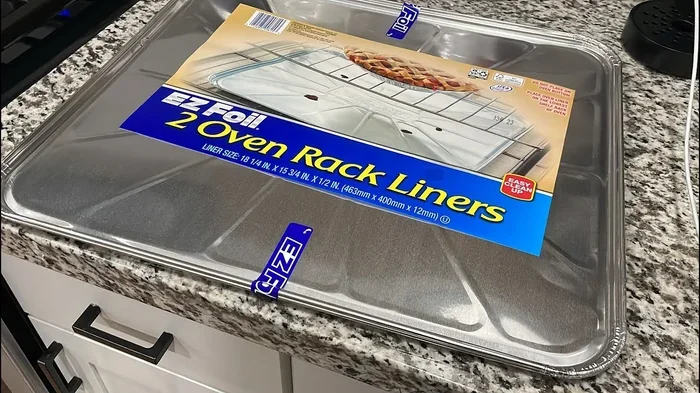
| Disposable Oven Liner | Up to 500 F | Excellent | Moderate | Oven bottom protection, easy cleanup |
Each option has its strengths. Aluminum foil handles the highest temperatures and is great for catching heavy drips. Parchment paper works well for baking at moderate temperatures and does not react with food the way foil can. Silicone mats are reusable and provide excellent airflow. Disposable oven liners are a great middle ground if you want something specifically designed for oven cleanup.
If you are cooking something like a filet mignon or a steak that needs precise heat, foil might not be the best choice because it can block heat from reaching the meat evenly. For oven-safe plate use, you can also check our guide on can I put a plate in the oven for helpful tips on other oven-safe materials.
Expert Tips For Cooking With Foil On The Oven Rack
Here are some pro tips that can help you get better results when using foil on the oven rack:
- Shiny side vs. dull side: The shiny side of foil reflects more heat. If you want to keep heat directed at your food, place the shiny side facing in. If you want to reflect heat away, place the dull side facing in. The difference is minor but can matter for delicate dishes.
- Use two layers for heavy drips: If you are cooking something very greasy, double up the foil. Two layers prevent grease from soaking through and making a mess on the rack.
- Label your foil after use: If you are cooking multiple dishes, mark the foil with the food name and date. This helps you keep track of what has been used and when.
- Do not crumple foil tightly: Tightly crumpled foil creates hot spots where heat concentrates. These hot spots can burn your food or cause the foil to break down faster.
- Combine foil with a baking sheet: For extra stability, place the foil on the rack and then put a baking sheet on top. This holds the foil in place and prevents it from shifting during cooking.
How Foil Affects Different Cooking Methods
The way foil affects your cooking depends on the method you are using. Here is a quick look at how foil interacts with common oven cooking techniques.
Roasting
Foil works great for roasting meats and vegetables. It catches drips and makes cleanup simple. For roasts, place the foil loosely over the top of the meat to prevent over-browning while the inside cooks through.
Baking
For baking cookies or pastries, foil is not always ideal. It can cause bottoms to brown too quickly. Parchment paper is usually a better choice for baking. However, for sheet pan meals and one-pan dinners, foil on the rack works wonderfully.
Broiling
Never use foil when broiling. The direct, intense heat from the broiler element can cause foil to melt, spark, or even start a fire. Always remove foil before switching to the broil setting.
Reheating
Foil can be used for reheating leftovers in the oven. It helps retain moisture and prevents the food from drying out. Just make sure the foil is not wrapped tightly around the food, as you need some airflow for even reheating.
Temperature Guidelines For Foil On The Oven Rack
Understanding temperature limits is essential for safe foil use. Standard aluminum foil is safe up to about 1220 degrees Fahrenheit. Most household ovens operate between 150 and 550 degrees Fahrenheit. This means standard oven use is well within the safe range for foil.
However, there are a few temperature-related considerations to keep in mind:
- Standard ovens: Foil is safe at all typical cooking temperatures up to 550 F.
- Self-cleaning ovens: Do not use foil during the self-cleaning cycle. The extreme temperatures can cause foil to melt or ignite.
- High-heat cooking above 500 F: Even though foil can handle higher temperatures, it is best to avoid prolonged exposure above 500 F. The foil may become brittle and more likely to tear.
- Convection ovens: The circulating fan can cause loose foil to shift. Always secure foil properly and keep it away from the fan area.
For specific oven types and temperatures, you may want to check whether your oven-safe materials can handle the heat. If you are also wondering about baking items like brie in the oven, our guide on how long to bake brie in the oven offers great temperature and timing tips.
Conclusion
So, can you put foil directly on the oven rack? Yes, absolutely — as long as you follow the safety guidelines. Using foil directly on oven rack is a practical and effective way to make cleanup easier, protect your food, and improve your cooking results. The key is to use it properly: keep it loose, avoid touching oven walls, do not cover too much of the rack, and always stay within safe temperature limits.
Remember that foil is not the only option. Parchment paper, silicone mats, and disposable oven liners all have their place in the kitchen. Choose the right tool for the job and you will get the best results every time.
With the tips and guidelines in this article, you are now equipped to use foil on your oven rack safely and confidently. Start experimenting with these techniques in your next cooking session and enjoy a cleaner oven and better-cooked meals. Happy cooking!
Frequently Asked Questions
Can I Put Aluminum Foil Directly On The Oven Rack?
Yes, you can place aluminum foil directly on the oven rack. Just make sure the foil is laid loosely, does not touch the oven walls, and does not cover more than 75% of the rack surface. Using heavy-duty foil is the safest option for oven rack use.
Is It Safe To Line The Oven Rack With Foil For Cleanup?
It is generally safe and very common. Lining the rack with foil catches drips and spills, making cleanup much easier. However, never let the foil touch the heating elements or oven walls, and always remove it after cooking.
What Happens If Foil Touches The Oven Wall?
If foil touches the oven wall, it can reflect heat unevenly and potentially cause damage to the oven interior. It may also spark or melt if the foil is close enough to the heating elements. Always leave at least one inch of clearance between the foil and any oven surface.
Can You Put Foil On The Oven Rack In A Convection Oven?
You can, but it requires extra caution. The fan in a convection oven can blow loose foil around, which may cause sparks or block airflow. Secure the foil tightly in place and keep it away from the fan area. Consider using parchment paper as a safer alternative in convection ovens.
Does Foil Affect Cooking Time Or Temperature?
Yes, foil can affect both. Covering too much of the rack blocks airflow and can lead to uneven cooking. Foil also reflects heat, which can either help keep food warm or prevent proper browning, depending on how it is used. Use foil loosely to minimize its impact on cooking performance.
Can You Reuse Foil That Has Been On The Oven Rack?
It is best to use fresh foil each time. Used foil can have grease and food residue baked into it, which makes it more likely to tear and less effective at catching drips. Reusing foil also increases the risk of it shifting or falling during cooking. Always use a new sheet for best results.