How Did The Dutch Oven Get Its Name And Why It Matters
The Dutch oven got its name from an Englishman who marketed a traditional pot design inspired by Dutch metalworking techniques. This heavy, lidded cooking vessel has survived centuries because it delivers exceptional heat retention, even cooking, and versatility for dishes like stews, braises, and one-pot meals. Understanding its origin helps cooks appreciate why it remains a kitchen staple for home chefs and professionals alike.
The name “Dutch oven” sounds simple enough. But behind those two words lies a surprisingly rich story. It involves clever marketing, European metalworking traditions, and a cooking pot that changed the way people prepared meals. If you have ever wondered how did the Dutch oven get its name, you are about to find out. And more importantly, you will learn why it still matters in today’s kitchen.
A Dutch oven is not just another pot. It is a heavy cooking vessel with a tight-fitting lid, usually made from cast iron. People use it for everything from slow-cooked stews to freshly baked bread. The design has barely changed in hundreds of years. That speaks volumes about how well it works. Let us dig into the history and see what makes this piece of cookware so special.
Key Takeaways
- Dutch Origin: The name traces back to a British marketing effort that borrowed from Dutch metalworking craftsmanship in the 1700s.
- Cast Iron Construction: Traditional Dutch ovens are made from heavy cast iron, which provides outstanding heat retention and even distribution.
- Versatile Cooking: You can use a Dutch oven for braising, stewing, baking bread, roasting, and slow cooking on stovetops or in ovens.
- Historical Significance: The pot evolved from Dutch metal casting methods and was later popularized across Europe and America.
- Modern Relevance: Today’s Dutch ovens come in enameled and bare cast iron versions, making them more accessible and easier to maintain.
- Why It Matters: Knowing the history helps you choose the right pot, use it properly, and care for it in ways that honor its legacy.
📑 Table of Contents
- The Origins of the Dutch Oven
- How the Dutch Oven Spread Across the World
- Why the Design Has Barely Changed
- What You Can Cook in a Dutch Oven
- How to Choose the Right Dutch Oven
- Common Mistakes People Make with Dutch Ovens
- Why Understanding the History Matters
- Tips for Getting the Most Out of Your Dutch Oven
- Final Thoughts
The Origins of the Dutch Oven
The story begins in the Netherlands during the 1700s. Dutch metalworkers had developed an amazing technique. They used sand casting to create pots and pans with incredibly smooth surfaces. This method allowed them to produce cookware that heated evenly and held heat for a long time. British traders noticed this craftsmanship and saw an opportunity.
A British Marketing Genius
In 1704, a British merchant named Abraham Darby traveled to the Netherlands. He studied the Dutch casting methods closely. What he saw impressed him. When he returned to England, he patented a similar process. He began producing cast iron pots using the same sand-casting techniques the Dutch had perfected.
Here is where the name comes in. Darby and his partners marketed these pots as being made in the “Dutch” style. The idea was simple. People trusted quality. And Dutch metalworking had a reputation for excellence. So they slapped the label “Dutch” on the pots. And the name stuck.
At first, these pots did not have the round shape we know today. Early versions were more like flat pans. But over time, designers added a lid and rounded the walls. This created the classic Dutch oven shape we recognize now. The tall walls and lid made it perfect for slow cooking and braising.
How the Dutch Oven Spread Across the World
Once the British started producing these pots, they quickly gained popularity. The design spread to the American colonies through trade. Early American settlers loved the Dutch oven. It was practical, durable, and could do almost everything in the kitchen.
The Dutch Oven in Colonial America
In colonial America, the Dutch oven became a kitchen essential. Families used it for daily cooking. It sat over open fires or inside hearths. Pioneers heading west in the 1800s brought Dutch ovens along. These pots were too useful to leave behind. They could bake bread, cook stews, and roast meat over a campfire.
Abraham Lincoln’s mother, Nancy Hanks Lincoln, was known for cooking meals in a Dutch oven. This shows how common the pot had become by the 1800s. It was not a fancy item. It was a practical kitchen tool that every family needed.
The design also traveled to other parts of the world. European explorers and traders carried Dutch ovens to Africa, Asia, and the Americas. Each culture adapted the pot to its own cooking traditions. In some regions, people added legs to the bottom so the pot could sit directly over coals. Others modified the lid to hold hot coals on top for even heat from all sides.
Why the Design Has Barely Changed
What makes the Dutch oven design so enduring? The answer lies in physics. A thick cast iron body retains heat incredibly well. The tight-fitting lid traps moisture inside. This creates a self-basting environment. Food stays tender and flavorful. The heavy lid also distributes heat evenly across the top of the dish.
The Science Behind the Design
Cast iron has a high thermal mass. This means it takes a while to heat up. But once hot, it holds that heat for a long time. This is perfect for slow-cooked dishes. The even heat distribution prevents hot spots. Food cooks uniformly from all sides.
The lid plays an equally important role. As food cooks, it releases steam. The lid traps that moisture. It then condenses and drips back down onto the food. This natural braising process keeps dishes moist and flavorful. You get restaurant-quality results at home.
Modern Dutch ovens come in two main types. Bare cast iron and enameled cast iron. Both share the same basic design. The difference is the outer coating. Bare cast iron needs seasoning. Enameled versions have a factory-applied glass coating. They are easier to clean but just as effective for cooking.
What You Can Cook in a Dutch Oven
The versatility of a Dutch oven is one of the main reasons it has survived for centuries. You can use it on the stovetop, in the oven, or over an open fire. Here are some of the best things to make in one.
Soups and Stews
This is what the Dutch oven does best. A hearty beef stew or a rich vegetable soup simmers beautifully in this pot. The heavy walls keep the temperature steady. The lid traps all the flavors inside. You can bake a flavorful soup in the oven at a low temperature for hours. The result is a deeply developed taste that you cannot get from a regular saucepan.
Baked Bread
Making artisan bread at home is easier than you think with a Dutch oven. The pot creates a mini oven inside. The lid traps steam, which helps the bread develop a crispy crust. Many bakers swear by this method for homemade sourdough. The results rival those from professional bakeries.
Braised Meats
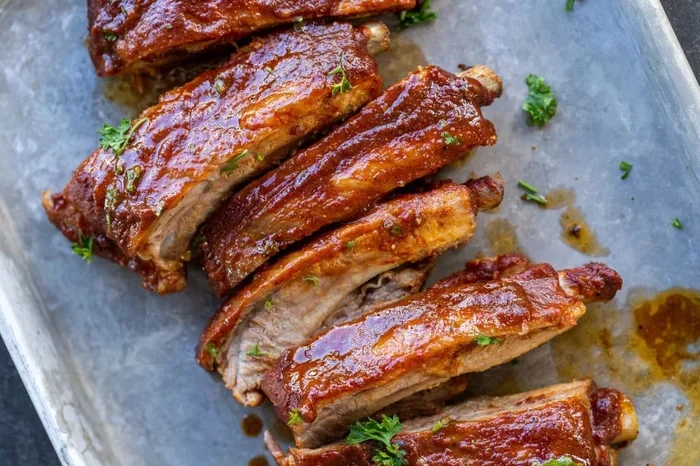
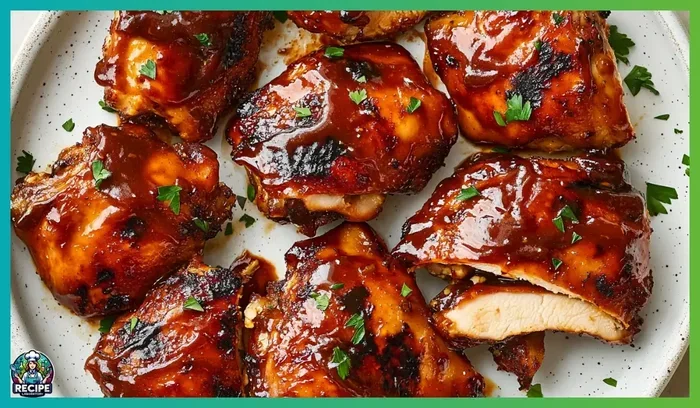
Braising is a cooking technique where you sear meat first, then cook it slowly in liquid. A Dutch oven is the perfect vessel for this. The heavy pot holds heat steady. The tight lid keeps the braising liquid from reducing too quickly. You can braise short ribs, pot roast, or chicken thighs. The meat comes out fall-off-the-bone tender every time.
One-Pot Meals
Busy weeknights call for simple solutions. One-pot meals are a lifesaver. You can throw vegetables, protein, and seasoning into a Dutch oven and let it do the work. Potatoes cook beautifully in these pots, and you can find out exactly how long do potatoes take to cook in the oven by experimenting with your own Dutch oven recipes. The hands-off nature of this cooking style makes it perfect for families.
How to Choose the Right Dutch Oven
Not all Dutch ovens are created equal. The market offers many options. Choosing the right one depends on your cooking style and needs.
Size Matters
Dutch ovens come in various sizes. A 5-quart pot works well for most families. It handles soups for four to six people easily. Larger pots, like 7 or 8 quart versions, are great for entertaining or batch cooking. Smaller 3-quart pots work well for side dishes or individual meals.
Material Options
Cast iron is the traditional choice. It lasts for decades with proper care. Enameled cast iron, popularized by brands like Le Creuset and Staub, looks beautiful and does not require seasoning. It is also easier to clean. However, it tends to cost more.
Some modern versions use aluminum or stainless steel with a Dutch oven-style shape. These are lighter and heat up faster. But they do not match the heat retention of cast iron. If you want the authentic experience, stick with traditional cast iron.
Lid Design
The lid is a critical component. Look for a lid that fits snugly. Some lids have small knobs or spikes on the inside. These help condensation drip back onto the food. The knob on top should be heat-resistant. This way you can put the entire pot in a hot oven without worry.
Common Mistakes People Make with Dutch Ovens
Even experienced cooks sometimes make mistakes with their Dutch ovens. Avoiding these errors will help you get the most from your pot.
Using It on High Heat
Cast iron heats slowly but retains heat intensely. Using high heat can cause food to burn on the bottom. Always preheat your pot gradually. Use medium or medium-low heat for most cooking tasks. The pot holds heat so well that you do not need high temperatures.
Skipping the Preheating Step
Some recipes call for preheating the Dutch oven before adding food. This is especially important for bread baking. Skipping this step can lead to uneven cooking. Take the extra few minutes to let the pot heat up properly.
Neglecting Maintenance
Bare cast iron Dutch ovens need regular seasoning. This means applying a thin layer of oil after cleaning. Skipping this step can lead to rust and sticking. Enameled versions are lower maintenance but should still be hand-washed. Avoid thermal shock by not plunging a hot pot into cold water.
If you are dealing with a different type of oven, keeping it clean is also important for overall kitchen performance. For example, how to clean Hamilton Beach toaster oven involves different steps, but the principle is the same. Regular maintenance extends the life of any cooking appliance.
Why Understanding the History Matters
You might be thinking, “Why does the name even matter?” It matters because understanding where something comes from helps you use it better. When you know the Dutch oven was designed for slow, even cooking, you approach it differently. You are less likely to blast it with high heat. You are more likely to give it time to do its job.
The name also connects us to a tradition of craftsmanship. Every time you use a Dutch oven, you are participating in a cooking tradition that spans centuries. People from colonial America to modern-day home cooks have relied on this simple, effective design. It has outlasted every kitchen trend. And it will likely outlast all of them.
The Dutch oven also connects to broader cooking techniques. Whether you are baking Brie in the oven for a dinner party or preparing a simple weeknight meal, the principles remain the same. Low and slow heat, trapped moisture, and even cooking. These are the foundations of great food. And the Dutch oven delivers all three.
Another important consideration is safety. Always make sure your cookware is oven-safe before putting it in the oven. Not all pots and pans can handle high temperatures. Using the right equipment prevents accidents and ensures your food cooks properly.
The Dutch oven also pairs beautifully with parchment paper for certain baking tasks. However, you should always check if parchment paper is toaster oven safe before using it in any small appliance. Safety in the kitchen should always come first.
Tips for Getting the Most Out of Your Dutch Oven
Here are some practical tips to help you use your Dutch oven like a pro:
- Preheat gradually. Let the pot warm up slowly to prevent thermal shock and ensure even heating.
- Use the right size. Do not overcrowd the pot. Leave room for heat to circulate around the food.
- Season bare cast iron regularly. A well-seasoned pot is naturally nonstick and resists rust.
- Let it cool naturally. Do not plunge a hot pot into cold water. This can warp the metal or crack the enamel.
- Use it for desserts too. Dutch ovens make excellent cobblers, cakes, and even baked apples.
- Experiment with different heat sources. Try using it on a campfire, on a gas stove, or in an electric oven.
- Invest in quality. A good Dutch oven lasts a lifetime. Buy the best you can afford.
The beauty of the Dutch oven lies in its simplicity. There are no complicated settings or buttons. Just a heavy pot and a lid. But within that simple design lies centuries of cooking wisdom. Every meal you prepare in it connects you to a long line of cooks who came before you.
Final Thoughts
The story of how the Dutch oven got its name is more than just a fun fact. It is a reminder that the best tools often come from the simplest ideas. A clever British merchant saw quality Dutch craftsmanship and brought it to a wider audience. The rest is history. Today, the Dutch oven sits in kitchens around the world. It serves families, feeds communities, and creates memories over shared meals.
Whether you are a beginner or a seasoned cook, the Dutch oven deserves a place in your kitchen. It is versatile, durable, and endlessly capable. It bridges the gap between traditional cooking and modern convenience. And every time you lift that heavy lid to reveal a perfectly cooked meal, you are part of a tradition that spans three centuries.
So next time you use your Dutch oven, take a moment to appreciate its history. Think about the Dutch metalworkers who first perfected the casting technique. Think about the pioneers who carried these pots across continents. And think about how this humble kitchen tool continues to make our lives better, one meal at a time.
Frequently Asked Questions
Why is it called a Dutch oven if it was invented in England?
The name comes from the marketing strategy used by British merchant Abraham Darby. He copied the sand-casting techniques developed by Dutch metalworkers and labeled his products as “Dutch” style. The name stuck because it implied quality and craftsmanship associated with Dutch manufacturing.
Can you use a Dutch oven on a stovetop?
Yes, Dutch ovens work on stovetops. They are designed to handle direct heat from gas, electric, and induction burners. Just remember to heat them gradually to avoid warping or damaging the surface.
What is the difference between bare cast iron and enameled Dutch ovens?
Bare cast iron Dutch ovens need regular seasoning and hand washing. They develop a natural nonstick surface over time. Enameled versions have a factory coating that makes them easier to clean and prevents rust. Both types cook food equally well.
How do you clean a Dutch oven properly?
For bare cast iron, avoid using soap and scrub with a brush or chain-mail cleaner. Rinse and dry immediately, then apply a thin layer of oil. Enameled Dutch ovens can be washed with mild soap and warm water. Never put a hot Dutch oven in cold water to prevent cracking.
What dishes are best cooked in a Dutch oven?
Dutch ovens excel at soups, stews, braises, and one-pot meals. They also bake bread beautifully and roast meats to perfection. Any dish that benefits from slow, even heat and trapped moisture works wonderfully in a Dutch oven.
How long does a Dutch oven last?
A quality Dutch oven can last for decades or even a lifetime with proper care. Cast iron is incredibly durable. Many families pass down Dutch ovens through generations. The key is maintaining it properly and avoiding thermal shock.