How High To Cook A Turkey In The Oven For Juicy Bird
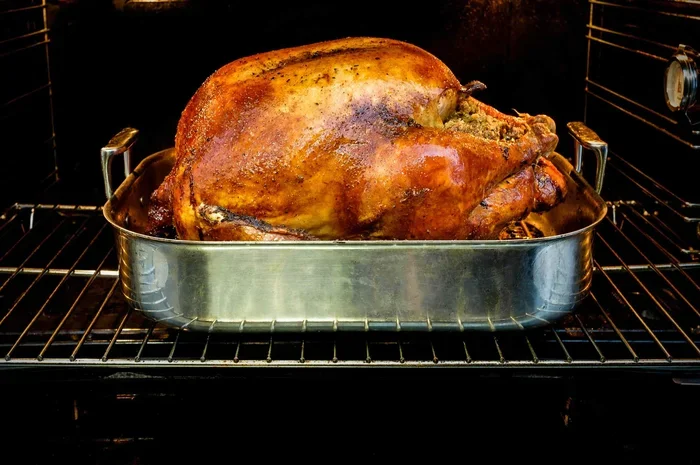
Cooking a turkey at the right oven temperature is the single most important step to getting a juicy, flavorful bird. Most experts recommend roasting a whole turkey between 325°F and 425°F, depending on your preferred skin texture and cook time. This guide covers how high to cook a turkey in the oven, including temperature options, timing charts, and pro tips for perfect turkey roasting results.
There is nothing quite like a perfectly roasted turkey. Whether it is Thanksgiving, Christmas, or just a Sunday dinner, the center of the table always features a golden brown bird. But getting it right can feel tricky. Too high a temperature and the outside burns while the inside stays raw. Too low and you end up with a dry, bland bird that nobody wants seconds of.
If you have ever wondered how high to cook a turkey in the oven, you are not alone. This question comes up every holiday season, and for good reason. The oven temperature you choose changes everything. It affects cook time, skin texture, moisture levels, and even how the turkey tastes. In this guide, we will walk you through every temperature option, what works best for different turkey sizes, and how to avoid the mistakes that ruin an otherwise great roast.
The good news is that cooking a whole turkey does not have to be complicated. Once you understand the basics of oven roasting, you will feel confident walking into the kitchen. Let us break it all down so you can serve a juicy turkey that makes everyone at the table happy.
Key Takeaways
- 325°F is the safest standard: This temperature cooks turkey evenly and keeps it juicy throughout.
- Higher temps (400-425°F) speed things up: You get crispy skin faster but need to watch the bird closely.
- Turkey size matters a lot: A larger bird needs lower heat and more time to cook through properly.
- Use a meat thermometer: The internal temperature of 165°F in the thickest part is the only true way to know doneness.
- Resting is non-negotiable: Letting the turkey rest for 20-30 minutes redistributes juices for a moister result.
- Stuffing affects cooking time: A stuffed turkey takes longer and may need a slightly higher oven setting.
- Basting every 45 minutes helps: This keeps the turkey moist and builds flavor on the surface.
📑 Table of Contents
- What Temperature Is Best For Cooking A Turkey
- How Long To Cook A Turkey At Each Temperature
- Choosing The Right Turkey Size For Your Oven
- Tips For Crispy Skin And Juicy Meat
- Common Mistakes People Make When Roasting Turkey
- Turkey Doneness: How To Know When It Is Ready
- Expert Insights On Turkey Roasting
- Key Takeaways
- Conclusion
What Temperature Is Best For Cooking A Turkey
The answer to how high to cook a turkey in the oven depends on what kind of result you want. There is no single perfect temperature for every situation. Instead, there are a few sweet spots that home cooks and professional chefs both trust. Let us look at each one.
The Standard 325°F Approach
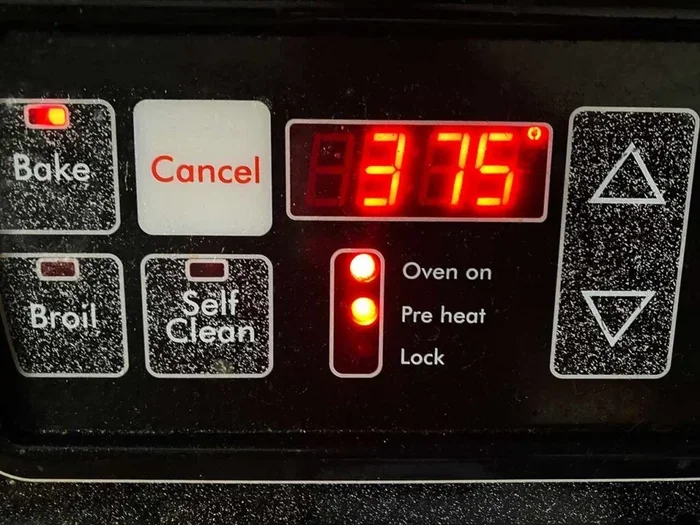
The United States Department of Agriculture recommends roasting a turkey at 325°F. This is the go-to temperature for most home cooks. At this heat, the turkey cooks slowly and evenly. The white meat and dark meat cook at roughly the same rate, which means fewer dry spots. A turkey at 325°F also gives you plenty of time for the flavors to develop inside the bird.
This temperature works especially well for turkeys over 12 pounds. The lower heat allows the inside to cook through without the outside turning into a charred mess. If you want a foolproof method, 325°F is your best bet.
The 350°F Middle Ground
Many cooks prefer 350°F because it strikes a nice balance. The turkey cooks a bit faster than at 325°F, and the skin gets a little more color. This temperature is great for medium-sized birds, typically between 10 and 14 pounds. At 350°F, you still get a moist interior without sacrificing too much time.
If you are short on time but do not want to risk drying out the bird, 350°F is a solid choice. It is the temperature many family recipes have used for generations, and for good reason.
The High-Heat 400-425°F Method
Some cooks like to start hot and then drop the temperature. This is the high-heat roasting method. You set the oven to 400°F or 425°F for the first 30 to 45 minutes. The intense heat crisps up the turkey skin quickly and creates a beautiful golden brown color. Then you lower the temperature to 325°F or 350°F to finish the cook gently.
This method works wonderfully for birds under 14 pounds. The initial blast of heat locks in moisture and jumpstarts the crispy skin process. Just be careful not to leave the turkey at high heat too long, or the outside will burn before the inside is done.
How Long To Cook A Turkey At Each Temperature
Temperature and time go hand in hand when you are roasting a whole turkey. The higher you set the oven, the less time the bird needs. But there is more to it than just the number on the dial. Let us break down the timing for each temperature range.
Timing Guide For Different Turkey Sizes
The weight of your turkey is the biggest factor in determining cook time. Here is a general guide to help you plan:
- 8-12 pounds at 325°F: About 2.5 to 3 hours
- 12-16 pounds at 325°F: About 3 to 3.5 hours
- 16-20 pounds at 325°F: About 3.5 to 4 hours
- 8-12 pounds at 350°F: About 2 to 2.5 hours
- 12-16 pounds at 350°F: About 2.5 to 3 hours
- 16-20 pounds at 350°F: About 3 to 3.5 hours
- 8-12 pounds at 400°F: About 2 to 2.5 hours
- 12-16 pounds at 400°F: About 2.5 to 3 hours
These times are estimates. Every oven is different, and every bird is different. The only way to know for sure is to use a meat thermometer. We will cover that in more detail later.
Does Stuffing Change The Cook Time
Yes, it absolutely does. A stuffed turkey needs about 30 minutes longer than an unstuffed one. The stuffing inside the cavity acts as insulation. It slows down the heat transfer to the center of the bird. If you are serving a stuffed turkey, plan accordingly and make sure the stuffing reaches an internal temperature of 165°F as well.
Some cooks prefer to cook the stuffing separately. This is a safer option and gives you more control over the cooking time. It also reduces the risk of salmonella from undercooked stuffing inside the bird.
Choosing The Right Turkey Size For Your Oven
Not all ovens are created equal. The size of your oven and the size of your turkey need to work together. If you have a small oven and a huge bird, the heat will not circulate properly. This leads to uneven cooking and potentially a dry turkey.
Oven Size Matters
A standard home oven works well for turkeys up to about 20 pounds. If you are buying a larger bird, make sure your oven can fit it with the door closing fully. A roasting pan that is too big for the oven will block heat circulation. This throws off your cooking temperature and timing.
Also consider the shape of your roasting pan. A deep, narrow pan works better in tight ovens than a wide, shallow one. The bird fits more easily and the heat reaches all sides more evenly.
Turkey Size And Temperature Relationship
Larger turkeys need lower temperatures and longer cook times. This is because the heat needs more time to reach the center of a big bird. If you crank the heat too high for a large turkey, the outside will burn before the inside reaches 165°F. For birds over 20 pounds, stick with 325°F and be patient.
Smaller turkeys, under 12 pounds, can handle higher temperatures better. They cook through quickly, so a higher oven setting will not dry them out as easily. This is where the high-heat method really shines.
Tips For Crispy Skin And Juicy Meat
Everyone wants that perfect combination of crunchy golden skin and tender, juicy meat inside. Achieving this is not just about temperature. It is also about technique. Here are some tried-and-true tips that make a real difference.
Dry The Skin Before Roasting
This might sound strange, but drying the turkey skin is one of the most important steps. Pat the bird completely dry with paper towels before seasoning. You can even leave the uncovered turkey in the refrigerator overnight. The dry air in the fridge pulls moisture away from the skin, which leads to much crispier results when it hits the hot oven.
When the skin is dry, it crisps up faster and more evenly. This works at any temperature, whether you are roasting at 325°F or going with a 425°F start.
Brine Or Dry Brine For Extra Juiciness
A brined turkey stays significantly juicier than one that is not brined. A wet brine soaks the meat in a saltwater solution for 12 to 24 hours. The salt changes the protein structure, allowing the meat to hold onto more moisture during cooking.
A dry brine is even easier. Just rub salt all over the bird and let it sit uncovered in the fridge for 12 to 24 hours. The salt draws out moisture, which then gets reabsorbed into the meat. The result is a more flavorful, juicier turkey with better skin.
Baste Regularly But Not Obsessively
Basting adds flavor and helps the skin brown evenly. However, you do not need to open the oven every five minutes. Baste every 45 minutes for the best results. Each time you open the oven door, you lose heat and extend the cook time. This can throw off your whole schedule.
Use a bulb baster or a spoon to scoop up the turkey juices from the bottom of the pan. Pour them over the breast and thighs. This simple step makes a noticeable difference in the final product.
Let The Turkey Rest Before Carving
This is the step most people skip, and it is the biggest mistake. When you pull the roast turkey out of the oven, the juices are concentrated near the surface. If you cut right away, those juices run out onto the cutting board instead of staying in the meat.
Let the turkey rest for 20 to 30 minutes before carving. Tent it loosely with aluminum foil to keep it warm. During this time, the juices redistribute throughout the meat. When you finally cut in, every slice is moist and flavorful. This resting step is just as important as the oven temperature you choose.
Common Mistakes People Make When Roasting Turkey
Even experienced cooks make mistakes when roasting a whole turkey. Knowing what goes wrong helps you avoid those pitfalls. Here are the most common errors and how to fix them.
Setting The Temperature Too High
This is the number one mistake. People think a hotter oven cooks the turkey faster and better. But too much heat dries out the white meat long before the dark meat is done. The breast meat dries out because it cooks faster than the thighs and legs.
Stick with 325°F to 350°F for most situations. If you want crispy skin, use the high-heat start method and then drop the temperature. This gives you the best of both worlds.
Not Using A Meat Thermometer
Relying on a timer or the color of the juices is not accurate enough. The only way to know your turkey is done is to check the internal temperature. Insert a digital meat thermometer into the thickest part of the thigh, without touching the bone. It should read 165°F.
Some cooks also check the thickest part of the breast. That should be around 160°F to 165°F. The temperature will rise a few degrees as the bird rests, so pulling it at 160°F in the breast is perfectly safe.
Overcrowding The Pan
If you put vegetables directly around the turkey in the pan, they can block heat circulation. The turkey steams instead of roasting, and the skin gets soggy. If you want to cook vegetables alongside the bird, use a separate pan or a rack above the turkey.
A V-rack or roasting rack lifts the bird off the bottom of the pan. This allows hot air to flow underneath, which promotes even cooking and crispier skin on all sides.
Turkey Doneness: How To Know When It Is Ready
Knowing when your oven roasted turkey is done takes the guesswork out of dinner. There are a few methods you can use, and using more than one gives you the best results.
The Thermometer Method
This is the gold standard. A meat thermometer takes all the guesswork away. Check the temperature in three places: the thickest part of the thigh, the thickest part of the breast, and the innermost part of the wing. All three should reach at least 165°F.
Do not let the thermometer touch the bone. The bone conducts heat differently and will give you a falsely high reading. Wait until the thermometer reads a steady 165°F before pulling the bird out.
The Juice Test
Poke the thickest part of the thigh with a fork or skewer. If the juices run clear, not pink, the turkey is likely done. If the juices are still pink or cloudy, it needs more time. This method is not as reliable as a thermometer, but it is a good secondary check.
The Leg Wiggle Test
This is an old-fashioned trick that still works. Gently wiggle the leg. If it moves freely and the joint feels loose, the turkey is probably done. If it feels tight or stuck, it needs more time in the oven.
Use this method alongside a thermometer for the most accurate results. No single method is perfect on its own, but together they give you confidence that your turkey recipe turned out perfectly.
Expert Insights On Turkey Roasting
Professional chefs and food scientists have studied turkey cooking for decades. Here is what the experts say about getting the best results every time.
Start With A Room Temperature Turkey
Take the turkey out of the refrigerator about 1 to 2 hours before cooking. A room temperature turkey cooks more evenly than a cold one straight from the fridge. The heat penetrates the meat more consistently, which reduces the risk of a dry breast and an undercooked thigh.
This simple step can shave 20 to 30 minutes off your total cooking time. It also helps the turkey reach the safe internal temperature more predictably.
Do Not Skip The Pan Drippings
The brown bits on the bottom of the pan are liquid gold. After the turkey rests, pour off the pan drippings and use them to make a gravy. The drippings are full of flavor from the turkey juices, the herbs, and any vegetables you roasted alongside the bird.
Strain the drippings through a fine mesh sieve to remove any bits. Then simmer them on the stovetop with a little broth and thickener. You will have a rich, homemade turkey gravy that elevates the entire meal.
Invest In A Good Roasting Pan
A sturdy roasting pan with a rack makes a real difference. The rack lifts the turkey and allows air to circulate underneath. This promotes even browning and prevents the bottom from getting soggy. A heavy-gauge pan also distributes heat more evenly, which reduces hot spots in your oven.
You do not need an expensive pan to get great results. Even a basic stainless steel roasting pan with a rack will serve you well for years.
Key Takeaways
- 325°F is the safest standard: This temperature cooks turkey evenly and keeps it juicy throughout.
- Higher temps (400-425°F) speed things up: You get crispy skin faster but need to watch the bird closely.
- Turkey size matters a lot: A larger bird needs lower heat and more time to cook through properly.
- Use a meat thermometer: The internal temperature of 165°F in the thickest part is the only true way to know doneness.
- Resting is non-negotiable: Letting the turkey rest for 20-30 minutes redistributes juices for a moister result.
- Stuffing affects cooking time: A stuffed turkey takes longer and may need a slightly higher oven setting.
- Basting every 45 minutes helps: This keeps the turkey moist and builds flavor on the surface.
Conclusion
Getting the perfect turkey comes down to understanding how high to cook a turkey in the oven and matching that temperature to your bird and your goals. Whether you choose the steady, reliable 325°F method or go bold with a 425°F high-heat start, the key is consistency and attention to detail.
Use a meat thermometer, let the turkey rest, and do not skip the prep work like drying the skin or brining. These small steps make a massive difference in the final result. A juicy, perfectly roasted turkey is entirely within your reach when you follow these guidelines.
Now that you know the right oven temperature and cooking time for your bird, it is time to put this knowledge to work. Pick your favorite turkey recipe, preheat the oven, and get ready to impress everyone at the table. A great turkey does not happen by accident. It happens by making informed choices in the kitchen, starting with the right temperature.
Remember, every turkey is different. The size, whether it is stuffed, and your oven all play a role. Use this guide as your foundation, trust your thermometer, and enjoy the process. Cooking a whole turkey should be rewarding, not stressful. With the right approach, you will serve a bird that is golden, juicy, and absolutely delicious.
Frequently Asked Questions
What is the best temperature to cook a turkey at?
The best temperature for most cooks is 325°F. It cooks the turkey evenly and keeps the meat juicy. If you want crispy skin, you can start at 400°F for the first 30 to 45 minutes and then drop to 325°F to finish.
How long does it take to cook a 12-pound turkey at 325°F?
A 12-pound turkey at 325°F takes about 3 to 3.5 hours. This assumes an unstuffed bird. Always use a meat thermometer to confirm the internal temperature reaches 165°F in the thickest part of the thigh.
Should I cook a turkey covered or uncovered?
Cook the turkey uncovered for crispy skin. Covering it traps steam and makes the skin soft. If the bird is browning too quickly, you can loosely tent it with aluminum foil for the last hour of cooking.
Can I cook a turkey at 400°F?
Yes, you can cook a turkey at 400°F. This works best for smaller birds under 14 pounds. The higher heat crisps the skin faster. Just be sure to check the internal temperature often so the outside does not burn before the inside is done.
How do I know when the turkey is done without a thermometer?
The juices should run clear when you poke the thigh with a fork. The leg should wiggle freely at the joint. However, a meat thermometer is the most reliable method. Always aim for 165°F in the thickest part of the bird.
Why is my turkey dry even when I cook it at the right temperature?
The most common reason is overcooking. Even at the right oven temperature, leaving the turkey in too long will dry it out. Another reason is not letting the turkey rest after cooking. Resting for 20 to 30 minutes allows the juices to redistribute, keeping the meat moist.