Where Is The Heat Source In An Oven And Why It Matters
The heat source in an oven typically comes from heating elements at the top, bottom, or both. Understanding where the heat source in an oven is located helps you bake more evenly and avoid common cooking mistakes. Different oven types use different heating element configurations, and knowing how your oven works can transform your home cooking results.
Have you ever wondered where is the heat source in an oven? It is a simple question, but the answer changes everything about how you cook. Whether you bake cookies, roast vegetables, or warm up leftovers, your oven’s heat source plays a huge role in the final result.
Many people think all ovens work the same way. They do not. The location of the heating element changes how heat moves inside the oven cavity. This affects cooking time, browning, and evenness. Once you understand how oven heating works, you can adjust your cooking habits for much better results.
In this guide, we will walk through every part of the oven heating system. We will cover top elements, bottom elements, convection fans, and more. You will learn why heat distribution in ovens varies and how to use that knowledge to cook smarter.
Let us get into it. By the end, you will see your oven in a whole new light.
Key Takeaways
- Bottom Element is the Primary Heat Source: Most standard ovens rely on the bottom heating element for baking and roasting.
- Top Element Handles Broiling: The top heating element is designed for broiling and browning dishes.
- Convection Ovens Add a Fan: Convection ovens use a fan to circulate hot air for more even cooking.
- Oven Rack Position Matters: Where you place your rack affects how food receives heat.
- Knowing Your Oven Prevents Burning: Understanding heat distribution helps you avoid undercooked or burnt food.
- Toaster Ovens Work Differently: Smaller ovens have different heat source setups than full-size ovens.
- Regular Maintenance Helps Performance: Clean heating elements work better and last longer.
📑 Table of Contents
- What Is the Heat Source in an Oven?
- Where Is the Bottom Heat Source Located?
- Where Is the Top Heat Source Located?
- How Convection Ovens Change the Heat Source
- Heat Distribution and Why It Matters
- Heat Sources in Toaster Ovens
- Common Mistakes About Oven Heat Sources
- How to Maintain Your Oven’s Heat Source
- Conclusion
What Is the Heat Source in an Oven?
The heat source in an oven is the component that generates thermal energy to cook food. In most home ovens, this comes from electric heating coils or gas burners. These elements convert energy into heat and radiate it throughout the oven cavity.
Understanding the oven heating element is the first step toward better cooking. Each type of oven has a unique setup. The placement of the element determines how heat travels and where hotspots form.
Electric vs. Gas Heat Sources
Electric ovens use visible coils or hidden elements. Gas ovens use a burner at the bottom. Both methods work well, but they heat differently. Electric ovens tend to provide more even heat. Gas ovens often have a slightly more humid environment, which can affect baking texture.
Here is a quick comparison of the two types:
- Electric Ovens: Use coils or hidden elements. Heat is dry and consistent. Common in most modern kitchens.
- Gas Ovens: Use a bottom burner flame. Heat is slightly moist. Popular in older homes and professional kitchens.
- Dual-Fuel Ovens: Combine gas heat with electric convection fans. Offer the best of both worlds.
No matter which type you have, the location of the heat source remains the key factor in how your food cooks.
Where Is the Bottom Heat Source Located?
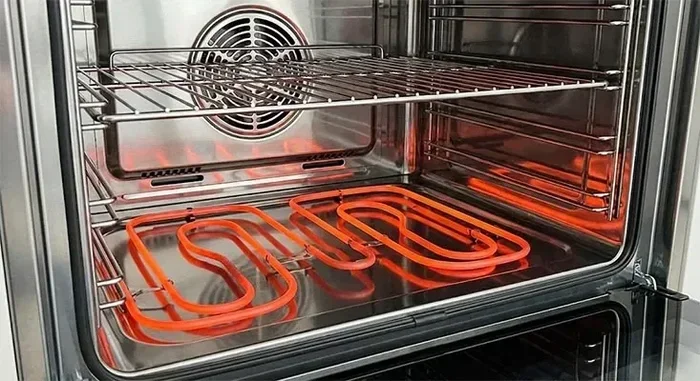
The bottom heating element is the primary heat source in most standard ovens. It sits at the lowest point of the oven cavity, usually hidden behind a metal panel or exposed at the base. This element does the heavy lifting during baking and roasting.
When you set your oven to bake mode, the bottom element turns on first. It heats up and radiates warmth upward. This creates a natural flow of heat that moves from the bottom to the top of the oven. Heat rises, and that basic physics principle drives how your oven works.
This is why oven rack position matters so much. Placing your dish closer to the bottom element means more direct heat. Placing it in the middle gives you a balanced cooking experience.
Why the Bottom Element Matters Most for Baking
Most baking relies on the bottom element. When you bake bread or cookies, you want steady, gentle heat from below. The bottom element provides the foundation for even cooking.
If your bottom element is damaged or dirty, your baking suffers. Food may cook unevenly. The bottom might burn while the top stays raw. This is one of the most common oven problems home cooks face.
Regular cleaning helps. Wipe down the oven floor after each use. Check for food spills around the element. This keeps the heat flowing freely and extends the life of your oven.
Where Is the Top Heat Source Located?
The top heating element sits at the ceiling of the oven cavity. Its main job is broiling and browning. When you switch to broil mode, only the top element activates. It produces intense, direct heat from above.
Broiling is very different from baking. It uses high, direct heat to cook food quickly. The top element can reach very high temperatures, often exceeding 500 degrees Fahrenheit. This makes it perfect for crisping the tops of dishes or melting cheese.
When to Use the Top Element
The top element shines in specific situations:
- Broiling Meats: Use the top element to get a crispy finish on steaks and chicken.
- Melting Cheese: A quick broil melts cheese perfectly on casseroles and gratins.
- Browning Toppings: Think of the golden crust on a lasagna or a baked potato.
- Quick Reheating: The top element can warm food faster from above.
Be careful with broiling. The top heat source is powerful and can burn food fast. Always watch your dish closely when using the broil setting.
How Convection Ovens Change the Heat Source
Convection ovens add a fan to the mix. This fan circulates hot air throughout the oven cavity. It changes how heat reaches your food and makes cooking more even.
In a standard oven, heat rises naturally from the bottom element. This creates uneven zones. The top of the oven is hotter than the bottom. Convection ovens fix this problem by actively moving the air around.
The fan does not replace the heating elements. It works alongside them. The bottom element still provides the primary heat. The top element still handles broiling. But the fan ensures that hot air reaches every corner of the oven.
Benefits of Convection Cooking
- More Even Cooking: Food cooks at the same rate on all racks.
- Faster Cooking Times: Moving heat transfers energy more quickly.
- Better Browning: Circulated air creates a crispier exterior on roasted foods.
- Multiple Dishes at Once: You can cook several trays without hot and cold spots.
Many people who bake in convection ovens notice better results with pastries and bread. The even heat distribution helps dough rise uniformly. If you love baking, a convection model is worth considering.
When to Turn Off Convection
Convection is not always the best choice. Some dishes need still air to cook properly:
- Custards and Soufflés: The fan can disrupt delicate structures.
- Bread Dough Proofing: Moving air can dry out the surface too fast.
- Cakes with Thin Batter: The fan may cause uneven rising.
Most convection ovens let you turn the fan off. This gives you flexibility. You get the best of both worlds: conventional and convection heating.
Heat Distribution and Why It Matters
Heat distribution refers to how evenly heat spreads inside your oven. Not all ovens distribute heat the same way. Some have more hotspots than others. Understanding this helps you cook with confidence.
In a standard oven with a bottom element, heat naturally rises. This means the top of the oven is always hotter than the bottom. The middle rack offers the most balanced temperature. This is why most recipes call for the middle rack position.
Common Heat Distribution Problems
Several issues can affect how heat moves inside your oven:
- Dirty Elements: Grease and food buildup on elements block heat output.
- Broken Elements: A damaged element heats unevenly or not at all.
- Faulty Thermostat: A broken thermostat causes temperature swings.
- Overcrowding: Too many dishes block airflow and create cold zones.
One of the best tools for checking heat distribution is an oven thermometer. Place it on the middle rack and compare the reading to your oven’s display. If there is a big difference, your oven may need calibration.
Quick Tips for Better Heat Distribution
- Always preheat your oven before placing food inside.
- Use the middle rack for most baking tasks.
- Rotate pans halfway through cooking for even browning.
- Avoid opening the oven door too often, as it lets heat escape.
- Use baking stones or baking sheets to stabilize temperature.
These small habits make a big difference. Your food will cook more evenly and look better every time.
Heat Sources in Toaster Ovens
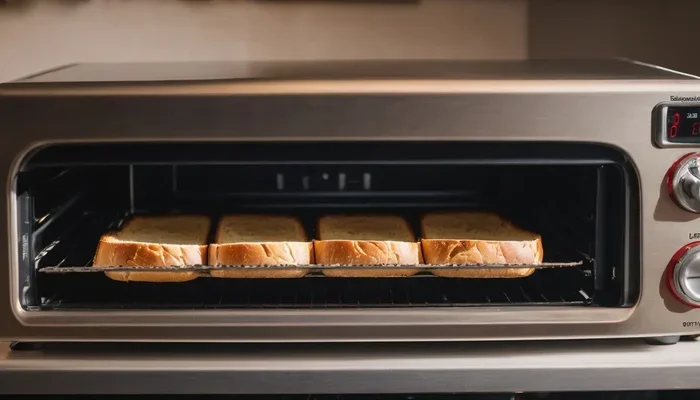
Toaster ovens work differently from full-size ovens. They are smaller and use a different heating setup. The heat source in a toaster oven is usually a top element and a bottom element, just like a regular oven. But the elements are closer together and much smaller.
Because toaster ovens have less space, heat circulates quickly. This means shorter cooking times and faster preheating. However, the compact size also means less room for air circulation.
If you use parchment paper in a toaster oven, make sure it is safe for high heat. Check out our guide on Is Parchment Paper Toaster Oven Safe for important safety tips.
Toaster Oven vs. Full-Size Oven
Here is a side-by-side look at how heat sources differ:
- Toaster Ovens: Compact heating elements close to food. Fast, intense heat. Great for small batches.
- Full-Size Ovens: Larger elements spread across more space. Better for big meals and multiple dishes.
- Countertop Ovens: Often include a convection fan. Combine small size with even heat distribution.
Knowing the differences helps you choose the right appliance for each task. A toaster oven is perfect for reheating a slice of pizza or baking a small potato. A full-size oven handles larger jobs like roasting a whole chicken or baking a casserole.
Common Mistakes About Oven Heat Sources
Even experienced cooks make mistakes when it comes to oven heat. Here are the most common ones and how to avoid them.
Not Preheating the Oven
Many people skip preheating. They put food in a cold oven and hope for the best. This leads to uneven cooking and longer bake times. Always give your oven time to reach the right temperature before adding food.
Ignoring the Rack Position
Placing your dish on the wrong rack changes everything. Too close to the top element and the top burns. Too close to the bottom and the bottom scorches. The middle rack is usually the safest choice for most recipes.
Overcrowding the Oven
Packing too many dishes into the oven blocks airflow. Heat cannot circulate properly. This creates cold spots and uneven cooking. Give each dish enough space for hot air to flow around it.
Skipping the Oven Thermometer
Your oven’s built-in thermostat may not be accurate. An external oven thermometer takes the guesswork out. You will know the true temperature and can adjust accordingly.
Using the Wrong Heating Mode
Using bake mode when you should use broil mode is a common error. Each mode activates different elements. Make sure you select the right one for your cooking task. If you are unsure, check out our guide on How Long Do I Bake Brie In The Oven for helpful tips on selecting the right baking settings.
How to Maintain Your Oven’s Heat Source
Keeping your oven’s heating elements in good shape ensures consistent performance. A well-maintained oven cooks better and lasts longer.
Cleaning the Heating Elements
Food spills and grease buildup can coat the heating elements. This reduces their efficiency. Clean them regularly with a damp cloth after the oven has cooled. Never use harsh chemicals on the elements themselves.
Checking for Damage
Inspect your elements for cracks, breaks, or discoloration. A damaged element will not heat properly. If you notice uneven heating or the oven not reaching the set temperature, the element may need replacement.
Calibrating the Thermostat
Over time, oven thermostats can drift out of alignment. Use an oven thermometer to check accuracy. If the temperature is off by more than 25 degrees, consult your oven’s manual for calibration steps.
When to Call a Professional
Some repairs are beyond DIY. If your oven has gas leaks, electrical issues, or persistent temperature problems, call a qualified technician. Safety always comes first.
Conclusion
Now you know exactly where the heat source in an oven is and why it matters. The bottom element handles most baking. The top element handles broiling. Convection fans circulate heat for even cooking. Each part plays a vital role.
Understanding your oven’s heating element configuration puts you in control. You can adjust rack positions, choose the right mode, and troubleshoot problems faster. This knowledge saves time, prevents wasted food, and improves your cooking results.
Take a moment to look at your oven. Locate the elements. Notice how heat flows. Apply the tips in this guide, and you will see the difference in every meal you prepare. Happy cooking!
Frequently Asked Questions
What is the main heat source in a standard oven?
The main heat source in a standard oven is the bottom heating element. It provides the primary heat for baking and roasting. The top element activates mainly during broiling mode.
Can I use the top element for baking?
You can, but it is not ideal for most baking. The top element produces intense direct heat from above. This can cause the top of your food to burn before the inside cooks through. Use the bottom element or convection mode for best baking results.
How do I know if my oven’s heating element is broken?
Signs of a broken element include uneven cooking, visible cracks or breaks, and the element not glowing red when the oven is on. You may also notice the oven not reaching the set temperature. In these cases, the element likely needs replacement.
Does rack position affect how food cooks?
Yes, rack position matters a lot. The closer your dish is to the bottom element, the more direct heat it receives. The middle rack offers the most balanced heat. The top rack is best for broiling and browning.
Is a convection oven better than a regular oven?
Convection ovens offer more even heat distribution because of the fan. They cook faster and brown food more evenly. However, some delicate dishes like soufflés and custards work better in a regular oven without the fan. Both types have their strengths.
How long should I preheat my oven before baking?
Most ovens need 10 to 15 minutes to preheat fully. Some recipes call for longer preheating, especially for bread baking. Always let the oven reach the target temperature before placing food inside for the best results.