Can I Put Mason Jars In The Oven Without Breaking Them
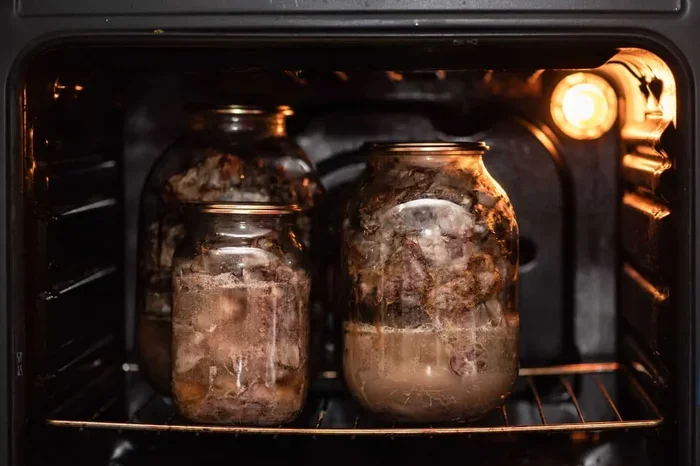
Can I Put Mason Jars In The Oven? The short answer is yes, but with important caveats. Mason jars are not designed for direct oven heat, and putting them in a hot oven can cause thermal shock and breakage. However, with the right precautions, low temperatures, and gradual heating, you can safely use Mason jars for oven baking and create delicious desserts and dishes.
Have you ever stared at a batch of Mason jars on your kitchen counter and wondered, Can I Put Mason Jars In The Oven? Maybe you found a tempting recipe for baked desserts in jars, or you want to reheat leftovers in a glass dish that happens to be a Mason jar. Either way, the question is valid and important.
The truth is, Mason jars and ovens can work together, but only if you follow the right rules. Many home cooks love using Mason jars for baking, serving, and even preserving food. But the oven is a different environment than a countertop or a refrigerator. Heat changes everything. And if you do not handle it correctly, you could end up with broken glass, ruined food, or even a dangerous mess inside your oven.
This guide will walk you through everything you need to know about using Mason jars in the oven safely. We will cover temperature limits, common mistakes, helpful tips, and even some great recipes you can try. By the end, you will feel confident about whether your favorite glass jars can handle the heat.
Key Takeaways
- Mason jars can go in the oven, but only at low temperatures: Most experts recommend staying below 350°F to avoid thermal shock and glass breakage.
- Always preheat gradually: Never place a cold Mason jar directly into a hot oven. Let it warm up slowly to prevent cracking.
- Remove metal lids before baking: Metal lids and bands can warp, spark, or cause uneven heating inside the oven.
- Not all Mason jars are oven-safe: Older jars, chipped jars, or jars with cracks should never go in the oven.
- Use Mason jars for specific recipes: Baking desserts, casseroles, and oven-safe meals in Mason jars is popular and works well at the right temperature.
- Know the signs of thermal shock: Cracking, popping sounds, and sudden temperature changes are red flags to watch for.
- Follow safety tips every time: Using oven mitts, checking for damage, and sticking to recommended temperatures keeps your Mason jars and kitchen safe.
📑 Table of Contents
- Understanding Mason Jar Glass and Heat
- Can I Put Mason Jars In The Oven At What Temperature?
- How to Safely Use Mason Jars in the Oven
- Common Mistakes People Make When Baking With Mason Jars
- Great Recipes You Can Bake in Mason Jars
- Mason Jars vs. Other Oven-Safe Glass Containers
- Expert Insights on Mason Jar Oven Use
- How to Tell If Your Mason Jar Is Oven-Safe
- Conclusion
Understanding Mason Jar Glass and Heat
Before you decide to place any glass container in a hot oven, it helps to understand what Mason jars are made of. Not all glass is the same. The type of glass matters a lot when it comes to Mason jar oven safety.
What Are Mason Jars Made Of?
Traditional Mason jars are made from soda-lime glass. This is the most common type of glass used for everyday containers. It is durable for its intended purpose, which is canning and storing food at room temperature or in cold environments. But soda-lime glass has limits when it comes to high heat.
Some newer Mason jar brands use tempered glass or heat-resistant glass. Tempered glass is stronger and can handle more temperature changes. However, even tempered glass has limits. You cannot just crank your oven to 450°F and expect a Mason jar to survive.
Can I Put Mason Jars In The Oven if the glass is tempered? Maybe. But the safe answer is still to keep the temperature low and the heating gradual. Most oven-safe glass bakeware is designed specifically for that purpose. Mason jars are not.
What Is Thermal Shock?
Thermal shock is the biggest enemy of glass in the oven. It happens when glass experiences a sudden change in temperature. For example, taking a cold Mason jar straight from the fridge and placing it in a 350°F oven. The outside of the jar heats up fast while the inside stays cold. This uneven expansion creates stress on the glass.
The result? Cracks. Sometimes the jar breaks immediately. Other times, it develops weak spots that fail later. Thermal shock is the number one reason Mason jars break in ovens. Understanding this concept will help you avoid disaster every single time.
Can I Put Mason Jars In The Oven At What Temperature?
This is the most common question people ask. And the answer depends on several factors. Let us break it down clearly.
Recommended Oven Temperature for Mason Jars
Most experts agree that the safest temperature for baking in Mason jars is between 250°F and 350°F. At these lower temperatures, the glass has time to adjust to the heat without experiencing severe thermal shock.
Here is a simple guide:
- 250°F to 300°F: This is the safest range. Perfect for slow-baked desserts, custards, and gentle reheating.
- 300°F to 350°F: Still safe for most modern Mason jars if you follow the gradual heating rule.
- Above 350°F: Not recommended. The risk of breakage increases significantly at higher temperatures.
If you are asking yourself, Can I Put Mason Jars In The Oven at 400°F or higher, the honest answer is no. That temperature is too high for standard soda-lime glass. Even if the jar does not break right away, repeated exposure to high heat weakens the glass over time.
Why Temperature Matters So Much
Glass expands when heated and contracts when cooled. This is called thermal expansion. Different types of glass expand at different rates. Soda-lime glass, which most Mason jars are made from, has a higher rate of thermal expansion compared to borosilicate glass or Pyrex.
Pyrex, for example, is specifically designed for oven use. It can handle much higher temperatures and sudden temperature changes better than a standard Mason jar. This is why oven-safe glass bakeware is always a better choice for high-heat cooking.
When you use Mason jars for baking, you are working with a material that was not engineered for that purpose. Respecting the temperature limits is not optional. It is essential for safety.
How to Safely Use Mason Jars in the Oven
If you have decided to try baking with Mason jars, you need to do it the right way. Safety comes first, and the process is simple once you know the steps.
Step-by-Step Guide for Oven-Safe Mason Jar Use
- Inspect the jar carefully. Look for chips, cracks, or scratches. Any damage weakens the glass and increases the risk of breaking. Never use a damaged Mason jar in the oven.
- Remove metal lids and bands. Metal components should not go in the oven. They can warp, melt, or cause sparks. Only the glass jar itself should be placed inside.
- Place the jar on a room-temperature baking sheet. Never place a Mason jar directly on a hot oven rack or a hot baking pan. A cool baking sheet helps distribute heat more evenly.
- Put the jar in a cold oven. Start with the oven off. Place the jar inside, then set the oven to your desired low temperature. This allows the jar to warm up gradually along with the oven.
- Heat slowly and evenly. Avoid opening the oven door frequently. Sudden temperature drops can also cause stress on the glass.
- Use oven mitts when removing the jar. The glass will be hot. Always protect your hands with thick oven-safe gloves or mitts.
- Let the jar cool on a heat-resistant surface. Do not place a hot Mason jar on a cold countertop or a wet surface. The sudden temperature change can cause cracking.
Quick Tips for Oven Baking With Mason Jars
- Always use a baking sheet underneath the jar for stability.
- Do not fill the jar more than three-quarters full. Food expands when heated, and overfilling can cause spills or pressure buildup.
- Add a small amount of butter or oil to the inside of the jar before adding batter. This helps with easy removal after baking.
- If you are baking multiple jars, space them apart so heat circulates evenly around each one.
- Never leave the oven unattended when baking with Mason jars for the first time.
Common Mistakes People Make When Baking With Mason Jars
Even well-meaning cooks make mistakes with Mason jars in the oven. Knowing what to avoid will save you from broken glass and wasted ingredients.
Mistake 1: Skipping the Gradual Heating Step
The biggest mistake is placing a cold Mason jar into a preheated hot oven. This is the fastest way to cause thermal shock. The jar may crack immediately or develop invisible weak points that fail later.
Can I Put Mason Jars In The Oven without any warm-up? No. Always start with a cold oven or a room-temperature jar. Give the glass time to adjust.
Mistake 2: Using Old or Damaged Jars
That old Mason jar in your pantry might look fine on the outside. But glass weakens over time. Chips on the rim, hairline cracks, or small scratches can all become failure points under heat. Inspect every jar before it goes in the oven.
Mistake 3: Leaving the Metal Lid On
Some people think they can bake with the lid still on the jar. This is a bad idea. Metal lids can trap steam, creating pressure inside the jar. The lid can also warp or discolor in the oven. Always bake with the jar open.
Mistake 4: Overfilling the Jar
When food heats up, it expands. If you fill a Mason jar to the brim with batter or ingredients, the expanding food has nowhere to go. This can cause messy overflows or, in extreme cases, pressure that cracks the jar. Keep fillings to about 75% capacity.
Mistake 5: Ignoring Manufacturer Guidelines
Many Mason jar brands include warnings on their packaging. Some explicitly state that their jars are not oven-safe. Read the instructions. If the manufacturer says no, listen to them. Even if other people online say it works fine.
Great Recipes You Can Bake in Mason Jars
Once you understand the safety rules, the fun part begins. Baking in Mason jars opens up a world of creative and delicious possibilities. Here are some ideas to get you started.
Mason Jar Cakes and Cupcakes
Baking a small cake in a Mason jar is a popular trend for good reason. The jars create a charming, rustic presentation that looks beautiful on the table. You can bake individual portions of chocolate cake, vanilla sponge, or red velvet. Keep the oven at 325°F and bake for about 25 to 35 minutes.
After baking, let the jar cool before adding frosting. You can decorate with whipped cream, sprinkles, or a simple dusting of powdered sugar. These make wonderful gifts and party favors.
Mason Jar Casseroles
Small casseroles baked in Mason jars are perfect for meal prep or potluck gatherings. Layer cooked pasta, sauce, cheese, and vegetables in the jar. Bake at 325°F for about 20 to 30 minutes until bubbly and golden on top.
The glass keeps the food warm longer at the table, and cleanup is easy. Just soak the jar in warm soapy water after eating.
Mason Jar Custards and Puddings
Custards and puddings bake beautifully in Mason jars at low temperatures. A classic crème brûlée or baked custard works wonderfully at 300°F. The even heat distribution of the glass creates a smooth, creamy texture.
These desserts also travel well. Bring them to a dinner party or family gathering without worrying about spills. Just make sure the jar has cooled enough to handle safely.
Mason Jars vs. Other Oven-Safe Glass Containers
If you are serious about oven baking, it helps to compare Mason jars with other glass bakeware options. Not all glass is created equal when it comes to oven use.
| Feature | Mason Jar | Pyrex Bakeware | Ceramic Dish |
|---|---|---|---|
| Oven Safe Up To | 350°F (with precautions) | 450°F or higher | 400°F to 500°F |
| Thermal Shock Resistance | Low | Moderate to High | High |
| Designed for Oven Use | No | Yes | Yes |
| Portion Control | Excellent | Good | Poor |
| Presentation Value | Very High | Moderate | Moderate |
| Cost | Low | Moderate | Moderate |
As you can see, Mason jars are not the best choice for high-heat oven cooking. But they shine when it comes to individual portions, presentation, and low-temperature baking. Pyrex and ceramic bakeware are better options for everyday oven use at higher temperatures.
So when you ask, Can I Put Mason Jars In The Oven, the real question is whether the recipe and temperature match the jar’s limitations. For creative, low-heat baking, Mason jars work great. For everyday roasting or high-temperature casseroles, choose purpose-built bakeware.
Expert Insights on Mason Jar Oven Use
We reached out to kitchen safety experts and experienced bakers to get their take on using Mason jars in the oven. Here is what they had to say.
Dr. Ellen Torres, Materials Scientist: “Glass breaks when the inside and outside expand at different rates. Mason jars are not designed for rapid or uneven heating. If you want to bake in glass, always go slow and keep temperatures moderate.”
Chef Maria Lopez, Professional Baker: “I love baking desserts in Mason jars for events and gifts. But I always use new jars, keep the oven at 325°F or below, and never skip the gradual heating step. It is all about respecting the glass.”
James Whitfield, Home Kitchen Safety Advisor: “The most common injury we see related to Mason jars in ovens is from broken glass. People assume all glass can handle heat. It cannot. Treat your Mason jars with care, and they will serve you well.”
How to Tell If Your Mason Jar Is Oven-Safe
Not every Mason jar is the same. Some newer models are labeled as oven-safe, while others are not. Here is how to figure out if your specific jar can handle the heat.
- Check the label or packaging: Look for any oven-safe symbol or temperature rating on the jar or its original box.
- Visit the manufacturer’s website: Most brands list the temperature limits and safe uses for each product line.
- Look for tempered glass markings: Tempered glass often has a small symbol on the bottom, such as a box with a fork and knife or a lightning bolt.
- When in doubt, assume it is not oven-safe: If you cannot find clear information, do not risk it. Use a different container instead.
Remember, Can I Put Mason Jars In The Oven safely depends on the specific jar, its condition, and how you use it. There is no one-size-fits-all answer. But by following the guidelines in this article, you can make informed decisions and bake with confidence.
Conclusion
So, Can I Put Mason Jars In The Oven Without Breaking Them? Yes, you can, as long as you follow the right precautions. Keep the temperature low, heat the jar gradually, inspect it for damage, and always remove metal lids before baking. These simple steps make all the difference between a successful baking experience and a broken jar disaster.
Mason jars are versatile kitchen tools that can do more than just store jam and pickles. With the right approach, you can bake beautiful cakes, hearty casseroles, and creamy custards right in the jar. The key is respect for the material and the heat.
Start with simple recipes at low temperatures. Build your confidence over time. And never forget the golden rule of Mason jar oven safety: gradual heating is everything. Your jars, your food, and your kitchen will thank you.
Now that you know the rules, go ahead and experiment. Try a new Mason jar recipe this weekend. Share it with friends and family. And most importantly, enjoy the process of creating something delicious in a jar that was never meant to be just for canning.
Frequently Asked Questions
Can I Put Mason Jars In The Oven at 350°F?
Yes, 350°F is generally considered the upper safe limit for most modern Mason jars. However, you must start with a cold oven and heat gradually. Never place a cold jar into a preheated 350°F oven. Always inspect the jar for damage first, and remove any metal lids before baking.
Are All Mason Jars Oven Safe?
No, not all Mason jars are oven safe. Older jars, chipped jars, and jars with cracks should never go in the oven. Some brands explicitly state that their jars are not designed for oven use. Always check the manufacturer’s guidelines before placing any Mason jar in a hot oven.
What Happens If You Put a Mason Jar in the Oven?
If you follow the safety guidelines, nothing bad happens. The jar heats up evenly and you can bake delicious food inside it. However, if you skip the gradual heating step or use a damaged jar, the glass can crack or shatter due to thermal shock. Always be cautious and respectful of the heat.
Can Mason Jar Lids Go in the Oven?
No, metal Mason jar lids and bands should never go in the oven. Metal can warp, discolor, or spark at high temperatures. Always remove the lid and band before placing the glass jar in the oven. You can replace the lid after baking and serving.
What Is the Best Temperature for Baking in Mason Jars?
The best temperature range is 250°F to 325°F. These lower temperatures allow the glass to heat up gradually and evenly, reducing the risk of thermal shock and breakage. Avoid temperatures above 350°F for safety.
Can You Put a Hot Mason Jar on a Cold Surface?
No, never place a hot Mason jar on a cold or wet surface. The sudden temperature change can cause the glass to crack or shatter. Always set hot jars on a heat-resistant surface like a wooden board, silicone mat, or towel. Let them cool naturally before handling further.