How To Finish Burgers In The Oven For Juicy Results
Finishing burgers in the oven is one of the easiest ways to get a juicy, evenly cooked patty every time. Whether you are searing first and then baking, or cooking from raw in the oven, this method gives you consistent results with less stress. You will learn the best temperatures, timing, and pro tips to make oven-finished burgers that rival any grill.
There is something deeply satisfying about a perfectly cooked burger. The juicy center, the slightly crispy edges, and that savory aroma that fills the kitchen — it is hard to beat. But not everyone has access to a grill or wants to stand outside in the heat. That is where finishing burgers in the oven comes in.
This method is simple, reliable, and gives you fantastic results every single time. Whether you are cooking for a crowd or just making dinner for your family, the oven handles the job beautifully. In this guide, we will walk you through everything you need to know about how to finish burgers in the oven for the juiciest outcome possible.
You will learn the best temperatures, timing, seasoning tips, and common mistakes to avoid. By the end, you will feel confident enough to make oven-baked burgers like a pro. Let us get started.
Key Takeaways
- Oven-finishing burgers saves time and effort: You get even cooking without standing over a hot grill or stove all day.
- The ideal oven temperature is 375°F to 400°F: This range cooks burgers through while keeping them moist inside.
- Always use a meat thermometer: 160°F internal temperature for ground beef is the safest and juiciest target.
- Searing first adds flavor: A quick sear on the stovetop before baking creates a delicious caramelized crust.
- Resting your burger matters: Letting it sit for 3 to 5 minutes keeps all those juices locked inside.
- Avoid common mistakes like overcooking: Setting a timer and watching the patty closely prevents dry, tough burgers.
- Oven-baked burgers work with any patty type: Beef, turkey, chicken, and plant-based patties all benefit from this method.
📑 Table of Contents
- Why Finish Burgers In The Oven?
- The Best Oven Temperature For Burgers
- Step-By-Step Guide To Finishing Burgers In The Oven
- Tips For The Juiciest Oven-Finished Burgers
- Common Mistakes To Avoid When Finishing Burgers In The Oven
- Oven Vs Stovetop Vs Grill: Which Method Wins?
- Variations And Creative Ideas For Oven Burgers
- How To Store And Reheat Oven Burgers
- Frequently Asked Questions
- Final Thoughts
Why Finish Burgers In The Oven?
Grilling is wonderful, but it is not always practical. Bad weather, small kitchens, or simply wanting a hands-off approach — there are many reasons to choose the oven. Finishing burgers in the oven gives you more control and less stress.
Even Cooking Every Time
When you cook burgers on a stovetop, the heat comes from one direction. This often leads to uneven doneness. The oven surrounds the patty with heat on all sides. That means your burger cooks evenly from edge to center. No more guessing if the middle is done.
Hands-Off Convenience
Once your burgers are in the oven, you are free. You can prep toppings, slice buns, or set the table. There is no need to flip constantly or hover over a hot pan. This makes oven-finishing burgers a great option when you are cooking for a group.
Consistent Results
Grills can be unpredictable. Hot spots, wind, and flare-ups all affect cooking. The oven provides a stable, controlled environment. Every burger comes out the same way — juicy, cooked through, and delicious. This consistency is why so many home cooks prefer the oven burger method.
Works Year Round
You do not have to wait for summer to enjoy great burgers. The oven works in every season. Rain or shine, cold or warm, your burger cooking plans stay on track. This makes finishing burgers in the oven a reliable go-to method all year long.
The Best Oven Temperature For Burgers
Temperature is the most important factor when baking burgers in the oven. Too hot and the outside burns before the inside cooks. Too cool and the patty dries out slowly. Getting it right makes all the difference.
Recommended Temperature Range
The sweet spot for finishing burgers is between 375°F and 400°F. At this range, the patty cooks through evenly while developing a nice outer crust. Most experts agree that 375°F is ideal for thicker patties, while 400°F works well for thinner ones.
Why 375°F Works So Well
At 375°F, the heat gently cooks the burger without shocking it. The fat renders slowly, keeping the patty moist. The outside gets a light sear and golden color without charring. This temperature gives you the best balance of flavor and juiciness for oven-baked burgers.
Adjusting For Different Patty Thicknesses
Thicker patties need lower heat and more time. Thinner patties cook faster and can handle higher temperatures. Here is a quick guide:
- Thick patties (1 inch or more): Use 375°F and cook for 15 to 20 minutes.
- Medium patties (half inch to 1 inch): Use 375°F to 400°F and cook for 10 to 15 minutes.
- Thin patties (half inch or less): Use 400°F and cook for 8 to 12 minutes.
The Role Of The Broiler
Some cooks like to use the broiler at the end to add a quick char. If you go this route, switch to broil for the last 2 to 3 minutes. Watch closely — the broiler is intense and can burn a burger in seconds. This trick adds a smoky flavor that mimics grilling beautifully.
Step-By-Step Guide To Finishing Burgers In The Oven
Now let us get into the practical side. Here is a clear, easy-to-follow process for how to finish burgers in the oven. Follow these steps and you will have perfect patties every time.
Step 1: Prep Your Patties
Start by shaping your ground beef into patties. Aim for about a quarter-pound per burger. Make them slightly wider than your bun because the meat shrinks as it cooks. Press a small dimple in the center of each patty with your thumb. This prevents the burger from puffing up into a ball during cooking.
Step 2: Season Generously
Seasoning is where great burgers begin. Keep it simple for the best flavor. A little salt and pepper on both sides works wonders. You can also add garlic powder, onion powder, or smoked paprika for extra depth. Be sure to season the top and bottom evenly.
Step 3: Preheat The Oven
Set your oven to 375°F and let it fully preheat. This usually takes about 10 to 15 minutes. A properly preheated oven ensures the burger starts cooking immediately. This is a small step that makes a big difference in your oven burger recipe.
Step 4: Sear First (Optional But Recommended)
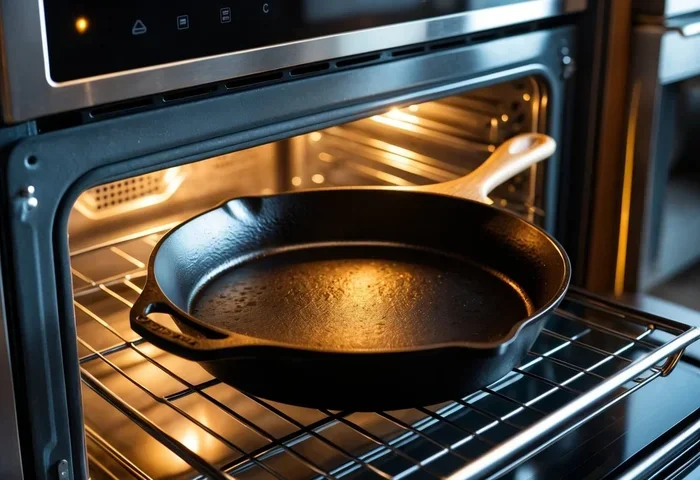
For the best flavor, give each patty a quick sear on the stovetop before moving to the oven. Heat a cast iron skillet over medium-high heat with a little oil. Sear each side for about 1 to 2 minutes. This step creates a caramelized crust that locks in juices and adds incredible depth.
Step 5: Place Patties On A Baking Sheet
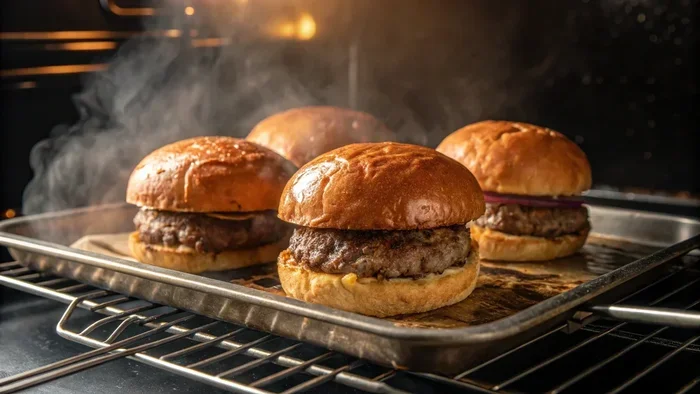
Line a baking sheet with parchment paper or aluminum foil for easy cleanup. Place a wire rack on top if you have one. The rack allows air to circulate around the patty, which helps the bottom stay crispy. If you do not have a rack, the baking sheet works fine too.
Step 6: Bake Until Done
Put the baking sheet on the middle oven rack. Bake for 10 to 20 minutes depending on thickness. The key is to use a meat thermometer. Insert it into the center of the patty. You are aiming for 160°F for ground beef. This is the USDA-recommended safe temperature and it produces a juicy result.
Step 7: Rest Before Serving
Remove the burgers from the oven and let them rest for 3 to 5 minutes. This step is often overlooked but it is crucial. Resting allows the juices to redistribute throughout the patty. If you cut too soon, all those flavorful juices run out onto the plate instead of staying in the burger.
Step 8: Assemble And Enjoy
Place each patty on a toasted bun. Add your favorite toppings — lettuce, tomato, cheese, pickles, or whatever you love. The beauty of oven-finished burgers is that the patty is so juicy, it barely needs anything else. A simple burger topping setup lets the meat shine.
Tips For The Juiciest Oven-Finished Burgers
Getting a juicy burger in the oven is all about technique and a few smart choices. These tips will take your oven-baked patties from good to outstanding.
Use Ground Beef With The Right Fat Content
Look for ground beef that is 80% lean and 20% fat. The fat is what makes burgers juicy and flavorful. Leaner blends like 90/10 can dry out quickly in the oven. If you prefer a healthier option, add a small amount of olive oil to the patty mix to compensate.
Do Not Overwork The Meat
When you mix and shape your patties, handle the meat gently. Overworking it compacts the protein strands, which makes the burger dense and tough. Just form the patty quickly with loose hands. The lighter you touch, the more tender the final result.
Make A Thumbprint Indent
This is a simple trick that makes a big difference. Press a small indent into the center of each patty before cooking. As the burger cooks, the edges will shrink, but the indent keeps the patty flat and even. This ensures every bite cooks at the same rate.
Add Cheese At The Right Time
If you like cheese on your burger, add it during the last 2 to 3 minutes of baking. Lay the cheese slice on top of the patty and close the oven door. The residual heat melts the cheese perfectly without overcooking the meat. American cheese, cheddar, and Swiss all work great for burger doneness and flavor.
Let The Meat Come To Room Temperature
Take your patties out of the refrigerator about 15 minutes before cooking. Cold meat takes longer to cook through, which often leads to an overcooked edge and a still-raw center. Bringing the patty to room temperature helps it cook evenly in the oven.
Use A Meat Thermometer
This is the single best tool for perfect burgers. A digital meat thermometer takes the guesswork out completely. Insert it into the thickest part of the patty for the most accurate reading. Invest in a good one and your burger cooking tips will level up instantly.
Toast Your Buns
Do not skip toasting the buns. A quick toast in the oven or on the stovetop adds crunch and prevents the bun from getting soggy from the burger juices. Place the buns cut-side down in the oven during the last 2 minutes of baking for a warm, crispy bun.
Common Mistakes To Avoid When Finishing Burgers In The Oven
Even with a simple method like oven-baking, mistakes happen. Knowing what to avoid helps you get better results every time.
Overcooking The Patty
This is the number one mistake people make. Every minute beyond the target temperature dries out the burger. Set a timer and check the internal temperature early. It is always better to pull the burger slightly early and let carryover cooking finish the job.
Skipping The Sear
While you can cook a burger entirely in the oven, skipping the sear means missing out on flavor. The Maillard reaction that happens during searing creates complex, savory flavors that the oven alone cannot replicate. Even a 60-second sear on each side makes a noticeable difference.
Using A Cold Pan Or Baking Sheet
If you are searing before baking, make sure your skillet is hot. A cold pan causes the meat to stick and steam instead of sear. The same goes for the baking sheet — a warm sheet helps the burger start cooking immediately when it goes in the oven.
Not Letting Burgers Rest
Cutting into a burger right after it comes out of the oven releases all the juices. The patty looks dry and loses its appeal. Give it those 3 to 5 minutes to rest. Your patience will be rewarded with a noticeably juicier bite.
Patties That Are Too Thick Or Too Thin
Uniformity matters. If your patties are different sizes, they will cook at different rates. Some will be overdone while others are underdone. Aim for consistent thickness across all patties for even burger doneness throughout your batch.
Crowding The Baking Sheet
Give each patty space on the baking sheet. Crowding traps steam and creates soggy spots on the burger. Leave at least an inch between each patty for proper air circulation. This small adjustment leads to much better results with your oven-baked patties.
Oven Vs Stovetop Vs Grill: Which Method Wins?
Every cooking method has its strengths. Here is a quick comparison to help you decide which approach works best for you.
| Method | Best For | Pros | Cons |
|---|---|---|---|
| Oven-Finished | Hands-off cooking, large batches, indoor cooking | Even cooking, minimal attention needed, works year round | No open-flame char, slightly less smoky flavor |
| Stovetop Only | Quick weeknight dinners, thin patties | Fast, great sear, easy to control | Can be uneven, requires flipping, splatter |
| Grill | Summer cookouts, smoky flavor lovers | Best flavor, beautiful grill marks, outdoor fun | Weather dependent, requires attention, flare-ups |
The oven method shines when you want reliable, consistent results without the hassle. It is especially great for finishing burgers in the oven after a quick sear. The combination of stovetop sear plus oven finish gives you the best of both worlds — a flavorful crust and a perfectly juicy interior.
Grilling is hard to beat for pure flavor, but the oven is far more practical for everyday cooking. Most families will find that the oven method becomes their go-to for juicy burgers week after week. It is forgiving, easy, and produces restaurant-quality results at home.
Variations And Creative Ideas For Oven Burgers
Once you master the basic oven method, you can get creative. Here are some fun variations to try with your oven-baked burgers.
Stuffed Burgers
Make a pocket in each patty and stuff it with cheese, caramelized onions, or jalapenos. Seal the edges carefully and cook as usual. The surprise filling inside makes every bite exciting.
Smash Burgers In The Oven
Form small, thin patties and place them on a hot baking sheet. The thin shape cooks quickly at 400°F and develops a crispy edge similar to a classic smash burger. Top with pickles, onions, and a special sauce for an authentic taste.
Turkey And Chicken Burgers
The oven method works beautifully for burger patty alternatives too. Ground turkey and chicken benefit from the gentle, even heat. Just make sure the internal temperature reaches 165°F for poultry. These lighter options are perfect for health-conscious eaters.
Plant-Based Burgers
Veggie and plant-based patties also do well in the oven. They tend to be more delicate, so use 375°F and keep a close eye on them. Most plant-based patties need only 10 to 12 minutes. The oven helps them hold together better than pan-frying alone.
How To Store And Reheat Oven Burgers
Got leftovers? No problem. Oven-finished burgers store well and reheat beautifully.
Storing Cooked Burgers
Let the burgers cool completely before storing. Place them in an airtight container and refrigerate for up to 3 days. You can also freeze cooked patties for up to 3 months. Wrap each patty tightly in plastic wrap and foil to prevent freezer burn.
Reheating Without Drying Out
The oven is the best way to reheat a burger. Place the patty on a baking sheet and warm it at 350°F for 5 to 7 minutes. Cover loosely with foil to trap moisture. This keeps the burger juicy instead of turning it into a dry hockey puck. Avoid microwaving if you can — it tends to make the bun soggy and the meat rubbery.
Frequently Asked Questions
Can You Cook Raw Burgers In The Oven Without Searing?
Yes, absolutely. You can place raw patties directly on a lined baking sheet and bake them at 375°F for about 15 to 20 minutes. The sear adds extra flavor, but it is not required. Just make sure the internal temperature reaches 160°F for food safety and the best taste.
How Long Does It Take To Finish Burgers In The Oven?
It depends on the patty thickness and whether you seared first. A standard quarter-pound patty at 375°F takes about 12 to 15 minutes if seared beforehand, or 18 to 22 minutes if going straight from raw. Always use a meat thermometer to check for doneness.
What Is The Best Oven Temperature For Burgers?
375°F is the best overall temperature for finishing burgers in the oven. It cooks the patty evenly without drying it out. If you are working with thinner patties, you can increase to 400°F to speed up cooking. For thicker patties, stick with 375°F and give them a few extra minutes.
How Do You Know When A Burger Is Done In The Oven?
The most reliable way is to use a meat thermometer. Insert it into the center of the patty. For ground beef, 160°F is the target. You can also press the center of the burger with your finger — a firm feel means it is done, while a soft feel means it needs more time.
Can You Put Cheese On Burgers While They Are In The Oven?
Yes, you can. Add the cheese during the last 2 to 3 minutes of baking. Place the slice on top of the patty and close the oven door. The residual heat will melt the cheese perfectly. American cheese melts the fastest, but cheddar, Swiss, and provolone all work wonderfully too.
Are Oven-Finished Burgers As Good As Grilled Burgers?
They are different but equally delicious in their own way. Grilling gives you smoky flavor and grill marks, while oven-finishing gives you even cooking and juicy results. Many people find that oven-baked burgers are just as satisfying, especially when you sear the patty first for that flavorful crust.
Final Thoughts
Finishing burgers in the oven is one of the simplest and most reliable cooking methods you can master. It takes the guesswork out of burger cooking and delivers juicy, flavorful patties every single time. Whether you are a beginner or a seasoned home cook, this technique will become a staple in your kitchen.
Remember the key points: preheat your oven to 375°F, season generously, sear first for extra flavor, use a meat thermometer, and always let your burger rest before serving. These small steps make a huge difference in the final result.
The beauty of this method is its flexibility. You can cook for two or for twenty. You can use beef, turkey, chicken, or plant-based patties. You can add cheese, experiment with toppings, or keep it simple. The oven gives you a blank canvas for juicy burgers that suit any taste and any occasion.
So next time you are craving a great burger but do not want to fire up the grill, remember these tips. How to finish burgers in the oven is a skill that will serve you well for years to come. Your taste buds will thank you. Now go make the perfect burger and enjoy every single bite.