How Much Does Bread Rise In The Oven When You Bake It
How Much Does Bread Rise In The Oven depends on several key factors like dough hydration, yeast activity, and baking temperature. Most breads expand between 25 and 50 percent during baking, with sourdough and artisan loaves behaving differently. Understanding oven spring and bread rise helps you bake lighter, fluffier loaves at home with confidence.
How Much Does Bread Rise In The Oven is a question that every home baker should understand. When you slide a loaf into a hot oven, you watch it transform right before your eyes. The dough puffs up, the crust forms, and your kitchen fills with a warm, inviting aroma. That moment of expansion is one of the most exciting parts of baking homemade bread. But have you ever wondered exactly how much your loaf is growing inside the oven? The answer is more interesting than you might think.
The rise that happens inside the oven is called oven spring, and it is a fascinating process. It depends on many factors, including your recipe, the type of flour you use, how long you proofed the dough, and the oven temperature you set. In this article, we will walk you through everything you need to know about bread rising in the oven. You will learn what causes the rise, how different bread types behave, and what you can do to get the best results every time you bake.
Key Takeaways
- Oven spring drives most of the rise: Bread expands rapidly in the first 10 to 15 minutes of baking.
- Dough hydration matters: Wetter doughs tend to rise more than drier ones during baking.
- Temperature is critical: The ideal oven temperature for most breads is 375°F to 450°F.
- Proofing level affects expansion: Under-proofed and over-proofed doughs both rise less in the oven.
- Different bread types rise differently: Sourdough, sandwich bread, and artisan loaves all expand at different rates.
- Steam helps create maximum rise: Early steam keeps the crust soft so the loaf can expand fully.
- Scoring controls the direction of rise: Proper cuts guide the bread as it expands in the oven.
📑 Table of Contents
- What Happens to Bread When It Goes in the Oven
- The Science Behind How Much Bread Rises In The Oven
- How Much Does Bread Rise In The Oven By Bread Type
- Factors That Affect Bread Rise in the Oven
- Quick Tips for Maximum Oven Spring
- Common Mistakes That Stop Bread From Rising Properly
- Expert Insights on Perfect Bread Rise
- Conclusion
What Happens to Bread When It Goes in the Oven
The moment your bread dough enters a hot oven, a chain of reactions begins. These reactions cause the loaf to expand rapidly. Bakers call this expansion oven spring, and it is the rapid rise that happens in the first few minutes of baking. Understanding this process is the key to answering how much does bread rise in the oven and achieving great bread texture every time.
The Role of Yeast in Bread Rising
Yeast is a living organism that feeds on sugars in your dough. As the dough heats up, yeast becomes very active and produces carbon dioxide gas. These gas bubbles get trapped inside the gluten network of the dough. They expand as the temperature rises, which is what makes your bread puff up. However, yeast activity slows down significantly once the dough reaches about 140°F. After that point, the yeast dies off and the rise slows dramatically. This is why the early stages of baking bread are so important for rise time and final volume.
How Steam and Heat Create Oven Spring
Steam plays a huge role in oven spring. When the moisture in your dough hits the hot oven, it turns into steam. This steam keeps the outer layer of the dough soft and flexible during the early stages of baking. Because the crust stays soft, the loaf can expand freely without restriction. As baking continues, the crust hardens and sets the final shape of the bread. The first 10 to 15 minutes are the most important for bread rise in the oven. If you lose steam too early, your loaf will not reach its full potential.
What Is the Crust Formation Process
As the dough surface reaches about 300°F, the Maillard reaction begins. This chemical process creates the golden-brown crust on your bread. The crust forms a barrier that locks in the structure created during oven spring. Once the crust sets, the bread stops expanding significantly. This is why most of the rise happens early in the baking time. The final bread loaf size is largely determined in those first crucial minutes inside the oven.
The Science Behind How Much Bread Rises In The Oven
Now that you understand the basic process, let us look deeper at the science of how much does bread rise in the oven. The rise you see in the oven is a combination of gas expansion, steam creation, and gluten structure. Each of these elements plays a specific role in determining the final volume of your loaf.
Gas Expansion and Its Impact on Rise
When you mix your bread dough, you trap air bubbles inside. These air bubbles expand when heated. According to the ideal gas law, gases expand as temperature increases. In a hot oven, the carbon dioxide and air trapped in the dough can expand by 50 percent or more. This is a major contributor to how much your bread rises. The stronger your gluten network, the more gas the dough can hold. A well-developed dough will rise more than a poorly mixed one. This is why proper kneading and dough fermentation are essential steps in the bread baking process.
The Gluten Network and Dough Structure
Gluten is the protein structure that gives bread its shape and chewiness. When you knead your dough, you develop gluten strands that form a flexible web. This web traps gas bubbles and allows them to grow. During baking, the gluten proteins denature and set, locking the expanded structure in place. This is why kneading your dough properly is so important for a good rise. If your gluten is weak or underdeveloped, the dough will not hold as much gas, and your loaf will be denser. Strong gluten equals better loaf expansion and a lighter bread texture.
Why Dough Hydration Affects Bread Rise
Dough hydration refers to the ratio of water to flour in your recipe. Wetter doughs, with higher hydration levels, tend to rise more in the oven. This is because water turns to steam, which creates additional expansion. A dough with 70 percent hydration will generally produce a lighter, airier loaf compared to a dough with 55 percent hydration. However, very wet doughs can be harder to handle. Finding the right balance is key to achieving the best bread rise in the oven. The table below shows how different hydration levels affect rise and texture.
| Dough Hydration Level | Expected Rise in Oven | Bread Texture |
|---|---|---|
| 50 to 55% (Low Hydration) | 20 to 30% expansion | Dense, tight crumb |
| 60 to 65% (Medium Hydration) | 30 to 45% expansion | Moderate crumb, good structure |
| 70 to 75% (High Hydration) | 45 to 60% expansion | Open, airy crumb with large holes |
| 80%+ (Very High Hydration) | 50 to 70% expansion | Very open crumb, rustic texture |
How Much Does Bread Rise In The Oven By Bread Type
Not all breads rise the same way in the oven. Different recipes and techniques lead to different levels of expansion. Let us look at how how much does bread rise in the oven varies across popular bread types. Each type has unique characteristics that affect its rise time and final bread loaf size.
Sourdough Bread Rise
Sourdough relies on natural wild yeast and bacteria instead of commercial yeast. The fermentation process creates complex flavors and a unique rise pattern. Sourdough typically expands 30 to 50 percent during baking. The long fermentation time develops a strong gluten network, which helps the loaf hold its shape while expanding. A well-proofed sourdough can achieve impressive oven spring, especially when baked with steam at high temperatures. The sourdough rise is often more dramatic than commercial yeast breads because of the extended fermentation period.
White Sandwich Bread Rise
White sandwich bread uses commercial yeast and added fats like butter or oil. These enrichments soften the gluten slightly, which can limit expansion. A typical sandwich loaf rises about 25 to 40 percent in the oven. The loaf rises evenly and predictably because the dough is very well balanced. Many home bakers love sandwich bread because the rise is consistent and the crumb is fine and soft. It is a great option for beginners who are learning about proofing bread and oven behavior.
Artisan and Rustic Breads
Artisan breads like ciabatta, focaccia, and baguettes are designed to maximize oven spring. These breads use high hydration and minimal shaping to allow maximum expansion. A ciabatta loaf can expand by 50 to 70 percent in the oven. The open crumb structure is a hallmark of these breads. The key is to not over-shape the dough, which would restrict its ability to rise freely. These rustic loaves showcase the beauty of loaf expansion and are a favorite among experienced bakers.
Enriched Doughs: Brioche and Challah
Enriched doughs contain eggs, butter, milk, and sugar. These ingredients feed the yeast and add richness to the flavor. However, they also weigh down the dough slightly. Brioche and challah typically rise 20 to 35 percent in the oven. The final texture is tender and cake-like rather than chewy. Despite the lower expansion rate, enriched breads are prized for their luxurious mouthfeel and golden color. They are a wonderful example of how dough fermentation and enrichment interact during the baking bread process.
Factors That Affect Bread Rise in the Oven
Many variables influence how much does bread rise in the oven. Understanding these factors gives you control over your baking results. Let us explore the most important ones that determine your bread rise and final loaf quality.
Oven Temperature and Its Effect on Rise
The temperature of your oven is one of the biggest factors in bread rise. Higher temperatures create more oven spring because the yeast is most active between 75°F and 80°F before dying off at higher temperatures. Most breads bake best between 375°F and 450°F. If your oven is too cool, the bread will rise slowly and may not achieve its full volume. If it is too hot, the crust will form too quickly and restrict expansion. Using an oven temperature gauge can help you ensure accurate readings for bread baking. Always preheat your oven for at least 30 minutes before loading your loaf.
Proofing Time and Its Role in Oven Rise
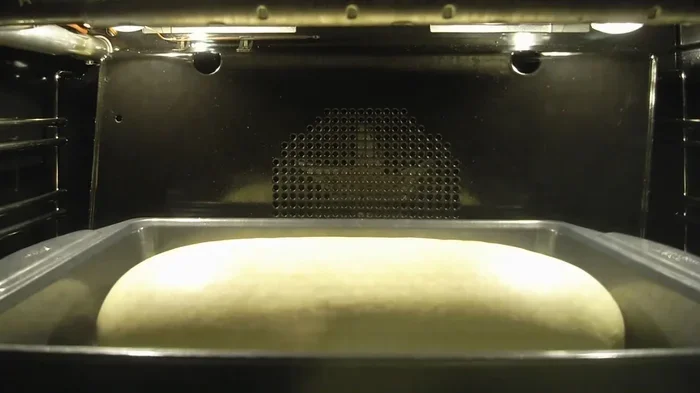
Proofing is the final rise of your dough before it goes into the oven. The level of proofing directly affects how much does bread rise in the oven. A properly proofed dough will have maximum oven spring. Under-proofed dough has not developed enough gas, so it rises less. Over-proofed dough has exhausted its yeast food and may collapse in the oven instead of rising. The ideal proof is when the dough has doubled in size and springs back slowly when gently poked. This balance is the sweet spot for great bread texture and volume.
The Impact of Flour Type on Bread Expansion
The type of flour you use matters greatly for bread rise. Bread flour has a higher protein content than all-purpose flour, which means it develops more gluten. This stronger gluten network can trap more gas and support greater expansion. Whole wheat flour absorbs more water and has less gluten strength, which can limit rise. Many bakers blend bread flour with whole wheat for the best balance of flavor and rise. Using the right flour for your recipe is a simple way to improve your bread baking tips and achieve better results consistently.
Adding Steam for Better Rise
Steam in the early stages of baking is a secret weapon for great oven spring. Steam keeps the surface of the dough moist and flexible, allowing it to expand fully before the crust sets. Professional bakeries use steam injection ovens, but home bakers can achieve similar results. You can add steam by placing a pan of water on the oven floor, spraying water into the oven at load, or using a Dutch oven with a tight lid. The Dutch oven method traps moisture from the dough itself, creating a perfect steam environment for maximum rise. This simple technique can make a noticeable difference in your homemade bread results.
Quick Tips for Maximum Oven Spring
Want your bread to rise as much as possible in the oven? These practical tips will help you get the best oven spring every time you bake. Follow these bread baking tips for improved results.
- Use a kitchen scale: Weighing your ingredients is more accurate than measuring by volume. This ensures your dough hydration is consistent every time.
- Proof your dough properly: Watch for the right level of proof. The dough should be about 1.5 to 2 times its original size before baking.
- Preheat your oven fully: Give your oven at least 30 minutes to reach the target temperature. A hot oven is essential for great oven spring.
- Score the dough before baking: Use a sharp blade to make shallow cuts. This gives the bread a controlled path to expand during loaf expansion.
- Add steam in the first 15 minutes: Use a Dutch oven, a pan of water, or spray water into the oven to keep the crust soft and flexible.
- Bake on a preheated stone or steel: These tools store heat and deliver it to the bottom of the dough, boosting oven spring significantly.
- Do not open the oven door early: Resist the urge to check on your bread for at least the first 15 minutes. Every time you open the door, you lose heat and steam that are essential for rise time.
Common Mistakes That Stop Bread From Rising Properly
Even experienced bakers sometimes make mistakes that prevent their bread from rising well in the oven. Knowing what to avoid will help you troubleshoot how much does bread rise in the oven and improve your results every time.
Over-Proofing the Dough
Over-proofing is one of the most common causes of poor bread rise in the oven. When dough proofs too long, the yeast consumes all available sugars and runs out of energy. The gluten structure also weakens over time. The result is a loaf that may collapse in the oven instead of rising. If your dough feels airy, fragile, and smells slightly alcoholic, it has likely been over-proofed. Always keep an eye on your dough during the final proof and refrigerate it if you need to slow the process down. Proper proofing bread technique is one of the most important bread baking tips you can learn.
Using Old or Dead Yeast
If your yeast is old or was stored improperly, it may not be active enough to create a good rise. Before using yeast, always test it by dissolving it in warm water with a pinch of sugar. If it does not foam within 10 minutes, it is dead and needs to be replaced. Fresh, active yeast is essential for achieving the bread rise you are looking for in the oven. Good yeast storage and timely replacement are simple steps that make a big difference in your yeast activation and final loaf quality.
Skipping the Rest Period
Many home bakers skip the rest period after shaping their loaf. This rest, also called bench rest, allows the gluten to relax and the dough to become more extensible. Without it, the dough resists expansion in the oven. Even a 15 to 30 minute rest can make a significant difference in how much your bread rises during baking. Do not rush this step if you want the best results from your bread dough. The rest period is a small investment that pays off in better crumb structure and higher volume.
Baking at Too Low a Temperature
A low oven temperature slows down oven spring and gives the yeast too much time to produce gas before the crust sets. The bread rises slowly and may end up with a dense texture. Most breads need a hot oven, ideally between 375°F and 450°F, to achieve maximum rise in the early stages of baking. Always preheat your oven and consider using an oven thermometer to verify the actual temperature inside. Getting the baking temperature right is one of the easiest ways to improve your bread’s rise and overall quality.
Expert Insights on Perfect Bread Rise
We spoke with professional bakers and food scientists to get their take on how much does bread rise in the oven. Here is what the experts want you to know about achieving the best results with your yeast bread and homemade bread projects.
Dr. Linda Larson, Food Scientist: “The first 10 to 15 minutes of baking are the most critical for bread rise. This is when oven spring happens. Bakers should focus on getting the right balance of heat and moisture during this window. After the crust sets, the bread will not expand much further.”
Marco Bianchi, Artisan Baker: “I always tell my students that the secret to great oven spring is patience. A well-proofed dough, a hot oven, and a little steam will do more than any fancy technique. Keep it simple and let the dough do the work.”
Sarah Chen, Home Baking Coach: “The Dutch oven has changed the way I bake bread at home. It traps steam and heat, creating the perfect environment for maximum rise. If you are serious about baking bread, invest in a good Dutch oven. It is the single best tool for home bakers who want to improve their oven spring.”
Key Takeaways for Better Bread Rise
- Most breads expand 25 to 50 percent during baking, with some artisan loaves reaching 70 percent.
- The first 10 to 15 minutes are the most important for oven spring and loaf expansion.
- Steam, proper proofing, and hot oven temperatures are the three pillars of great rise.
- Different bread types rise differently based on hydration, enrichment, and gluten strength.
- Practice and patience are the most important tools for improving your bread texture and crumb structure.
Conclusion
How Much Does Bread Rise In The Oven when you bake it is a fascinating topic that every bread lover should explore. The answer is not a single number. It depends on your dough recipe, hydration level, proofing method, oven temperature, and the type of bread you are making. Most loaves expand between 25 and 50 percent during baking, with artisan and high-hydration breads reaching even higher. By mastering the factors we covered in this guide, you can take control of your bread rise and bake loaves that are light, airy, and full of flavor.
The next time you put a loaf in the oven, remember what you have learned here. Pay attention to the first 15 minutes. Watch for that beautiful oven spring. And do not be afraid to experiment with different hydration levels, proofing times, and baking temperatures. Baking homemade bread is a rewarding journey, and understanding the rise is one of the most satisfying parts of the process. With the right knowledge and a little practice, you will bake loaves that rise perfectly and taste amazing every single time. Happy baking!
Frequently Asked Questions
How much does a loaf of bread rise in the oven?
Most standard loaves rise between 25 and 50 percent during baking. Artisan breads with high hydration can expand even more, sometimes reaching 60 to 70 percent. The exact rise depends on your recipe, dough hydration, and baking conditions.
What is oven spring and why does it matter?
Oven spring is the rapid expansion that happens in the first 10 to 15 minutes of baking. It matters because it determines the final volume and crumb structure of your bread. Good oven spring leads to a lighter, airier loaf with an open texture and better overall quality.
Can I make bread rise more in the oven?
Yes! You can improve rise by ensuring your dough is properly proofed, using a hot oven between 375°F and 450°F, adding steam during the first 15 minutes, and scoring the dough before baking. These simple steps can significantly boost your oven spring and final loaf volume.
Why did my bread not rise in the oven?
Several factors can prevent proper rise. Over-proofed dough may collapse, old yeast may not be active enough, and an oven that is too cool will not create enough heat for expansion. Check your yeast freshness, proofing time, and oven temperature to troubleshoot the issue effectively.
Does the type of flour affect how much bread rises?
Yes, flour type has a big impact on bread rise. Bread flour has more protein and develops stronger gluten, which supports greater expansion. Whole wheat flour absorbs more water and has weaker gluten, which can limit rise. Blending flours is a great way to balance flavor and rise in your homemade bread.
How long should I proof my bread before baking for the best rise?
The ideal proof is when the dough has doubled in size and springs back slowly when poked. This usually takes 1 to 2 hours at room temperature. Under-proofed dough rises less in the oven, and over-proofed dough may collapse. Use the poke test to find the sweet spot for your proofing bread routine.