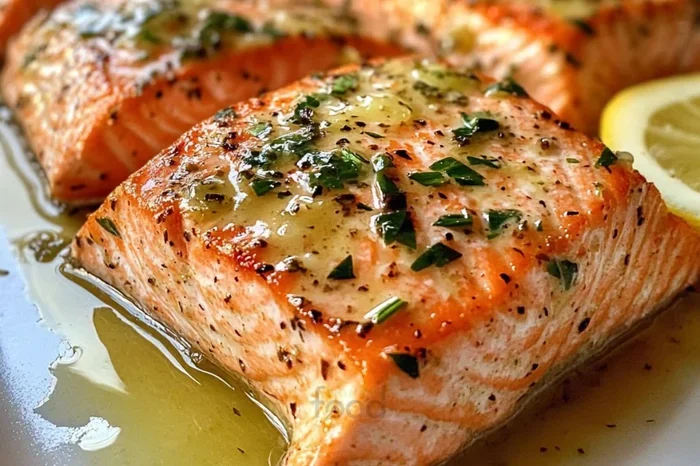
How Long To Leave Salmon In The Oven Without Drying It Out
How long to leave salmon in the oven depends on thickness, temperature, and whether you want crispy skin or tender flesh. Most salmon fillets bake perfectly at 400°F for 12 to 15 minutes. Internal temperature of 145°F is the USDA safe standard, but many chefs pull salmon at 125°F for a buttery, medium-rare center. This guide covers every scenario so your salmon stays moist and flavorful every single time.
There is something magical about a perfectly baked salmon fillet. The outside turns golden and slightly crispy, while the inside stays soft, pink, and full of flavor. But here is the thing — salmon can go from perfect to dry and chalky in just a few extra minutes. That is why knowing exactly how long to leave salmon in the oven makes all the difference.
If you have ever wondered whether 10 minutes is enough or if you need to go longer, you are not alone. This is one of the most common questions home cooks ask. The answer depends on a few simple factors like thickness, oven temperature, and whether the salmon is skin-on or skinless. In this guide, we walk through everything you need to know so you never have to guess again.
We will cover the best temperatures, timing for different cuts, and simple tricks that keep your salmon moist every time. Whether you are a beginner in the kitchen or a seasoned cook looking for a refresher, this article has you covered. Let us get into it.
Key Takeaways
- 400°F is the sweet spot: Most salmon fillets bake beautifully at 400°F in 12 to 15 minutes.
- Thickness matters most: A thin fillet needs less time, while a thick cut may need up to 20 minutes.
- Use a meat thermometer: Pull salmon at 125°F for medium-rare or 145°F for fully cooked.
- Rest your salmon: Let it rest for 3 to 5 minutes after baking to lock in juices.
- Avoid overcooking: Overcooked salmon dries out fast, so watch it closely toward the end.
- Skin-side down is best: Baking salmon skin-side down keeps the flesh moist and gives crispy skin.
- Fresh or frozen works: You can bake frozen salmon, but thawing first gives more even results.
📑 Table of Contents
The Ideal Oven Temperature For Salmon
Temperature is the first thing you need to get right when baking salmon. Too hot and the outside overcooks before the inside is done. Too low and the fish takes forever, losing moisture along the way. So what is the magic number?
Why 400°F Works Best
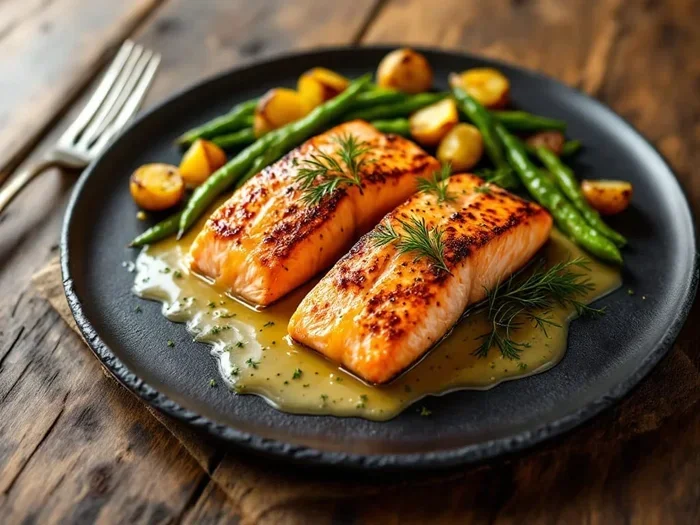
Most chefs and cooking experts agree that 400°F is the best temperature for baking salmon. At this heat, the fillet cooks evenly and develops a beautiful golden crust on the outside. The flesh stays tender and flakes easily without turning chalky or dry.
Some recipes call for 375°F, which works well for thicker fillets that need a slower, gentler cook. Others use 425°F for a faster, crispier result. But 400°F hits the sweet spot between speed and moisture retention. It is the go-to temperature for most home cooks.
If you are using a toaster oven, the same principle applies. Just keep in mind that toaster ovens can run a bit hotter than full-size ovens, so you may want to drop the temperature by 10 to 25 degrees. Check your specific model, especially if you have a Hamilton Beach toaster oven, since different models have slightly different heat distributions.
Can You Bake Salmon At Lower Temperatures?
Yes, you can. Some people prefer a low-and-slow approach at 325°F or 350°F. This method takes longer but can produce very tender results. The downside is that the skin does not get as crispy, and the fish releases more moisture over the extended cook time.
If you go this route, plan for 20 to 25 minutes for a standard fillet. Just make sure you use a meat thermometer to check doneness. Lower temperatures do not kill bacteria any differently, so the internal temperature still needs to reach 145°F for food safety.
How Long To Leave Salmon In The Oven By Thickness
Now let us talk about timing. This is the part most people get wrong. The thickness of your salmon fillet is the biggest factor in determining cook time. A thin piece of salmon cooks much faster than a thick steak cut.
Thin Fillets (Less Than 1 Inch)
Thin salmon fillets, around half an inch to three-quarters of an inch thick, cook quickly. At 400°F, these fillets need just 8 to 12 minutes. Because they are thin, they can go from perfectly done to overcooked in a matter of minutes.
Here is a quick reference for thin fillets:
- Half-inch thick: 8 to 10 minutes at 400°F
- Three-quarter inch thick: 10 to 12 minutes at 400°F
- Skin-on thin fillets: Add 1 to 2 minutes since the skin acts as a slight insulator
For thin fillets, always start checking early. The salmon is done when it turns opaque pink and flakes easily with a fork. If you like your salmon a little more on the medium-rare side, pull it off the heat when the center is still slightly translucent.
Standard Fillets (1 to 1.5 Inches)
A standard salmon fillet, about 1 to 1.5 inches thick, is the most common size you will find at the grocery store. For this thickness, 12 to 15 minutes at 400°F is the sweet spot. This gives the fish enough time to cook through while staying moist and tender.
If you are baking a whole side of salmon (a long rectangular piece), the same timing applies. Just make sure the thickest part of the fillet reaches the right internal temperature. Use a simple instant-read parchment paper or aluminum foil-lined baking sheet to make cleanup easier after baking.
Thick Steaks and Center-Cut Fillets (1.5 to 2 Inches)
Thick cuts need more time. A salmon steak or center-cut fillet that is 1.5 to 2 inches thick will need 15 to 20 minutes at 400°F. These cuts benefit from a slightly lower temperature of 375°F if you want to make sure the center cooks evenly without the outside drying out.
Some people like to sear the outside of a thick steak on the stovetop first and then finish it in the oven. This technique gives you a crispy crust while keeping the inside perfectly pink. It is a restaurant-quality method that works beautifully at home.
Step-by-Step Guide To Perfect Oven Salmon
Baking salmon does not need to be complicated. Follow these simple steps and you will get great results every time.
Step 1: Prep Your Salmon
Take your salmon out of the fridge about 15 to 20 minutes before cooking. Letting it come to room temperature helps it cook more evenly. Pat the fillet dry with a paper towel. This step is important because moisture on the surface creates steam, which prevents the skin from getting crispy.
Season your salmon simply with salt, pepper, and a drizzle of olive oil. You can also add garlic, lemon slices, or fresh herbs like dill and thyme. Keep it light — salmon has a delicate flavor that does not need heavy seasoning.
Step 2: Line Your Baking Sheet
Line a baking sheet with parchment paper or aluminum foil. Parchment paper is safe up to 425°F, so it works perfectly for baking salmon at 400°F. If you are unsure about what materials are safe in your oven, check out our guide on what you can put in the oven for helpful tips on oven-safe materials.
Place the salmon skin-side down on the lined baking sheet. Skin-side down keeps the flesh moist and allows the skin to crisp up while it bakes. If you do not like eating the skin, you can still place it skin-side down during baking and remove it afterward.
Step 3: Bake and Monitor
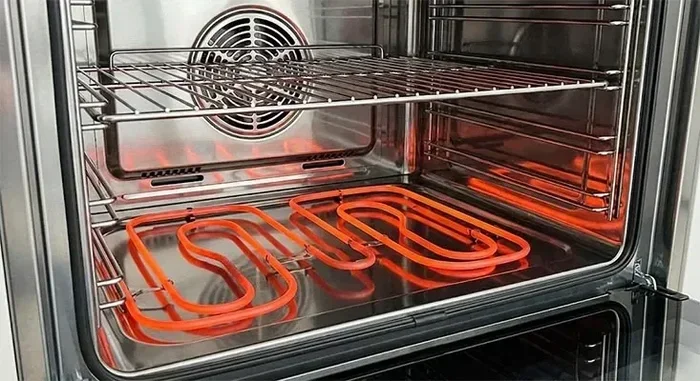
Put the baking sheet on the center rack of your oven. Set a timer for the recommended time based on thickness. Do not walk away completely — check the salmon a few minutes before the expected finish time.
The best way to know if your salmon is done is to use an instant-read meat thermometer. Insert it into the thickest part of the fillet. Here are the target temperatures:
- 125°F: Medium-rare, translucent center, very moist
- 130°F: Medium, slightly opaque center, tender
- 145°F: Fully cooked, opaque throughout, flakes easily
The USDA recommends 145°F for food safety, but many people prefer the texture and flavor at 125°F to 130°F. It is really a personal preference.
Step 4: Let It Rest
Once your salmon is out of the oven, let it rest for 3 to 5 minutes. This allows the juices to redistribute throughout the fillet. If you cut into it right away, the juices will run out and the fish will dry faster.
Think of it like resting a steak. That few minutes of patience makes a noticeable difference in the final result. Cover it loosely with foil if you want to keep it warm during the rest.
Tips To Keep Salmon Moist And Flavorful
Even if you get the timing right, there are a few extra tricks that take your baked salmon from good to great. Here are the best tips we know for keeping salmon moist.
Brine It Briefly
A quick brine works wonders for salmon. Dissolve 1 tablespoon of salt and 1 tablespoon of sugar in 4 cups of cold water. Submerge the fillet for 10 to 15 minutes, then pat it dry before baking. The brine helps the fish retain moisture during cooking, resulting in a juicier fillet.
Use Oil or Butter
A light coating of olive oil or melted butter on top of the salmon creates a protective barrier that locks in moisture. It also helps seasonings stick to the fish and promotes even browning. You do not need much — just a thin drizzle over the top.
Do Not Overcrowd The Pan
Give each fillet space on the baking sheet. If pieces are touching or crowded, they steam instead of roast, which leads to soggy skin and uneven cooking. Space them at least an inch apart for the best results.
Try A Glaze In The Last Few Minutes
Adding a glaze during the last 3 to 5 minutes of baking adds flavor and a beautiful caramelized finish. A simple mix of honey, soy sauce, and Dijon mustard works great. Brush it on lightly so it does not burn.
Common Mistakes That Dry Out Your Salmon
Dried-out salmon is disappointing, but it is also very preventable. Here are the most common mistakes people make when baking salmon in the oven.
Overcooking
This is the number one mistake. Salmon continues to cook after you take it out of the oven due to residual heat. If you wait until the thickest part reaches 145°F in the oven, it will be well-done and dry by the time it rests. Pull it off when it is 5 to 10 degrees below your target temperature.
Skipping the Dry Pat
If you do not pat the salmon dry before baking, the surface moisture turns into steam. Steam prevents crisping and creates a boiled texture on the outside. Take the extra 30 seconds to blot the fillet with a paper towel. It makes a real difference.
Using the Wrong Pan
A dark, non-stick baking sheet can cause the bottom of the salmon to overcook and stick. Light-colored aluminum baking sheets or parchment-lined trays work best. If you are curious about what pans are safe, you can refer to our guide about putting plates in the oven for general oven-safe material tips.
Baking From Frozen Without Adjusting Time
You can bake frozen salmon, but you need to add extra time — usually about 50% more than thawed salmon. A frozen fillet that would take 12 minutes when thawed might need 18 to 20 minutes frozen. Always check the internal temperature to be sure it is done.
How To Know When Salmon Is Done
Knowing when salmon is done is a skill that gets easier with practice. There are three reliable methods you can use to check doneness.
The Fork Test
Gently press the top of the salmon with a fork or tap the thickest part with your finger. If the flesh flakes apart easily and feels firm but still slightly soft in the center, it is done. If it feels mushy, it needs more time. If it feels very firm and springs back hard, it is probably overcooked.
The Color Test
Raw salmon is deep orange-red and translucent. As it cooks, it turns opaque pink. When the entire fillet is a solid pinkish-orange with no translucent streaks, it is fully cooked. For medium-rare, you will still see a slightly darker, translucent strip in the very center.
The Thermometer Test
This is the most accurate method. An instant-read thermometer inserted into the thickest part of the fillet gives you a precise reading. Remember the target temperatures we shared above. This method takes the guesswork out entirely and is especially helpful when you are cooking salmon for guests.
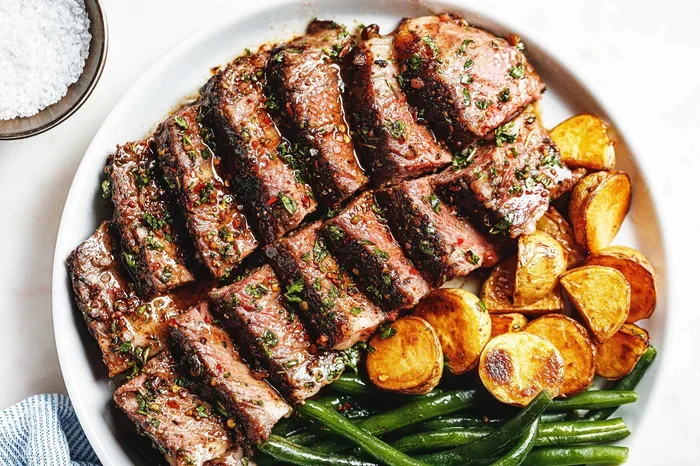
Compared to baking potatoes in the oven or cooking steak burgers in the oven, salmon requires much less time and more attention. The thin profile of a fillet means timing is critical.
How Long Does Baked Salmon Keep?
Leftover baked salmon stays good in the refrigerator for 3 to 4 days when stored in an airtight container. You can also freeze cooked salmon for up to 3 months. When reheating, use a low temperature or the microwave at 50% power to avoid drying it out. A quick splash of water or a drizzle of olive oil before reheating helps retain moisture.
If you are meal prepping, baked salmon is one of the best proteins to cook ahead of time. It works great in salads, wraps, pasta dishes, and bowls. Just keep in mind that the flavor improves when the salmon is fresh, so try to eat leftovers within the first couple of days for the best taste.
For those who enjoy baking other fish in the oven, the timing principles are similar. A thin cod fillet will cook faster than a thick salmon steak, just as a thin brie melts faster than a thick wheel. Understanding how thickness and temperature interact gives you confidence to experiment with different proteins.
Final Thoughts
Baking salmon in the oven does not have to be stressful. Once you understand the relationship between temperature, thickness, and timing, you will feel confident every time you turn on the oven. The key is to keep an eye on the clock and use a meat thermometer to take the guesswork out.
Remember, 400°F for 12 to 15 minutes works for most standard fillets. Thinner pieces need less time, and thicker cuts need more. Pull the salmon a few degrees early and let it rest. These simple habits will transform your baked salmon from average to restaurant-quality.
Now that you know exactly how long to leave salmon in the oven, it is time to put this knowledge into practice. Try it at your next dinner and enjoy the compliments that follow. Once you nail this technique, you will never go back to dry, overcooked fish again.
Frequently Asked Questions
Can I bake salmon at 350°F instead of 400°F?
Yes, you can bake salmon at 350°F, but it will take longer — about 15 to 20 minutes for a standard fillet. The lower temperature cooks the fish more gently, which can help keep it moist. Just be sure to check the internal temperature to confirm it is done.
How do I know if my salmon is overcooked?
Overcooked salmon looks dull, grayish, and dry. It flakes apart into small, chalky pieces instead of large, moist flakes. If the internal temperature reads above 150°F, the salmon is likely overcooked and will taste dry.
Should I bake salmon covered or uncovered?
Bake salmon uncovered for crispy skin and even browning. If you prefer a softer, more steamed texture, you can cover it loosely with foil for the first half of cooking and then remove the foil for the last few minutes.
Can I bake salmon on a pizza stone?
Yes, a pizza stone works well for baking salmon. It distributes heat evenly and can help crisp the bottom of the fillet. Just make sure the stone is at room temperature before placing the salmon on it to avoid thermal shock.
What is the best way to defrost salmon before baking?
The best way is to place the frozen salmon in the refrigerator overnight. If you need it faster, submerge the sealed fillet in cold water for about 30 minutes. Avoid using warm water or the microwave, as these methods can partially cook the edges.
How long can I marinate salmon before baking?
Marinate salmon for 15 minutes to 2 hours in the refrigerator. Acidic marinades with lemon juice or vinegar should not exceed 30 minutes, as the acid can start to cook the fish and change its texture. Keep it simple and do not over-marinate.