How To Bake Catfish Fillet In Oven For Juicy Results
Want juicy, flavorful catfish without the fuss? Baking catfish fillet in oven is the easiest way to get restaurant-quality results at home. This guide shows you exactly how to bake catfish fillet in oven so it stays moist and flaky every time. You’ll learn the perfect temperature, seasoning tricks, and baking times for crispy, oven-baked catfish.
Want juicy, flavorful catfish without the fuss? Baking catfish fillet in oven is the easiest way to get restaurant-quality results at home. This guide shows you exactly how to bake catfish fillet in oven so it stays moist and flaky every time. You’ll learn the perfect temperature, seasoning tricks, and baking times for crispy, oven-baked catfish. By the end, you’ll never order takeout again.
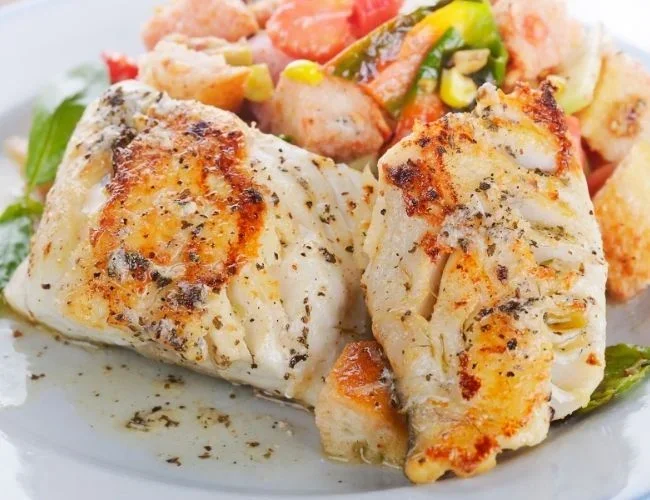
Baking catfish fillets in the oven is a simple, hands-off method that delivers tender, flaky fish with a golden crust. Unlike frying, you don’t need to watch the oil or deal with splatters. A basic oven-baked catfish recipe takes about 20 minutes from prep to plate. Whether you’re cooking for a weeknight dinner or a weekend gathering, this technique always works.
Key Takeaways
- Low effort, high reward: A hot oven and simple seasoning deliver perfectly cooked catfish every time.
- 400°F is the magic number: This temperature ensures a golden crust while keeping the inside tender.
- Pat fillets dry before seasoning: Dry surfaces create a crispier, better-adhering coating.
- Use a meat thermometer: 145°F internal temperature guarantees safety and juiciness.
- Don’t overcrowd the pan: Space fillets evenly for air circulation and even browning.
- Rest before serving: A 2–3 minute rest lets juices redistribute for a moister bite.
- Store properly: Refrigerate within two hours and reheat in the oven to maintain texture.
📑 Table of Contents
How to Bake Catfish Fillet in Oven: The Best Method
Oven-baked catfish fillets turn out perfectly cooked with minimal effort. The dry heat surrounds the fish evenly, creating a delicate texture. You get a golden exterior without needing to flip the fillets. This method also lets you cook multiple fillets at once. It’s ideal for busy weeknights when you want a healthy, protein-packed meal.
Oven-baked catfish retains more moisture than frying because you use little to no oil. The fish stays tender and flaky, with a clean taste. You can easily add a light coating for crunch without drowning the fillet. This approach is perfect for juicy catfish recipes that the whole family will love.
The Magic of Oven-Baked Catfish
When you bake catfish fillet in oven, the hot air circulates around the fish uniformly. This creates a delicate, flaky interior and a lightly crisped exterior. No flipping is required, which means less handling and fewer broken fillets. The oven does all the work while you prep sides or set the table.
Many people assume that baking makes fish dry. That’s a myth when you use the right temperature and timing. A hot oven sears the outside quickly, sealing in moisture. The result is a crispy baked catfish that feels indulgent but stays light and healthy.
Why Oven-Baked Beats Frying
Frying catfish requires hot oil, careful monitoring, and a bit of mess. Baking eliminates these hassles. You simply place seasoned fillets on a sheet pan and let the oven do the work. There’s no risk of splattering oil or lingering fry smells. Cleanup is a breeze with just one pan to wash.
Baking also gives you more control over the crust. You can add a light breadcrumb topping or keep it simple with herbs. The result is a crispy baked catfish that’s lower in fat. For a healthier version of this classic dish, baking is the clear winner.
Quick Tips for Perfect Oven-Baked Catfish
- Pat fillets dry before seasoning. Moisture is the enemy of a crispy crust.
- Preheat the oven before placing the fillets in. A hot oven ensures even cooking.
- Use a wire rack on the baking sheet. It allows air to circulate underneath, preventing sogginess.
- Don’t skip the resting time. Let the fillets rest for 2–3 minutes after baking. This helps juices redistribute.
Common Mistakes When Baking Catfish
- Using fillets that are too thin. Thin fillets dry out quickly. Aim for at least 1/2 inch thick.
- Overcrowding the pan. Leave space between fillets so hot air flows freely.
- Overbaking. Check for doneness early. Catfish can become tough if left too long.
- Skipping the seasoning. Even simple salt, pepper, and paprika make a big difference.
Preparing Your Catfish Fillets for the Oven
Start with fresh or properly thawed catfish fillets. Look for fillets that are firm and translucent. They should have a mild, fresh smell. Avoid fillets that look dull or have a strong fishy odor. Frozen fillets work great too, but thaw them completely first.
Thick fillets hold up better in the oven. A thickness of 1/2 to 3/4 inch is ideal. Thinner pieces can dry out before the center cooks through. If you only have thin fillets, reduce the baking time and watch them closely.
Skin-on fillets can be baked successfully, but many prefer skinless. Skin adds a bit of texture and protects the flesh. If using skin-on, you can remove it after baking if you like. Both options yield delicious oven-baked catfish.
Choosing the Right Fillets
Fresh catfish should smell like the ocean, not a fish market. The flesh should be shiny and spring back when touched. If buying frozen, look for fillets with no ice crystals or freezer burn. Quality fillets are the foundation of a great catfish oven bake.
Wild-caught and farmed catfish both work well. Wild-caught may have a slightly firmer texture and more pronounced flavor. Farmed catfish is often milder and more readily available. Choose whichever is fresh and fits your budget. The baking method works equally well for both.
Simple Prep Steps
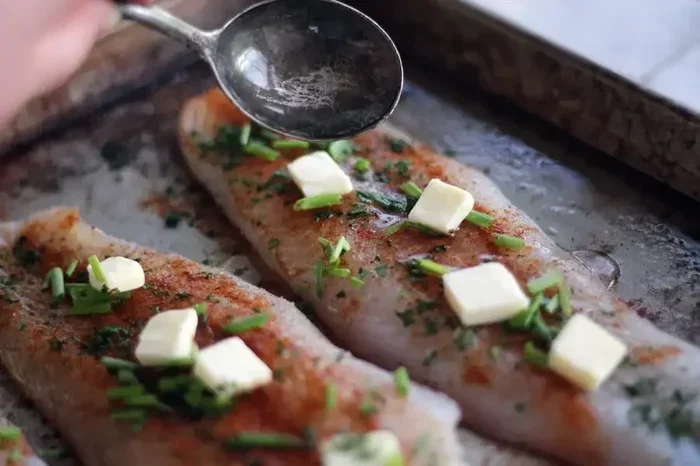
Rinse the fillets under cold water and pat them dry with paper towels. This removes surface moisture that can steam the fish. Place the fillets on a lightly oiled baking sheet or line the sheet with parchment paper. A light coat of oil helps the seasoning stick and promotes browning.
Arrange the fillets in a single layer. Leave a small gap between each piece. This ensures even heat exposure. If your fillets are different sizes, group similar sizes together. This prevents some pieces from overcooking while others are still underdone.
Expert Insight: Thawing Frozen Fillets Properly
Never thaw catfish at room temperature. Bacteria can grow quickly on the surface. Instead, place the sealed fillets in the refrigerator overnight. For a faster thaw, submerge the vacuum-sealed package in cold water. Change the water every 30 minutes. This keeps the fish safe and preserves its texture. Proper thawing is the first step to a flawless bake catfish fillet in oven result.
The Ultimate Oven-Baked Catfish Seasoning
The seasoning is where you can get creative. A classic Southern blend works beautifully. Mix smoked paprika, garlic powder, onion powder, and a pinch of cayenne. This creates a warm, savory crust that complements the mild fish. Fresh herbs like thyme or parsley add brightness.
For a lighter, Mediterranean style, use lemon zest, dried oregano, and a touch of olive oil. Asian-inspired flavors come from a mix of soy sauce, ginger, and sesame oil. The key is to keep the seasoning simple so it enhances the catfish fillet baking experience without overpowering the fish.
Flavor Profiles for Baked Catfish
- Southern Classic: Smoked paprika, garlic powder, onion powder, black pepper, and a hint of cayenne.
- Mediterranean: Lemon zest, dried oregano, thyme, and a drizzle of olive oil.
- Asian-Inspired: Soy sauce, grated ginger, garlic, and a touch of sesame oil.
- Herb Garden: Fresh parsley, dill, chives, and a squeeze of lemon.
These baked catfish fillets seasoning combos keep things interesting. You can mix and match to suit your mood. Even a simple salt-and-pepper rub produces excellent results.
Quick Marinade Ideas
A quick marinade adds moisture and flavor in just minutes. Try these easy combinations:
- Buttermilk & Hot Sauce: Soak fillets for 15 minutes. This tenderizes and adds a gentle kick.
- Lemon Butter: Melt butter with lemon juice and a dash of salt. Brush lightly on the fillets.
- Garlic Herb Oil: Mix olive oil, minced garlic, rosemary, and thyme. Let the fillets sit for 10 minutes.
These marinades work great for how to bake catfish in the oven. They keep the fillets juicy while building flavor from the outside in.
Quick Tips for Seasoning Success
- Adjust for kids: Reduce or omit cayenne and garlic powder for little ones.
- Pat dry after marinating: Remove excess liquid before baking to ensure a crisp crust.
- Season just before baking: Salt draws out moisture over time, so keep it close to oven time.
Key Takeaways: Seasoning Essentials
- Keep it simple: A little salt, pepper, and paprika go a long way.
- Marinate briefly: 10–15 minutes is enough for flavor without breaking down the flesh.
- Pat dry before baking: This helps the coating adhere and creates a better crust.
Baking Catfish Fillets: Temperature and Time Guide
The best temperature to bake catfish fillet in oven is 400°F (200°C). This high heat cooks the fish quickly, locking in moisture. It also creates a golden, slightly crispy exterior without drying out the inside. A hotter oven would risk burning the crust before the center is done.
If you prefer a gentler cook, 375°F works too. It adds a few extra minutes but still yields tender results. Avoid temperatures below 350°F, as the fish can become watery and pale. For a catfish oven bake that turns out perfectly every time, stick to 400°F.
Ideal Oven Temperature for Catfish
Preheating the oven is non-negotiable. A cold start leads to uneven cooking and a soggy exterior. Give the oven at least 10–15 minutes to reach 400°F. Place the rack in the center position for the most even heat distribution.
If your oven runs hot, use an oven thermometer to verify the actual temperature. Many ovens have hot spots that can scorch one side of the fillet. Knowing your oven’s true temperature helps you adjust placement and timing for perfect oven-baked catfish.
Baking Times for Different Thicknesses
Thickness is the biggest factor in baking time. Use this guide to get it right:
| Fillet Thickness | Oven Temperature | Baking Time | Internal Temp |
|---|---|---|---|
| 1/2 inch | 400°F | 10–12 minutes | 145°F |
| 3/4 inch | 400°F | 12–15 minutes | 145°F |
| 1 inch | 400°F | 15–18 minutes | 145°F |
Always check the internal temperature with a meat thermometer. The fish should reach 145°F (63°C) and flake easily with a fork. If you don’t have a thermometer, insert a thin knife into the thickest part. The flesh should be opaque and separate into clean flakes.
Quick Tip: Use a Meat Thermometer
A digital instant-read thermometer takes the guesswork out of baking catfish. Insert it horizontally into the thickest part of the fillet. This prevents overcooking and ensures a safe, juicy result. Investing in a good thermometer is the secret to perfect baked catfish fillets every time.
Common Mistake: Relying on Time Alone
Ovens vary, and fillet thickness differs. Always use visual and temperature cues. The fish should be opaque throughout and flake gently. If it looks translucent in the center, give it another minute or two. Timing is a guide, not a rule.
Pro Tips for Juicy, Crispy Baked Catfish
The difference between good and great baked catfish comes down to a few small details. These pro tips will elevate your oven-baked catfish from simple to spectacular.
The Parchment Paper Trick
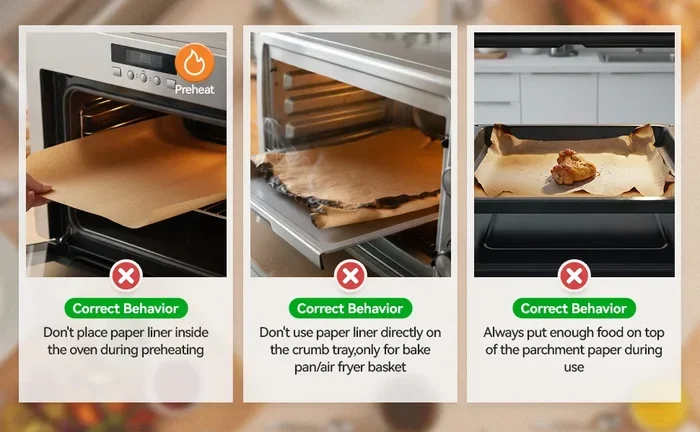
Line your baking sheet with parchment paper before arranging the fillets. This prevents sticking and makes cleanup effortless. The parchment also promotes even browning on the bottom. For extra crispiness, you can place the fillets on a lightly oiled wire rack set over the parchment.
This simple step is a game-changer for oven-baked catfish. The rack allows hot air to flow all around the fillet, creating a uniform crust. It also prevents the bottom from sitting in any released moisture, which can make the fish soggy.
Avoiding Overcooking
Overcooking is the number one enemy of juicy catfish. The fish dries out quickly once it passes the ideal temperature. Start checking for doneness a few minutes before the minimum time listed. Look for the flesh turning white and opaque throughout.
Remove the fillets from the oven as soon as they are done. The residual heat will continue to cook them slightly. This carryover cooking can add a few extra degrees. By pulling them early, you ensure they stay moist and tender. A juicy catfish recipe always errs on the side of caution.
Adding a Breadcrumb Crust
For a crunchy, restaurant-style finish, add a light breadcrumb coating. Mix crushed crackers or panko breadcrumbs with a little melted butter and your favorite spices. Press the mixture gently onto the top of each fillet just before baking.
This crust adds texture without frying. It bakes up golden and crispy in just a few minutes. A crispy baked catfish with a breadcrumb topping is a crowd-pleaser. Keep the coating thin so it doesn’t mask the delicate fish flavor.
Common Mistake: Overcrowding the Pan
Packing fillets too close together traps steam. Steam prevents the crust from forming and can leave the fish mushy. Leave at least half an inch of space between each fillet. If your baking sheet is small, use two sheets or bake in batches. A little extra effort makes a big difference in texture.
Serving and Storing Your Oven-Baked Catfish
Baked catfish pairs beautifully with a variety of sides. For a classic Southern meal, serve it with coleslaw, hush puppies, and baked sweet potatoes. A fresh green salad with a light vinaigrette adds brightness. Roasted vegetables like asparagus or green beans complement the fish without competing for flavor.
For a low-carb option, pair the oven-baked catfish with cauliflower rice or a crisp cucumber salad. Lemon wedges on the side add a zesty kick. These simple sides let the catfish shine as the star of the plate.
Best Side Dishes for Baked Catfish
- Coleslaw: Creamy or vinegar-based, it adds crunch and coolness.
- Hush Puppies: A classic Southern cornmeal fritter.
- Baked Sweet Potatoes: Their natural sweetness balances the savory fish.
- Roasted Asparagus: A light, healthy green vegetable.
- Cucumber Salad: Refreshing and crisp, perfect for summer.
Leftover Storage
Store leftover baked catfish in an airtight container in the refrigerator. It stays fresh for up to 3 days. Reheat gently in the oven or toaster oven at 300°F. This keeps the fish from drying out. Microwaving can make the fillets rubbery, so the oven is best.
You can also freeze baked catfish for up to 3 months. Wrap each fillet tightly in plastic wrap and foil, or place them in a freezer bag. Thaw overnight in the refrigerator before reheating. Proper storage ensures you enjoy your catfish fillet recipe for days after the initial bake.
Key Takeaways: Serving & Storage
- Pair with light, fresh sides to balance the rich fish flavor.
- Reheat in the oven to maintain moisture and texture.
- Freeze for longer storage if you want to meal prep ahead.
Conclusion
Baking catfish fillets in the oven is one of the easiest and most rewarding ways to prepare this healthy fish. With the right temperature, seasoning, and a watchful eye on timing, you get perfectly juicy, flaky fillets every single time. Remember to pat the fish dry, use a hot oven, and don’t overcook it. These simple steps transform a basic bake catfish fillet in oven into a meal you’ll be proud to serve.
Try this method tonight and discover just how delicious oven-baked catfish can be. Once you master the basics, you’ll start experimenting with new seasonings and crusts. The versatility of this technique means you can enjoy baked catfish fillets any night of the week. Happy baking!
Frequently Asked Questions
What temperature should I bake catfish fillets in the oven?
The ideal temperature to bake catfish fillet in oven is 400°F (200°C). This high heat cooks the fish quickly, creating a golden crust while keeping the inside moist. Always check that the internal temperature reaches 145°F for food safety.
How long does it take to bake catfish fillets?
Baking time depends on fillet thickness. A 1/2-inch fillet takes about 10–12 minutes, while a 1-inch fillet may need 15–18 minutes. Use a meat thermometer to ensure the fish is opaque and flakes easily. Avoid relying solely on the clock.
Should I cover catfish with foil when baking?
You don’t need to cover catfish with foil. Leaving it uncovered allows the top to crisp up and develop a golden crust. If your fillets are very thin or prone to drying, you can tent them loosely with foil for the first few minutes, then remove it to finish baking.
Can I use frozen catfish fillets for oven baking?
Yes, you can bake frozen catfish, but thaw it first for the best results. Thaw overnight in the refrigerator. Baking from frozen can lead to uneven cooking, with the outside overcooking before the inside is done. Proper thawing ensures juicy, evenly baked catfish fillets in oven.
What is the best seasoning for baked catfish?
A simple mix of salt, pepper, garlic powder, and smoked paprika works wonders. For a Southern twist, add a pinch of cayenne and onion powder. Fresh herbs like thyme or parsley brighten the flavor. The key is to keep the seasoning light so it complements the fish without overpowering it.
How do I keep baked catfish from drying out?
Pat the fillets dry before seasoning and use a hot oven at 400°F. Don’t overbake; check for doneness a few minutes early. Let the fish rest for 2–3 minutes after baking to allow juices to settle. Using a wire rack instead of placing fillets directly on the pan also helps maintain moisture.